Health Essentials
Spicing Christmas with beautiful messages

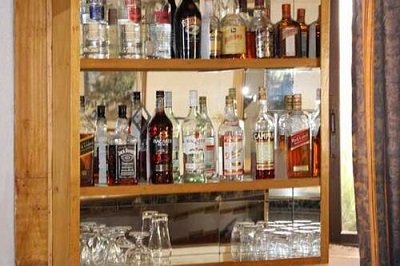
Christmas has its own “swag”. There is no other time of the year that is filled with as much magic as Christmas. Christmas carols, décor, loving hearts and giving. There is insane traffic in some areas and window shoppers are also in abundance just like food and drinks.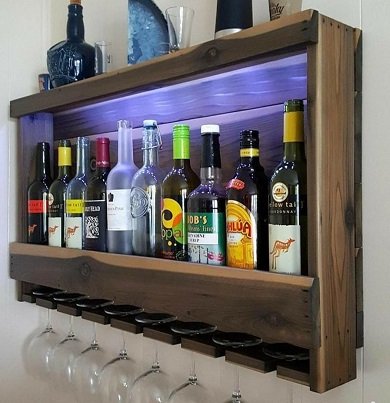
All the above create an atmosphere that may lead to regret when managed poorly. In the midst of all the fun do remember to keep your family safe and make time to talk about the following;
Cooking areas/kitchens are not an extension of a child’s play area. It can be a recipe for disaster; tripping, burns etc.
Do ensure the handles of pans and pots on your stove point away from your work area to avoid accidentally bumping into them and causing a spillage
If you have decorations be sure there is no fire / lighted candles close by. Also watch out for small parts , toys that can easily be swollen by children
As we try to create a different atmosphere at home we may end up running cables on the floor. That is a trip alert especially for the elderly and children.
The excitement, alcohol and hormone spikes may lead to adventure from our young adults and some end up in unprotected sex which opens many floodgates including STIs, pregnancy and HIV among others.
Be wary of what your children especially eat or drink when they leave home because drinks, pastries etc. may be spiked with hard drugs
“Ambitious” children may sometimes even want to sneak out with your car even when they are not licensed to drive and we all know what may happen.
Finally make time to connect as a family. Spend time together. Catch up on what is happening in your lives. Eat at least one good meal together each day. Do not keep yourself so busy you have to be out every day.
As adults we are role-models to our children and other young ones. Let us set the right tone and leave memories that are worth emulating from generation to generation.
As we enjoy the love and spirit of giving that comes with this season, we can think through messages shared by friends and colleagues over a period of time. I am sure many will impact positively on our lives.
“Wishing you a Merry Christmas and a healthy and prosperous New Year. Eat wisely over the holidays. Remember to take a walk to visit two neighbours each day through the holidays. Dispose of your waste wisely and let us make our environment a cleaner place” –Harold Esseku, Sanitary Engineer
“It’s the season of love. Let the only fire that burns be the fire of love not domestic fires” –Victor Etwire, Paediatric Surgeon. Korle Bu Teaching Hospital.
“Christmas, the season to share with one another and enjoy great and mouthwatering dishes. Don’t forget your fruits and vegetables. Sanitise your green leafy vegetables with vinegar to avoid food poisoning. Enjoy the season to the max” -Gifty Dufie Ampofo, Public Health Specialist.
“As we celebrate the birth of Lord Jesus this Christmas let us make sure we cross over to the New Year with all our loved ones. Be safe on the roads, avoid drinking and driving and teach the children to use Zebra Crossings when crossing roads. Merry Christmas! –Brenda Addo-Quarshie, Paediatric Doctor
“As the Irish proverb says; a good laugh and a long sleep is better than medicine. May laughter and rest be the cure to all your ailments. Remember health means wealth!”-Anita Arthur, Human Resource Professional.
“If you are on medication, please do not go on a drug holiday so that you can spend the money on pleasure. Remember these are not the last days of your life; you will be here in 2022. Do not start the new year with financial stress and complications of your illness”-Kojo Cobba Essel, Wellness Entrepreneur.
“Santa has been the same size since inception because he loves to fit in his suits. Let’s all in the season of love adopt this model and watch our portions. Keep your teeth extra happy this season and remember to brush them appropriately.”-Josephine Opoku-Bekoe, Human Resource Professional.
“The intergovernmental panel on Climate Change have reemphasised that climate change is ongoing and the impact will get worse if nothing is done. The situation looks dire but there is always a light of hope. More importantly as we celebrate the birth of Jesus let us be reminded that He came to help us resolve our most difficult situations.”- Ama Kwansima Essel, Climate Change Expert.
As we unwrap our gifts this season remember that the first gift of Christmas did not come with pomp, neither was it wrapped yet it is the greatest gift a Father could ever give to His children; the gift of LOVE. Jesus was and is still that gift. This season seize the opportunity to boost your “happiness level” by giving especially to the less fortunate in society. I guarantee that such an act will make you more content and healthier.
If no one is kind enough to give you a gift of an annual medical examination, please make it a point to reward all your labour with at least the basic medical tests after discussing with your doctor.
AS ALWAYS LAUGH OFTEN, ENSURE HYGIENE, WALK AND PRAY EVERYDAY AND REMEMBER IT’S A PRICELESS GIFT TO KNOW YOUR NUMBERS (blood sugar, blood pressure, blood cholesterol, BMI)
Dr. Kojo Cobba Essel
Health Essentials Ltd/ St Andrews Clinic/Mobissel Ltd
Dr. Essel is a medical doctor, holds an MBA and is ISSA certified in exercise therapy, fitness nutrition and corrective exercise.
Thought for the week – “During the holiday season remember to focus on Christ and catch up on sleep; sleep deprivation does not only make you accident-prone, it increases your risk of putting on extra fat and in addition may predispose you to conditions such as diabetes and high blood pressure”



Don’t we all dream of a life that is filled with laughter? That may be a reason for chasing big bucks, which like the golden-fleece eludes the majority of us. Financial Wellness is extremely important but there are other factors that make us happy and healthy and eventually wealthy.
You definitely do not need to live in Finland to experience happiness even though many people agree that is the “headquarters” of happiness. The happiness in Finland for instance is based on the provision of basic infrastructure and services, minimal corruption and strong social support among others. These go a long way to minimise anxiety making room for one to enjoy the good things of life.
Then when you live in Sikaman and any of its other cohorts, it is challenging to have those in authority create the environment where you can be happy. That’s why you need to “happy yourself” and the happiness hacks below will help you do just that. Even if you live in Finland, you will gain much more by following these steps.
- Wake-Up Ritual
- Say to yourself that today will be a beautiful day or a great day
- Ask God what He has in store for you. Use me Lord (if not a Christian what you believe in will be useful as well.
- Remind yourself of your purpose in life and get out of bed
- Do not grab your phone as the first thing for the day.
- Pray
- Talking to God has a way of calming our nerves. It brings about unexplained peace and when we add praise and worship then the floodgates open. That is how to win battles against unhappiness.
- Smile
- Definitely floods your body with feel good hormones and insulates you from stress
- Smiling is infectious so the more you smile the better and you set off a smiling OR happiness domino effect.
- Meditate
- Extremely good for your brain and an easy way to start is to do deep-breathing and just focus on your “breath” excluding all others. That is what some will prefer to call mindfulness. Being in the moment has immense benefits. Things you never knew existed suddenly spring up.
- Exercise
- That wonder drug that trumps virtually all others. Like smiling it does pour out feel good hormones. Strength training even goes an extra mile causing our muscles to act as “pharmacies” that pour out life-changing signals every time they contract.
- Be kind to yourself & to others.
- We are often too harsh on ourselves. Give yourself a break. Self-care is the real deal!!
- Being harsh to others has no benefits.
- Spend some time doing nothing
- We need to re-set from time to time. Spend about 10 minutes a day doing absolutely nothing. There is happiness and innovation in “idling”. Do not abuse idling though
- Spend time with loved ones
- This is another powerful happiness “hack”. You have to make time and be intentional about this; talk on phone, send messages, arrange to meet for a drink or meal. Social Wellness ranks very high on the happiness index and it’s fairly easy to plug into it.
- While spending time together remember that your choice of food and drinks also impacts on how happy or sad or anxious you may feel.
- Indulge in a hobby
- Our bodies and brain love variety. Do you have a hobby? Get one
- Write in your gratitude diary
- That is all it takes – keep doing it regularly.
This list is not exhaustive but definitely a good start. Share your happiness hacks with me via email and together we can keep the world smiling and happy.
At the end of each day ask yourself if you did better than the previous day. That is all it takes. Doing better than the previous day for 365 days, for 5 years, 10 years… How amazing that will be!!!
AS ALWAYS LAUGH OFTEN, ENSURE HYGIENE, WALK AND PRAY EVERYDAY AND REMEMBER IT’S A PRICELESS GIFT TO KNOW YOUR NUMBERS (blood sugar, blood pressure, blood cholesterol, BMI)
Dr. Kojo Cobba Essel
Health Essentials Ltd/Medics Clinic
(dressel@healthessentialsgh.com)
*Dr. Essel is a Medical Doctor with a keen interest in Lifestyle Medicine, He holds an MBA and is an ISSA Specialist in Exercise Therapy, Fitness Nutrition and Corrective Exercise. He is the author of the award-winning book, ‘Unravelling The Essentials of Health & Wealth.’
Thought for the week – “There is no magic formula to being happy but making a conscious effort to be happy goes a long way.” – Dr. Kojo Cobba Essel
By Dr. Kojo Cobba Essel
SKIP THE QUEUE, TAP THE NEWS

You can now read the Ghanaian Times and The Spectator newspapers from the comfort of your device via TimesNewsPlus.
Join our WhatsApp Channel: https://whatsapp.com/channel/0029VbBElzjInlqHhl1aTU27

There are thousands of diet plans and some people change them almost as often as they change their underwear. We have fallen in love with pills and injections all in a bid to fast-track the wellness dream. The plastic surgeon’s blade and even prayers have all been called upon to perform miraculous acts. Is there a single path to achieving Wellness or has man found that wonder pill yet?
Is the result of an annual medical examination all that is needed to determine how well one is? Can you have great reviews in the clinic yet feel tired and unhappy? Does wellness obey the all or none law or is it a whole spectrum where majority of us fall within?
Wellness involves at least six (6) areas or pillars that we need to balance since they all work together to make us the best versions of ourselves.
When we fall short in any one of them, it may have consequences in other areas but we don’t need to be perfect in any area; balance is all that is needed. The era of lockdown for instance brought to the fore the importance of Social Wellness; many of us felt isolated when we had to avoid our work colleagues for weeks on end. Even the output of some of us dipped. Oh, you surely are not alone. Even people you detested meeting in the office you now longed to spend time with. Breathe a sigh of relief; that feeling is normal, nothing untoward is happening to you. The majority of us humans are social beings and we blossom when surrounded by family and friends and hugs and handshakes are the norm.
The Six Pillars of Wellness.
- Physical
- Mental
- Social
- Financial
- Digital
- Spiritual
Physical Wellness
Are you taking proper care of your body? Do you exercise, eat right and get your regular medical examinations?
Avoid awkward postures like sitting slouched forwards or bending at the waist to pick an object. Surely you are washing your hands regularly with soap and water. Have you noticed the loud silence from cholera when handwashing was fashionable during the pandemic?
Mental Wellness
The way you think, act or feel falls into this category but it is definitely not an island on its own. Your physical well-being and all the others impact on your mental health.
Time to relax, sleep, manage your time, enjoy nature and be kind to others. These together with deep breathing and laughter, go a long way to keep your mental health in great shape.
Social Wellness
The relationships we have and the way we interact with others. Your mental health, physical health all impact on your relationships. When you exude happiness, people give it right back to you. Build strong relationships; just a few trustworthy people who you can share your challenges with will go a long way to stabilise your mental health and pave the way for all others to flow. When you feel unduly stressed do you have anyone you can speak to before getting professional help? Do not be a loner.
Financial Wellness
How secured is your money? Are we prepared for emergencies in an uncertain future? We need baseline financial security to be able to get all the other pillars working seamlessly. How can you eat well or get medical examinations done with no financial backing? Finances tend to be one of the greatest stressors in life. Do not ignore the need for financial stability, you need it more than you can imagine. Speak to someone who can assist you plan your future TODAY.
Digital Wellness
What measures are you taking that aim at regulating and improving healthy use of technology? If you set virtual meetings, training programmes etc. all day because you are working from home, then when do you get to rest your mind, eyes and back from prolonged sitting among many others? One thing will lead to another. Many of us can hardly unplug. Our phones are on 24/7 and we think sleep is a luxury. NO! Inadequate sleep will open the floodgates to a tonne of health challenges including stress, overeating, alcohol abuse, fatigue and even accidents from fatigue.
Get sleep; it’s a lifeline!
Spiritual Wellness
Are you connected to a greater being who provides us with a sense of purpose, values, principles, morals and beliefs among many others?
If you asked for my opinion, I recommend God. Speak to him daily (prayer) and he will set you on the right path.
In all things do not specialise in one or a few of these pillars of wellness. We should all aim at getting a fair balance in each area and we can be the very best of ourselves. Now do not put unnecessary pressure on yourself; everyone has challenges but taking one step at a time and always remembering that we need different aspects to make life the best that it can be.
AS ALWAYS LAUGH OFTEN, ENSURE HYGIENE, WALK AND PRAY EVERYDAY AND REMEMBER IT’S A PRICELESS GIFT TO KNOW YOUR NUMBERS (blood sugar, blood pressure, blood cholesterol, BMI)
Dr. Kojo Cobba Essel
Health Essentials Ltd/Medics Clinic
(www.healthessentialsgh.com)
*Dr. Essel is a Medical Doctor with a keen interest in Lifestyle Medicine, holds an MBA and is an ISSA Specialist in exercise therapy, fitness nutrition and corrective exercise. He is the author of the award-winning book, ‘Unravelling The Essentisals of Health & Wealth.’
Thought for the week – “Defining health and wellbeing; The World Health Organisation (WHO) defines health as ‘a state of complete physical, mental and social wellbeing and not merely the absence of disease or infirmity’ (WHO, 1948).”
SKIP THE QUEUE, TAP THE NEWS
You can now read the Ghanaian Times and The Spectator newspapers from the comfort of your device via TimesNewsPlus.
Join our WhatsApp Channel: https://whatsapp.com/channel/0029VbBElzjInlqHhl1aTU27