News
Salvation Army Clinic celebrates ‘staff month’ in style


Medical personnel and members of staff of the Salvation Army Anidasofie Clinic at Kokomlemle, a suburb of Accra last Friday dropped their professional apparels in place of local fabric to promote the wearing of indigenous clothes, as part of the activities marking staff month celebration.
The celebration marks the 4th Anniversary of the clinic which started as a Community-based Health Planning Service, popularly known as CHPS compound, to bring healthcare to the doorstep of the clients.
The month-long celebration was launched on Wednesday, June 1, 2022,on the theme “Blood, a Source of Life.”
Some of the activities earmarked included blood donation to stock the Blood Bank to save lives, old school days, African wear day, float and games, cooking competition, staff hangout and thanksgiving service.
The Administrator of the Clinic, Nafisa Zaballah, who launched the programme of activities said “a person who feels appreciated will always do more than what is expected,” adding that the motive for the staff month celebration was “to appreciate our stakeholders,staff, clients and the nation as a whole.”
She added that within a space off our years, members of staff of Anidasofie had vigorously worked to uplift the status of the facility to reach an appreciable height from being a CHPS compound that used to take care of four clients a day to a clinic.
Ms Zaballah said the clinic had almost all the units, including the Out-Patient Department, Maternity, Laboratory, Pharmacy, Physiotherapy, Eye, Nutrition, Reproductive and Child Health that took care of 25 clients a day.
The administrator said the clinic would continue to pursue its core mandate and rekindle the values of commitment, hardwork and relentless effort of staff members to give the people the best of healthcare.
This, she said, was to boost the confidence and trust of clients to increase clinic attendance and promote quality healthcare to the individuals living in Kokomlemle and its environs.
MsZaballah expressed thanks to the members of staff saying: “This needs to be applauded because without the commitment level of our staff and our cherished clients, the facility would not have reached this far.”
Present at the launch included Mr. Paul Bamfo, Chief Executive Officer of Escom Ltd; former Director of Salvation Army Health Service, Mudasir Mohammed, Human Resources Administration; Samuel AbaidooDarko, Administrator, Urban Aid Clinic.
By Times Reporter


The Ghana Health Service (GHS) will undertake a nationwide Human Papillomavirus (HPV) vaccination exercise in schools from October to December 2026 to protect eligible girls against cervical cancer and other HPV related diseases.
The exercise, organised in collaboration with the Ghana Education Service (GES) and its partners through the School Health Education Programme (SHEP), will be conducted in two rounds.
The first round is scheduled for October 19 to 23, 2026, while the second will take place from November 30 to December 4, 2026.
In a press release dated October 19, the GHS explained that health workers would visit schools across the country to vaccinate eligible girls aged 9 to 14 who have not yet received the HPV vaccine.
The exercise forms part of efforts to raise awareness about the routine HPV vaccine, increase vaccination uptake and strengthen the country’s routine immunisation programme.
The GHS has called on school authorities, parents, guardians, teachers and community leaders to cooperate with health teams to ensure the successful implementation of the exercise.
The Service reaffirmed its commitment to protecting the health and well-being of Ghanaians, particularly children, through vaccination and other public health interventions.
By: Jacob Aggrey
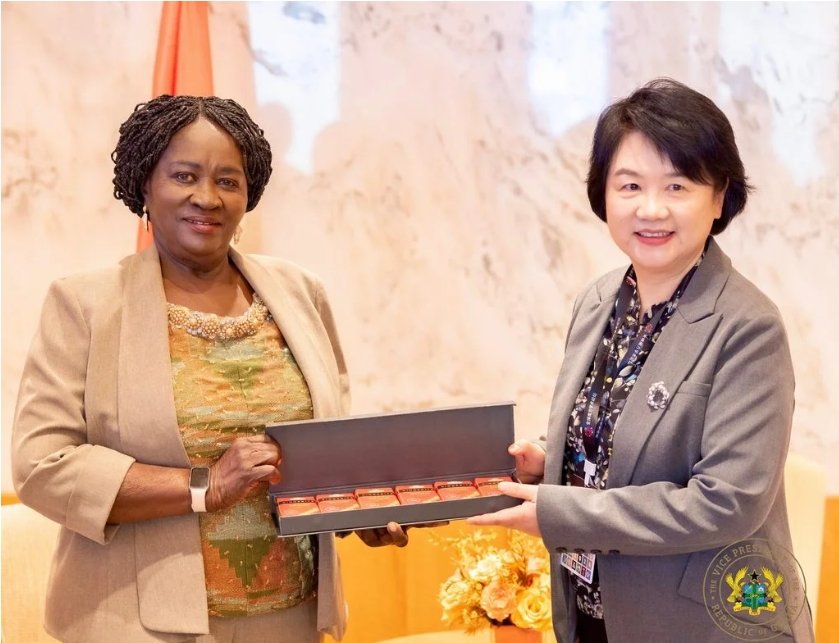
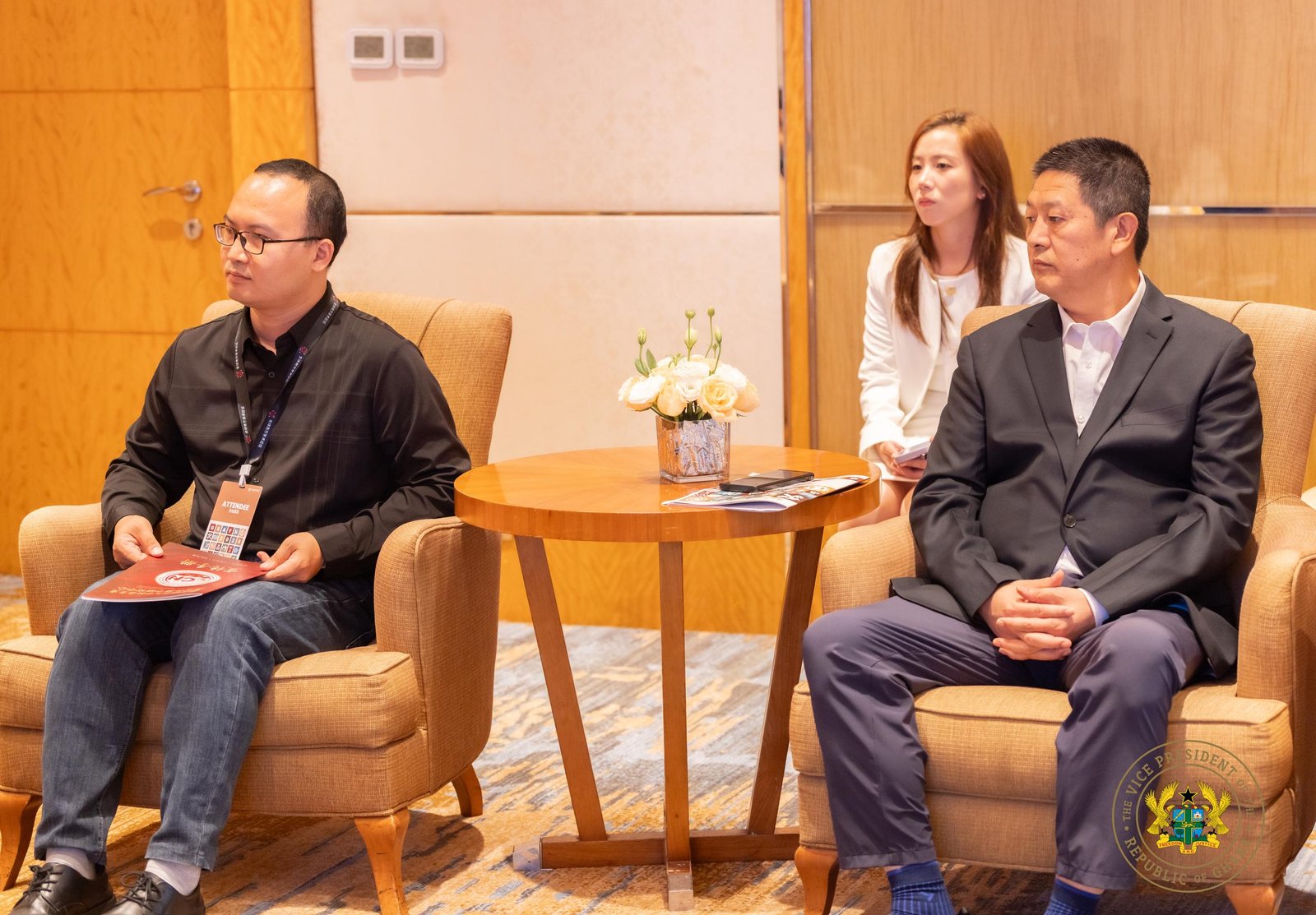
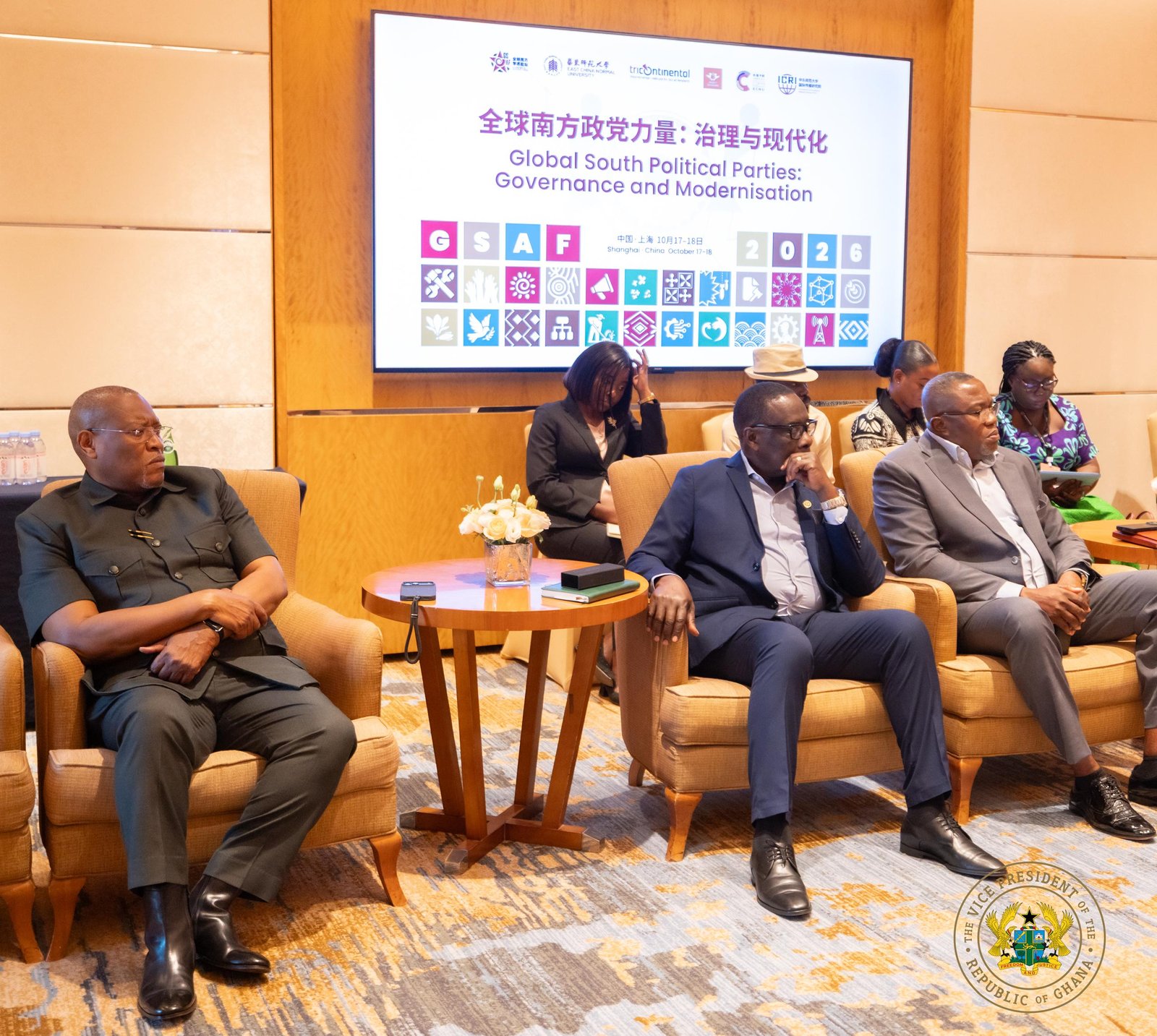
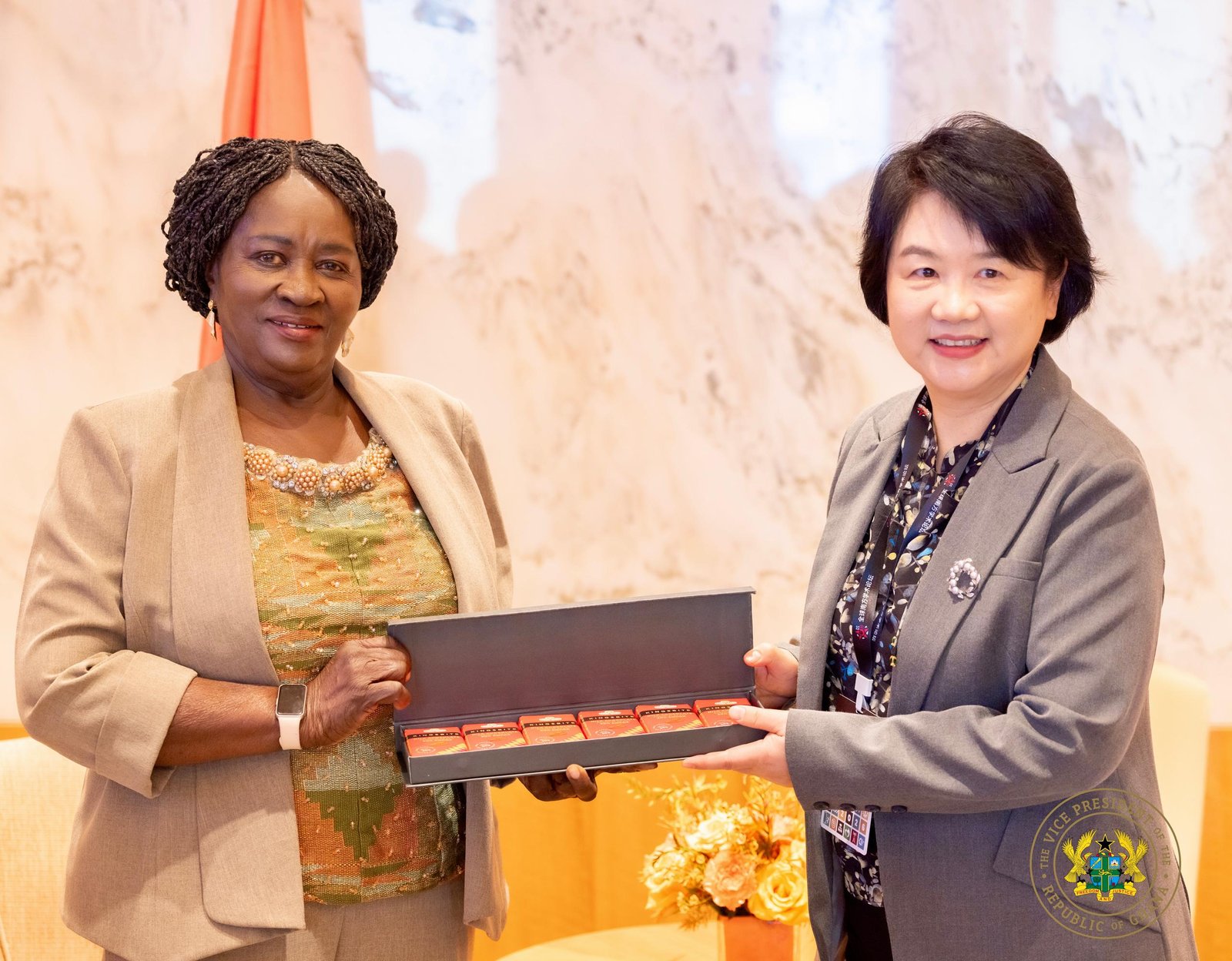
Vice President Professor Jane Naana Opoku-Agyemang has held high-level discussions with organisers of the 2026 Global South Academic Forum in Shanghai, seeking to draw lessons from China’s acclaimed rural revitalisation and poverty reduction drive.
The meeting, led by the Forum Chair, Professor Lu Xinyu, explored practical areas of cooperation and knowledge exchange between Ghana and China, with focus on community-driven development, fisheries and aquaculture, local governance, sports initiatives, and infrastructure development.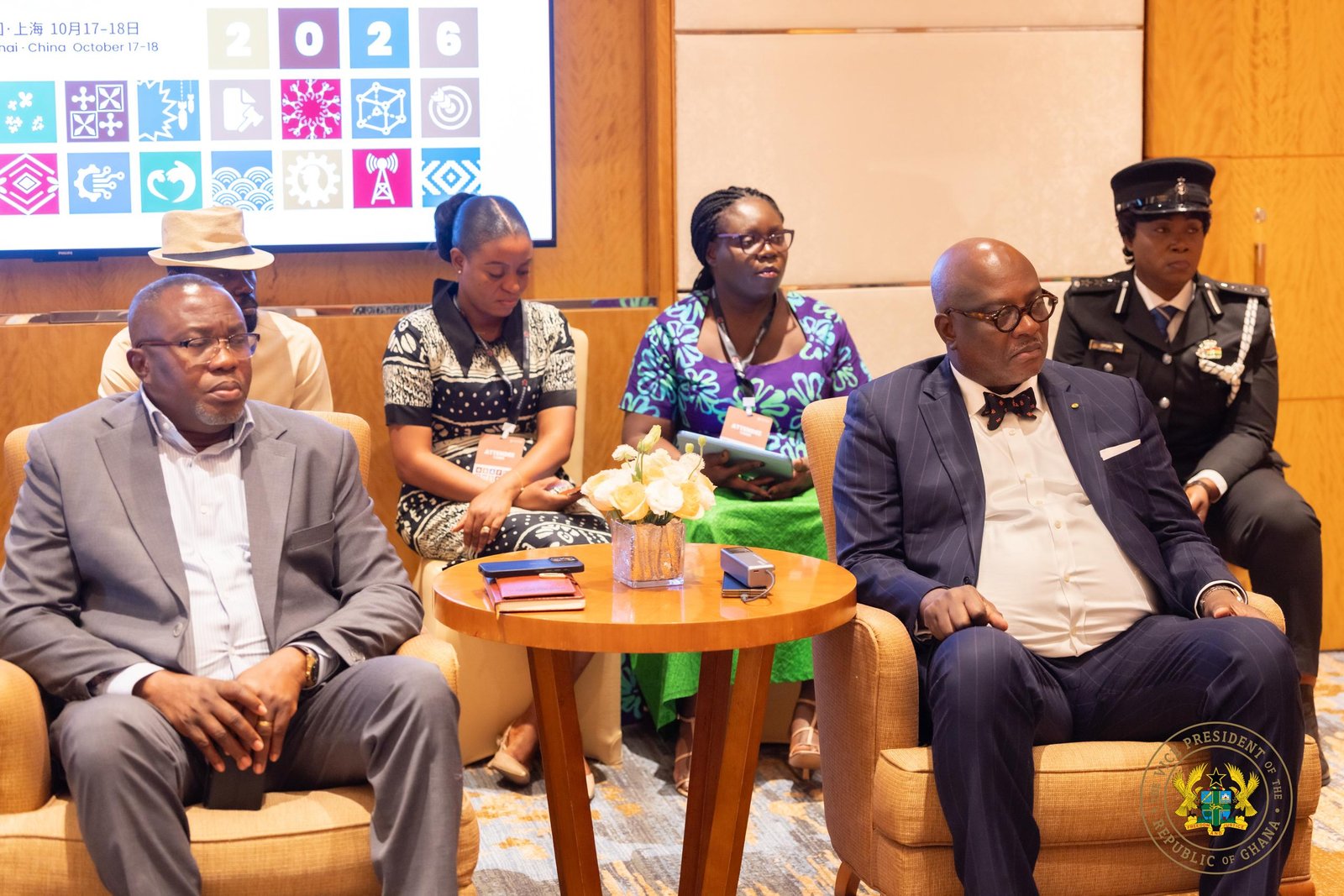
According to officials, the engagement is part of a broader effort by the Ghanaian government to study tested development models that can be adapted to the local context to promote inclusive growth, empower local communities, and improve livelihoods across the country.
China’s success in lifting over 800 million people out of poverty through targeted rural policies, investment in agriculture and local infrastructure has become a global reference point for developing nations.
The Vice President’s team says insights from the Forum will help inform policy direction, particularly in strengthening decentralised governance, boosting the fisheries and aquaculture sector, and investing in community-level infrastructure and youth sports development.
Professor Opoku-Agyemang is expected to continue engagements with academic and development institutions while in China.
By Edem Mensah-Tsotorme