Profile
Raising disciples, and families …Mission of Rev. Dr Kisseadoo’s Fruitful Ministry Int’l

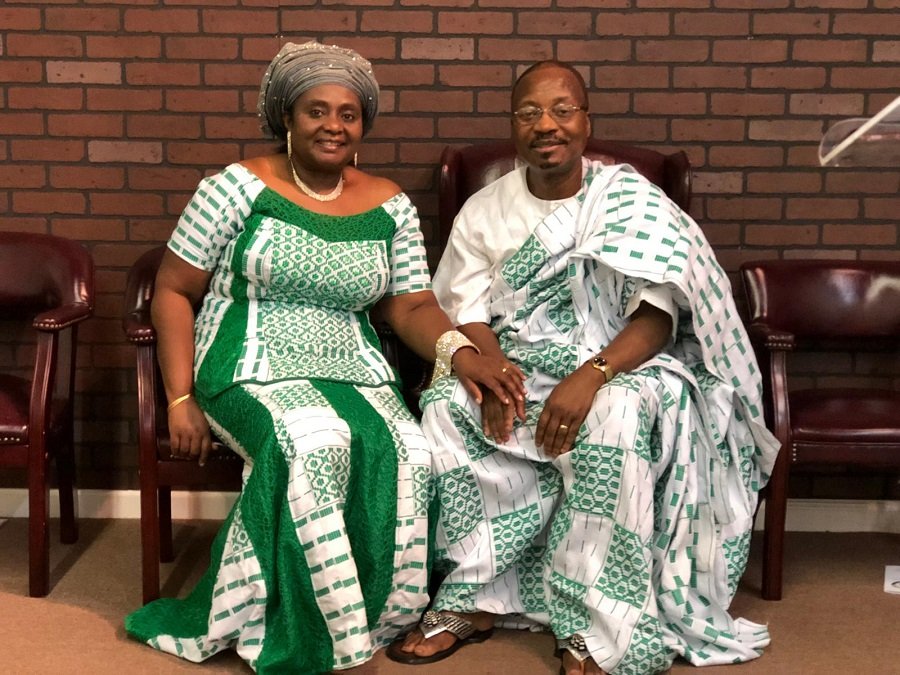
In Ghana’s Christian community and beyond, Rev. Dr Samuel Kisseadoo has become a household name for his practical teachings on marriage, parenting, and relationships.
For more than five decades, he has served as an Evangelist, Preacher, Writer, Counselor, and Teacher, raising a generation of believers whose lives bear testimony to his influence.
Born in Ghana, Dr Kisseadoo’s ministry journey began as early as 1969, during his secondary school days.
With a burden to share the gospel, he began preaching in schools, training colleges, fellowships, and churches across the country.
By the time he left for further studies abroad in 1993, he had already ministered in more than 85 secondary schools, witnessing mass conversions and altar calls.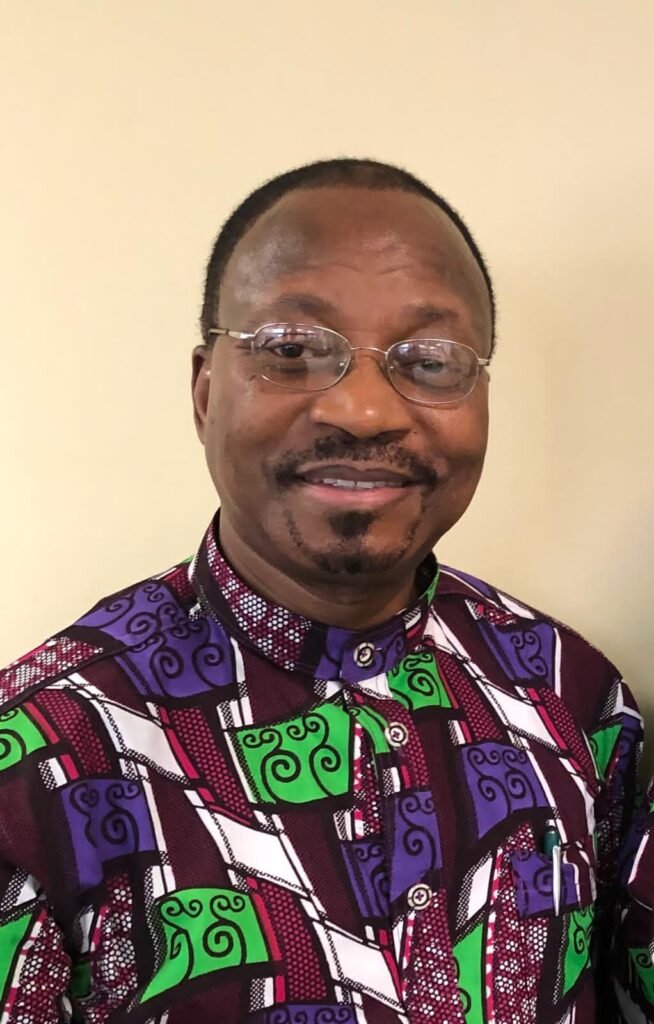
But as he recalls, his concern soon shifted. “I was getting fed up with too many decisions and few disciples,” he said, drawing inspiration from Acts 20:20, which emphasises both public proclamation and personal connection.
This principle-often referred to as the 20/20 vision of the church-shaped the foundation of his ministry: bold public teaching, paired with intimate discipleship through personal touch and attention.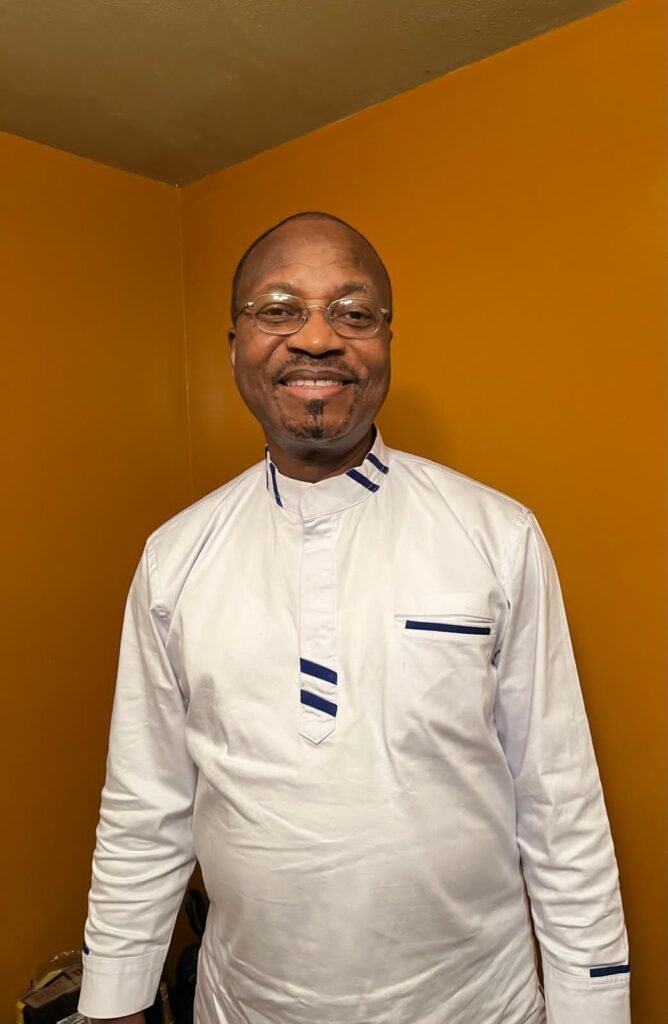
Dr Kisseadoo furthered his studies in the United States, earning his Ph.D. in New York in 1993. While in Holland and later America, he combined academic pursuits with active ministry, teaching and counseling both students and church groups.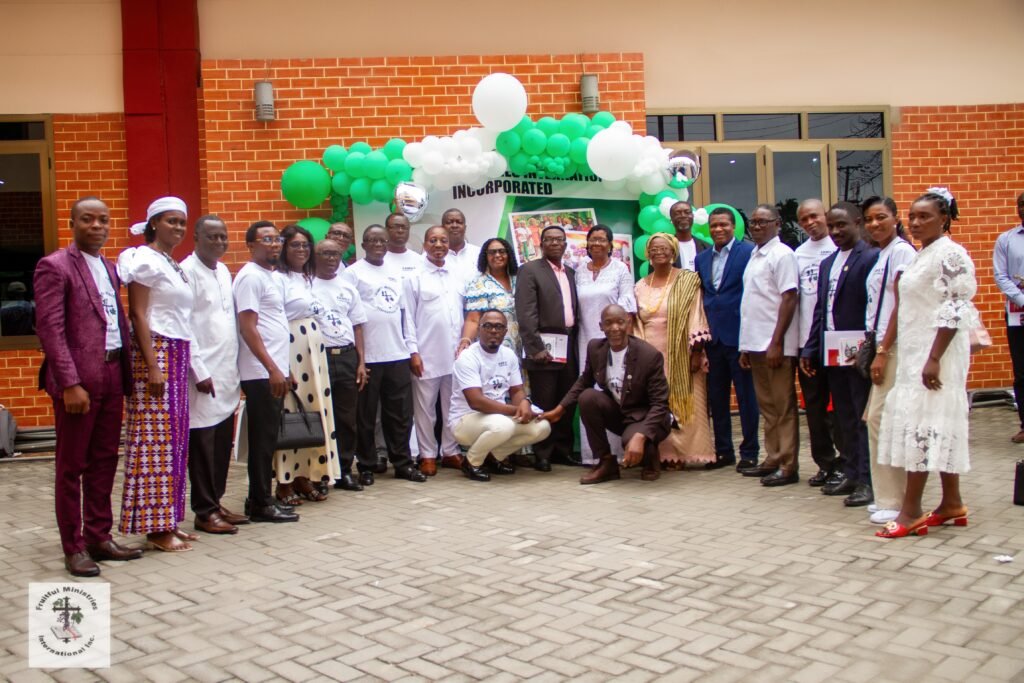
In 1994, after years of shaping lives abroad, he returned home to Ghana, where his ministry took on a national dimension.
In 1999, Dr Kisseadoo’s teachings on Joy FM-particularly his frank discussions on marriage, family, and relationships— drew national attention. His programme resonated deeply with listeners, sparking requests for organised teachings and counseling sessions.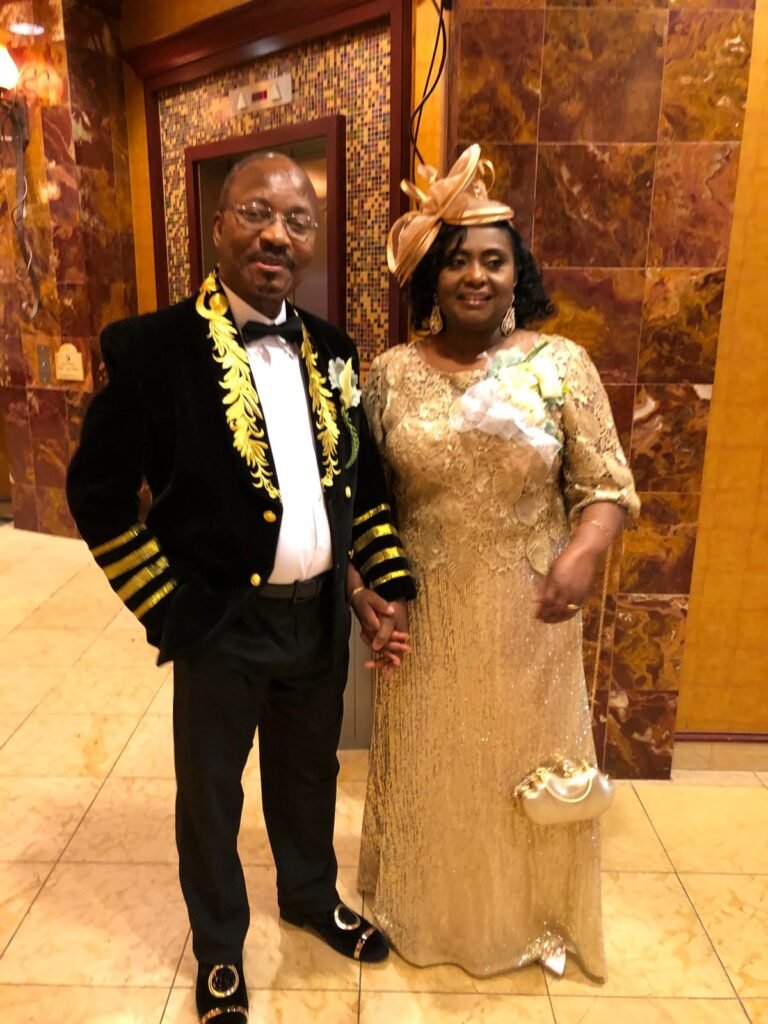
Speaking to The Spectator in an Accra, he said this led to the founding of Fruitful Ministries International, which was officially inaugurated on December 30, 2000, with over 400 participants in attendance despite Accra being choked with jubilant crowds celebrating the election of President John Agyekum Kufuor that same day.
He mentioned that Fruitful Ministries quickly grew into an international organisation, with 21 chapters in Ghana and abroad, structured around five objectives: evangelism, discipleship, prayer and empowerment, leadership development, family, marriage, and relationships.
Its motto, “Family Excellence,” and its theme verse, John 15:16-“I chose you to go and bear fruit that abides”-reflect its central vision: to nurture strong families that produce lasting impact.
“Today the ministry operates in two major zones- the southern zone with 13 chapters and the northern zone with 12 chapters with 36 platforms, ensuring its impact continues to multiply,” he said.
Dr Kisseadoo’s passion for family life and women’s empowerment is rooted in his upbringing. Losing his father at 12, he was raised by a devoted single mother whose resilience left a lasting imprint. “If I had GH¢100 in school, the first thing I would do was buy a gift for my mother,” he recalls.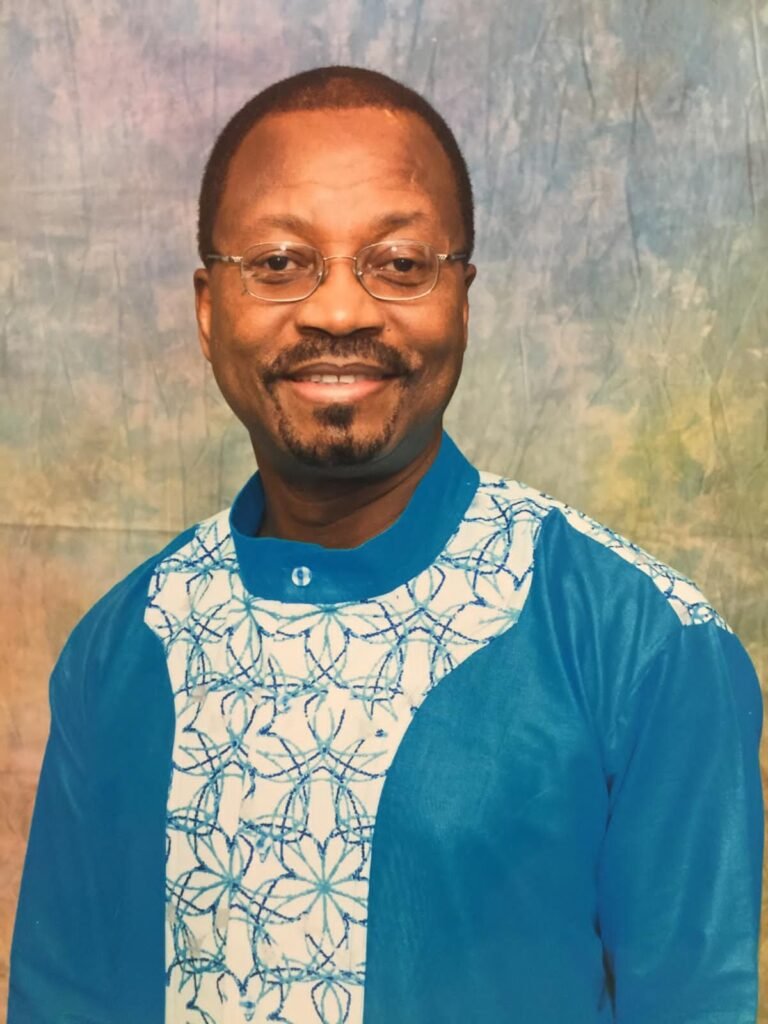
That love and compassion deepened during his campus ministry days at the Kwame Nkrumah University of Science and Technology (KNUST), where he frequently ministered to female students.
His early experiences convinced him that strengthening women, mothers, and families was vital to building a healthier society. “When God came to save humanity, He went to Mary, not Joseph,” he often says, underscoring women’s unique role in nurturing life.
Through initiatives like the Fruitful Ministries Club at Accra Girls Senior High School, hundreds of young women have been trained since 2006 in excellence, character, and preparation for future motherhood and leadership. Graduating students are awarded certificates, affirming their transformation into future pillars of society.
For more than two decades, Dr Kisseadoo has hosted “Hope for Your Family” on Joy 99.7 FM, airing every Saturday morning at 5:30 a.m.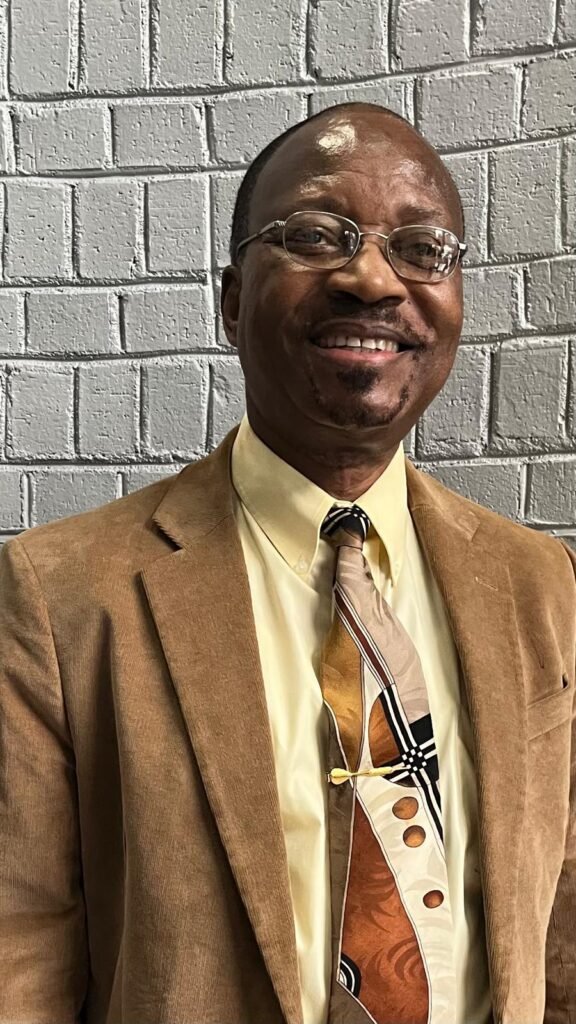
The broadcast has become a lifeline for families seeking guidance on marriage, parenting, and personal development.
He is also a prolific author, having published 32 books covering topics from discipleship to marriage and conflict resolution. His articles have appeared in both local and international publications, extending his reach far beyond the pulpit.
Whether speaking to large crowds, counseling couples, or addressing young people, Dr Kisseadoo’s teachings remain practical and down-to-earth.
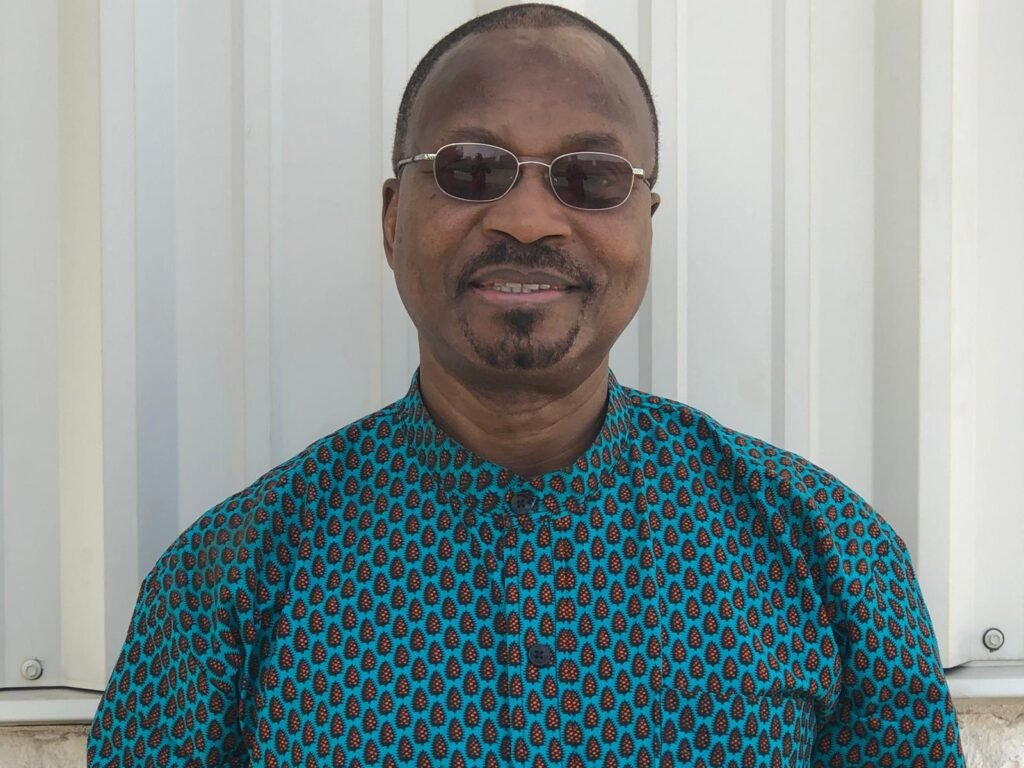
He tackles sensitive issues like sexuality, financial management in marriage, conflict resolution, and parenting with courage and clarity.
“No matter who you are, everything comes back to the home,” he insists. “Your lifestyle at home defines the person you present to the world,” Rev Kisseadoo stated.
He mentioned that despite its growth, Fruitful Ministries faces ongoing challenges. From limited office space to resource constraints, sustaining its operations has not been easy.
According to him, there is also the misconception that, because its founder resides in the United States of America (USA), the ministry was well-funded-a notion far from reality. Recruiting and retaining committed workers has also proven difficult.
But Dr Kisseadoo remains undeterred. “We don’t just want people to go to heaven, we want them to be useful on earth as well,” he said.
Today, Rev. Dr Samuel Kisseadoo is celebrated not only as a preacher but also as a mentor, writer, and counselor whose ministry has raised disciples, leaders, and families across Ghana and the diaspora.
By Esinam Jemima Kuatsinu



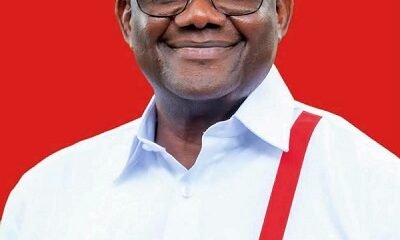



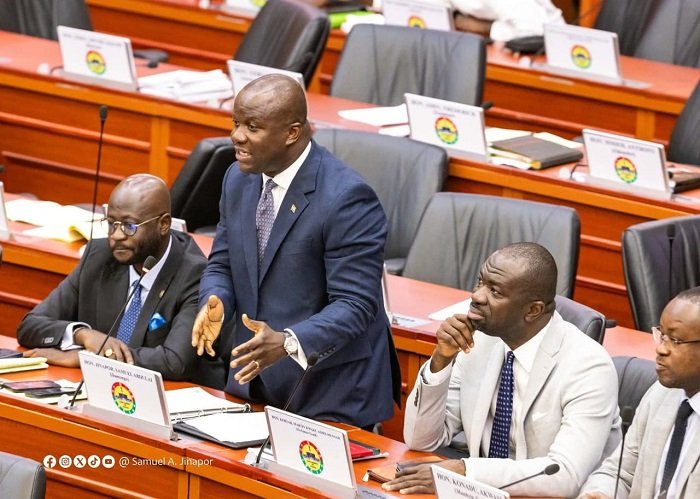
The Member of Parliament for Damongo and former Minister for Lands and Natural Resources, Samuel Abu Jinapor, has called for stronger environmental legislation to enable African countries to fully benefit from nature-based solutions while building climate resilience, creating jobs and promoting sustainable economic growth.
He said although several African countries, including Ghana, had made significant progress in developing policies to protect the environment and promote carbon markets, stronger legal backing was needed to ensure their long-term implementation and attract greater investment.
Mr. Jinapor made the call during a panel discussion at a public lecture organised by the Research and Innovation Directorate (RID) of the University of Ghana and the Africa Centre for Nature-Based Climate Action (AC4NCA) to commemorate the 2026 Day of Scientific Renaissance of Africa (DSRA) at the Cedi Conference Centre of the university on Tuesday.
Speaking on the theme, “Africa at a Crossroads: Can Nature-Based Solutions Deliver Climate Resilience, Jobs, Equity and Justice?”, Mr. Jinapor stressed that research should not remain in academic journals but must influence public policy and national development.
He said research should also be linked to business and financing so that scientific discoveries could be transformed into practical solutions that improved livelihoods and generated economic value.
According to him, governments across Africa must demonstrate political commitment by establishing policies and regulatory systems that would enable their countries to benefit from the growing global market for nature-based solutions.
Mr. Jinapor said Ghana had already taken important steps by developing a national framework for carbon trading, creating opportunities for communities to benefit financially from environmental conservation.
He disclosed that the country had successfully distributed about five million dollars through a benefit-sharing arrangement under its carbon market programme to support local communities and researchers.
The former Lands and Natural Resources Minister also highlighted Ghana’s achievements in responsible forest management, noting that the country was among the first in the world, alongside Indonesia, to issue Forest Law Enforcement, Governance and Trade (FLEGT) licences for legally sourced timber exported to international markets.
He said successive governments had continued to strengthen environmental policies and expand certified forest resources to meet international standards.
Contributing to the discussion, the Regional Director for West and Central Africa of the International Union for Conservation of Nature (IUCN), Mr. Balla Moussa Sidibé, said Africa’s future depended on protecting and restoring nature rather than exploiting it for short-term economic gains.
He described climate change as one of the continent’s biggest development challenges, affecting agriculture, food security, water resources, livelihoods and economic growth.
According to him, forests, wetlands, mangroves and healthy soils were strategic natural assets capable of reducing climate risks, improving food security and creating sustainable jobs if properly managed.
Mr. Sidibé cited the Congo Basin as one of the world’s most important ecosystems because of its role in storing carbon, conserving biodiversity and regulating rainfall, saying its protection was critical not only for Africa but for the global climate.
He called for increased investment in ecosystem restoration, sustainable agriculture, ecotourism and other green sectors to create employment opportunities, particularly for young people.
Other panelists called for stronger collaboration among universities, governments and research institutions across Africa, arguing that countries facing similar environmental challenges should share knowledge and expertise instead of working in isolation.
They also stressed the need for trust, transparency and fairness in research partnerships to ensure the benefits of collaboration were shared equitably.
Touching on Monday’s floods in parts of Accra, the panelists said years of wetland destruction and poor land-use planning had significantly worsened flooding in the capital.
They explained that wetlands such as the Densu Delta and Sakumo Ramsar sites naturally absorb floodwaters and protect biodiversity but had come under increasing pressure from encroachment and degradation.
The Director of the Research and Innovation Directorate of the University of Ghana, Professor David Dodoo-Arhin, said the Day of Scientific Renaissance of Africa had become an important platform for promoting research, innovation and partnerships that addressed Africa’s development challenges.
He urged government, industry and academia to deepen collaboration to ensure research produced practical solutions that improved livelihoods and supported sustainable development.
He urged African governments to invest more in nature-based solutions, strengthen environmental laws and translate research into practical policies capable of building climate-resilient, inclusive and sustainable economies for future generations.
By: Jacob Aggrey
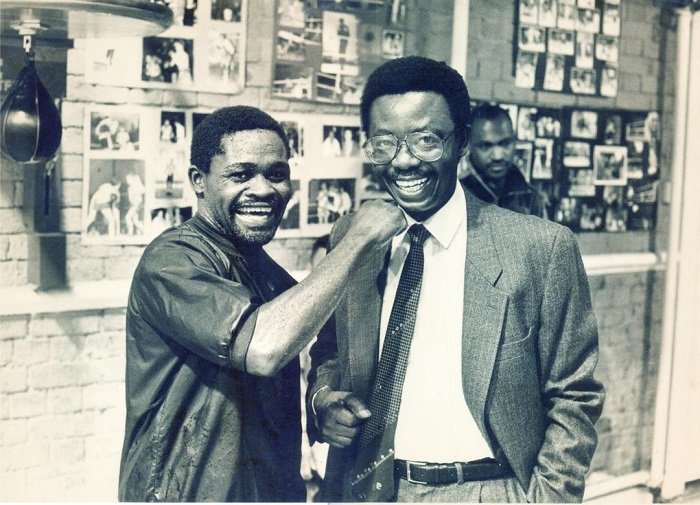
When discussions arise about people who have shaped Ghana boxing, the names of world champions like Azumah Nelson, Ike Quartey, Joshua Clottey, Joseph Agbeko and Isaac Dogbe often dominate the conservation,
Yet behind these celebrated boxers, stands a man whose contribution to the sport has been profound, enduring and largely selfless. This man is Ambassador Ray Quarcoo.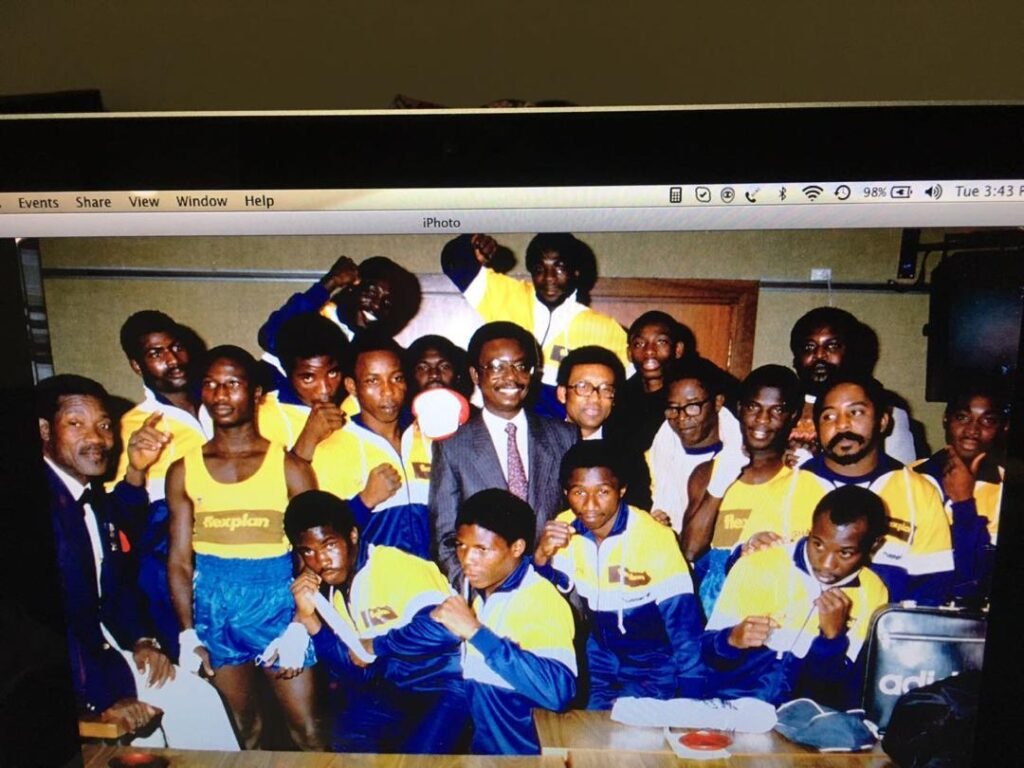
A businessman, sports administrator, philanthropist and mentor, Ambassador Quarcoo has dedicated much of his life to the development of sports in Ghana, particularly boxing.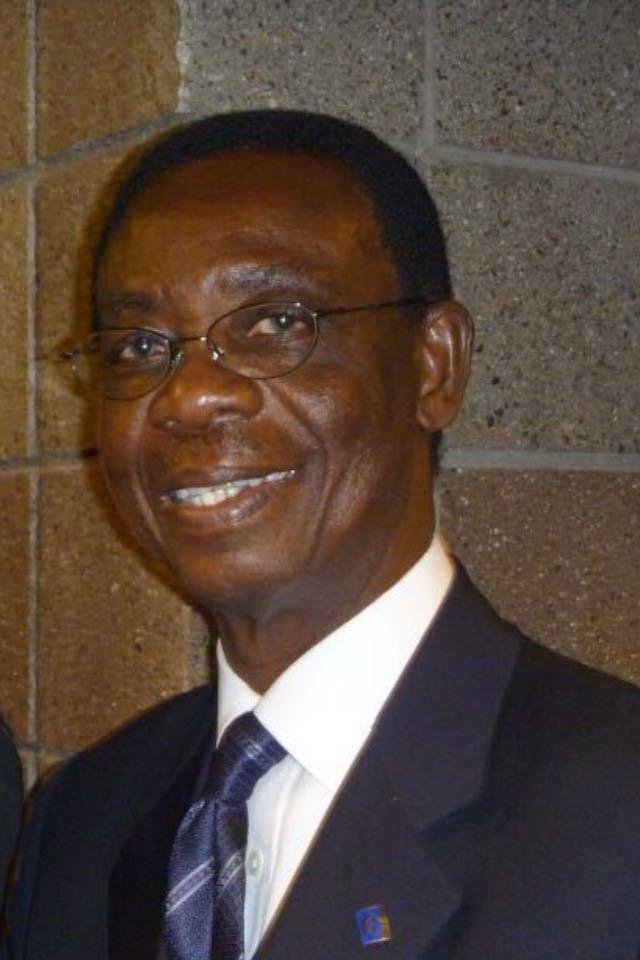
His contribution spans several decades and cuts across athlete development, administration, infrastructure, international relations and sports journalism.
He has spent decades working quietly behind the scenes, identifying talent, mentoring young athletes, building institutions and investing his personal resources to ensure that Ghana’s rich boxing tradition remains alive
Today, his legacy remains firmly woven into the fabric of Ghana sports, particularly boxing, where his influence has helped shape generations of champions and inspired countless young athletes.
Though he has stepped away from active sports administration, Ambassador Quarcoo remains deeply interested in the progress of Ghana sports.
His passion for sports is rooted in a lifetime of service and sacrifice. As President of the Ghana Amateur Boxing Federation (GABF) on two separate occasions and later Vice-President of the Ghana Boxing Authority (GBA), he played a central role in strengthening the structures of boxing administration in the country.
Under his leadership, the GABF introduced international exchange programmes with countries such as Britain, the United States and Azerbaijan, giving Ghanaian boxers valuable international exposure.
His influence extended beyond Ghana as an executive member of the International Boxing Association (IBA), formerly AIBA, while he also served as a management member of the Black Stars.
However, it is his role as a mentor and benefactor that has earned him the admiration of generations of athletes.
Former WBA welterweight world champion Ike “Bazooka” Quartey describes him as one of the most influential figures in the lives of many Ghanaian boxers.
According to Quartey, Ambassador Quarcoo paid the school fees of Joshua and Emmanuel Clottey and provided them with accommodation because he believed they possessed the qualities required to become world champions.
His conviction was that young athletes needed both education and discipline to succeed on the world stage.
The investment paid off as Joshua Clottey eventually rose to become an IBF Welterweight World Champion and one of Ghana’s most respected boxing figures.
Veteran sports broadcaster Nathaniel Attoh recalls witnessing Joshua Clottey’s deep appreciation for Ambassador Quarcoo.
Following his world title triumph, Clottey personally visited Ambassador Quarcoo to thank him for the support, guidance and opportunities he had received during his formative years.
The Clottey brothers were only part of a long list of athletes whose careers were positively impacted by Ambassador Quarcoo.
His keen eye for talent led him to identify and support several promising boxers long before they became stars.
Among them were former WBO world champion Isaac Dogboe, Olympian Norris Thompson and British-Ghanaian boxing sensation Joshua Buatsi.
Attoh recalls a memorable telephone conversation in which Ambassador Quarcoo confidently predicted that two young boxers he had discovered would one day become world beaters. Those young athletes were Isaac Dogboe and Joshua Buatsi.
Today, Dogboe has established himself as a former world champion, while Buatsi has become one of the most accomplished boxers of his generation.
One of the defining moments of Ambassador Quarcoo’s administrative career came ahead of the London 2012 Olympic Games.
Despite facing criticism and opposition, he stood firmly behind Isaac Dogboe because he recognised the young boxer’s exceptional potential.
According to Attoh, his decision came at considerable personal cost, yet he remained unwavering in his conviction that Dogboe would justify his faith.
His willingness to place principle above personal interest remains one of the many examples of his commitment to athlete development.
Former Black Bombers captain and assistant national coach Kwame Asante recalls how Ambassador Quarcoo sponsored Ghanaian boxing contingents to international competitions and helped facilitate opportunities for coaches and athletes to further their training abroad.
Asante himself benefited from Ambassador Quarcoo’s intervention when he pursued advanced coaching education in Germany. According to him, Ambassador Quarcoo’s passion for boxing was unmatched.
“He was always present wherever boxing was taking place, whether locally or internationally, he supported the sport wholeheartedly,” Asante stated.
His love for grassroots boxing became legendary. Many remember how he regularly travelled across Accra on weekends simply to watch juvenile boxing contests, particularly at the famous Wato Club. Young boxers eagerly anticipated his visits because they came not only with encouragement but often practical assistance and mentorship.
His contribution to boxing infrastructure is equally significant. Ambassador Quarcoo facilitated and financed the establishment of several boxing clubs and gyms in Bukom, including the Black Panther and Panix gyms. These facilities became important breeding grounds for young talents and contributed significantly to Ghana’s boxing success story.
Beyond boxing, Ambassador Quarcoo has also been a steadfast supporter of sports journalism. As a Lifetime Patron of the Sports Writers Association of Ghana (SWAG), he has supported journalists and contributed immensely to preserving Ghana’s sporting history.
His efforts have earned him numerous honours, including recognition from the Ghana Olympic Committee for supporting Ghana’s participation in the Olympic Games and various awards from sporting bodies in appreciation of his service.
Yet those who know him best insist that his greatest achievement lies not in the awards he has received but in the lives he has transformed.
Until his appointment as Goodwill Sports, Ambassador in 2011, he has held several sports administrative positions in the country including the following, President Ghana Boxing Federation 2010-2014, First Vice Chairman Ghana Boxing Authority, Vice Chairman Ghana Black Stars Welfare Committee 1991-1993, Life Patron, Ghana Olympic Committee, Life patron sports writers association of Ghana, Executive Committee Member African Boxing confederation and Patron-African Confederation of Handball.
Ambassador Emmanuel Ray Quarcoo was also in 2013 was appointed as Honorary Consul General of Haiti to Ghana with Exequatur on 25th October 2013.
By Esinam Jemima Kuatsinui