News
Police arrest 41 in joint operation against illegal forex trade


The Criminal Investigation Department of the Ghana Police Service has arrested 41 people in a joint operation with the Bank of Ghana to clamp down on illegal foreign exchange trading in parts of Accra.
The suspects, made up of Ghanaians, Togolese, Beninese and Nigeriens, were picked up on 9 December 2025 during operations at Tudu, Kwame Nkrumah Circle, Airport and Osu.
Police recovered more than GHS 1.2 million, CFA 100,000, over NGN 3.3 million including amounts on an electronic money point machine and USD 5,105.
The Police noted that this is part of an ongoing nationwide crackdown on illegal forex trading, which began in August 2025. So far, 90 suspects have been arrested across the country.
Thirteen have already been charged and put before the Accra Circuit Court, while investigations continue into the remaining cases.
A similar operation carried out on 20 November at Osu Oxford Street and Kwame Nkrumah Circle also led to the arrest of 28 people.
They were granted police inquiry bail as investigations continue. Various amounts of Ghana cedis and foreign currencies were seized during that exercise.
The Police said all recovered cash has been secured and sent to the Bank of Ghana for safekeeping.
They reminded the public to conduct foreign exchange transactions only through licensed banks and authorized institutions, warning that offenders will be arrested and prosecuted.
The Service expressed appreciation to the Bank of Ghana for its continuous support in efforts to eliminate illegal forex activities.
By: Jacob Aggrey








News
Education Minister announces two-year BECE ban for JHS 1 and 2 students who write exams ahead of schedule
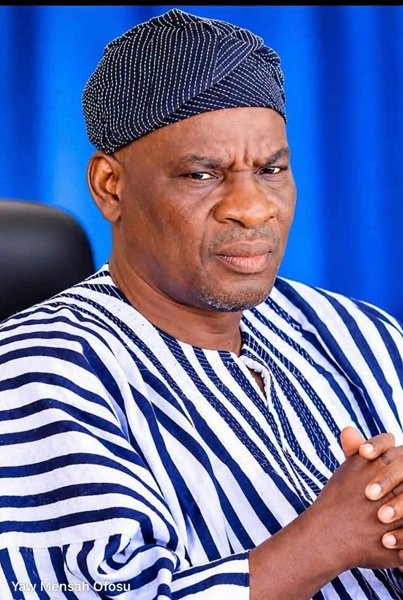
The Minister for Education, Haruna Iddrisu, has announced a two-year ban for students in Junior High School (JHS) 1 and 2 who attempt to write the Basic Education Certificate Examination (BECE) ahead of their scheduled year.
The minister said the directive takes immediate effect and is aimed at preventing students from advancing to JHS 3 before completing the required period of basic education.
Speaking during National Education Week, Mr Iddrisu directed the Director-General of the Ghana Education Service (GES) to ensure that all regional directors and headteachers are informed about the new directive and enforce it.
Mr Iddrisu explained that the decision was necessary to instil discipline in the education system and allow authorities to plan effectively for the number of candidates expected to complete basic education and sit for the BECE each year.
According to him, the practice of allowing some pupils to skip academic levels to write the examination earlier creates difficulties for education authorities in determining the actual number of students expected to graduate from basic school annually.
He expressed concern about parents who encourage their children to move ahead of their classmates and write the examination before the appropriate time.
The minister argued that such a practice undermines fairness and equal opportunities among pupils, stressing that children should follow the approved academic progression rather than being pushed to complete their education ahead of others.
“Some parents want to force their children to go ahead of others. That is not equity,” he stated.
By: Jacob Aggrey
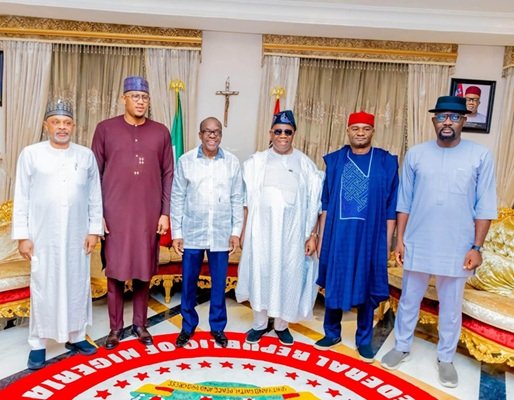
Ghana’s High Commissioner to Nigeria, H.E. Baba Sadiq Abdulai Abu, has accompanied the Speaker of Ghana’s Parliament, Rt. Hon. Alban Sumana Kingsford Bagbin, on a courtesy visit to the President of Nigeria’s Senate, H.E. Senator Godswill Akpabio.
The visit, described as a powerful demonstration of Ghana-Nigeria solidarity and shared democratic values, reaffirmed the historic bonds between the two countries and the importance of sustained parliamentary diplomacy.
Speaker Bagbin, who is also Chairman of the Conference of Speakers and Presidents of African Legislatures (CoSPAL), and Senator Akpabio discussed ways of strengthening democratic governance, deepening bilateral relations, and expanding economic cooperation.
Both leaders underscored the responsibility of political institutions to protect democracy, restore public confidence in governance, and promote peaceful political processes across West Africa.
By Edem Mensah-Tsotorme