News
Nausea: A comprehensive review of causes, symptoms, diagnosis, and treatment options

Nausea is a common and debilitating symptom that affects millions of people worldwide. It is a subjective feeling of discomfort or unease in the stomach, often accompanied by a sensation of queasiness or vomiting. Nausea can be acute or chronic, and its causes can range from mild to life-threatening. In this article, we will provide a comprehensive review of nausea, including its causes, symptoms, diagnosis, and treatment options.
Causes of Nausea
Nausea can be caused by a wide range of factors, including:
1. Gastrointestinal Disorders: Conditions such as gastroesophageal reflux disease (GERD), irritable bowel syndrome (IBS), and inflammatory bowel disease (IBD) can cause nausea.
2. Infections: Viral, bacterial, and parasitic infections, such as food poisoning, stomach flu, and malaria, can cause nausea.
3. Medications: Certain medications, such as antibiotics, painkillers, and chemotherapy, can cause nausea as a side effect.
4. Hormonal Changes: Hormonal fluctuations during pregnancy, menstruation, and menopause can cause nausea.
5. Motion Sickness: Travelling by car, boat, or plane can cause motion sickness, leading to nausea.
6. Anxiety and Stress: Anxiety and stress can cause nausea, especially in people with a history of anxiety disorders.
7. Neurological Disorders: Conditions such as migraines, multiple sclerosis, and Parkinson’s disease can cause nausea.
8. Cancer and Chemotherapy: Cancer and chemotherapy can cause nausea, especially in the first few days after treatment.
Symptoms of Nausea
The symptoms of nausea can vary from person to person, but common symptoms include:
1. Feeling of Queasiness: A feeling of unease or discomfort in the stomach.
2. Vomiting: Forceful expulsion of stomach contents.
3. Dizziness and Lightheadedness: Feeling faint or dizzy.
4. Abdominal Pain: Pain or discomfort in the abdomen.
5. Loss of Appetite: Decreased interest in food.
6. Fatigue: Feeling tired or weak.
7. Headaches: Headaches can occur due to dehydration or stress.
Diagnosis of Nausea
Diagnosing nausea can be challenging, as it can be caused by a wide range of factors. A healthcare professional will typically:
1. Take a medical history: Ask questions about symptoms, medical history, and lifestyle.
2. Perform a physical exam: Check for signs of dehydration, abdominal tenderness, and other physical symptoms.
3. Order diagnostic tests: Run tests to rule out underlying conditions, such as blood tests, imaging studies, or endoscopy.
Treatment options for nausea
Treatment options for nausea depend on the underlying cause, but common treatments include:
1. Medications: Anti-nausea medications, such as ondansetron, metoclopramide, or promethazine.
2. Lifestyle Changes: Avoiding triggers, eating small meals, staying hydrated, and getting plenty of rest.
3. Alternative Therapies: Acupuncture, acupressure, or herbal remedies, such as ginger or peppermint oil.
4. Dietary Changes: Avoiding spicy, fatty, or heavy foods, and eating bland foods, such as crackers or toast.
Conclusion
Nausea is a common and debilitating symptom that can be caused by a wide range of factors. Understanding the causes, symptoms, diagnosis, and treatment options for nausea can help healthcare professionals provide effective care and relief for patients. By recognising the complexity of nausea and taking a comprehensive approach to diagnosis and treatment, we can improve patient outcomes and quality of life.


Minister for the Interior, Mubarak Mohammed Muntaka, has confirmed that former Chief Executive Officer of the Microfinance and Small Loans Centre (MASLOC), Sedina Tamakloe Attionu, is in prison and serving her jail term.
Speaking in an interview on Joy news, Mr. Muntaka dismissed claims that the former MASLOC boss was being held in a private location.
He said she has been in the custody of the state since she returned to Ghana.
“From the day Sedina came, she has been with us, and she’s serving her time,” he said.
The minister explained that the public is not usually told the specific prison where inmates, especially high-profile persons, are being held for security reasons.
He said even judges who sentence offenders do not necessarily know the specific prison where they are sent.
“If you want to visit her, you can write to the Prisons Service. They will talk to her, and if she is interested in you coming, she will let you come,” Mr. Muntaka stated.
According to him, disclosing the location of high-profile inmates could put their lives at risk, adding that some developed countries also keep such information confidential for security purposes.
His comments come amid public speculation over the whereabouts of Ms. Tamakloe Attionu following reports that she had returned to Ghana to begin serving her prison sentence.
By: Jacob Aggrey
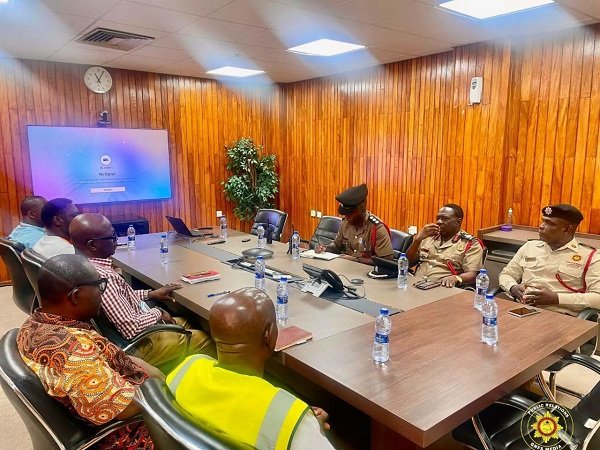
The Western Regional Commander of the Ghana National Fire Service (GNFS), ACFO I Cecil Addo, has completed a familiarization tour of major corporate and industrial institutions across the Western Region to strengthen partnerships and enhance fire safety preparedness.
The tour covered key organizations including the Bank of Ghana, GOIL PLC, Ghanstock, Western Terminals, Zen Terminal, Keda Ceramics, Takoradi International Company (TICO), Volta River Authority (VRA), Harlequin Oil and Gas, and Western Serene Atlantic Hotel.
During the engagements, the Regional Commander encouraged management of the institutions to prioritize proactive fire prevention measures by incorporating strict safety protocols into their daily operations.
Discussions also focused on improving fire readiness and strengthening collaboration between GNFS and the corporate sector.
As part of the initiative, GNFS presented firefighting equipment, including Carbon Dioxide (CO2) and Dry Chemical Powder (DCP) extinguishers, as well as Fire Extinguishing Balls, to support workplace safety.
The institutions expressed appreciation for the outreach and pledged to support regular safety audits, joint emergency drills, and potential Corporate Social Responsibility (CSR) partnerships with the Service.

 News7 days ago
FSD Africa, others launch Green Project Preparation Facility to unlock investment in climate infrastructure in Ghana
- News7 days ago
Merck Foundation holds 13th Africa Asia Luminary with 12 First Ladies to advance healthcare capacity across Africa and Asia
- News7 days ago
Bryan Acheampong calls for unity, urges Kennedy Agyapong to support Dr. Bawumia