News
Hundreds walk to create awareness on cancer

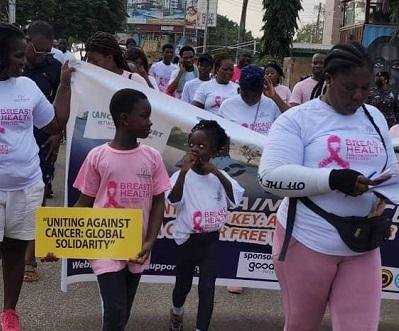
A section of the participants at the walk
Hundreds of cancer survivors embarked on a walk in some parts of Accra to raise awareness on the disease and its effects on victims and their relatives.
The event, organised by the Cancer Support Network Foundation (CSNF), commenced from the Accra Girls Senior High School near the 37 Military Hospital, winding its way through major streets in the area.
Participants actively engaged in the cause by displaying placards bearing inspirational messages, emphasising the urgent need to combat cancer.
This collective effort was not confined to the streets, as street vendors and drivers stuck in traffic were handed informational flyers detailing crucial facts about cancer.
The outreach extended to fuel attendants along the streets, ensuring that even those outside the immediate walking path were educated about the significance of cancer awareness.
This holistic approach aligns with the CSNF’s broader mission to disseminate knowledge and foster a culture of understanding regarding the disease.
The initiative, part of the NGO’s activities in observance of World Cancer Awareness Month, held annually in February, garnered appreciation from participants and onlookers alike.
The President of the CSNF, Mr Akwesi Osei Owusu, expressed gratitude to everyone who joined hands to make the day impactful.
He reserved special appreciation for the founder of the NGO, Dr Juliet Appiah Quansah, a Medical Oncologist whose unwavering commitment has been pivotal in supporting cancer patients in Ghana, especially those facing financial barriers to treatment.
During the event, Ms Raissa Sambou, an executive member of the CSNF, touched on the importance of taking cancer screening seriously.
Drawing from her personal experience as a cancer survivor, Ms Sambou mentioned the significance of early detection in effective treatment.
She also urged the public not to wait until it was too late, as delaying diagnosis could worsen the condition and reduce the likelihood of successful treatment.
Ms. Sambou called on the Ghana Health Service (GHS) to adopt a preventive approach in dealing with cancer, advocating for increased access to screening and treatment centers across the nation, especially in rural communities.
Her plea was rooted in the belief that enhancing accessibility would ultimately contribute to saving lives and reducing the impact of cancer on individuals and communities.
BY Raissa Sambou


The Ghana Health Service (GHS) will undertake a nationwide Human Papillomavirus (HPV) vaccination exercise in schools from October to December 2026 to protect eligible girls against cervical cancer and other HPV related diseases.
The exercise, organised in collaboration with the Ghana Education Service (GES) and its partners through the School Health Education Programme (SHEP), will be conducted in two rounds.
The first round is scheduled for October 19 to 23, 2026, while the second will take place from November 30 to December 4, 2026.
In a press release dated October 19, the GHS explained that health workers would visit schools across the country to vaccinate eligible girls aged 9 to 14 who have not yet received the HPV vaccine.
The exercise forms part of efforts to raise awareness about the routine HPV vaccine, increase vaccination uptake and strengthen the country’s routine immunisation programme.
The GHS has called on school authorities, parents, guardians, teachers and community leaders to cooperate with health teams to ensure the successful implementation of the exercise.
The Service reaffirmed its commitment to protecting the health and well-being of Ghanaians, particularly children, through vaccination and other public health interventions.
By: Jacob Aggrey
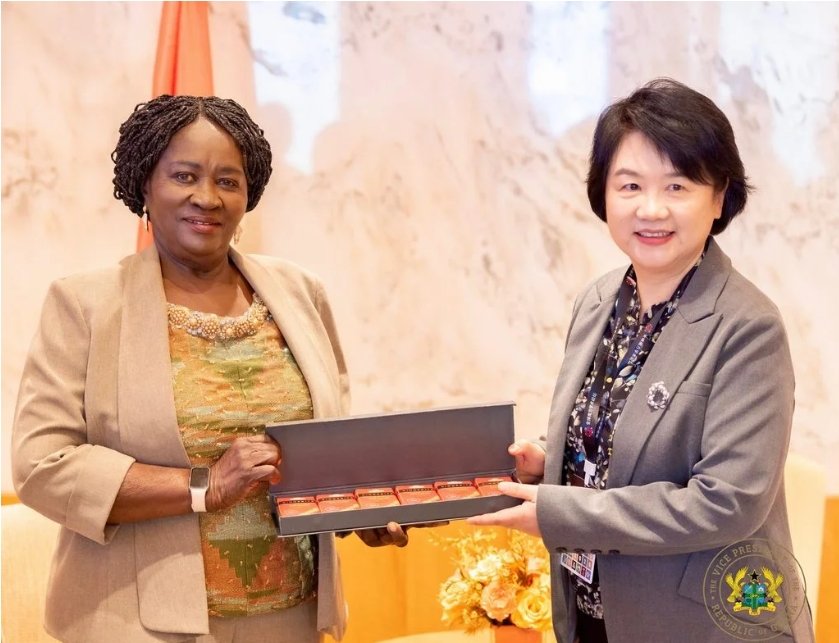
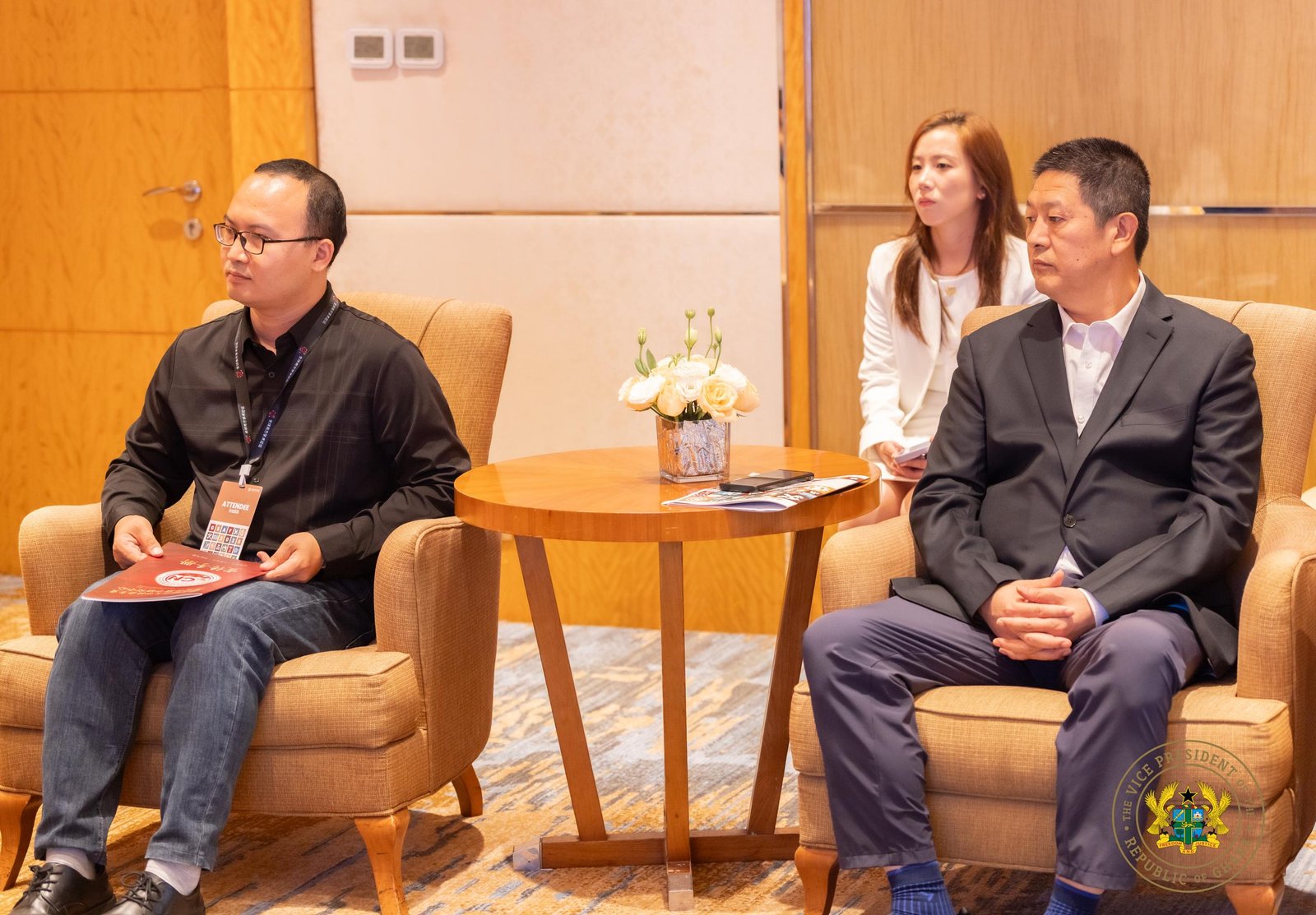
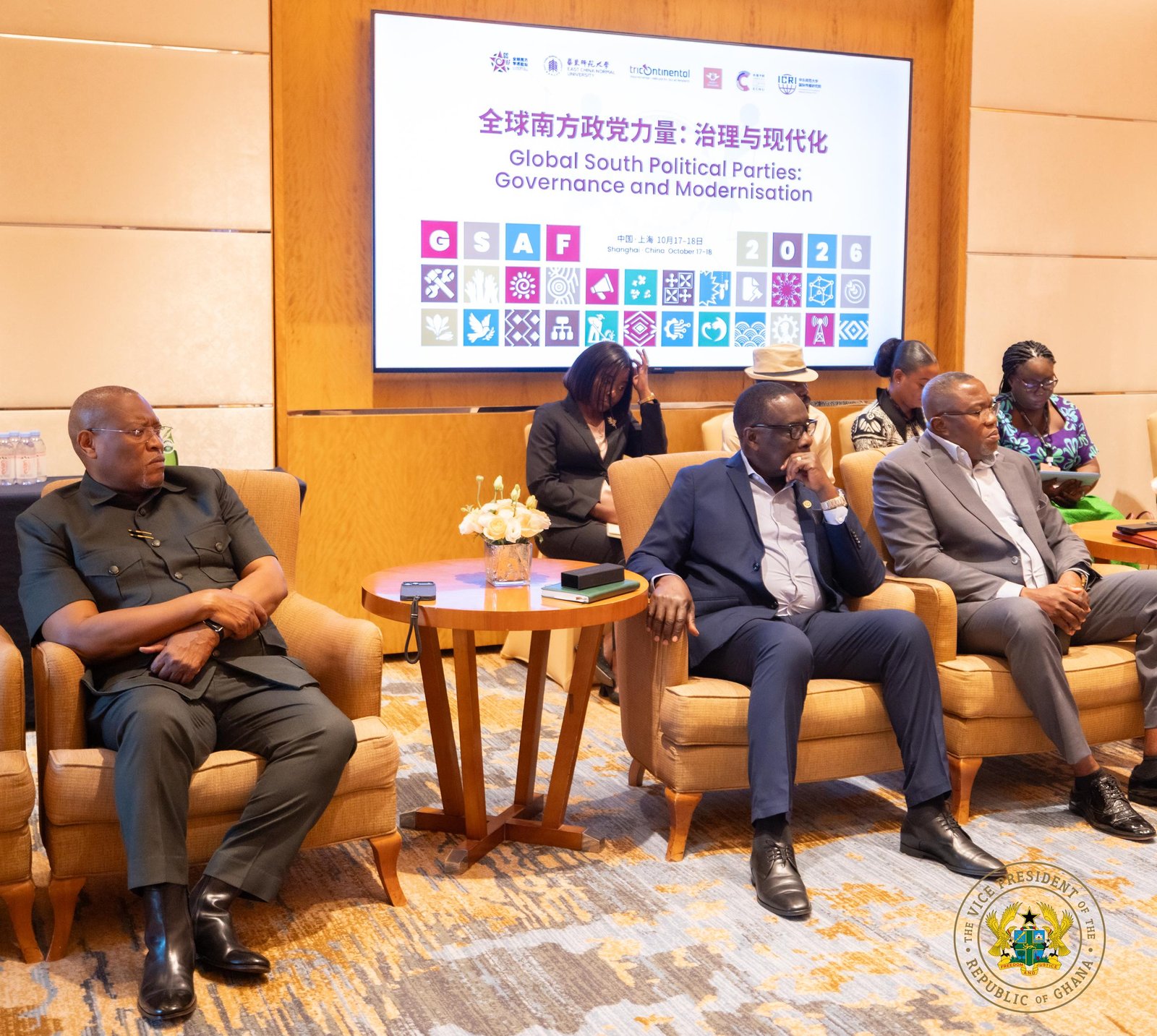
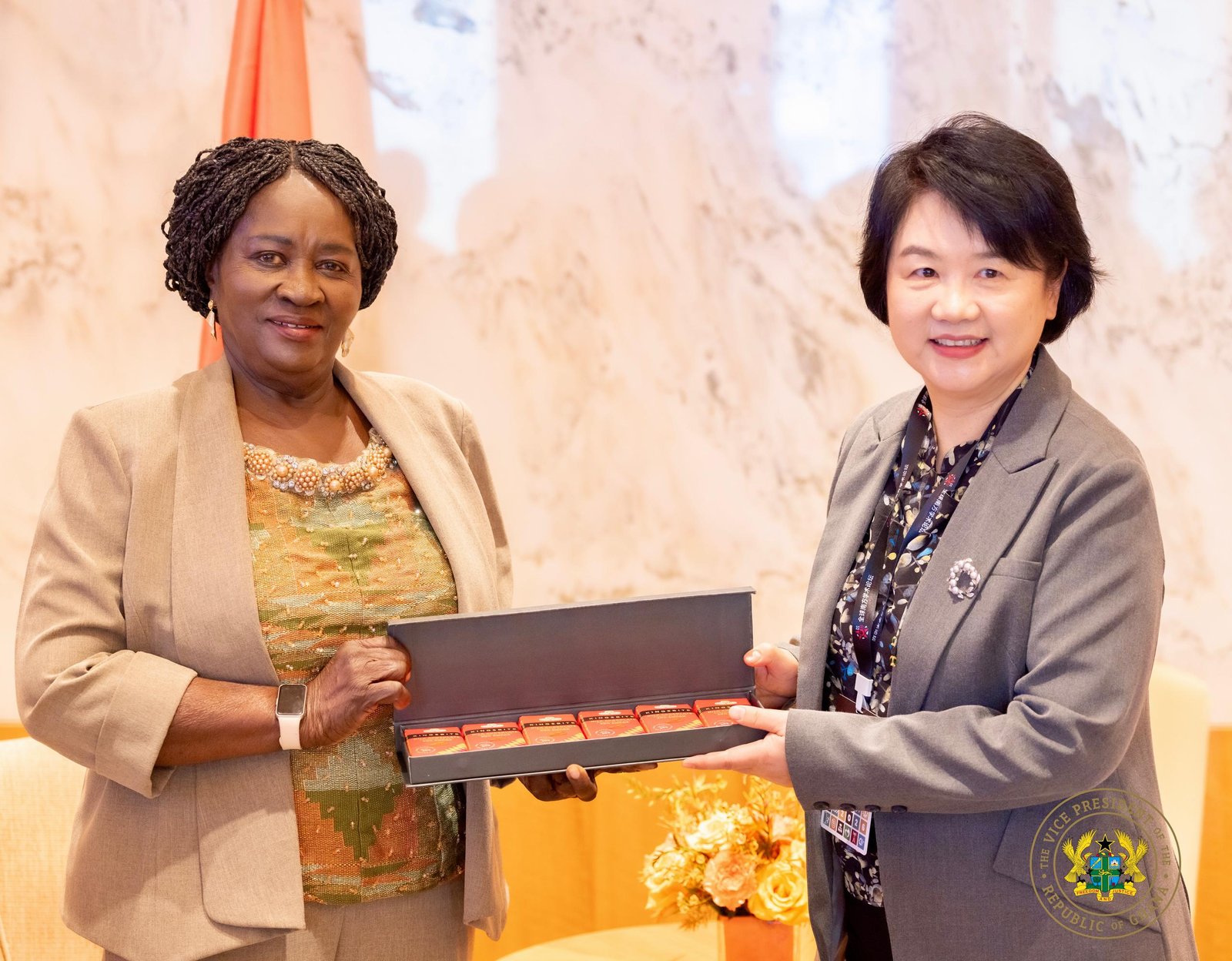
Vice President Professor Jane Naana Opoku-Agyemang has held high-level discussions with organisers of the 2026 Global South Academic Forum in Shanghai, seeking to draw lessons from China’s acclaimed rural revitalisation and poverty reduction drive.
The meeting, led by the Forum Chair, Professor Lu Xinyu, explored practical areas of cooperation and knowledge exchange between Ghana and China, with focus on community-driven development, fisheries and aquaculture, local governance, sports initiatives, and infrastructure development.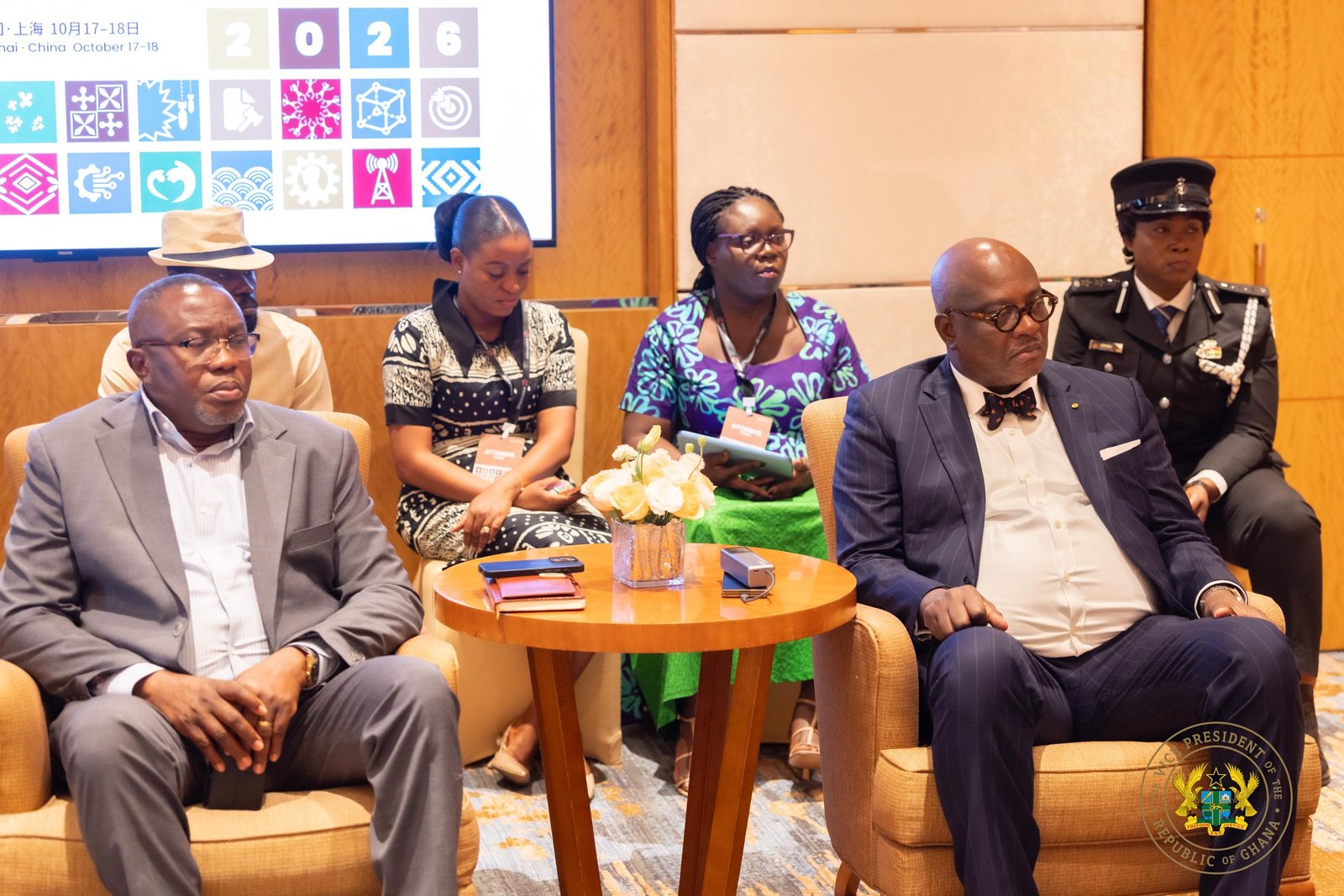
According to officials, the engagement is part of a broader effort by the Ghanaian government to study tested development models that can be adapted to the local context to promote inclusive growth, empower local communities, and improve livelihoods across the country.
China’s success in lifting over 800 million people out of poverty through targeted rural policies, investment in agriculture and local infrastructure has become a global reference point for developing nations.
The Vice President’s team says insights from the Forum will help inform policy direction, particularly in strengthening decentralised governance, boosting the fisheries and aquaculture sector, and investing in community-level infrastructure and youth sports development.
Professor Opoku-Agyemang is expected to continue engagements with academic and development institutions while in China.
By Edem Mensah-Tsotorme