Nutrition
Health benefits of fruits

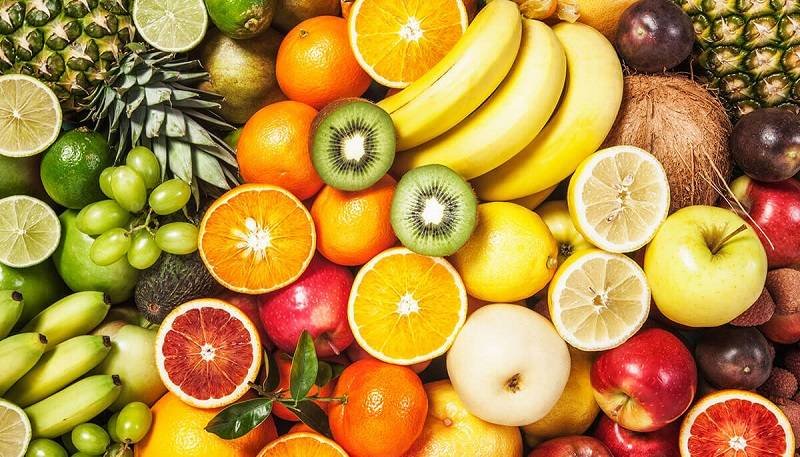
Great source of essential vitamins: fruits are an excellent source of vitamins, minerals and phytonutrients. Eating a variety of fruits in the form of a fruit salad can go a long way in stimulating the energy level and health factor of the body.
High in fiber content: The presence of dietary fiber in fruits can keep the blood cholesterol level in check and also reduce the risk of obesity and type 2 diabetes in individuals. Fiber-rich fruits such as strawberry, apple, banana and mango also possess anti-carcinogenic properties.
-Excellent source of nutrition for pregnant women: Fruits contain folate (folic acid) that helps the body to form red blood cells. It is advisable for pregnant women to consume
fruits (orange and grapefruit) in optimum amounts and enrich their body with folic acid. It helps reduce the risk of physical and mental deformities in the fetus.
-Regulates blood pressure: Fruits like bananas, oranges, avocado that are rich in potassium can help you maintain a normal blood pressure. They are also low in carbs and fat; hence they naturally prove healthier than any other food substitute.
-Keeps body weight in check: Fruits that are rich in vitamin C prove beneficial in controlling the body weight. Moreover, fruits do not contain any saturated fats or cholesterol that are harmful for cardiac health.
-Aids in digestion: Fruits with high-fiber content retain laxative properties and ease the process of digestion in the human body. This also prevents the formation of kidney stones.
-Nourishing the skin and hair: They are high on anti-oxidants that help the skin to retain its radiance and glow. Fruits like papaya, coconut, etc. can fight various dermatological disorders. Fruits containing vitamin A give the hair a lustrous look.
-Hydrates the body: Owing to the high amount of water in most of the fruits, they are an easy and quick source of hydration. Their intake is equally important during summers and winters.
-Boosts the immune system: Fruits are rich in calcium, magnesium and even essential vitamins like Vitamin K and Vitamin E. These can treat various chronic disorders and also improve our resistance against germs and diseases.
Source: apollodiagnostics.com



Ingredients
-Oil
-1 large onion
-2 cups of rice
-Salt
-2 cups of wheat
Preparation
-In a medium saucepan, heat oil over medium-low heat
-Add the onion and cook, stirring frequently, until soft and turns golden brown
-Wash rice and wheat and put into pan. Sauté for two to three minutes, until toasty and fragrant
-Add water and salt and allow to boil.
– Reduce heat to low and allow to simmer for 10 to 15 minutes until rice is tender and the water is absorbed.
-Taste the rice/wheat; if it is still a bit firm, add a few more tablespoons of water and cook a few more minutes.
-When the rice/wheat is ready, take it off the fire and serve hot
Benefits of wheat
–Improves digestion: High levels of insoluble fibre- wheat promotes regular bowel movements, prevent constipation, and support a healthy gut microbiome.
-Supports heart health: Whole-grain wheat helps lower LDL (bad) cholesterol, reduces blood pressure, and decreases the risk of stroke and heart disease.
-Aids weight management: Complex carbohydrates and dense fibre slow digestion, increase feelings of fullness, and help prevent sharp blood sugar spikes.
-Lowers type 2 diabetes risk: Steady glucose release and minerals like magnesium improve insulin sensitivity.
– Provides essential vitamins and minerals: Wheat supplies B vitamins, iron, magnesium, phosphorus, zinc, and selenium, which help build bones and boost immune function.
–Delivers Antioxidants: Compounds like phenolic acids, ferulic acid, and lutein protect cells from oxidative stress and support eye health.
SKIP THE QUEUE, TAP THE NEWS
You can now read the Ghanaian Times and The Spectator newspapers from the comfort of your device via TimesNewsPlus.
Join our WhatsApp Channel: https://whatsapp.com/channel/0029VbBElzjInlqHhl1aTU27

Ingredients
-4 cups of crushed corn
-1 cup of sugar
Method:
-Soak crushed corn for two or more days to ferment
-Boil the fermented corn for about 20-30 minutes until foamy substance is dried up
-Pour sugar in a saucepan and heat until almost burnt
-Strain water from the boiled corn and pour in the saucepan containing sugar
-Use a strainer to strain the chaff
-Allow to cool and store in refrigerator
– Serve with milk
By Linda Abrefi Wadie