News
Ghana Reads Initiative sensitises public to World Menstrual Hygiene Day

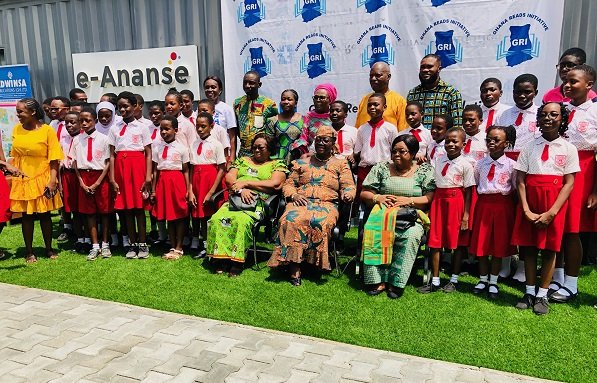
The organisers in a photo session with the students
As part of activities to mark World Menstrual Hygiene Day, Ghana Reads Initiative (GRI) has organised a programme to raise awareness about the importance of menstrual hygiene management.
World Menstrual Hygiene Day creates a platform to challenge societal norms and promotes open discussions to encourage society to view menstruation as a natural and healthy process.
The programme, which was under the theme, “Breaking Barriers, Shaping Futures” was to sensitise the public to break the stigma surrounding menstruation as cultural beliefs have contributed to deep-rooted taboos and misconceptions leading to menstrual stigma which affects the well-being and development of women and girls.
In all, about 150 pupils selected from New Legon Complex School, New Hope School, Better New Home Academy, among others attended the programme.
A midwife, Ms. Elizabeth Ofosuaa Danquah spoke extensively on the menstrual cycle, especially how and when it happens, and what to eat during that period. She advised the girls not to be afraid as menstruation is part of the biological formation of a woman.
Ms. Danquah, appealed to the government to reduce taxes on sanitary pads since menstruation is part and parcel of the development of a woman.
A consultant for the Ga Mantse Foundation, Madam Naa Kwaale Dove admonished the girls to abstain from sex until marriage.
“Sex is for married couples so young ladies desist from the act if you are not married,” she stressed.
GRI believes that by addressing infrastructural gaps, ensuring that the government provides affordable and sustainable menstrual products, and empowering society through education and awareness on world menstrual hygiene day, Ghana will break the stigma attached to menstruation.
This will pave the way for a more inclusive and empowered society where women and girls can manage their menstrual hygiene with dignity and without hindrance.
By George Obeng Osei



The Director of the Public Health Division of the Ghana Health Service (GHS), has urged Ghanaians to remain vigilant and observe good hygiene during the flooding and rainy season to prevent a cholera outbreak.
According to him, although flooding in some parts of the country has subsided, the risk of cholera remains because the conditions that promote the spread of the disease still exist.
“The risk of cholera still exists,” Dr. Asiedu-Bekoe said, explaining that cholera is closely linked to unsafe drinking water and poor sanitation.
Speaking on 3 FM on Thursday, he cautioned the public against becoming complacent a few days or weeks after the floods, stressing that people should continue to be careful about the food they eat and the water they drink.
“I want to urge Ghanaians to be careful what we eat and drink. Let’s not assume that because the flood came last week, we can lower our guard,” he said.
Dr. Asiedu-Bekoe noted that countries with access to safe drinking water and proper sanitation have largely eliminated cholera, adding that Ghana still has challenges in those areas.
He therefore advised the public to maintain high standards of personal hygiene, especially by washing their hands regularly with soap and clean water.
According to him, handwashing remains the most effective and affordable way to reduce the spread of cholera and other infectious diseases.
“The most cost-effective intervention is handwashing with soap and water,” he said.
According to him “That does not depend on whether there are floods or not. Make sure you wash your hands regularly with soap and water.”
He called on Ghanaians to maintain clean surroundings and practise proper sanitation to reduce the risk of disease outbreaks during the rainy season.
By: Jacob Aggrey
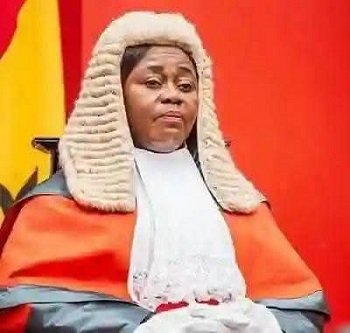
The Supreme Court has dismissed all four suits challenging the removal of Her Ladyship Justice Gertrude Torkonoo from office as Chief Justice.
The court delivered its rulings earlier this morning, ending the legal challenge at the domestic level.
This follows last week’s judgement by the ECOWAS Court, which also rejected applications seeking to overturn Justice Torkonoo’s removal.
Each of the four cases filed at the Supreme Court argued against the processes that led to Justice Torkonoo’s exit. The court, however, found no legal basis to grant relief and dismissed each application in its entirety.
In a brief statement by the Deputy Attorney-General Jusrice Srem-Sai after the rulings, he expressed appreciation to the legal team.
“Gratitude to our team of State Attorneys and members of staff,” he posted on Facebook, acknowledging their role in defending the state’s position through both ECOWAS and Supreme Court proceedings.
Background
Justice Gertrude Torkonoo was removed from office as Chief Justice following proceedings initiated earlier this year.
The move triggered multiple legal challenges, including four separate suits at the Supreme Court and petitions before the ECOWAS Court of Justice.
Both courts have now ruled against the challengers.
Last week, the ECOWAS Court dismissed the regional applications, and this morning’s Supreme Court decision closes the matter in Ghana.
By Edem Mensah-Tsotorme