News
Make sanitary products affordable for all – CSO platform on SDGs urges government

The Ghana CSOs Platform on the Sustainable Development Goals (SDGs) has appealed to the government to help make sanitary products affordable to all women and girls.
Sanitary products currently attract 32.5 per cent tax on imported sanitary pads, which is made up of 20 per cent import duty and 12.5 per cent Value Added Tax.
A statement signed by Ms. Levlyn Konadu Levlyn, National Coordinator of the Platform urged the Ministry of Finance and the government to “as a matter of urgency scrap the import tax on sanitary pads and reclassify the product as ‘essential social goods’ which is Zero rated.”
The Platform again urged African countries such as Kenya, Rwanda, and South Africa to remove taxes on the same products.
The statement was issued in commemoration of this year’s Menstrual Hygiene Day themed: “Making menstruation a normal fact of life by 2030.”
“Women’s and adolescent girls’ ability to care for their bodies while menstruating is, an essential part of this fundamental human right. Poor menstrual health and hygiene therefore, represent an affront to this right, including the right to work and go to school,” the Platform noted.
It maintained that insufficient resources to manage menstruation, such as sanitary pads and clean water, worsened the already existing social and economic inequalities and undermines the dignity and confidence of girls and women”.
The Platform, therefore, called for comprehensive effort aimed at making sanitary products affordable and intensifying public education on menstruation.
While calling for policies that eliminate “period poverty,” the organisation again urged the media to continue encouraging open dialogue on menstruation and help break the stigma.
The Ghana CSOs Platform on the SDGs aims is to contribute to “building a fairer, healthier, gender-responsive Ghana that acknowledges and works towards achieving the vision for sanitation and hygiene under Goal 6 of the Sustainable Development Goals.”
By Spectator Reporter


The Ghana Health Service (GHS) will undertake a nationwide Human Papillomavirus (HPV) vaccination exercise in schools from October to December 2026 to protect eligible girls against cervical cancer and other HPV related diseases.
The exercise, organised in collaboration with the Ghana Education Service (GES) and its partners through the School Health Education Programme (SHEP), will be conducted in two rounds.
The first round is scheduled for October 19 to 23, 2026, while the second will take place from November 30 to December 4, 2026.
In a press release dated October 19, the GHS explained that health workers would visit schools across the country to vaccinate eligible girls aged 9 to 14 who have not yet received the HPV vaccine.
The exercise forms part of efforts to raise awareness about the routine HPV vaccine, increase vaccination uptake and strengthen the country’s routine immunisation programme.
The GHS has called on school authorities, parents, guardians, teachers and community leaders to cooperate with health teams to ensure the successful implementation of the exercise.
The Service reaffirmed its commitment to protecting the health and well-being of Ghanaians, particularly children, through vaccination and other public health interventions.
By: Jacob Aggrey
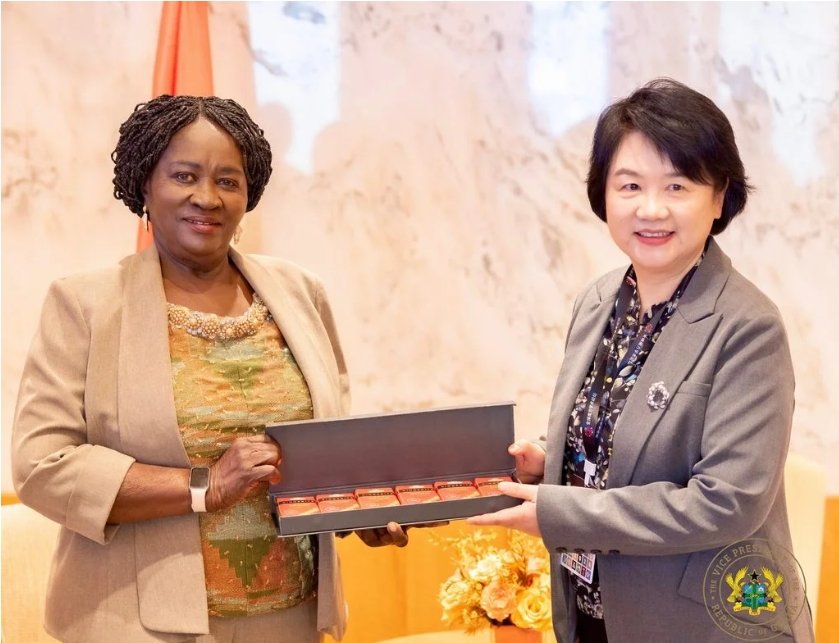
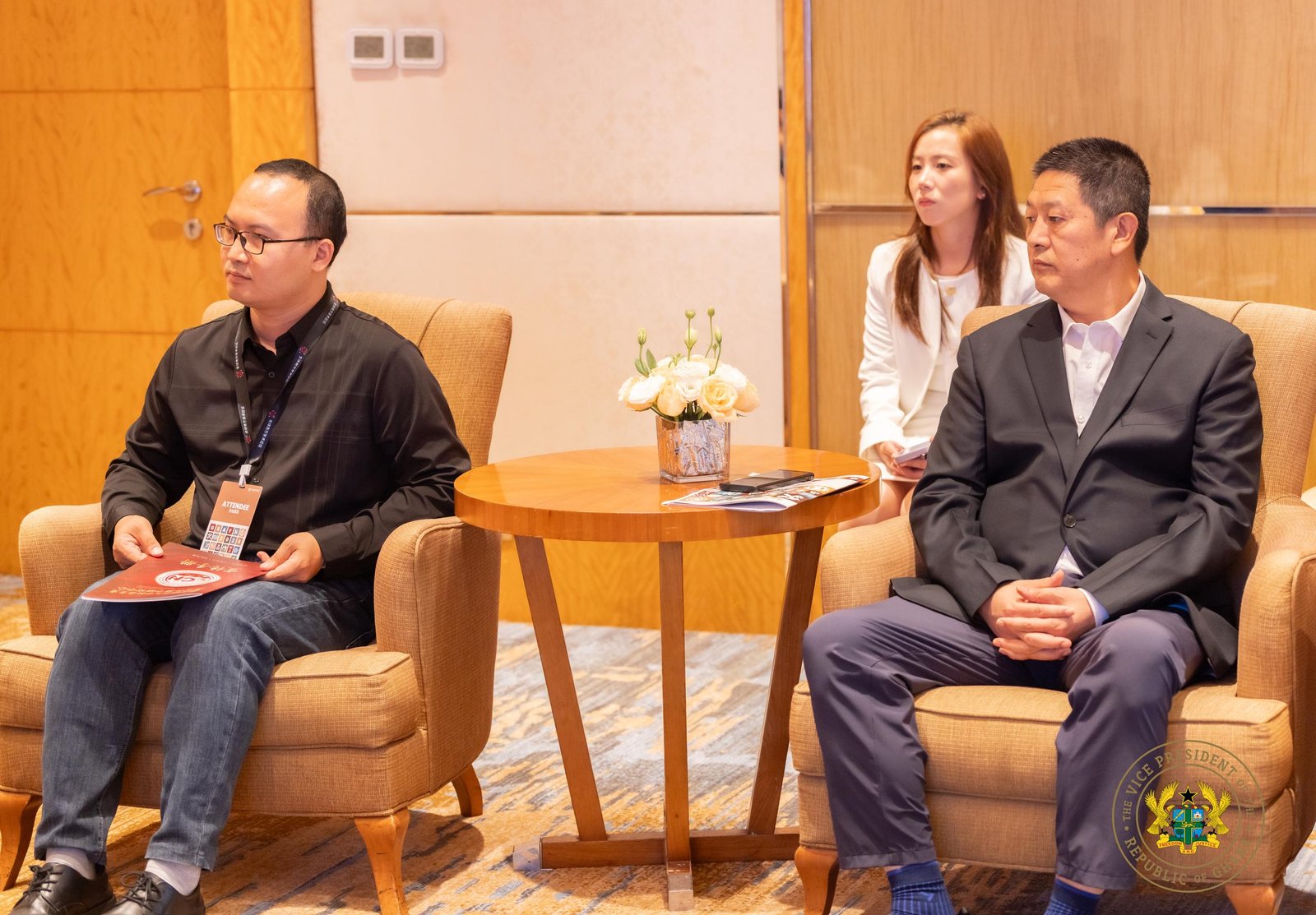
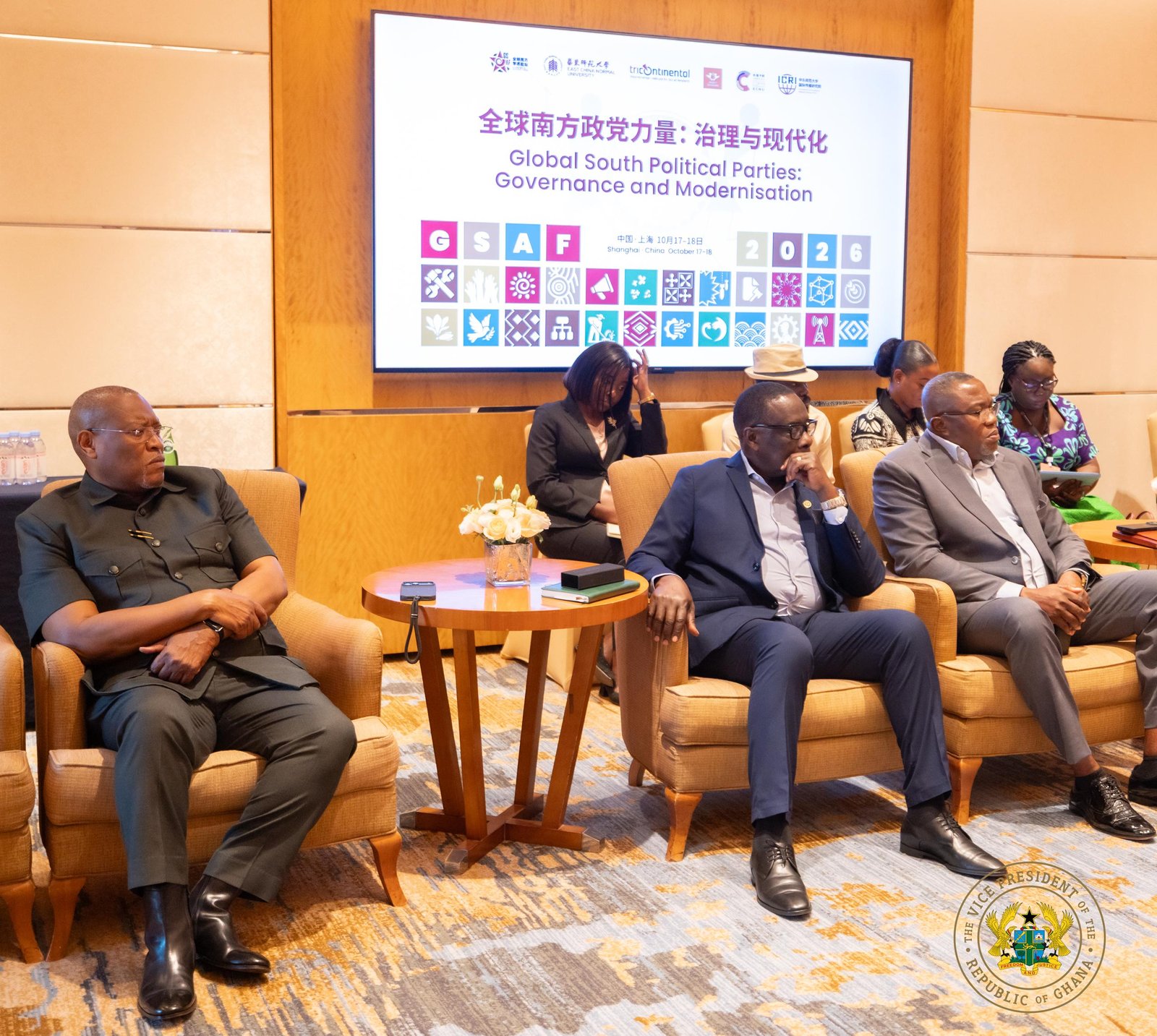
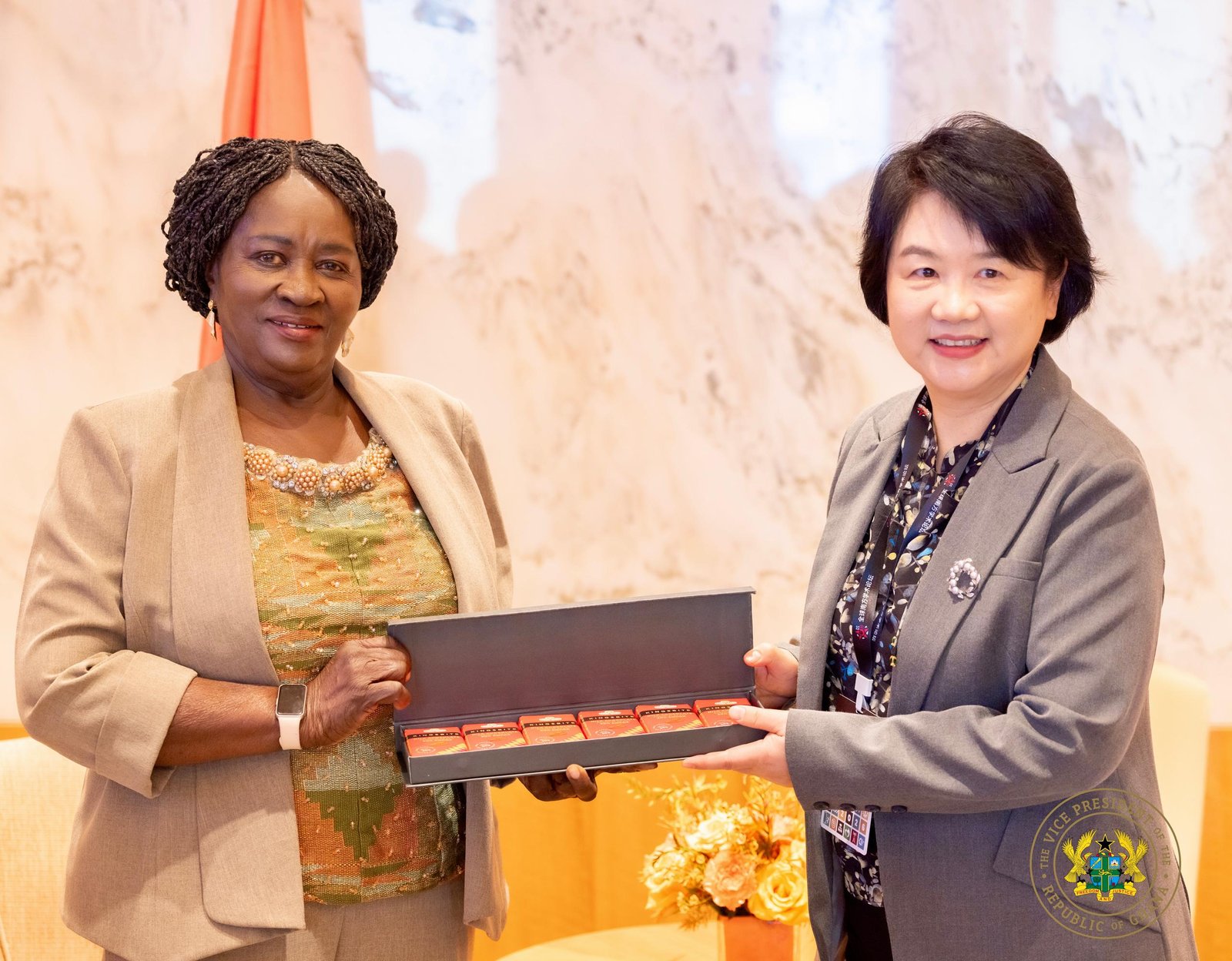
Vice President Professor Jane Naana Opoku-Agyemang has held high-level discussions with organisers of the 2026 Global South Academic Forum in Shanghai, seeking to draw lessons from China’s acclaimed rural revitalisation and poverty reduction drive.
The meeting, led by the Forum Chair, Professor Lu Xinyu, explored practical areas of cooperation and knowledge exchange between Ghana and China, with focus on community-driven development, fisheries and aquaculture, local governance, sports initiatives, and infrastructure development.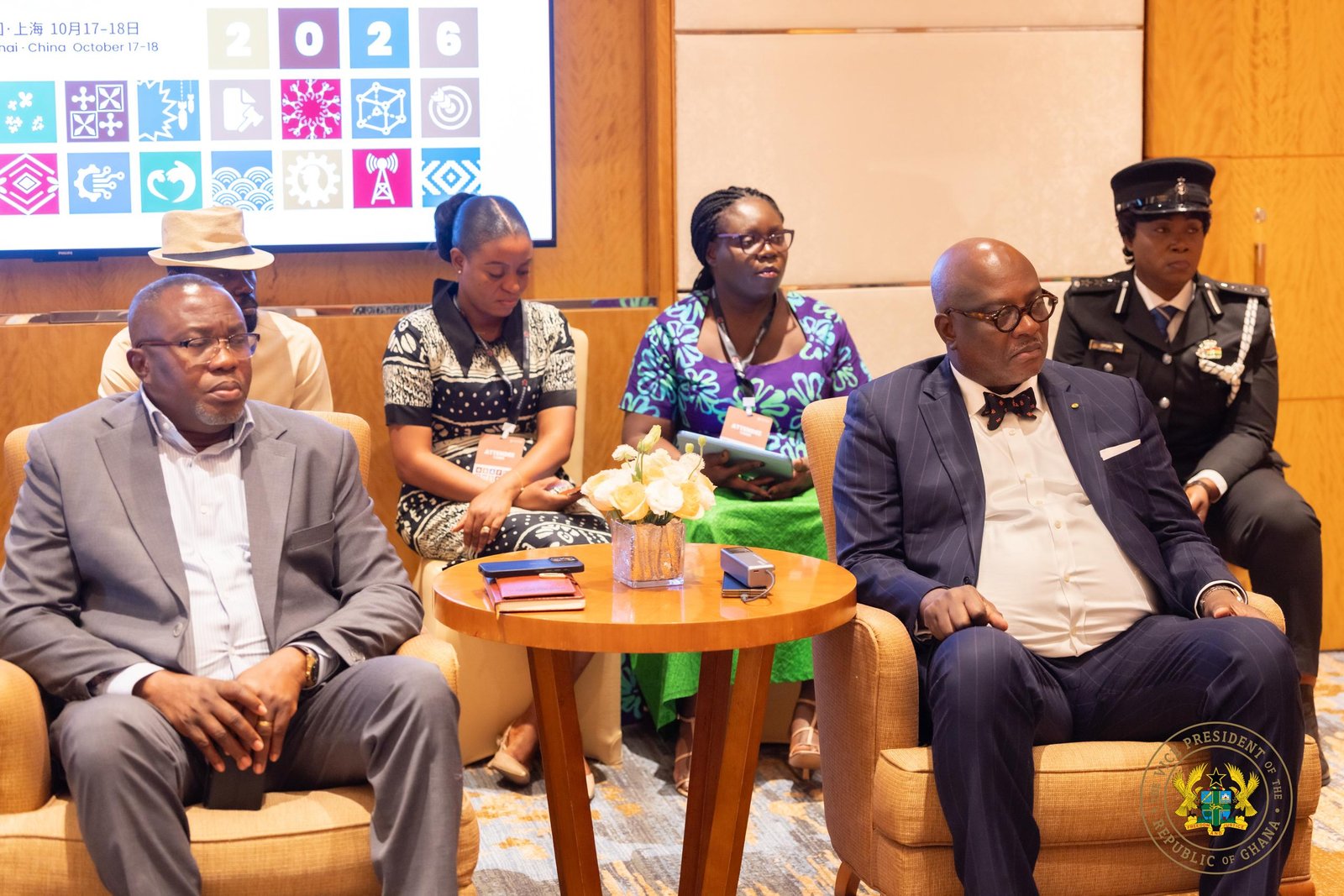
According to officials, the engagement is part of a broader effort by the Ghanaian government to study tested development models that can be adapted to the local context to promote inclusive growth, empower local communities, and improve livelihoods across the country.
China’s success in lifting over 800 million people out of poverty through targeted rural policies, investment in agriculture and local infrastructure has become a global reference point for developing nations.
The Vice President’s team says insights from the Forum will help inform policy direction, particularly in strengthening decentralised governance, boosting the fisheries and aquaculture sector, and investing in community-level infrastructure and youth sports development.
Professor Opoku-Agyemang is expected to continue engagements with academic and development institutions while in China.
By Edem Mensah-Tsotorme