News
GGV ends stakeholder engagement for 2022

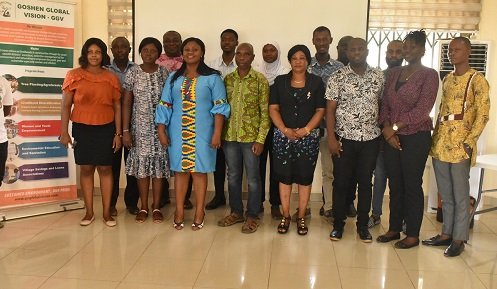
• Madam Mary Perpetua Kwakuyi (blue) with some Heads of Department at EKMA
A Non-Governmental Organisation, Goshen Global Vision (GGV) in the Western Region is working hard for farmers to stop the use of dangerous chemicals on crops and to adopt the use of organic manure which is safer for humans.
The use of poultry manure, rabbit faeces, other animal faeces and Biochar to fertilise crops and use the urine of rabbits as pesticides is safer for human consumption than the chemicals applied for fast growth of crops.
The Executive Director of GGV, Madam Mary Perpetua Kwakuyi disclosed this to Heads of Department and some farmers within the Effia-Kwesimintsim Municipal Assembly (EKMA) of the Western Region at the end of Projects Stakeholder Engagement for 2022.
She said her outfit was working to support food security by distributing economic and fruit trees to communities within the municipality adding “so far 320 fruit trees have been distributed and for the next four years GGV will concentrate on this to help stabilise food security in the communities”.
She said the country would talk of planting five million seedlings but due to lack of protection not even 100 seedlings would survive but GGV would make sure all seedlings planted were protected and nurtured so that stray animals would not destroy these economic trees.
She said this was another means by which alternative livelihood was provided for the communities because the land which had been used for decades had been exhausted and could no longer feed the crops efficiently to produce any better crops.
Madam Kwakuyi said GGV was working hard to encourage farmers to adopt new technologies by farming small lands and through the application of organic manure like rabbit faeces, poultry manure, cow dung and Biochar they could harvest more than the use of fertiliser which was more expensive and even dangerous for human consumption because of the chemicals involved.
She appealed to Ghanaians to start farming in their back yards because they did not need a large parcel of land to farm.
She said the use of worn out vehicles tyres, jerrican containers popularly called Kuffour gallon and other containers could be filled with soil with rich manure and plants like guava, pawpaw, maize and other crops planted in these containers to produce food for the family.
She said rabbits multiplied very fast and with a cage to house eight rabbits, one could produce for the family and have enough to sell to the general public to get money to support the family income.
The Executive Director said GGV was aiming to introduce “one school, one garden, one rabbit cage” to use the droppings from the rabbits to fertilise the garden and the remnants from the garden would be used to feed the rabbit so in the end nothing would be wasted thereby making it a value chain.
The Planning Officer of EKMA, Mr Samuel Amihere thanked all the participants for coming and said the collaboration between GGV and EKMA would surely sensitise the farmers to adopt the new technologies in order to produce fresh crops devoid of chemicals.
From Peter Gbambila, Effiakuma.


The Ghana Health Service (GHS) will undertake a nationwide Human Papillomavirus (HPV) vaccination exercise in schools from October to December 2026 to protect eligible girls against cervical cancer and other HPV related diseases.
The exercise, organised in collaboration with the Ghana Education Service (GES) and its partners through the School Health Education Programme (SHEP), will be conducted in two rounds.
The first round is scheduled for October 19 to 23, 2026, while the second will take place from November 30 to December 4, 2026.
In a press release dated October 19, the GHS explained that health workers would visit schools across the country to vaccinate eligible girls aged 9 to 14 who have not yet received the HPV vaccine.
The exercise forms part of efforts to raise awareness about the routine HPV vaccine, increase vaccination uptake and strengthen the country’s routine immunisation programme.
The GHS has called on school authorities, parents, guardians, teachers and community leaders to cooperate with health teams to ensure the successful implementation of the exercise.
The Service reaffirmed its commitment to protecting the health and well-being of Ghanaians, particularly children, through vaccination and other public health interventions.
By: Jacob Aggrey
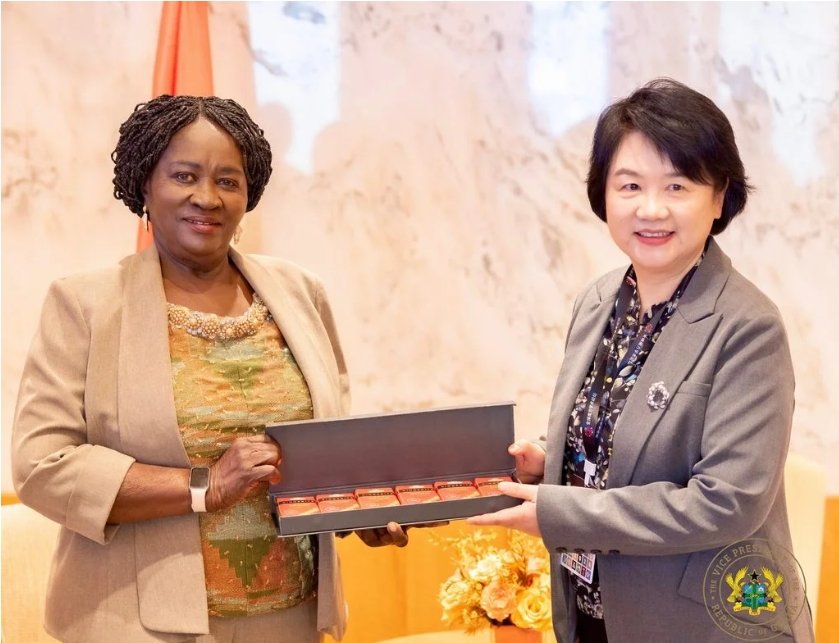
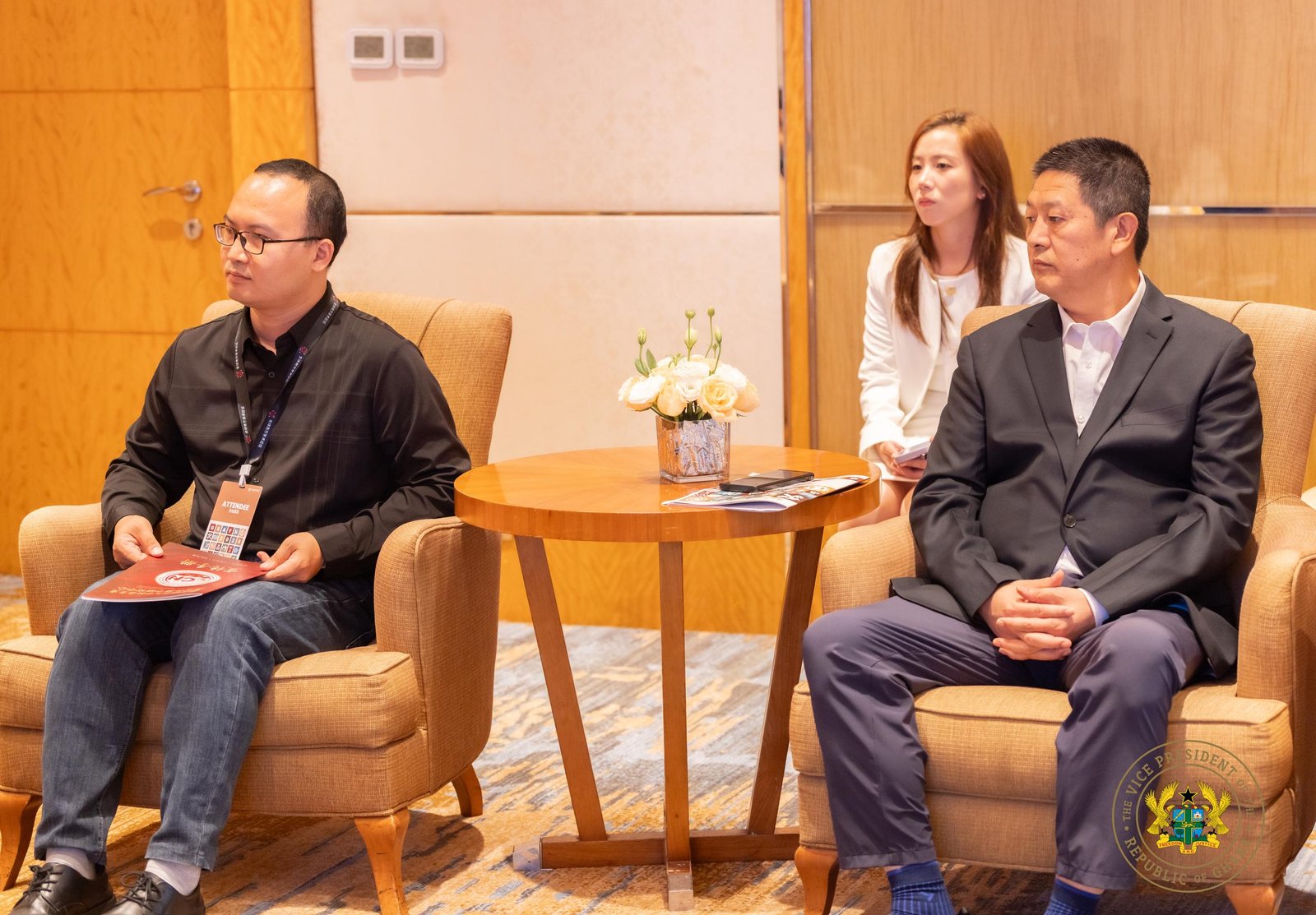
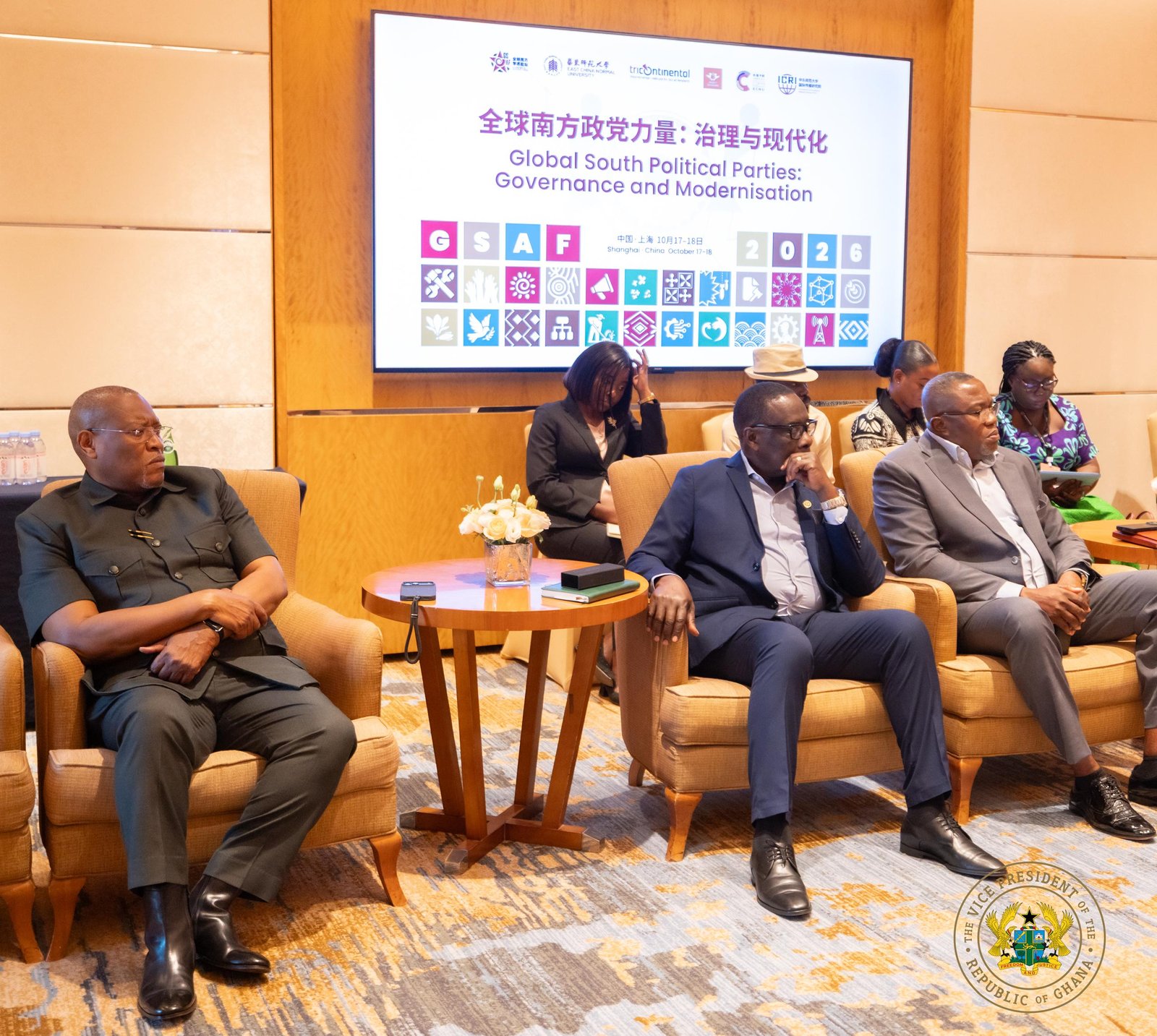
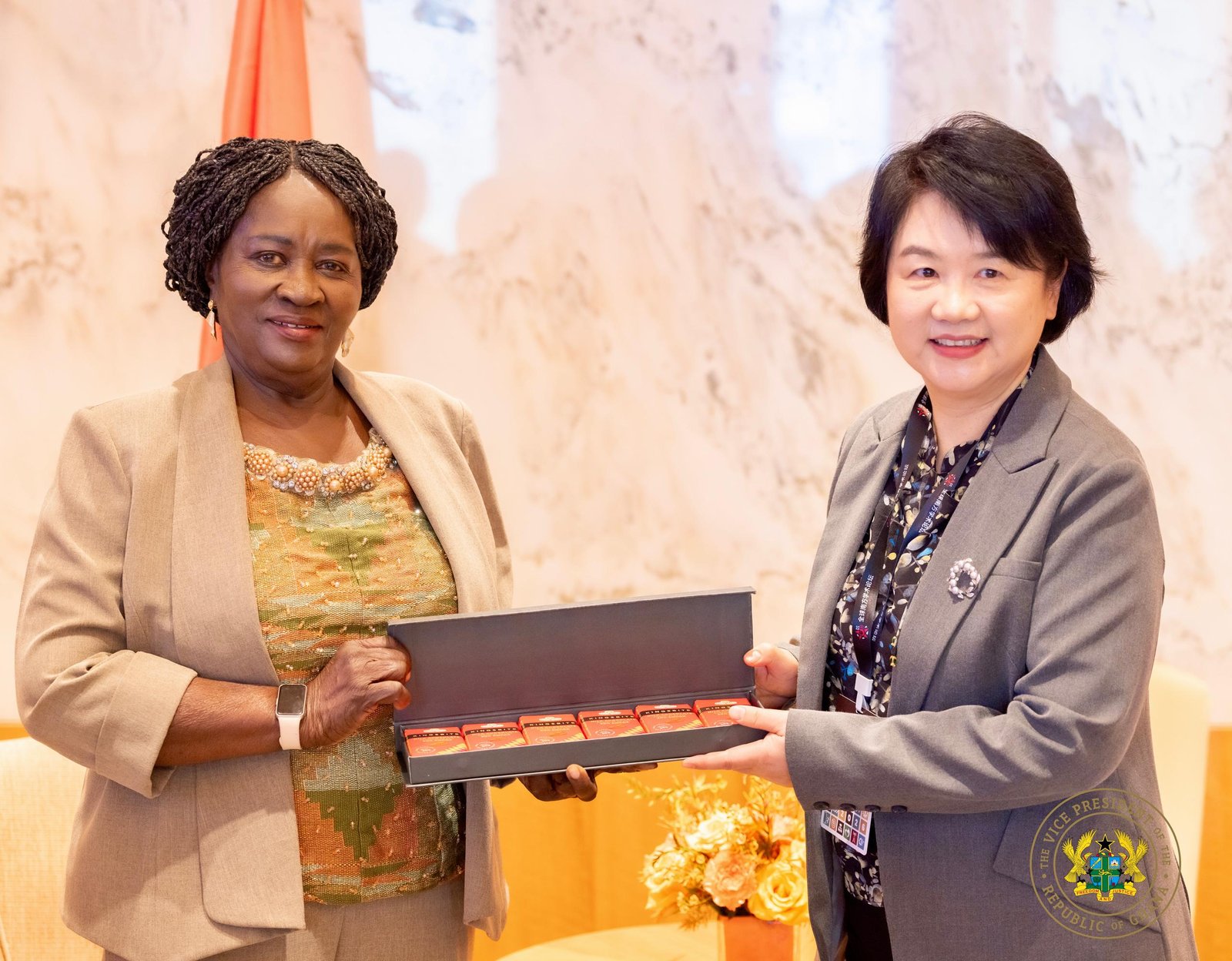
Vice President Professor Jane Naana Opoku-Agyemang has held high-level discussions with organisers of the 2026 Global South Academic Forum in Shanghai, seeking to draw lessons from China’s acclaimed rural revitalisation and poverty reduction drive.
The meeting, led by the Forum Chair, Professor Lu Xinyu, explored practical areas of cooperation and knowledge exchange between Ghana and China, with focus on community-driven development, fisheries and aquaculture, local governance, sports initiatives, and infrastructure development.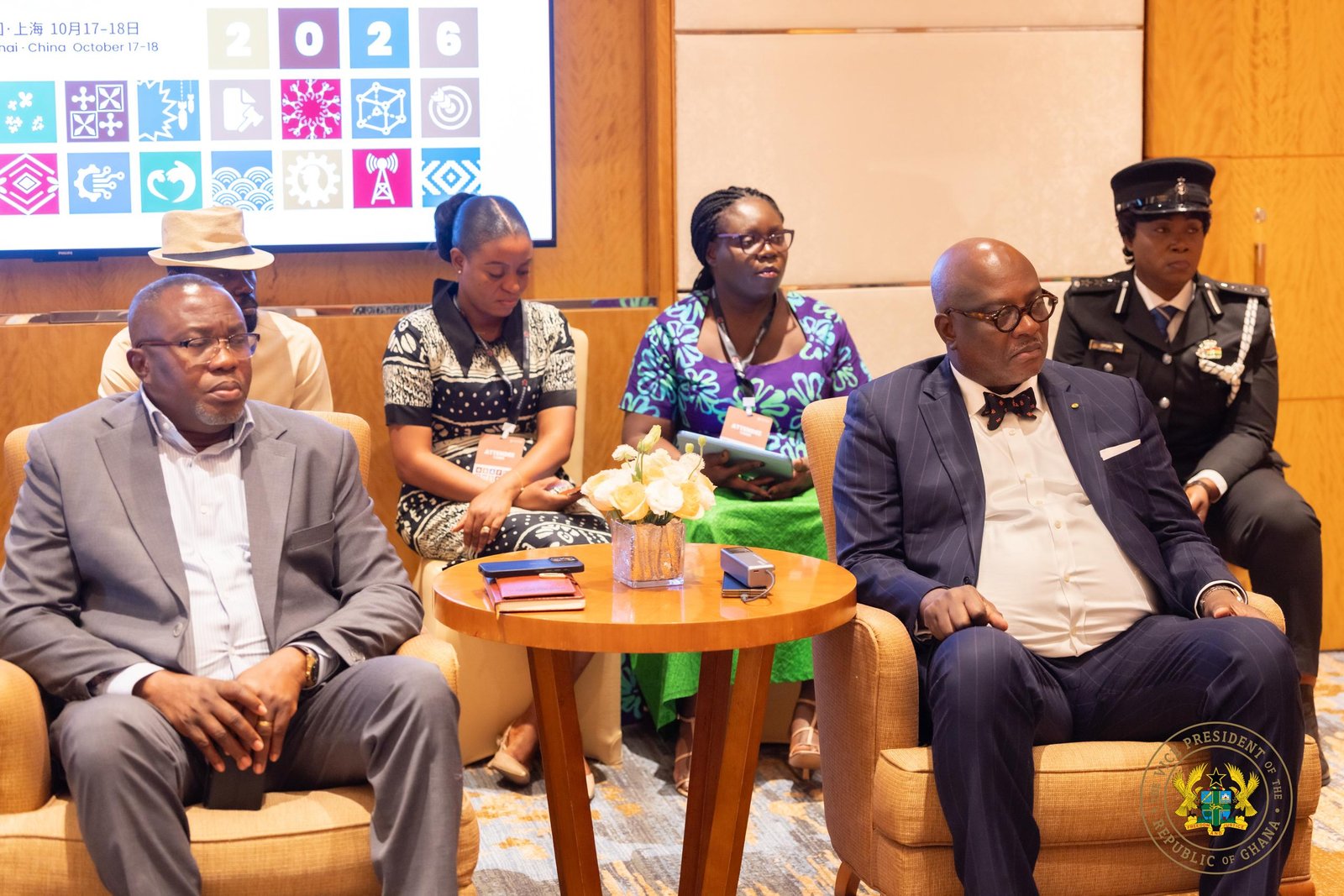
According to officials, the engagement is part of a broader effort by the Ghanaian government to study tested development models that can be adapted to the local context to promote inclusive growth, empower local communities, and improve livelihoods across the country.
China’s success in lifting over 800 million people out of poverty through targeted rural policies, investment in agriculture and local infrastructure has become a global reference point for developing nations.
The Vice President’s team says insights from the Forum will help inform policy direction, particularly in strengthening decentralised governance, boosting the fisheries and aquaculture sector, and investing in community-level infrastructure and youth sports development.
Professor Opoku-Agyemang is expected to continue engagements with academic and development institutions while in China.
By Edem Mensah-Tsotorme