Fashion
Galaxy of creative talents at ATU fashion show


Though formerly considered a profession for school drop-outs and, therefore, unattractive, fashion design and textiles productionis fast becoming a great industry and making a significant impact on the lives and fortunes of many Ghanaians.


Identified as a creative industry, the actors in this field have made their impact to be feltby producing beautiful garments to satisfy the needs of their customers, both locally and internationally.

The display of variety and equally –matched designs at the 2022 Accra Technical University (ATU)final year students’ Fashion Design and Textile Show made it impossible for spectators to put a finger on which particular design was the best.

The Vice-Chancellor of ATU, Prof. Samuel Odoi, in his address, said he was glad the university had equipped the students with the requisite skills which had turned them into unique designers and entrepreneurs.
He lauded the support parents had given to their wards throughout their period of studies in the university, making it possible for the students to complete their courses successfully.

The Head of Fashion Design and Textile Department (HOD), Mrs Catherine Adu, also said fashion and textile had become a lucrative industry for both amateurs and the professionals. And in the quest to satisfy the growing demands in the industry, sustainability was the watchword.
She said from production stage to post-production, there were various practices in the industry that contributed to an unsustainable pattern and had affected the ecosystem.
“Fashion plays a crucial role in everyone’s life and the type of dress we wear, the accessories we put on help to define who we area,” she said.


According to her, fashion trends kept changing because designers would use their creativity to merge old styles with new trends and introduce a new fashion altogether. She said in the past, fashion was used to symbolise wealth, elegance and glamour, but today it reflected a way of life, the inner beauty and people’s comfort.
Mrs Adu said the Department trained students to acquire holistic knowledge and a well-balanced perspective which enabled them to become professionals to operate in the modern fashion design and textile industry.
The Guest Speaker who is the Creative Director and Co-founder of Wear Ghana Limited, MsAngorkorNai-Kwade, who said she started from a humble beginning, urged the students to aim high in life since there were many opportunities to be explored, provided they were prepared to embrace the challenges that would come their way.
She advised them to sharpen their skills, improve on their mistakes, draw inspirations from those who have excelled in the industry, know their capabilities and limitations, develop the right attitude to work, do the right thing, and be content with their capabilities since each person was endowed with a unique talent.
By Raymond Kyekye


AS Ghana Month unfolds this March, the streets and schools are alive with colour, fabric, and nostalgia. Old-school outfits, once everyday wear, have returned as proud symbols of heritage, reminding Ghanaians of the artistry woven into their past.
From the crisp secondary school uniforms of the 1970s to the bold kaba and slit styles worn by mothers and aunties, these outfits carry stories of discipline, elegance, and identity. The Afro style, paired with bell-bottom trousers or neatly pressed shirts, were once the hallmark of youthful rebellion and confidence.
Traditional fabrics like Kente and Smock remain central to Ghanaian fashion. Once reserved for chiefs and ceremonies, they now appear in classrooms, offices, and parades during Ghana Month, symbolising unity and pride.

“When I wear my Smock, I feel connected to my roots,” says Kwame Asare, a teacher in Tamale. “It is more than clothing; it is history stitched into fabric,” he added.
Old-school fashion also tells the story of Ghana’s social evolution. The platform shoes and polka-dot dresses of the 1980s reflected global influences, while braided hairstyles and headscarves kept tradition alive. Today, young designers are reimagining these looks, blending vintage cuts with modern flair.


For many, dressing in old-school outfits during Ghana Month is not about nostalgia. It is a way of honouring ancestors, celebrating resilience, and teaching the next generation that fashion is culture.
“Our clothes remind us where we come from,” says stylist Efua Mensah. “They are our crown, our pride, and our story.”
As Ghana celebrates its independence and heritage this month, the revival of old-school outfits proves that fashion is never just about trends. It is about memory, identity, and the timeless threads that bind a nation together.
By Linda Abrefi Wadie
Join our WhatsApp Channel now!
https://whatsapp.com/channel/0029VbBElzjInlqHhl1aTU27

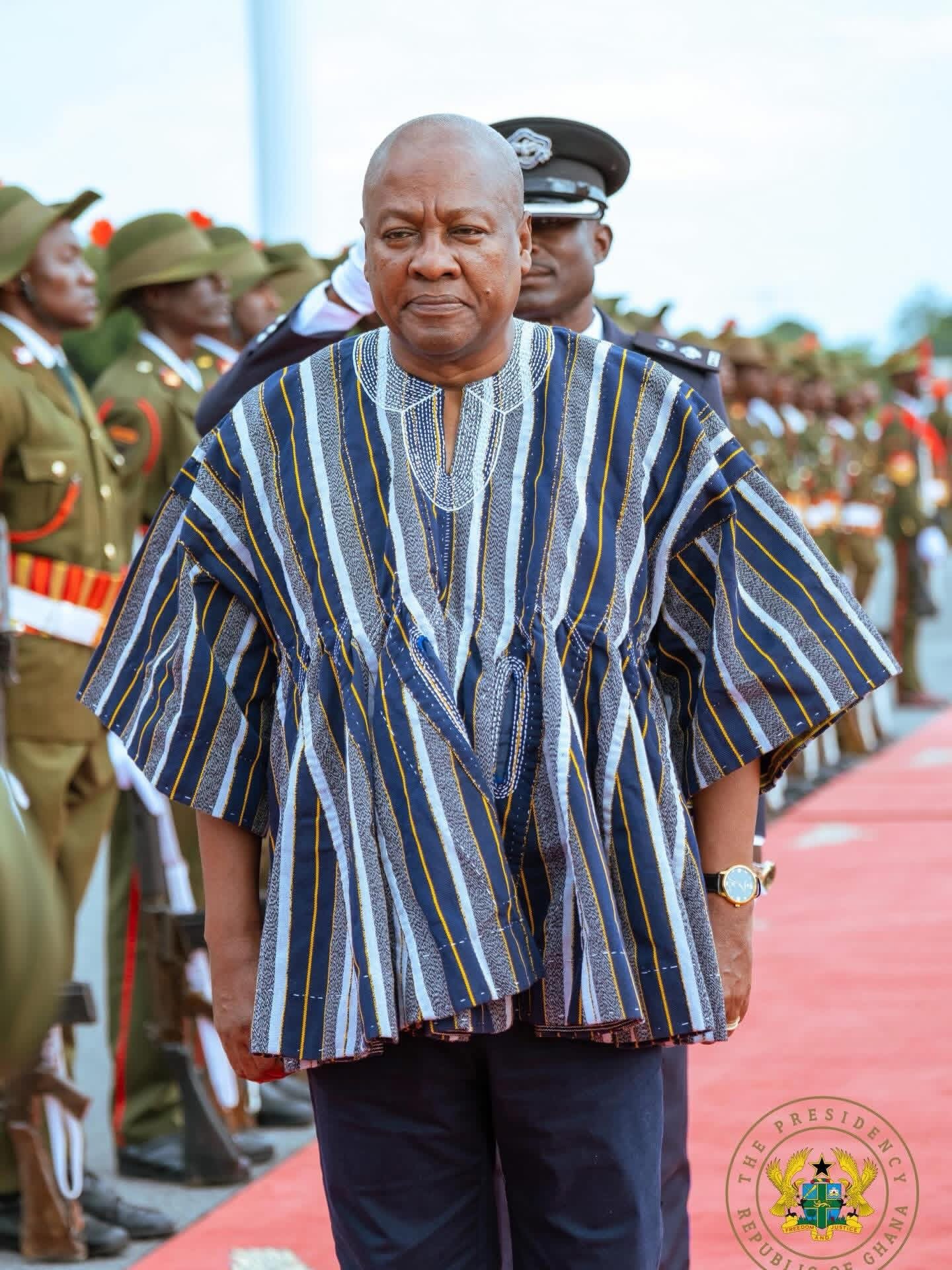
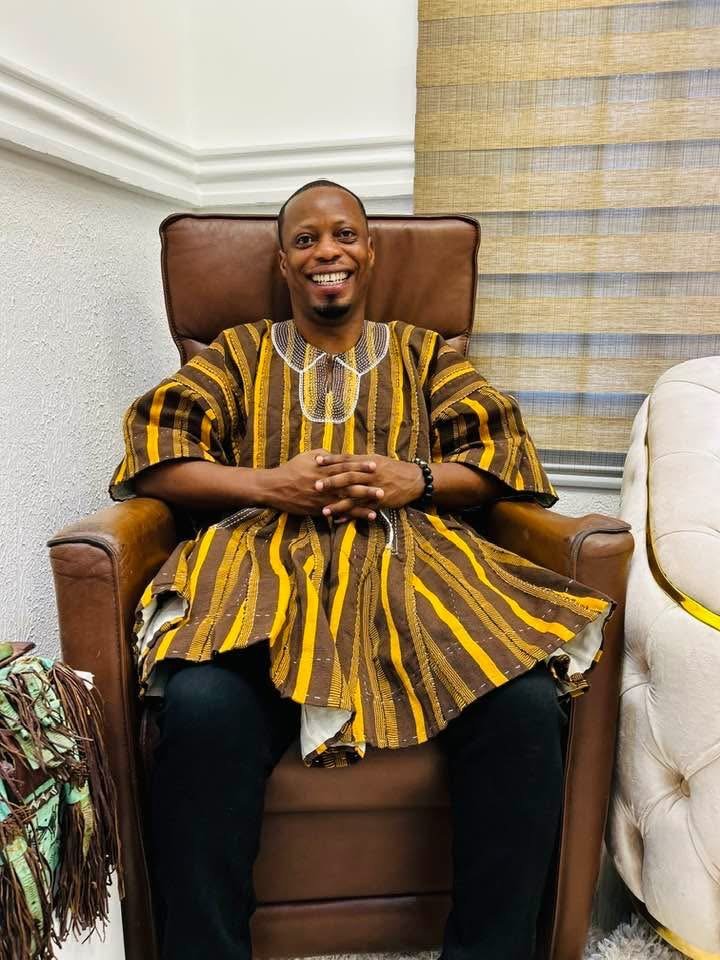
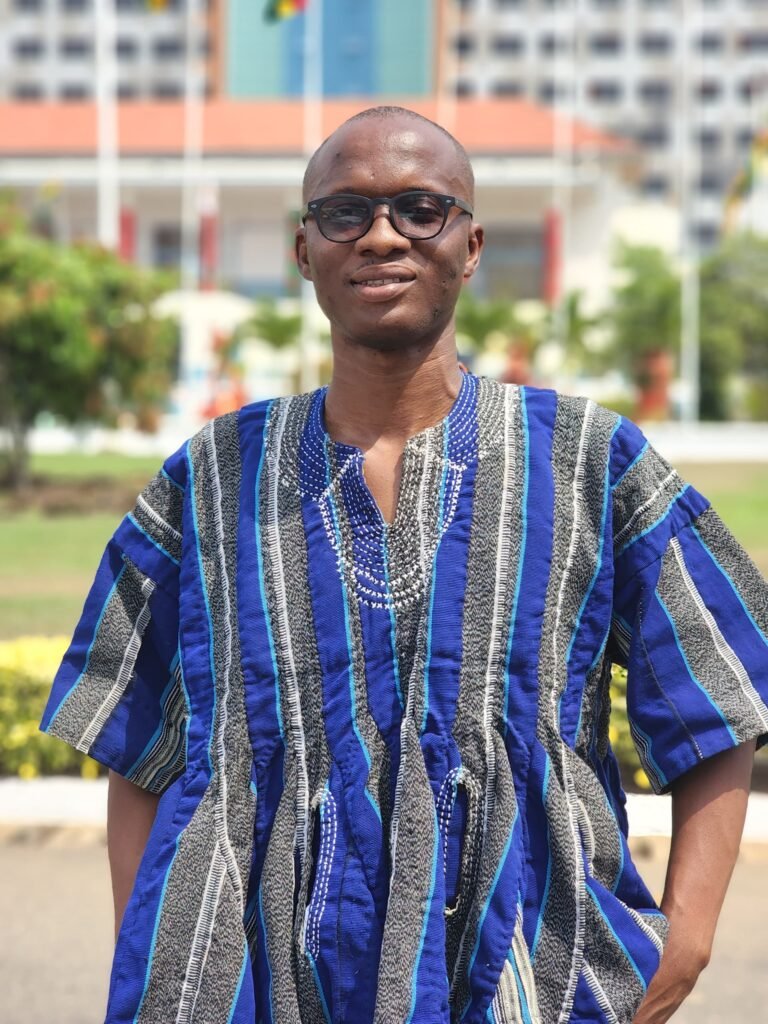
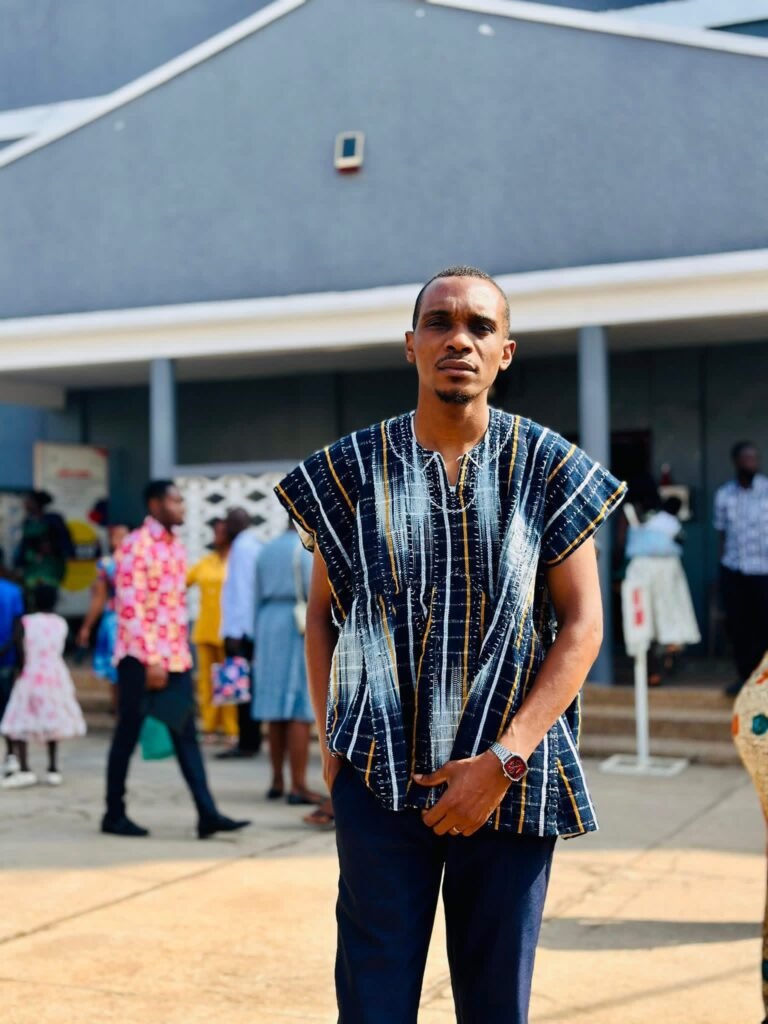
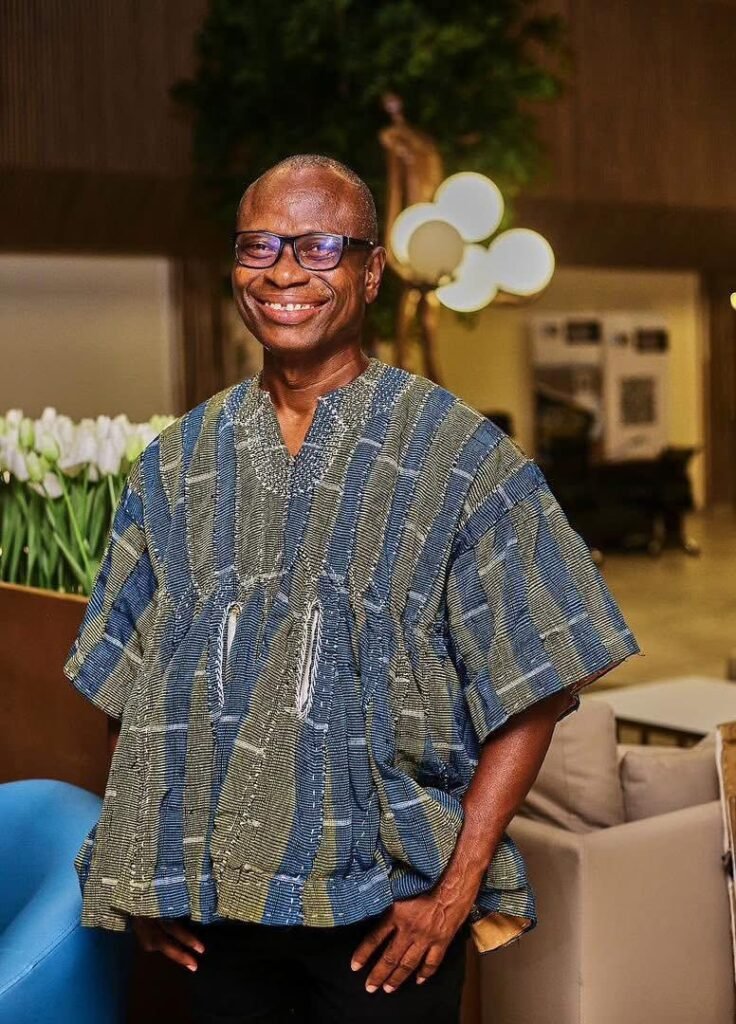
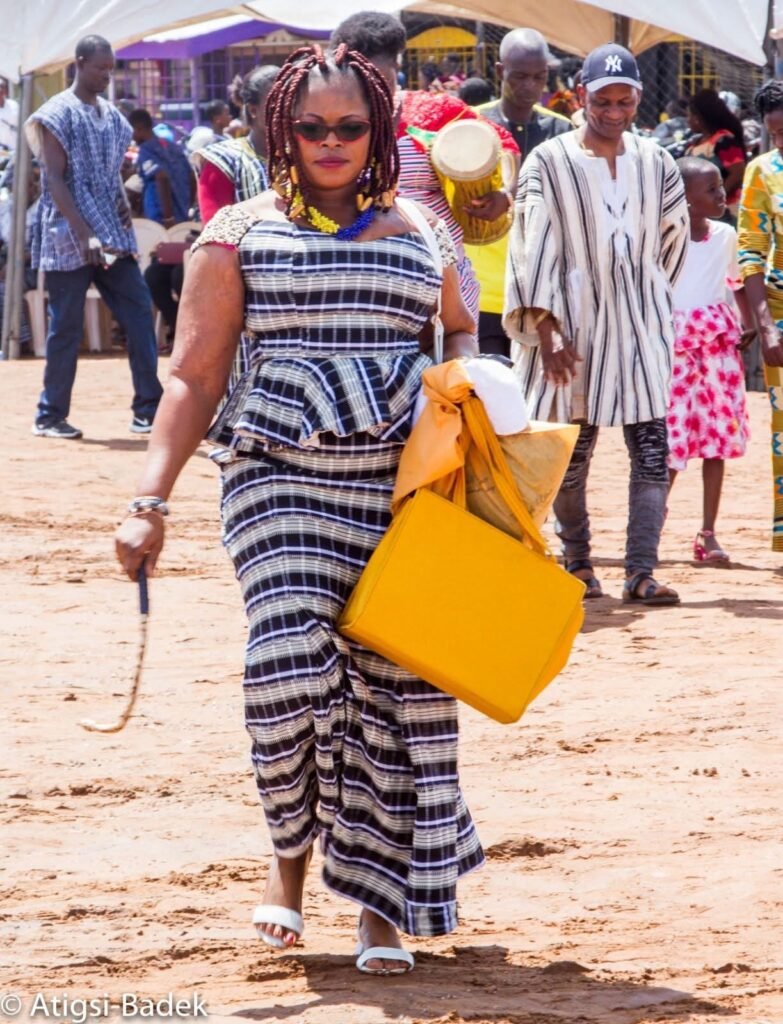
THE Fugu smock has gained acceptance in Ghana and other parts of the world. The outfit worn in multiple cultures is a popular choice for national events and cultural celebrations in Ghana.
The Minister of Tourism, Culture and Creative Arts, Madam Abla Dzifa Gomashie, has announced that every Wednesday be observed as Fugu day. This initiative was inspired by a photo of President John Dramani Mahama wearing a Fugu (traditional northern Ghanaian smock) during a state visit to Zambia.
Some Zambian social media users jokingly referred to the garment as ‘blouse’. Since then, individuals and corporate organisations have embraced the initiative, wearing the traditional outfit that symbolises strength, courage, and leadership.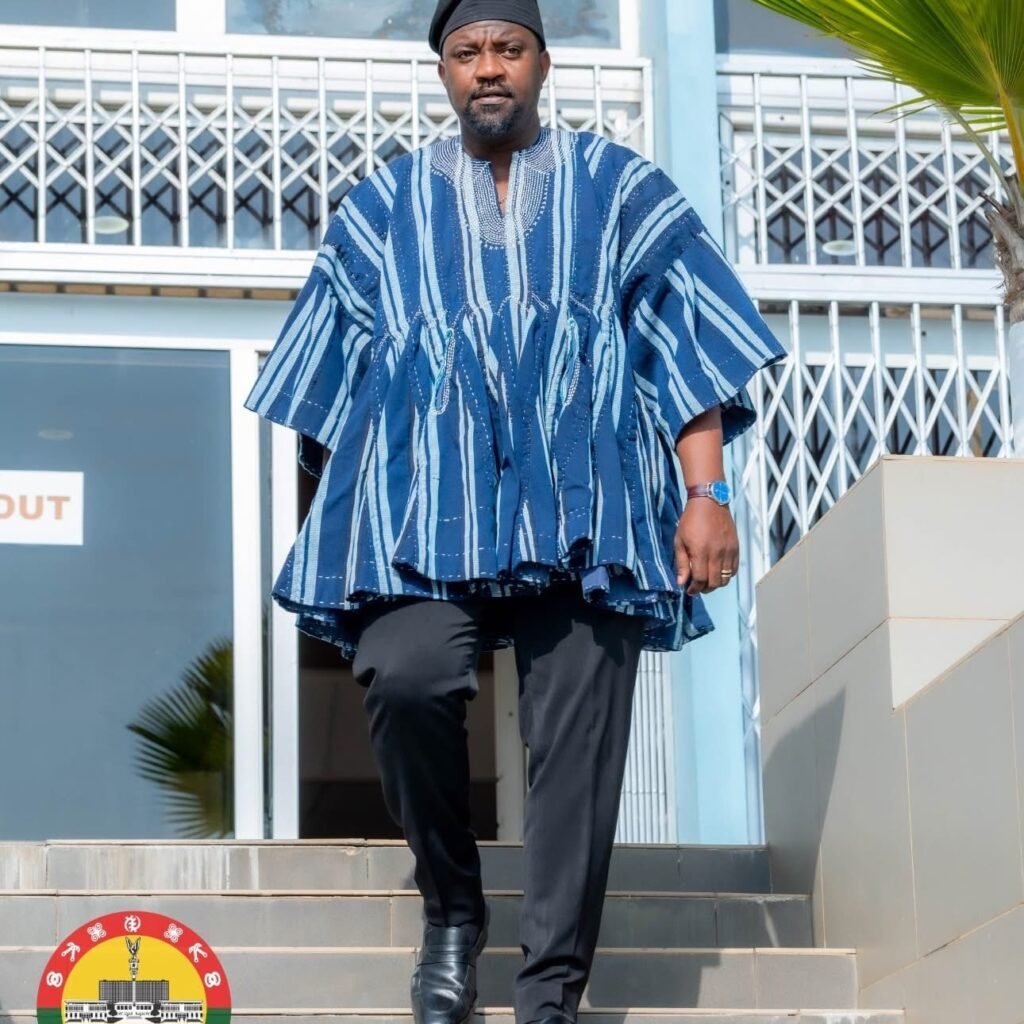
By Linda Abrefi Wadie
Join our WhatsApp Channel now!
https://whatsapp.com/channel/0029VbBElzjInlqHhl1aTU27