Hot!
Digital skills to be a requirement in entrepreneurship – Ursula Owusu-Ekuful

- /home/u249204778/domains/spectator.com.gh/public_html/wp-content/plugins/mvp-social-buttons/mvp-social-buttons.php on line 27
https://spectator.com.gh/wp-content/uploads/2022/04/ursuala-ICT-2-636x424-1.jpeg&description=Digital skills to be a requirement in entrepreneurship – Ursula Owusu-Ekuful', 'pinterestShare', 'width=750,height=350'); return false;" title="Pin This Post">
- Share
- Tweet /home/u249204778/domains/spectator.com.gh/public_html/wp-content/plugins/mvp-social-buttons/mvp-social-buttons.php on line 72
https://spectator.com.gh/wp-content/uploads/2022/04/ursuala-ICT-2-636x424-1.jpeg&description=Digital skills to be a requirement in entrepreneurship – Ursula Owusu-Ekuful', 'pinterestShare', 'width=750,height=350'); return false;" title="Pin This Post">
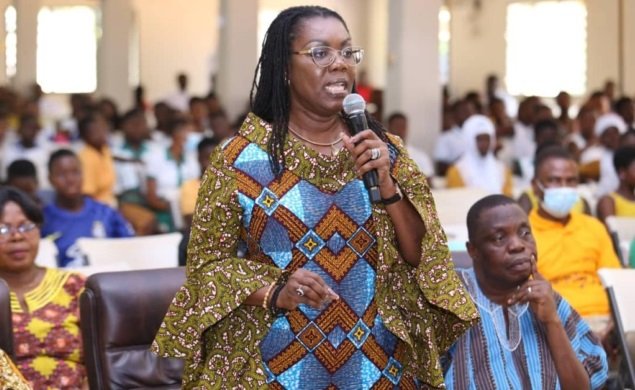
The Minister for Communications and Digitalization, Ursula Owusu-Ekuful, has hinted that Ghana is moving towards a direction where digital skills will be required in all forms of entrepreneurship and vocational fields.
According to her, the use of ICT tools will be made available to students at all levels in order to prepare them for the anticipated future.
Mrs. Ursula Owusu-Ekuful added that government would ensure that more rural areas are connected to some form of ICT through the support of the Ghana Investment Fund for Electronic Communication (GIFEC).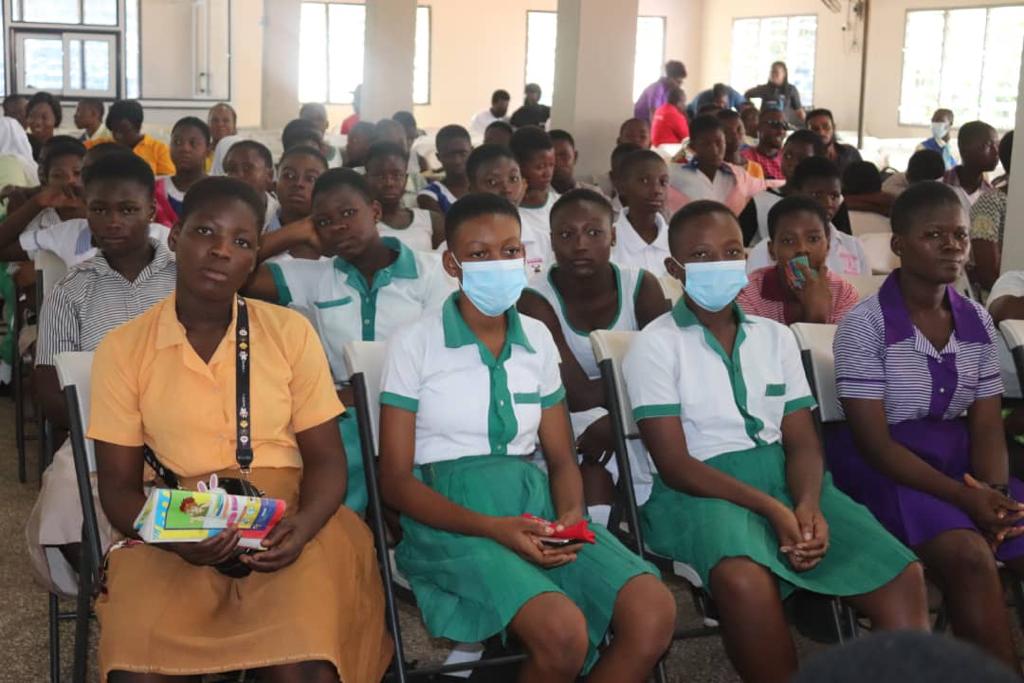
“ICT will be needed in all fields of work that we are doing as a people. The world is moving at a much faster rate that even if you want to be a mechanic, you will need ICT and digital education. ICT will push us in whatever work we want to do after school so let’s take the ICT training very serious from here. Government will do its best to equip you and make available ICT centres in most parts of the country so that we can all benefit from the internet revolution,” she said.
Mrs Owusu-Ekuful was speaking at the Mentorship Day for students in the Bono East Region who are participating in this year’s ‘Girls in ICT’ initiative.
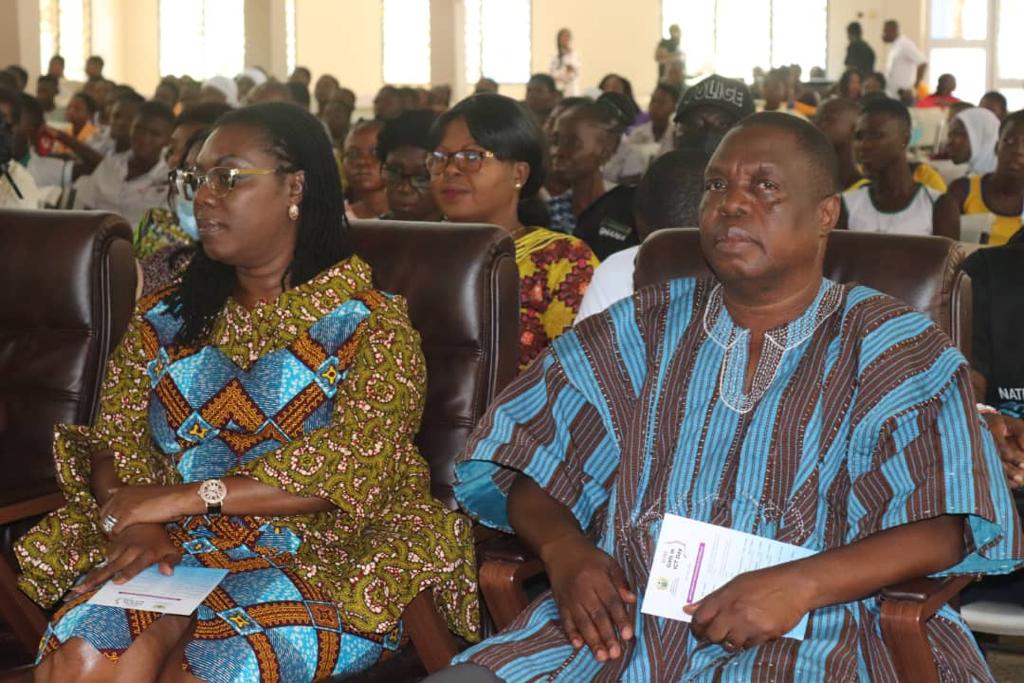
The ‘Girls in ICT’, which is an initiative by the International Telecommunication Union (ITU) and enhanced by the Ministry of Communications and Digitalisation, is aimed at enhancing girls’ skills in the field of information communication and technology.
The Mentorship Day event is part of initiatives by the Ministry to expose girls to women mentors in the ICT industry.
Under the theme: ‘Access and Safety’, the event is expected to train about 5,000 girls from basic and second cycle institutions in the five regions which have been selected this year. The regions are Bono East, Bono, Ahafo, Savanna and Northern.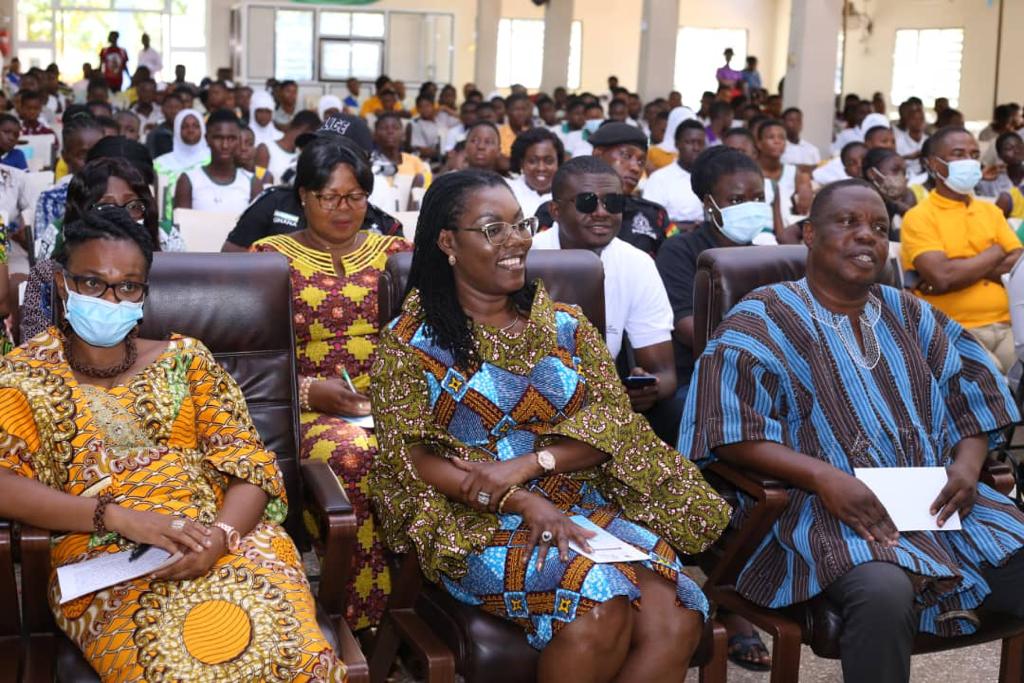
The mentors from academia, health and business used the occasion to encourage the girls to take advantage of the programme to further their education in computer science and other ICT education.
The Minister for Communications and Digitalisation also made a passionate appeal to their teachers to support the students in the chosen career of ICT.
On her part, a lecturer at the Department of Chemistry at the Kwame Nkrumah University of Science and Technology, Dr Mercy Badu, used the platform to sell the idea of science and technology to the girls.
She advised them to take their education seriously and focus on the goal of becoming career champions in their various fields since the world is moving in that direction.

“Be a strong person in whatever you want to do in science because it is one of the fields that help in solving problems in society – work hard towards it and you can achieve whatever dream you have in ICT,” she advised.
The programme for the Bono East Region will climax on Thursday, April 21, 2022, with a grand durbar after which the team will move to the other four selected regions.
Source: www.myjoyonline.com

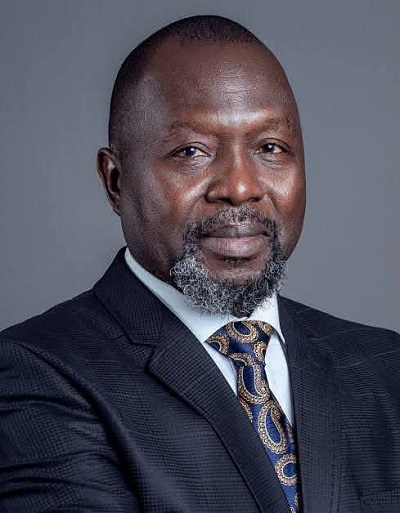
Attorney General and Minister for Justice, Dr. Dominic Ayine, has announced that the government has accepted the recommendation to abolish the death penalty and replace it with life imprisonment as part of the constitutional review process.
He said the proposed amendment would affect Articles 3, 13, 19 and 72 of the 1992 Constitution, with offences that previously attracted the death penalty instead carrying life imprisonment.
Dr. Ayine made the announcement on July 30, 2026, at the Jubilee House in Accra during the Government Accountability Series while outlining the government’s position on the final recommendations of the Constitution Review Committee.
According to him, the government believes the death penalty is inconsistent with the constitutional right to life and Ghana’s international human rights obligations.
He explained that the recommendation forms part of broader proposals aimed at strengthening the protection of fundamental human rights under the Constitution.
Dr. Ayine said the government had also accepted the spirit of several recommendations to expand rights relating to women, children, persons with disabilities, older persons and the youth.
He added that a comprehensive Human Rights Act would be introduced to protect these rights and provide detailed enforcement mechanisms instead of amending the entrenched provisions of the Constitution through a national referendum.
By: Jacob Aggrey
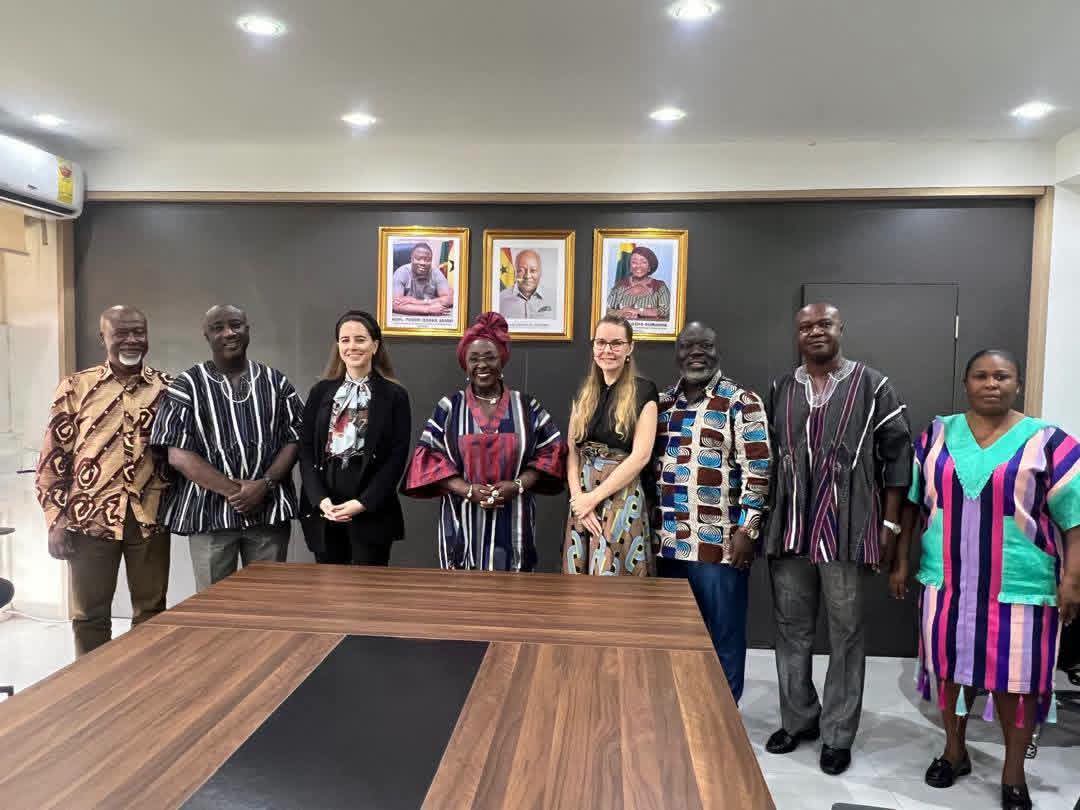
Minister for Tourism, Culture and Creative Arts, Abla Dzifa Gomashie, has called on both local and international investors to tap into opportunities in Ghana’s tourism, hospitality and creative industries.
Speaking in an interview yesterday with World Media USA Today, the Minister said government is committed to creating a conducive investment environment to support growth in the sector.
She highlighted key investment areas including hotels, fashion, music, film production, and tourism infrastructure.
Dzifa Gomashie also encouraged Ghanaians to invest in domestic tourism to help boost the local economy.
According to her, strategic investment in tourism and the creative economy will drive economic transformation, create jobs, and position Ghana as Africa’s gateway for heritage, culture, business and investment.
“Ghana has vast opportunities across tourism, hospitality and the creative industries. We are ready and open for business,” she stated.
The Minister’s remarks come as government intensifies efforts to leverage culture and tourism as drivers of economic growth and job creation.
By Edem Mensah-Tsotorme