News
Decline in vulture population poses danger to society – Wildlife Researcher

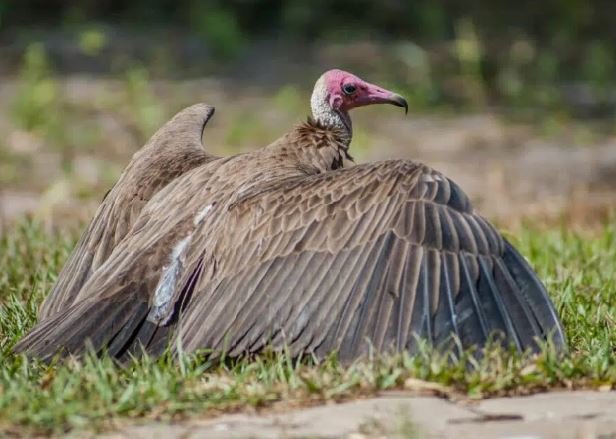
• Vultures are nature’s garbage collectors
The decline in population of vultures known in the local parlance as ‘pete or kokosakyi’ to a staggering 97 per cent predisposes society to diseases like cholera, rabies, botulism (food poisoning caused by bacteria) among others, which are mainly transmitted from infected wild and domestic animals.
Vultures which are nature’s garbage collectors are at a “very high risk” of extinction and their natural role of clearing carcasses and other organic waste found in the environment would not be felt.
Research and Project Officer of the Ghana Wildlife Society (GWS), Mr Joseph Kwesi Afrifa disclosed this alarming situation to this reporter to commemorate the International Vulture Awareness Day (IVAD) which falls today, September 3, 2022.
He said “Without vultures, decomposing dead and decaying matter will litter our environment and pose high risk to public health reminiscing a case in Indian 1994 Surat plague where carcasses left unattended among other sanitary problems, led to the spread of deadly diseases.”
This year’s (IVAD) theme “Vultures, our garbage crew” is to among other things highlight the importance of these birds, create awareness on the danger they face and garner support for their conservation.
On the importance of vultures, Mr Afrifa cited a recent research which said that up to about 70 per cent of carcasses left after the migration of wild beast from the Mara to the Serengeti in Tanzania were removed by vultures alone without any human intervention.
Vultures play significant ecological and economic roles in our environment, yet human activities such as non-selective poisoning, use of parts of vultures for rituals, trade in vulture parts for use in traditional medicines, persecution and habitat loss threaten their existence.
According to Mr Afrifa “another threat to vulture existence is when, some poachers, intentionally target the scavengers to cover up their activities so that they don’t hover to alert forest guards of the location of their crimes”.
The Ghana Wildlife Society (GWS), therefore, calls for vigorous education and adoption of the International Vulture Awareness Day (IVAD) nationwide, to sensitise the public to conservation of vultures to keep “our garbage crew” alive for future generations.
He said robust scientific research and technologies in monitoring vulture population with collaborative international conservation efforts would also go a long way in conserving vultures.
Mr Afrifa said that Hooded vultures were the most common vultures in Ghana, with others like the White-backed, White-headed, Rüppell’s and Egyptian vulture which had been recorded in different locations in the country.
“So anytime you see a vulture remember they are the ones keeping our environment clean from decomposing dead and decaying matter, they are environmental heroes not witches as some misconstrue”, he emphasised.
By Portia Hutton-Mills


The Ghana Health Service (GHS) will undertake a nationwide Human Papillomavirus (HPV) vaccination exercise in schools from October to December 2026 to protect eligible girls against cervical cancer and other HPV related diseases.
The exercise, organised in collaboration with the Ghana Education Service (GES) and its partners through the School Health Education Programme (SHEP), will be conducted in two rounds.
The first round is scheduled for October 19 to 23, 2026, while the second will take place from November 30 to December 4, 2026.
In a press release dated October 19, the GHS explained that health workers would visit schools across the country to vaccinate eligible girls aged 9 to 14 who have not yet received the HPV vaccine.
The exercise forms part of efforts to raise awareness about the routine HPV vaccine, increase vaccination uptake and strengthen the country’s routine immunisation programme.
The GHS has called on school authorities, parents, guardians, teachers and community leaders to cooperate with health teams to ensure the successful implementation of the exercise.
The Service reaffirmed its commitment to protecting the health and well-being of Ghanaians, particularly children, through vaccination and other public health interventions.
By: Jacob Aggrey

Vice President Professor Jane Naana Opoku-Agyemang has held high-level discussions with organisers of the 2026 Global South Academic Forum in Shanghai, seeking to draw lessons from China’s acclaimed rural revitalisation and poverty reduction drive.
The meeting, led by the Forum Chair, Professor Lu Xinyu, explored practical areas of cooperation and knowledge exchange between Ghana and China, with focus on community-driven development, fisheries and aquaculture, local governance, sports initiatives, and infrastructure development.
According to officials, the engagement is part of a broader effort by the Ghanaian government to study tested development models that can be adapted to the local context to promote inclusive growth, empower local communities, and improve livelihoods across the country.
China’s success in lifting over 800 million people out of poverty through targeted rural policies, investment in agriculture and local infrastructure has become a global reference point for developing nations.
The Vice President’s team says insights from the Forum will help inform policy direction, particularly in strengthening decentralised governance, boosting the fisheries and aquaculture sector, and investing in community-level infrastructure and youth sports development.

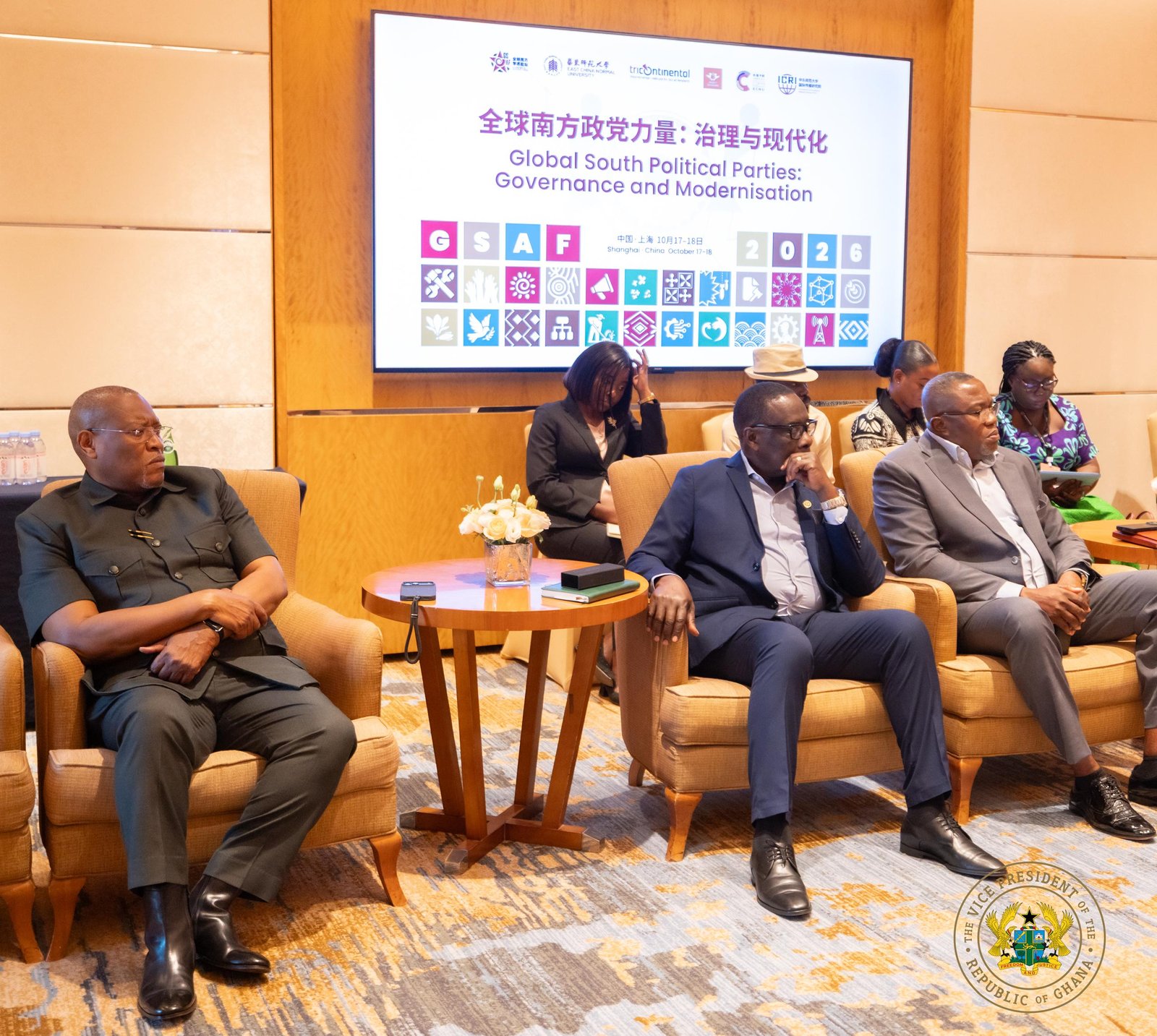

Professor Opoku-Agyemang is expected to continue engagements with academic and development institutions while in China.
By Edem Mensah-Tsotorme