Health Essentials
Constipation; ‘diarrhoea’ of information on this


Constipation can contribute to abdominal pain and bloating
I have been wondering why I have this urge to write about constipation soon after the month of May during which we indulged in issues of blood pressure. This may have been influenced by the frequent complaints I hear day in day out about constipation. Do all these complaints qualify to be described as constipation?
Many people would rather not talk about constipation but if you have suffered from a bout or two you will definitely appreciate how painful and frustrating it may be. There is this other group of people who is obsessed with constipation and believes that all their problems will be solved once they can move their bowels frequently. Their bad mood is blamed on constipation, poor appetite also assumed to be from constipation and constipation cannot be excluded from any bout of headache they experience. This category of people swears by enemas and some of the concoctions they resort to could corrode the best of intestines.
Constipation may present as infrequent bowel movements or extremely hard stools that may cause unbearable pain. Periodic constipation may be relieved by the appropriate diet, proper hydration and exercise but chronic constipation is often more worrying and may require medical attention. Do not force yourself to be someone else, as individuals our bowel movements vary. Some may go up to three times a day while for others three times a week is just right. Listen to your body. It may appear absurd that we are discussing constipation at a time that Accra is flooded with diarrhoea stools and scattered black bags but some people may find this life-saving.
We will focus on chronic constipation, which occurs when we experience two or more of the following for at least three months;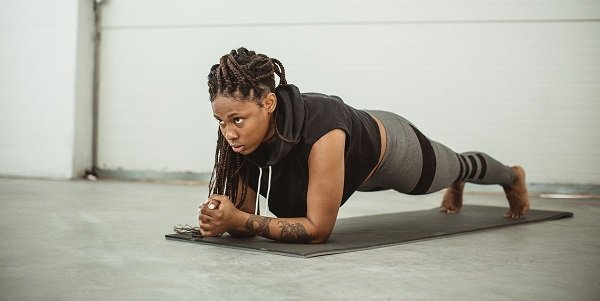
• Less than three bowel movements in a week
• Hard stools that are difficult to pass
• Straining to move bowel
• Abdominal discomfort and bloating
• Frequent use of enemas and laxatives
• A sensation that your bowel is never really empty.
COMMON CAUSES OF CONSTIPATION
• Lack of exercise
– Regular exercise promotes muscle contraction in walls of the intestine.
• Poor water or fluid intake
– Drink about two litres of water a day
• Poor diet
– Ensure you have a lot of fibre in your meals
– Fruits and vegetables a must and go easy on refined foods such as polished rice.
• Change in routine
– Change in diet and time for meals as well as a lack of proper facilities to move bowel can all set the stage for constipation.
• Ignoring the urge
– If you have to go get the right place and go. Ignoring the urge frequently could lead to constipation but can we blame those who ignore the urge because they have to pay money for every single episode?
• Overuse of laxatives
– This is akin to teaching your bowel to wait for assistance before it performs.
• Certain medical conditions
– Medical conditions such as diabetes, anxiety and depression, abnormal potassium and calcium levels and an underactive thyroid have all been blamed.
• Bowel Disease
– Several of these and may include irritable bowel syndrome and tumours
• Pregnancy
– Changes in hormones or pressure on the intestines from the foetus may cause constipation.
• Side effect of some medication
– Some pain medicines and even some vitamins and supplements may have constipation as a side effect.
• Local pain
– Pain around the anus from infected haemorrhoids or cuts may lead one to suppress the urge.
For some of us the problem may be simpler than we can imagine; our intake is so little the body absorbs virtually everything. This scenario is very common in exclusively breast fed babies and may not be classified as constipation.
DO NOT IGNORE THE FOLLOWING
Quite often we delay seeking help for constipation but whenever you have any of the following it is better to act fast:
• New constipation
• Fever
• Rectal pain
• Bleeding from the anus
• Anaemia
• Abdominal pain with vomiting
• Weight loss
• Family history of colon cancer or other bowel disease.
THE UGLY SIDE OF CONSTIPATION
Chronic constipation may lead to developing haemorrhoids which may bleed or become painful, tears in anal tissue from hard stools that worsen the constipation and straining may even push rectal tissue out through the anus and may require surgical repair.
MANAGEMENT
Prevention is key and the focus should be on lifestyle modification. In some cases especially involving adults, health professionals may need to manually evacuate impacted stools from the rectum. Medications may be needed or as the causes showed one may have to stop taking some medicines and also certain conditions will need to be treated to stop the constipation.
The least we should all do is to eat meals that are rich in fibre and as stated earlier it includes fruits and vegetables, bran, nuts and seeds. Do not forget to drink adequate amounts of water or other healthy fluids and make sure you exercise almost every day to help speed the transportation of waste through the intestine. This is also a bonus for those who exercise regularly because they get some protection from colon cancer. Last but not least; establish a routine and whenever you feel the urge answer in a civilised way and place.
AS ALWAYS LAUGH OFTEN, ENSURE HYGIENE, WALK AND PRAY EVERYDAY AND REMEMBER IT’S A PRICELESS GIFT TO KNOW YOUR NUMBERS (blood sugar, blood pressure, blood cholesterol, BMI)
Dr. Kojo Cobba Essel
Health Essentials Ltd/ Mobissel
(dressel@healthessentialsgh.com)
*Dr. Essel is a medical doctor, holds an MBA and is ISSA certified in exercise therapy, fitness nutrition and corrective exercise. He is the author of the award-winning book, ‘Unravelling The Essentials of Health & Wealth.’
THOUGHT FOR THE WEEK – “although chest pain is commonly attributed to heart disease, many people with heart disease say they experience a vague discomfort for which PAIN doesn’t seem to be an adequate description”
References:
• Chronic Constipation – Harvard Medical School (Patient Education Center) – leaflet
By Dr. Kojo Cobba Essel


A good relationship with your boss is critical for job success and career development. Supervisors have a great influence on your stress level, your team and company culture, and ultimately, whether you succeed or fail in a role.
They are also your best resource for support, problem-solving, and personal development. Building a strong relationship with them can be transformative for your work experience and professional growth, but navigating this connection can be complex.
Here are some key values and characteristics that will help you along the way.
- Be authentic
It is important to be yourself when building any new relationship. Do not be over-the-top trying to impress or kiss up to a manager. Be authentic and try to build a genuine connection with them instead. This will be incredibly helpful when it comes to dealing with personal issues, having difficult conversations, and building trust.
- Be empathetic and respectful
Bosses are human beings with their own professional pressures and personal lives, so it is important to maintain empathy toward them. Strive to get to know them on a personal level; you do not need to be best friends, but knowing the basics, like their family and hobbies, can be meaningful.
Also, help your supervisor look good. Every leader wants a high-performing and successful team. By developing trust, understanding, and excellent communication, you can help your boss achieve their goals.
- Build trust and add value
Showing initiative will win you big points with almost any boss. Whether setting up regular one-on-ones, volunteering for new projects, or offering help, the benefits of this dedication are twofold.
Proactivity makes leaders feel supported-like you are looking out for them. It also provides opportunities for your individual growth.
Whenever possible, add value beyond the limitations of your job description. Whether you have a special interest or extra capacity, find ways to support your team and relieve pressure. – Source:careers.vikingservice.com
..To be continued
This week I bumped into Deborah, one of my avid readers and I promised her I will be writing this weekend. So Deborah, this is for your reading pleasure and to pick some golden nuggets for the future.
The quest to find the best way to make one’s golden years, happy, exciting, healthy and a time most people look forward to continues unabated. One factor that keeps popping up is the need to grow friendships with people more than 20 years younger than yourself.
Do not take this for granted. It is a form of “social security” since these close friends who are much younger than you will step in to support you in more ways than you can ever imagine.
Some conditions may make life challenging for older adults but knowing these Geriatric Giants helps us to take the necessary steps to reduce our risk.
“Geriatric Giants” refers to a group of chronic health conditions that are common in the elderly, typically 65-year-olds and older.
These conditions quite often co-occur and can impact on the independence, dignity and overall wellbeing and quality of life of an elderly person.
These Geriatric Giants include:
- Impaired Intellect/ Memory (e.g. Dementia)
- one of the major battles we need to deal with is challenges with memory
- Exercise, adopt the Mind Diet, build a great social network and enjoy time outdoors
- Keep reading and solving puzzles for as long as possible
- Instability – leading to much feared falls
- A good reason to indulge in Balance Training and Core Strengthening exercises from today
- Ensure your home is safe; avoid clutter such as cables crisscrossing floors, toys etc. These are all trip hazards and should be avoided
- Many healthy, happy and fun-loving older adults have died soon after a fall with its attendant complications.
- Do whatever it takes to avoid falling
- Immobility (opening the doors to pressure sores, joint stiffness)
- Even when you are unable to move about on your own it is important to get support to change positions as often as possible or get an appropriate mattress or bed that prevents prolonged pressure over any single point.
- Make sure you passively or actively move joints daily.
- Incontinence (urine, faeces or both)
- This is one of the reasons older adults prefer to stay at home and avoid going out to meet friends etc.
- Iatrogenic Disorders – adverse effect of medication
- Quite often most older adults are on several medications and some side effects such as drowsiness may seem to cause more unhappiness and may even lead to falls.
- Inappetite – this may result in poor nutrition
- This may also be linked to loss of teeth thus making chewing very difficult or limited.
- The loss of smell and taste may also reduce the amount of food one may willingly eat.
The power to reduce the impact of the Geriatric Giants starts now and should be a lifetime commitment. It is never too early to start making the appropriate lifestyle modifications, nor is it too late to reduce the impact of the giants on one’s life.
Other conditions that significantly impact on the lives especially of the elderly are:
- Sleep Disorders
- Good sleep has the power to give us energy, improve our thought pattern and even helps us to make good choices.
- Good sleep sets the tone for a healthy life
- Constipation
- This is a challenge that confronts quite a number of older adults.
- Movement, fibre and lots of water go a long way to reduce the stress that frequent constipation generates.
- Fraility
- Muscle loss is real and as we age, we lose a significant percentage of our muscle plus our bones also become brittle.
- Make sure strength training is part of your exercise schedule
- Polypharmacy
- Another headache that needs to be confronted head-on
- Everyone especially older adults need a good primary care physician or a general practitioner who can coordinate all medicines from the different Specialists who may be attending to an elderly person. This ensures that unnecessary medicines are dropped
The goal of care at all times is to optimise the quality of life. As family, professional caregivers and friends we should always show respect so that the dignity of the elderly is preserved at all times. For those of us who are not yet in the age group with such challenges, we need to start the conversation about the type of care we will prefer and take steps to stay healthy and independent for as long as possible. The goal should be a long Healthspan and not just a long Lifespan.
AS ALWAYS LAUGH OFTEN, ENSURE HYGIENE, WALK AND PRAY EVERYDAY AND REMEMBER IT’S A PRICELESS GIFT TO KNOW YOUR NUMBERS (blood sugar, blood pressure, blood cholesterol, BMI)
Dr. Kojo Cobba Essel
Health Essentials Ltd (HE&W Group)
(dressel@healthessentialsgh.com)
*Dr. Essel is a Medical Doctor with a keen interest in Lifestyle Medicine, He holds an MBA and is an ISSA Specialist in Exercise Therapy, Fitness Nutrition and Corrective Exercise. He is the author of the award-winning book, ‘Unravelling The Essentials of Health & Wealth.’
Thought for the week – “There is no magic formula to being happy but making a conscious effort to be happy goes a long way.” – Dr. Kojo Cobba Essel
By Dr. Kojo Cobba Esse