News
Church elder can’t wait for God …consults river deity on wife’s infidelity


● He dumped the Bible and sought help elsewhere
Church elder who could no longer contain the infidelity of his wife put the Bible aside and sought redress from a river deity instead.
He believed waiting for God to address his issue might delay hence the decision of Mr Moses Grushi also known as Father Moses, to drag his wife before Koteafere, a river deity at Agyirnia near Bibiani in the Western North Region for speedy resolution.
Lo and behold his plan worked like magic as his wife readily confessed having affair with a Deacon in her husband’s church (name withheld).
The culprit was identified as Deacon Emma.
Mr Grushi had for sometime been suspecting his wife of “Conjugal infidelity” but lacked scintilla of evidence to prove his case.
But his decision to consult the river goddess solved this puzzle timeously to his satisfaction.
Speaking to a local radio station here in the presence of The Spectator, Father Moses said he had three children with the wife with the third child being six months old.
He said that the deacon mostly held church service in the evening at about 9:00pm and would invite the wife.
“Anytime he invited my wife, he would ask her if I were around, something that made me suspicious”, he indicated.
According to Father Moses, he was compelled to contact Nana Kwaku Amoah, Chief of Sefwi Brahabebome, who led him to the river goddess.
At the shrine, he stated that he promised the deity a fowl and a sheep if the secret would be revealed.
He said two days after the consultation, the wife’s demeanour changed and she confessed she had been having affair with the deacon.
“If I had told people that the deacon was having an affair with my wife, it would have been difficult to believe, hence I took the decision to consult the deit.
“I did not mean to disgrace him (Deacon), I only wanted the truth of the matter to come out”, he stressed.
Father Moses further said that after the confession, he went back to Nana Kwaku Amoah to fulfill his pledge to the deity.
Nana Kwaku Duah also confirmed the incident saying “Father Moses honoured his promise and he led him again to the shrine to offer the fowl and sheep”.
From Kingsley E. Hope, Kumasi


The Ghana Health Service (GHS) will undertake a nationwide Human Papillomavirus (HPV) vaccination exercise in schools from October to December 2026 to protect eligible girls against cervical cancer and other HPV related diseases.
The exercise, organised in collaboration with the Ghana Education Service (GES) and its partners through the School Health Education Programme (SHEP), will be conducted in two rounds.
The first round is scheduled for October 19 to 23, 2026, while the second will take place from November 30 to December 4, 2026.
In a press release dated October 19, the GHS explained that health workers would visit schools across the country to vaccinate eligible girls aged 9 to 14 who have not yet received the HPV vaccine.
The exercise forms part of efforts to raise awareness about the routine HPV vaccine, increase vaccination uptake and strengthen the country’s routine immunisation programme.
The GHS has called on school authorities, parents, guardians, teachers and community leaders to cooperate with health teams to ensure the successful implementation of the exercise.
The Service reaffirmed its commitment to protecting the health and well-being of Ghanaians, particularly children, through vaccination and other public health interventions.
By: Jacob Aggrey
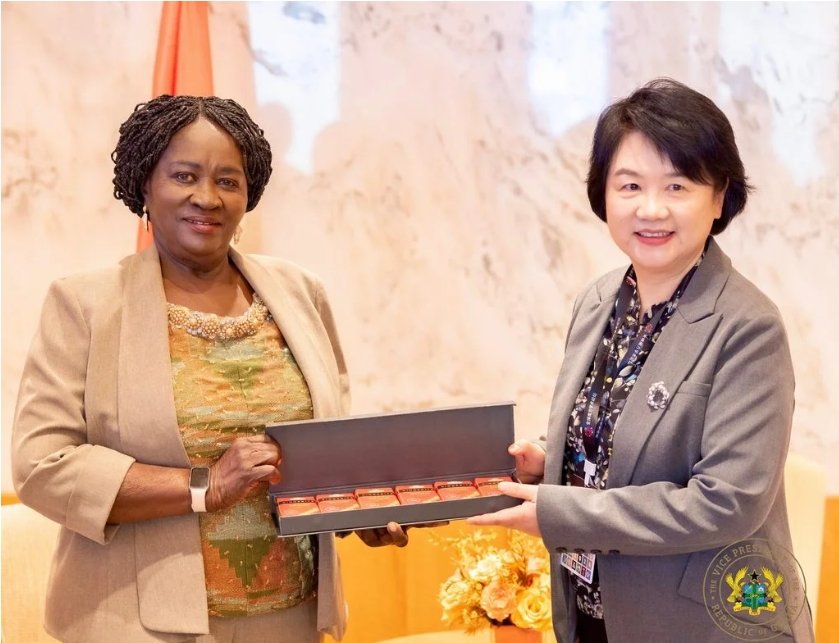
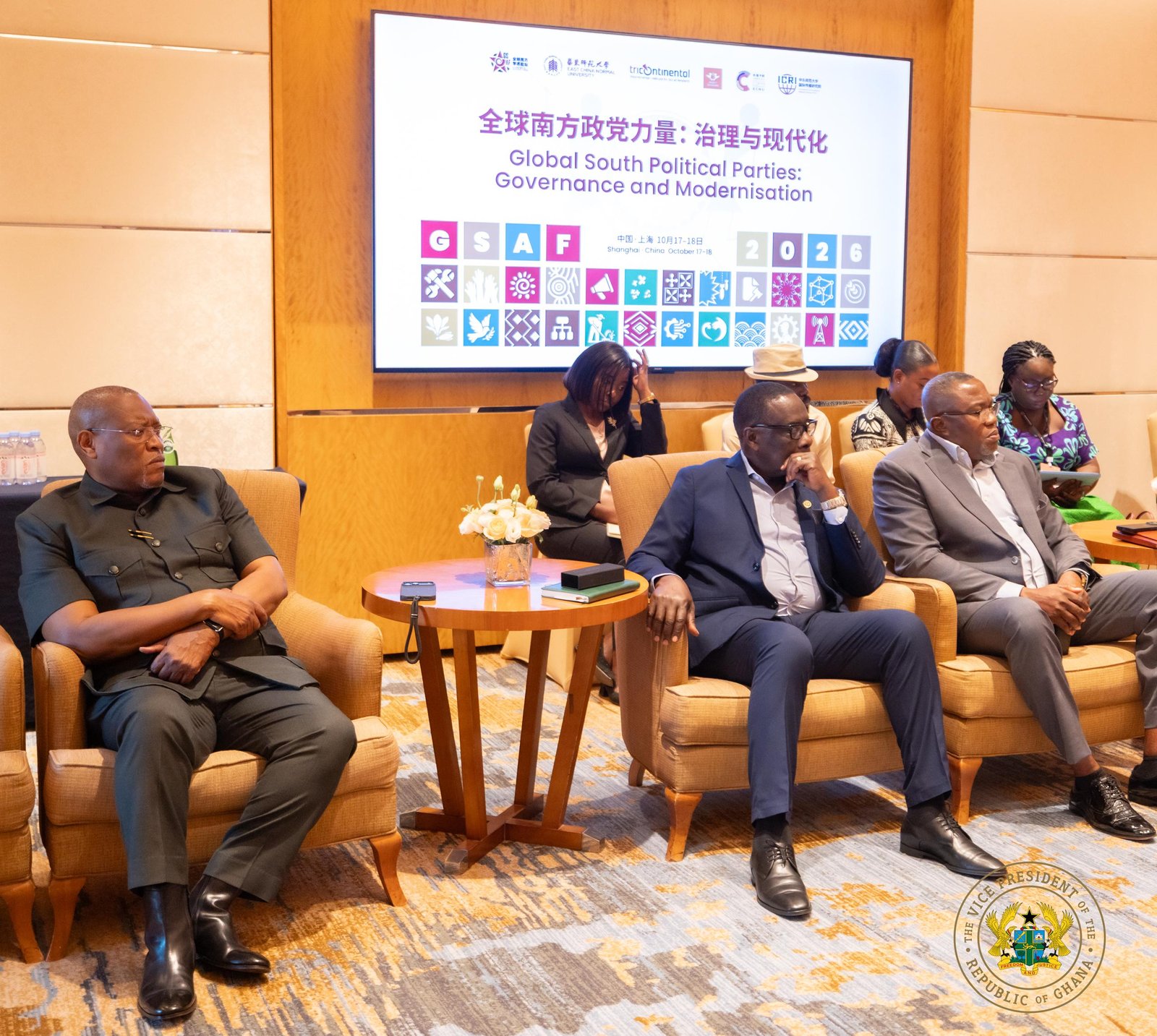
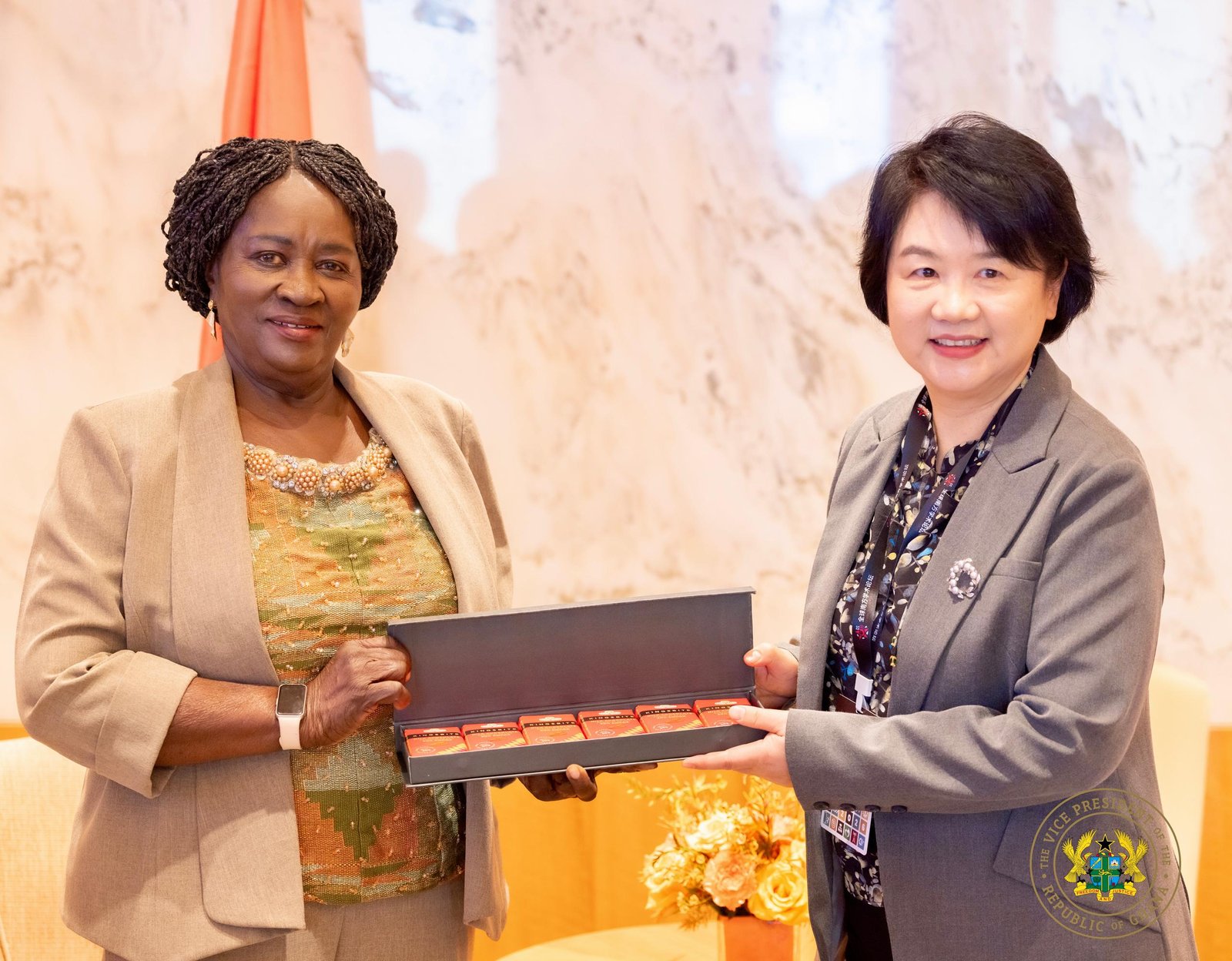
Vice President Professor Jane Naana Opoku-Agyemang has held high-level discussions with organisers of the 2026 Global South Academic Forum in Shanghai, seeking to draw lessons from China’s acclaimed rural revitalisation and poverty reduction drive.
The meeting, led by the Forum Chair, Professor Lu Xinyu, explored practical areas of cooperation and knowledge exchange between Ghana and China, with focus on community-driven development, fisheries and aquaculture, local governance, sports initiatives, and infrastructure development.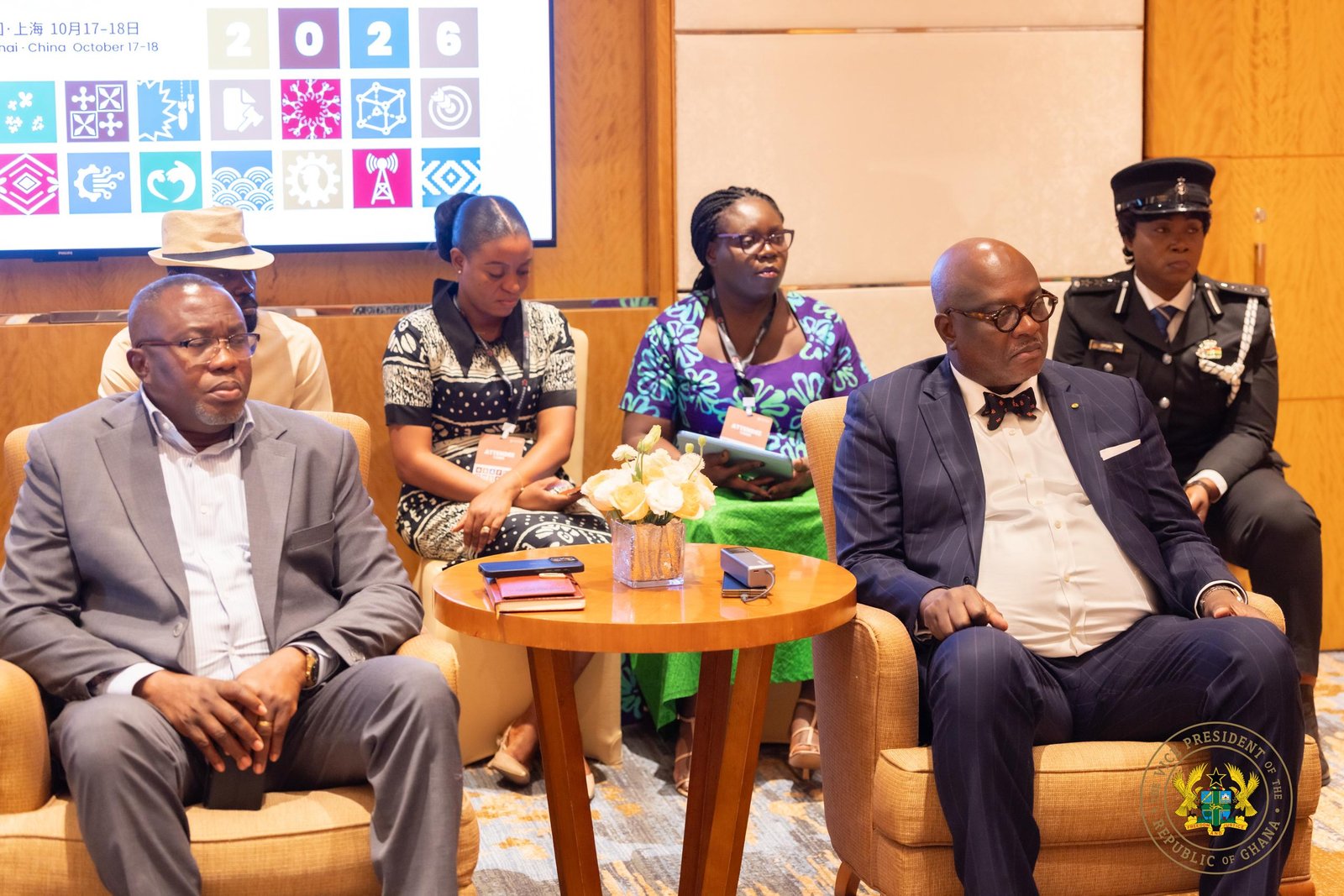
According to officials, the engagement is part of a broader effort by the Ghanaian government to study tested development models that can be adapted to the local context to promote inclusive growth, empower local communities, and improve livelihoods across the country.
China’s success in lifting over 800 million people out of poverty through targeted rural policies, investment in agriculture and local infrastructure has become a global reference point for developing nations.
The Vice President’s team says insights from the Forum will help inform policy direction, particularly in strengthening decentralised governance, boosting the fisheries and aquaculture sector, and investing in community-level infrastructure and youth sports development.
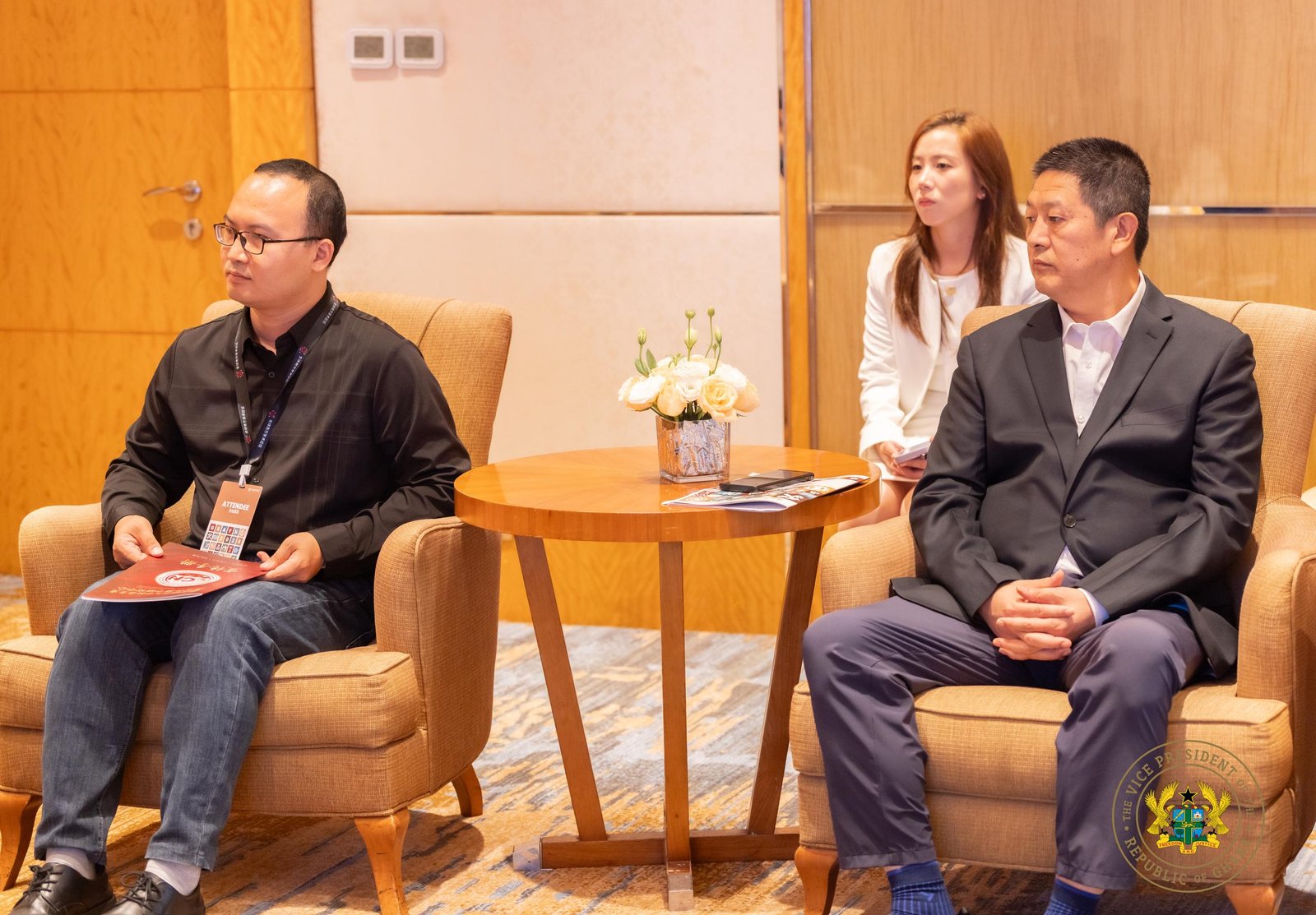
Professor Opoku-Agyemang is expected to continue engagements with academic and development institutions while in China.
By Edem Mensah-Tsotorme