News
Cassava leaves, vital but ignored nutrition treasure – Scientist

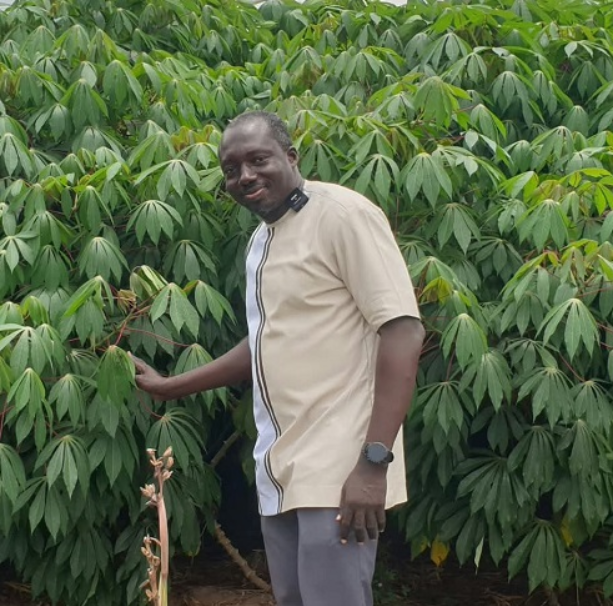
With over one million hectares of farmland across Ghana currently devoted to cassava production, the nation is harvesting tens of millions of metric tonnes of starch every year.
Yet, across the major farming belts, an overlooked nutrition powerhouse – the cassava leaf, is being left to wither on the stalk.
While the private sector focuses overwhelmingly on the multi-million-cedi market for fresh cassava dough, industrial starch, and gari, top agricultural scientists and nutritionists warn that ignoring the green cassava leaves was a major missed opportunity for national nutrition and economic growth.
This was disclosed by Dr Kwaku Owona Hwesofour Asante, a Research Scientist and Principal Investigator for Agroecology and Circular Economy Systems Services at the CSIR-Crops Research Institute (CRI).
He made the disclosure when he spoke on the immense economic and nutritional potential of the cassava crop in an interview, following a workshop on Geophysics for Climate-Smart Agriculture last Wednesday.
He emphasised that traditional habits have long overlooked the cassava leaf which he described as a vital resource in nutrition.
According to Dr Asante, “our upbringing did not incorporate cassava leaf consumption. Most people grew up knowing cassava primarily for its starchy roots, but research and neighbouring cultures have proven that the leaves are exceptionally rich in proteins and antioxidants.”
According to Dr Asante, cassava leaves boast a crude protein content ranging between 17 per cent and 38 per cent on a dry weight basis. Crucially, while every human body requires 20 amino acids to build tissue and maintain health, cassava leaves alone can supply more than 10 of these essential building blocks.
“Every human being needs 20 amino acids, and cassava leaves can produce more than 10 of them,” Dr Asante noted. “If you are enjoying cassava leaves, it is just like eating fish or eggs for protein.”
Beyond combatting malnutrition, utilising cassava leaves offers a compelling business case for private enterprise. In a circular agro-economy, harvesting the canopy alongside the root doubles a farmer’s output without requiring extra land, fertilisers, or water.
While raw leaves contain natural cyanogenic glucosides that require proper processing—specifically pounding and boiling for 15 to 20 minutes to neutralise toxicity—processed leaves can be commercialised into frozen culinary greens, dried protein powders, or livestock feed concentrates.
According to Dr Asante, key policymakers have already been made aware of the vast nutritional and economic benefits of cassava leaves.
Researchers at the CSIR-Crops Research Institute remain optimistic that these leaders will escalate the issue directly to the government, ensuring policy action was taken to elevate cassava leaf consumption onto the national food programme.
FROM KINGSLEY E.HOPE, KUMASI
SKIP THE QUEUE, TAP THE NEWS
You can now read the Ghanaian Times and The Spectator newspapers from the comfort of your device via TimesNewsPlus.
Join our WhatsApp Channel: https://whatsapp.com/channel/0029VbBElzjInlqHhl1aTU27








A member of the National Democratic Congress (NDC), Dr. Sammy Ayeh has picked up nomination forms to contest for the position of Deputy National Communications Officer position.
Announcing his intention, Dr. Ayeh said he is offering himself to help communicate the party’s vision clearly and connect its message with the aspirations of Ghanaians.
He expressed deep gratitude to the party’s National Communications Officer, Lawyer Sammy Gyamfi, describing him as an able leader on whose shoulders he has risen.
“His exceptional leadership, mentorship and confidence in me have shaped my journey and strengthened my resolve to serve,” Dr. Ayeh stated.
He said if elected, he will seek to build on that foundation by strengthening research-driven communication, empowering grassroots communicators, and enhancing strategic media engagement.
Dr. Ayeh humbly appealed to party members and supporters for their support.
By Edem Mensah-Tsotorme
The Data Protection Commission has called on the Minority Caucus in Parliament, the Ministry of Foreign Affairs, JoyNews and other media houses to protect the personal information of 1,964 Ghanaians evacuated from South Africa.
In a press release issued on Tuesday, October 20, 2026, the Commission expressed concern over the public disclosure of the evacuees’ personal details, including their names, signatures and records of financial assistance received.
It warned that making such information public could expose the affected individuals to identity theft, fraud and other forms of harm, especially given the threats to their safety that some of them may have faced.
The Commission explained that the 1992 Constitution protects the dignity and privacy of every individual. It also cited the Data Protection Act, 2012 (Act 843), which sets out rules for the lawful collection, use and disclosure of personal information.
While acknowledging the importance of transparency, parliamentary oversight, the right to information and press freedom, the Commission stressed that these principles do not automatically justify the unrestricted publication of personal details.
It said the disclosure of the records by the Minority Caucus, the Ministry of Foreign Affairs, JoyNews and other media organisations must be assessed based on the law, the purpose of the disclosure and the privacy rights of the individuals involved.
The Commission further noted that although the Ministry of Foreign Affairs and Parliament are registered data controllers in good standing, their registration does not exempt them from their legal responsibilities under the Data Protection Act.
It has therefore urged all the parties involved to take appropriate steps to protect the affected individuals, including immediately restricting access to or removing personal details from publicly available records where their continued disclosure is not legally justified.
The Commission announced plans to conduct a regulatory review to determine whether the disclosures had a lawful basis, what safeguards were applied and whether the privacy rights of the evacuees had been adequately protected.
It said it would engage the relevant parties as part of the review and take appropriate regulatory action if any breach of the law is established.
The Commission reiterated that protecting personal information and respecting human dignity must remain central to efforts to promote public accountability.
By: Jacob Aggrey