Fashion
British Vogue features Kel Vincent – Africa’s Style God


- /home/u249204778/domains/spectator.com.gh/public_html/wp-content/plugins/mvp-social-buttons/mvp-social-buttons.php on line 27
https://spectator.com.gh/wp-content/uploads/2020/06/Kelvin-Vincent.jpg&description=British Vogue features Kel Vincent – Africa’s Style God', 'pinterestShare', 'width=750,height=350'); return false;" title="Pin This Post">
- Share
- Tweet /home/u249204778/domains/spectator.com.gh/public_html/wp-content/plugins/mvp-social-buttons/mvp-social-buttons.php on line 72
https://spectator.com.gh/wp-content/uploads/2020/06/Kelvin-Vincent.jpg&description=British Vogue features Kel Vincent – Africa’s Style God', 'pinterestShare', 'width=750,height=350'); return false;" title="Pin This Post">
When Ghana-based stylist Kelvin Vincent discovered the #VogueChallenge, he pressed pause on posting a magazine cover.
The creative, who also runs a contemporary sustainable fashion brand called ANKV, is “not someone who likes to jump on trends,” he tells British Vogue. But, when he found out that editor-in-chief Edward Enninful was curating his favourite submissions, Vincent did a volte face. “It took me all night,” he says of placing the Vogue logo on his portrait of Grace Naa Ayorkor Quaye wearing a voluminous red dress by Yartel.
“I felt I wouldn’t stand a chance, because [at that time] there were about 50,000 #VogueChallenge posts. I did it anyway, and the rest is history.”
Vincent’s striking cover image is part of a wider fashion editorial, entitled The Fierce Muslim. Shot during Ramadan, Vincent “wanted to create fierce fashionable images that Muslim women can relate to,” he explains. “I wanted to tell them to stand firm on what they want, despite the racism, extremism, Islamophobia, and the popular stereotyping of Arab women as weak and voiceless.”
“I know women go through a lot of discrimination worldwide but I’ve actually seen it with my own eyes in Africa,” Vincent continues. “It hurts.” A staunch activist and feminist – “I always talk about unspoken cultural biases and norms every chance I get” – the creative director describes his #VogueChallenge entry as “a political move”. “I don’t know how I can change the world, but I know people enjoy creativity, so I’m going to change the mindset of people with creativity one day at a time.”
It took Vincent a week to curate the fashion for the editorial, and four days to shoot the project. Finding the right shade of red for the model’s dress was crucial because, Vincent explains, “red signifies anger and rage, courage and strength, passion and romance” – the myriad emotions he wanted to encapsulate in the pictures. The location, too, proved tricky. “We wanted to shoot at a mosque to capture the Muslim culture, but we were not allowed to for religious reasons,” shares Vincent. “I had to go back to the drawing board four times before we finally achieved what we wanted.” The energy of his collaborators – photographer Duke Tetteh-Quarshie and make-up artist Valerie Lawson – meant “magic” eventually happened on set.
Raising up fellow artists is central to Vincent’s work. “African creatives have really shown that we can own a piece of the pie, but we’re still looked at as one-dimensional,” he opines. “People are not exposed to many opportunities. I know how that feels. It feels like there’s no hope. So when I see a fellow creative doing the best they can and not being acknowledged, why would I not want to lift them up? When I rise, I don’t rise alone. It’s Africa I’m putting on the fashion map.”
pulse.com


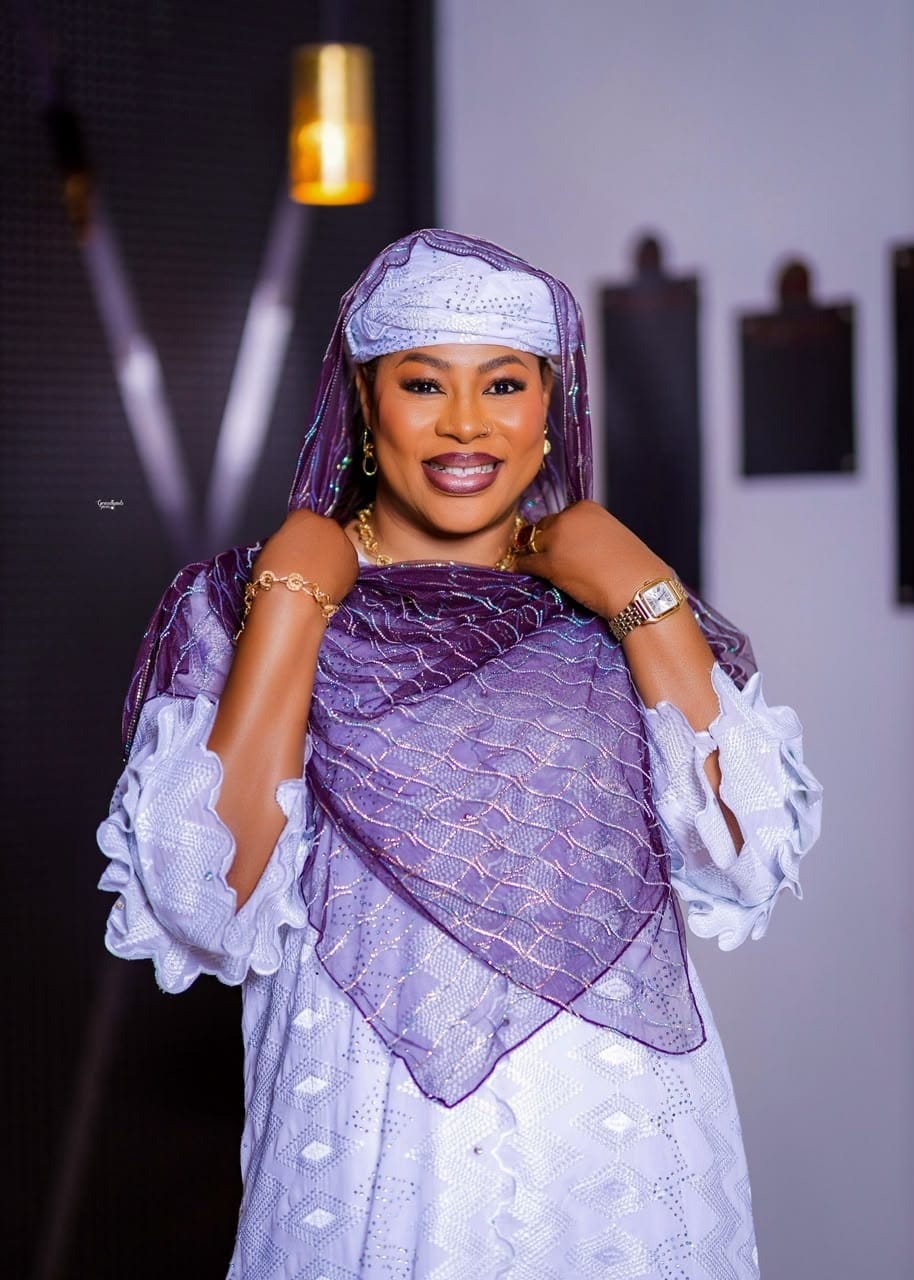
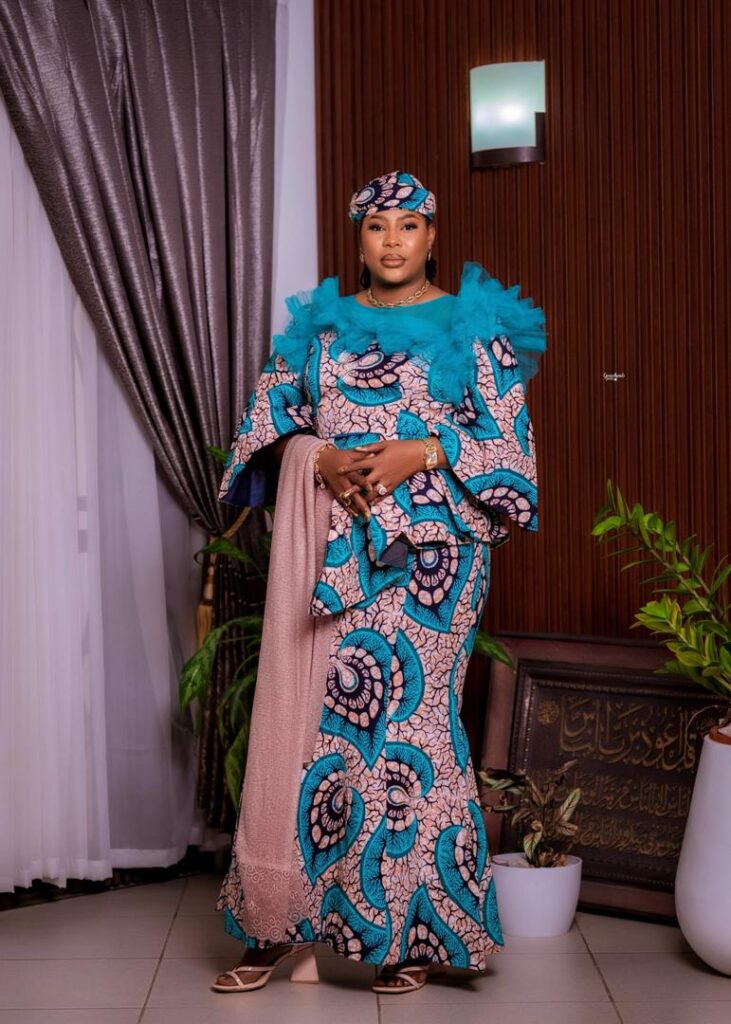
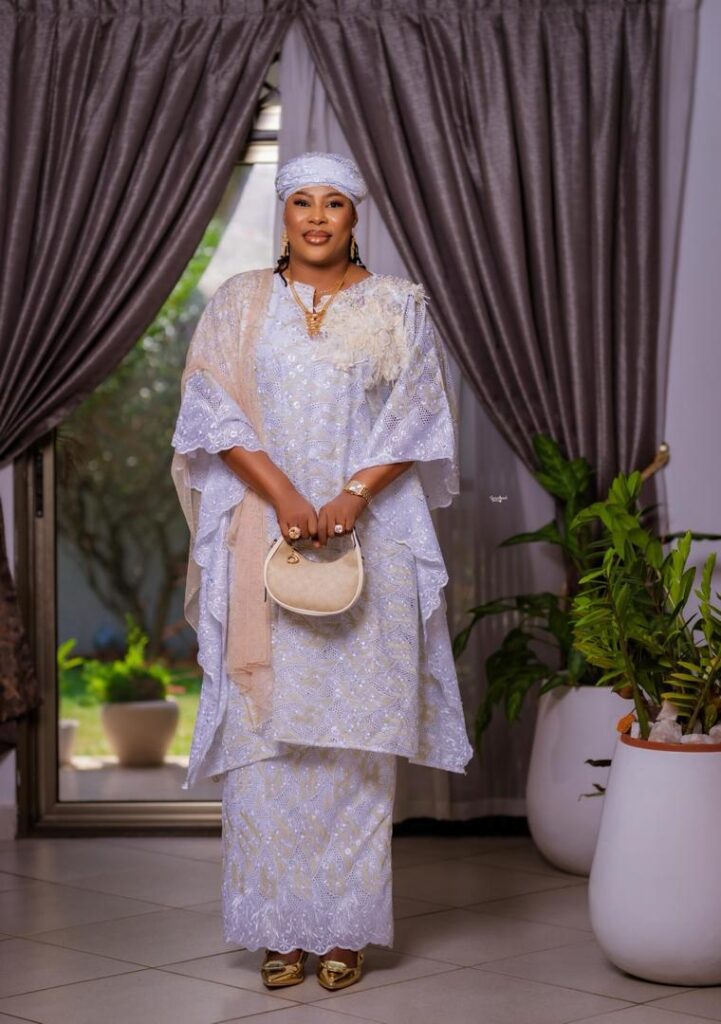
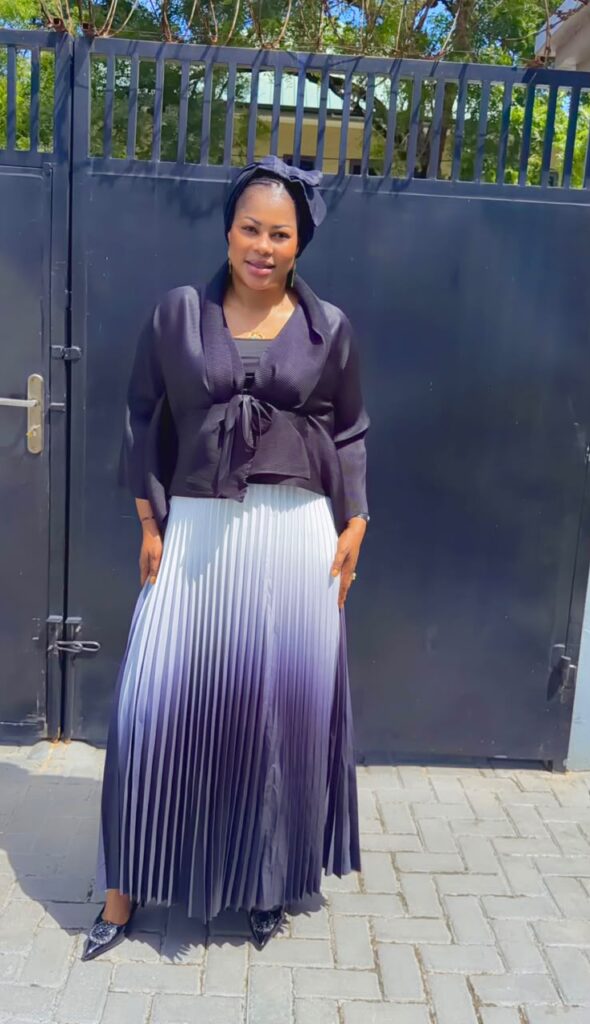
Adiza Ibrahim, is proving what it means to be a modern style icon in Ghana. By day, she commands corporate rooms as a top marketing executive as well as a fashion consultant, boutique owner, and lifestyle strategist.
Her signature looks proves that modesty and high fashion belong on the same runway. She has consistently demonstrated elegance, confidence and a refined sense of fashion in both modern and traditional style.
Adiza is not just a consumer of fashion; she is a critic and an educator. She actively pushes local designers to elevate their craft.
For her, fashion is a tool that demonstrate your cultural identity and make you hold onto your national pride.
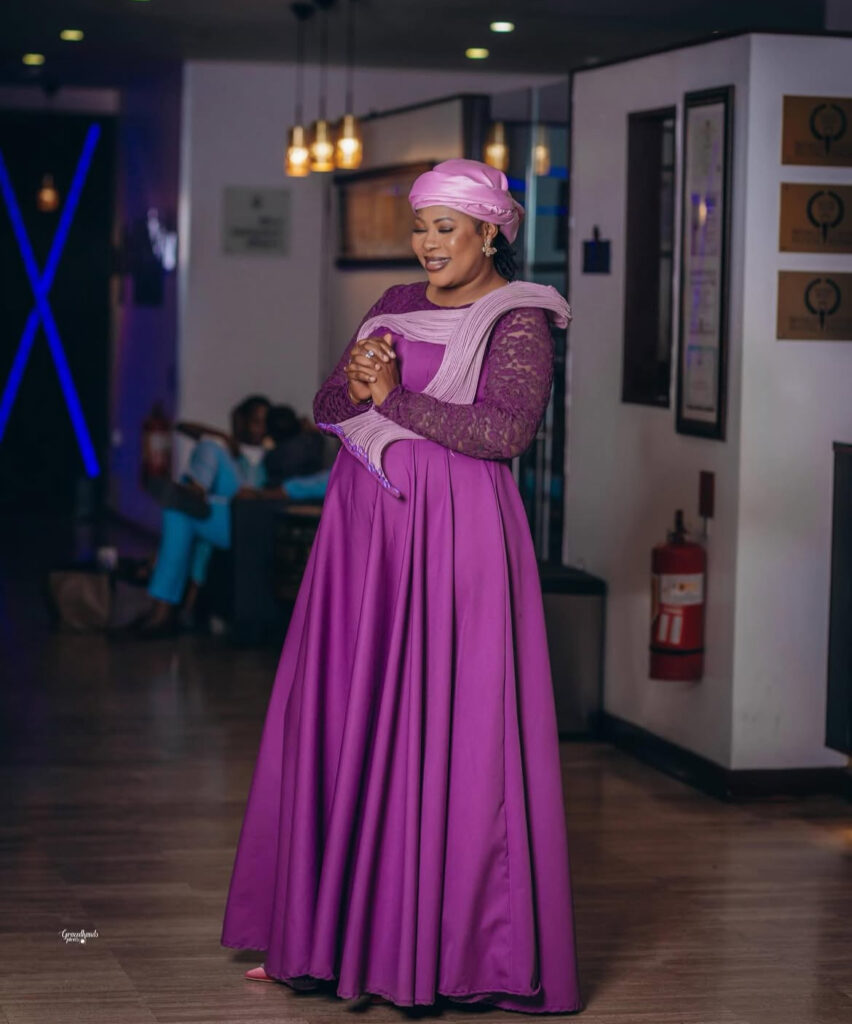
Check out some of her outfits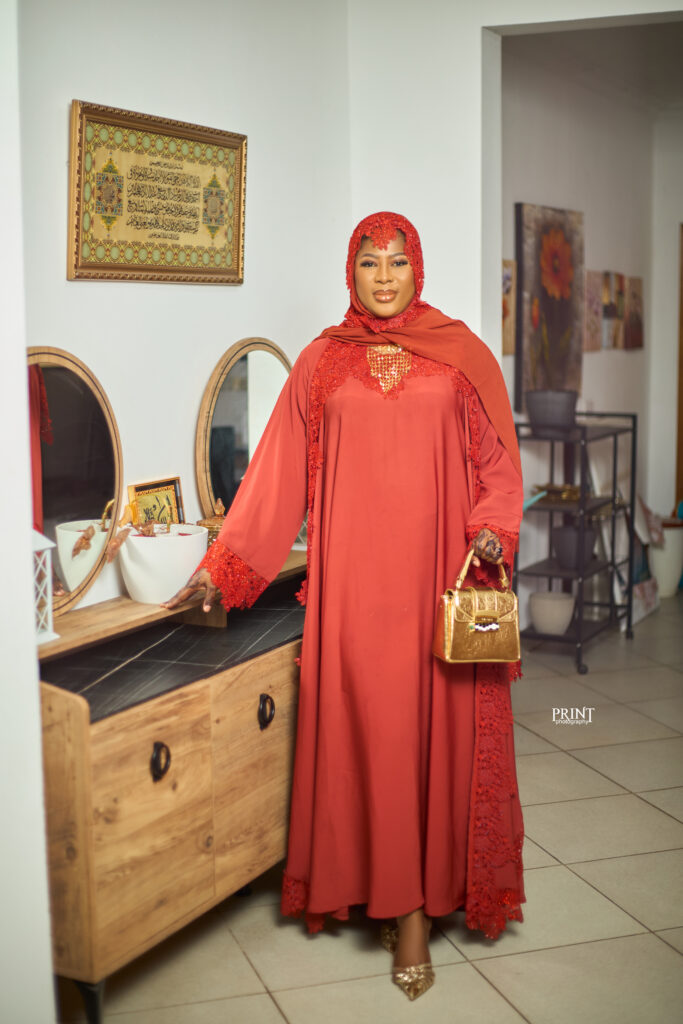
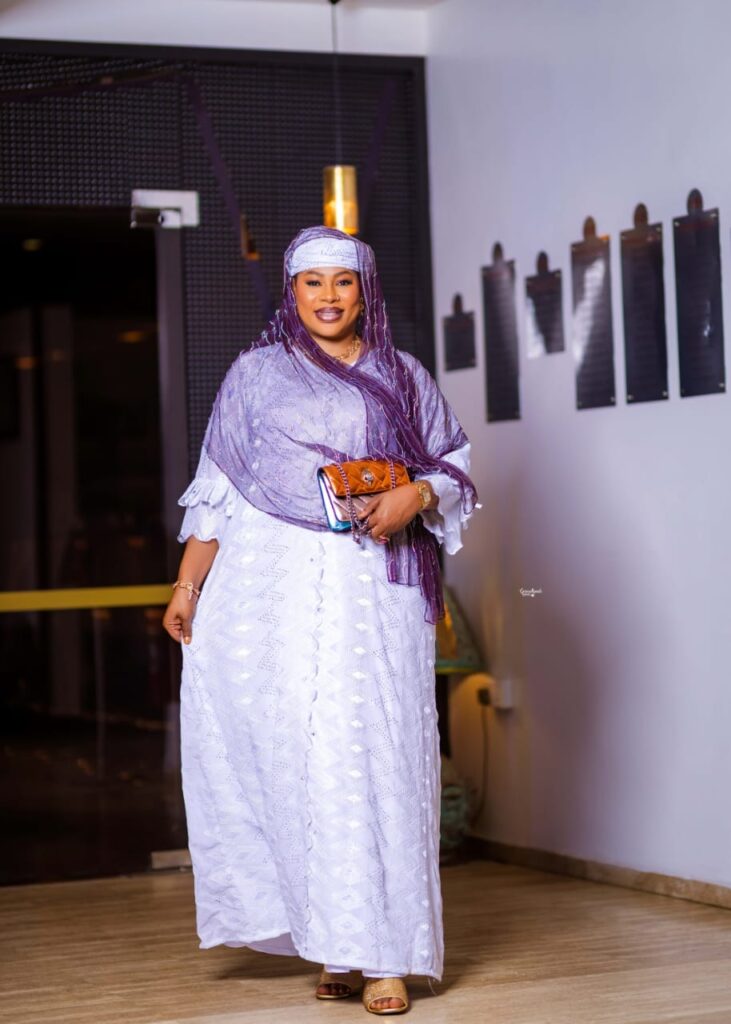
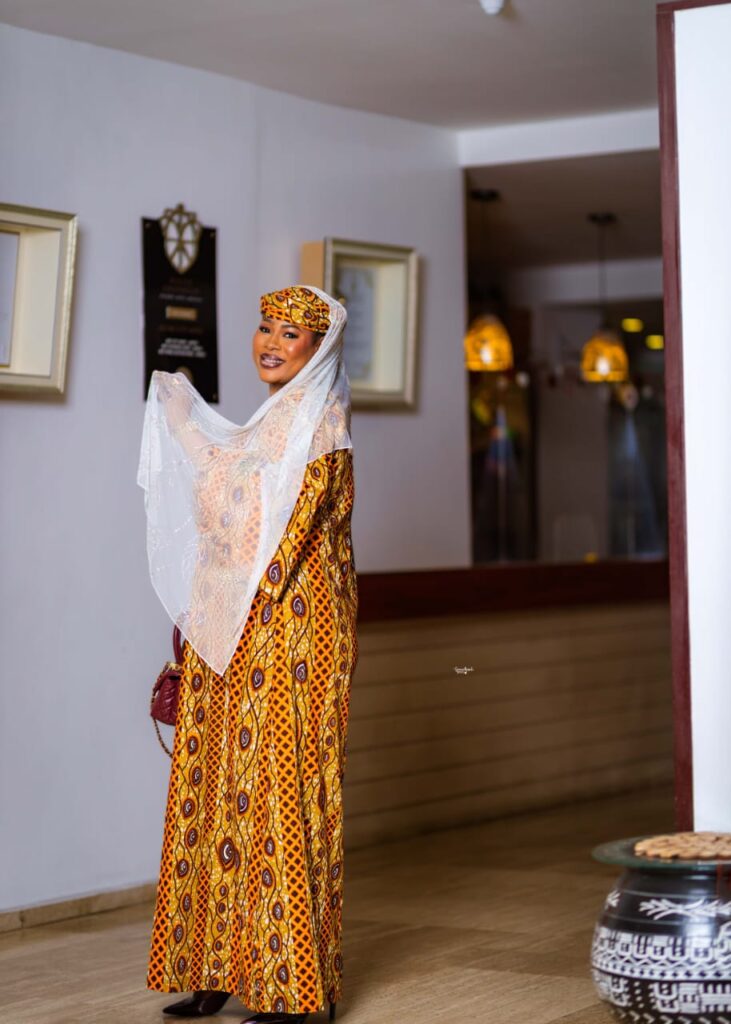
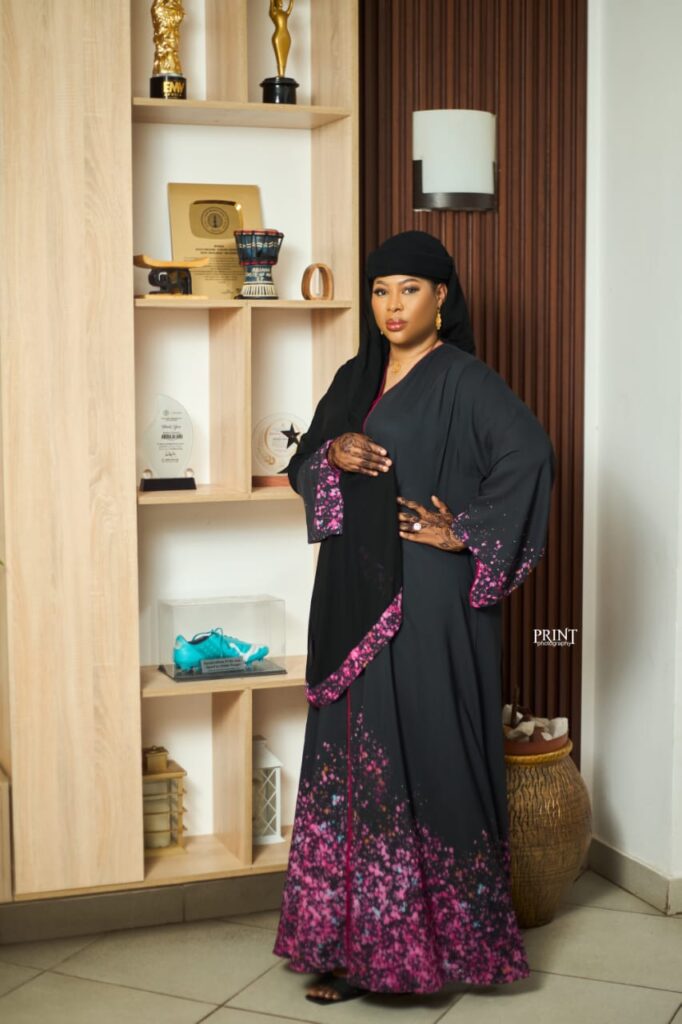
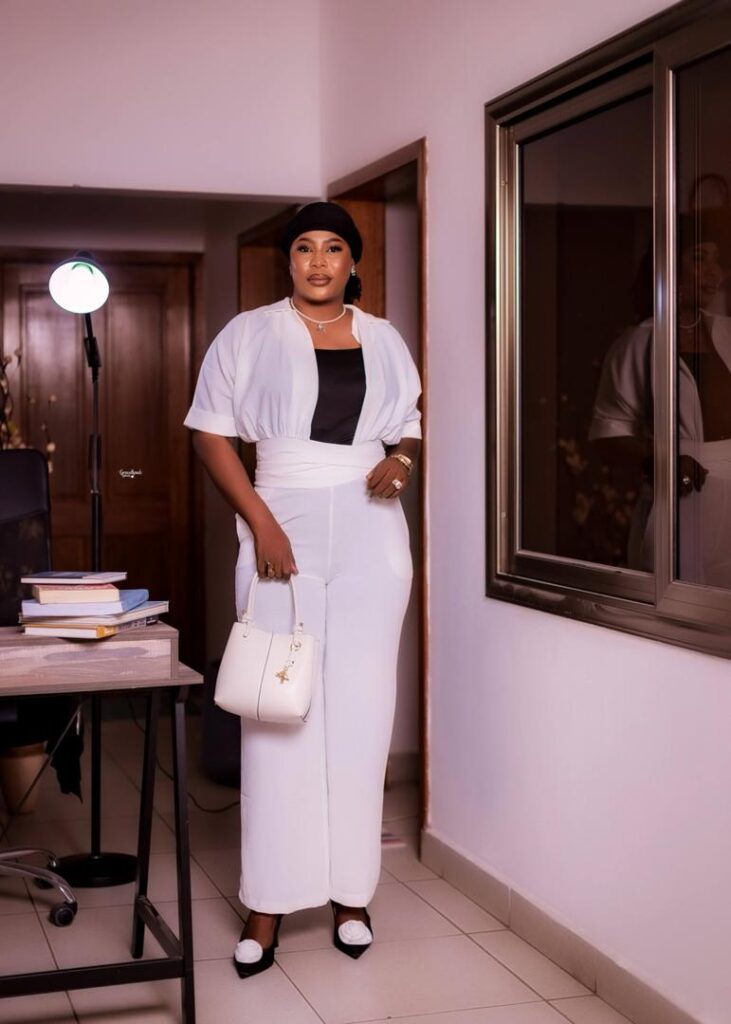
By Desmond Aidoo
SKIP THE QUEUE, TAP THE NEWS
You can now read the Ghanaian Times and The Spectator newspapers from the comfort of your device via TimesNewsPlus.
Join our WhatsApp Channel: https://whatsapp.com/channel/0029VbBElzjInlqHhl1aTU27
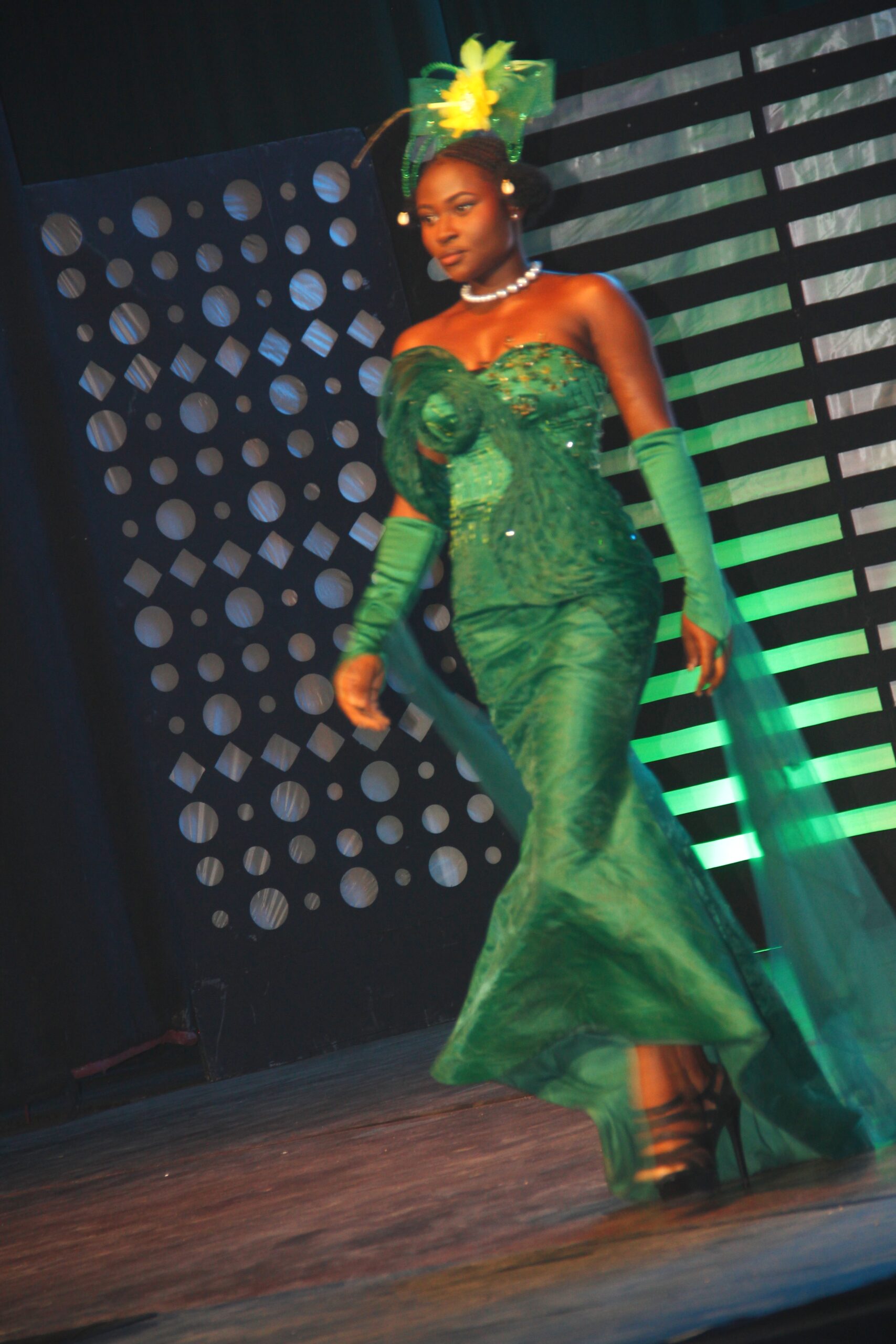
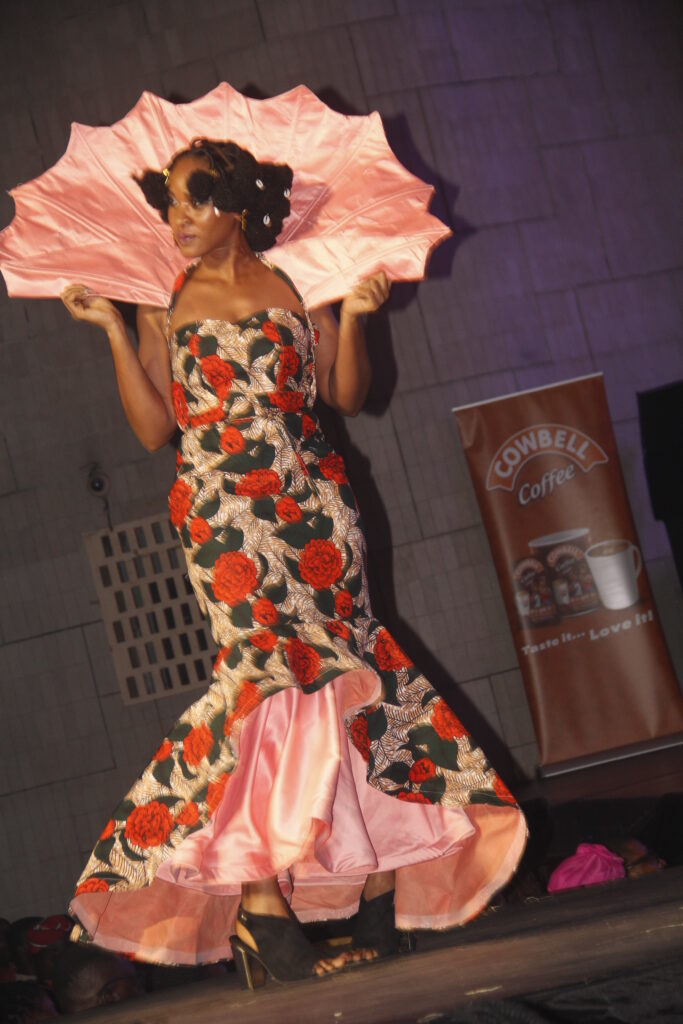
Final-year students of the Accra Technical University (ATU) Department of Fashion Design and Textile Technology on Friday showcased their creativity and craftsmanship in Accra.
The annual event held under the theme: ‘Wear Your Culture: Tradition Meets Modernity,’ saw 366 students showcased various designs as part of their final year practical work.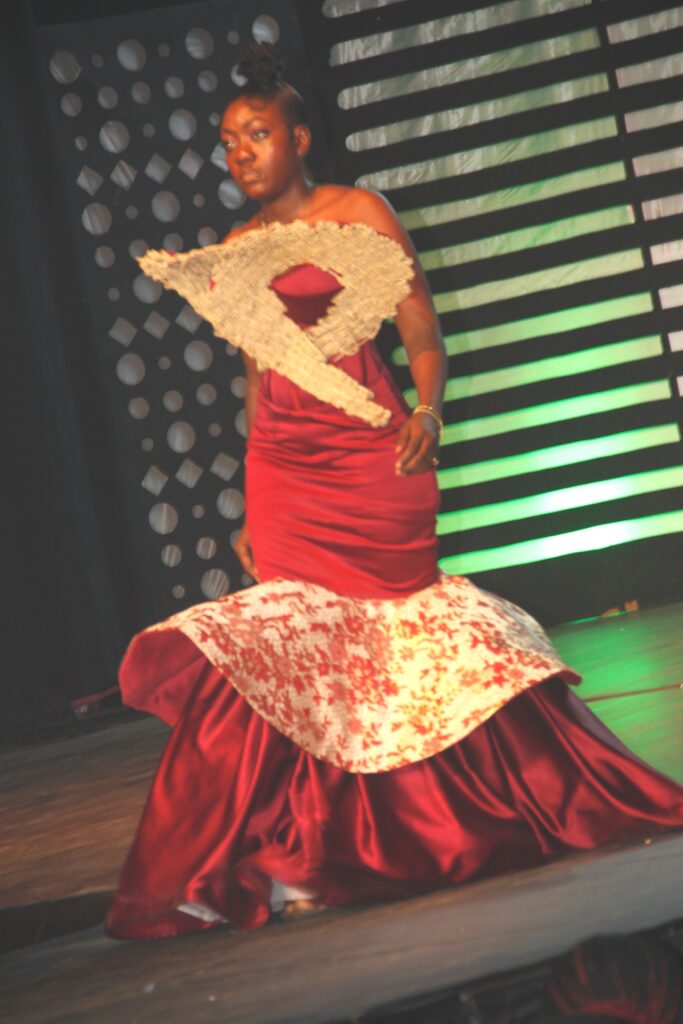
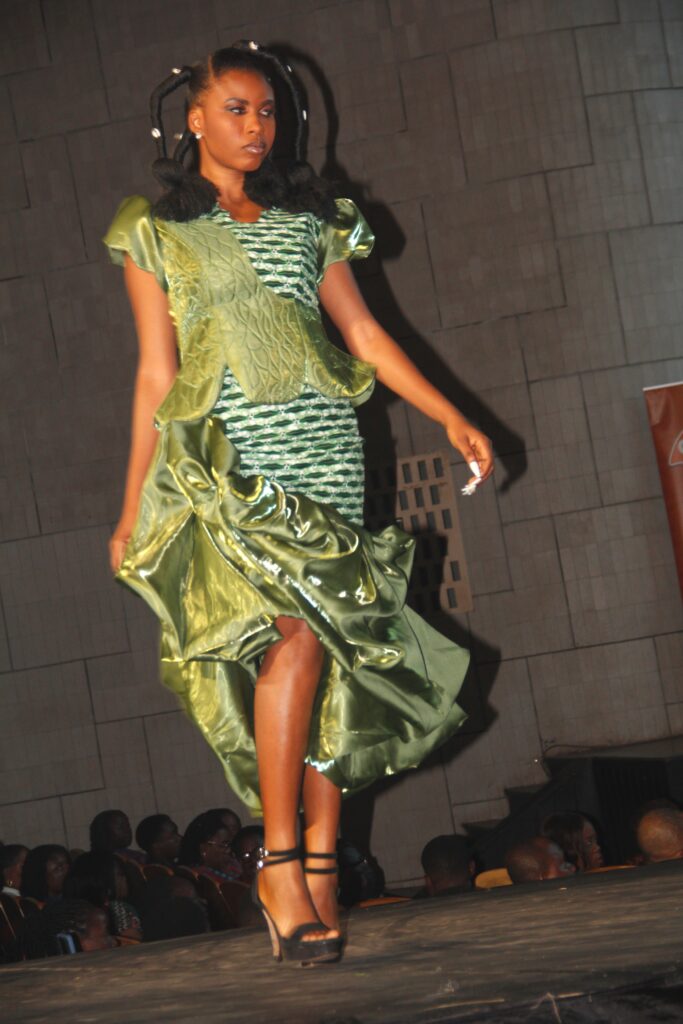
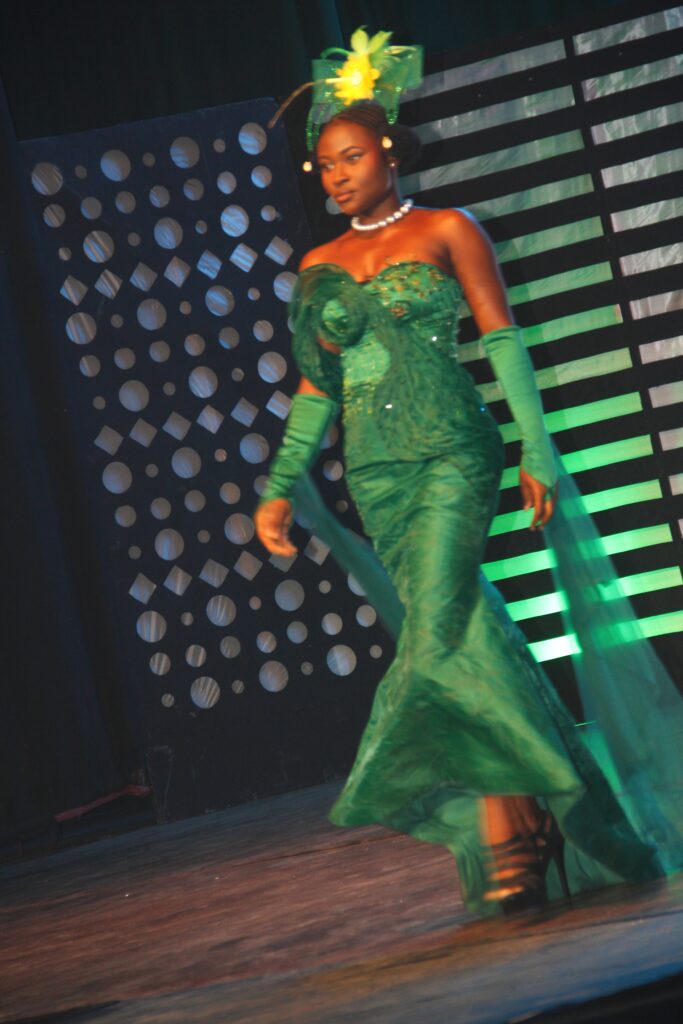
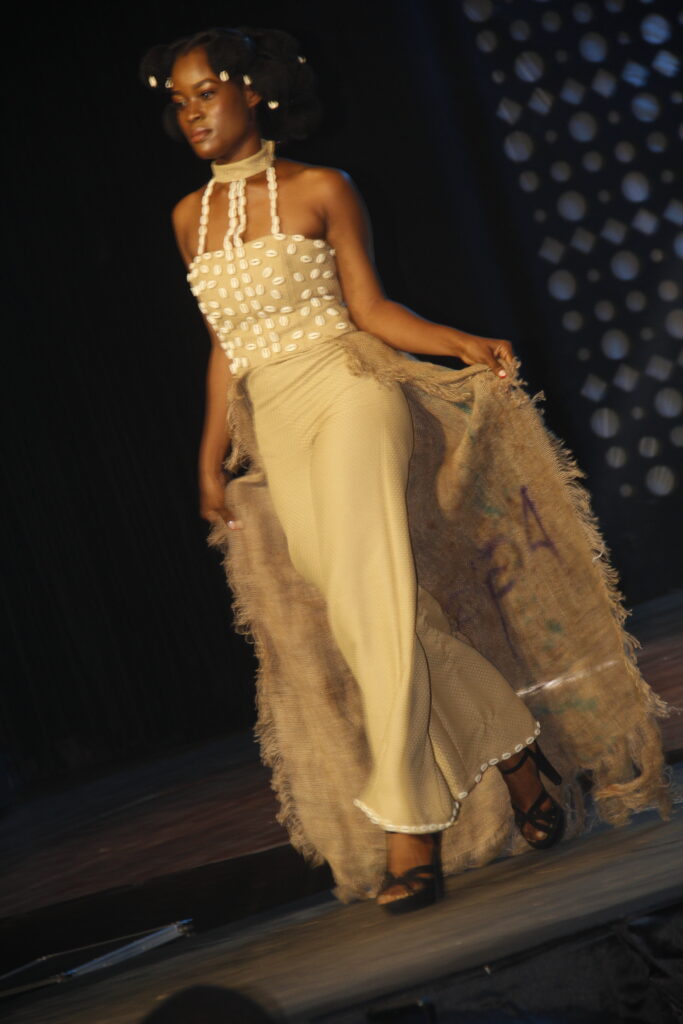
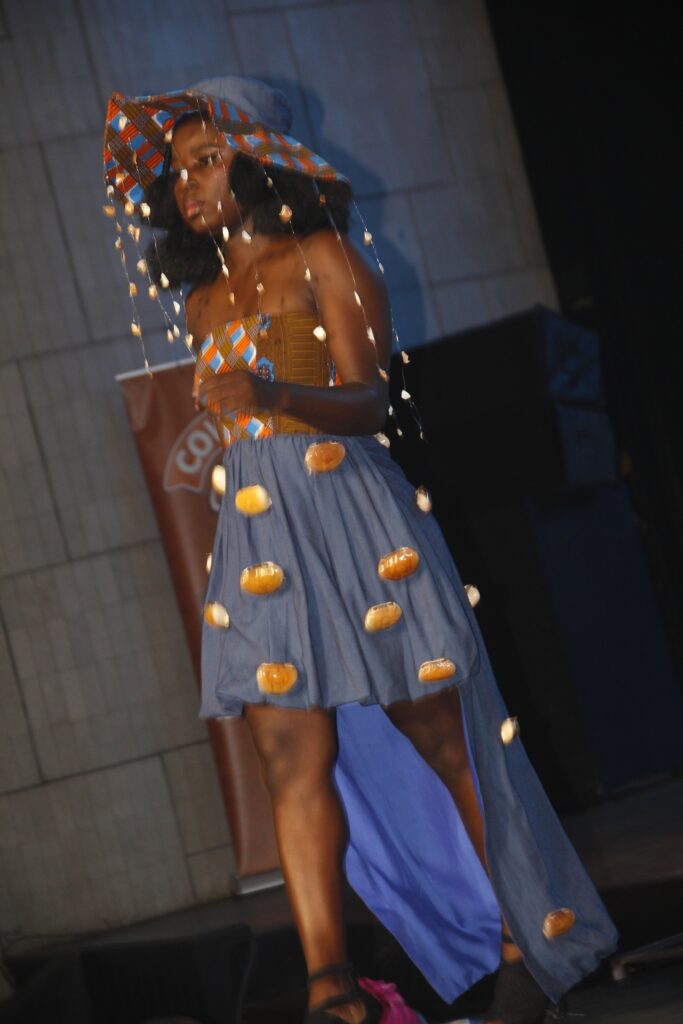
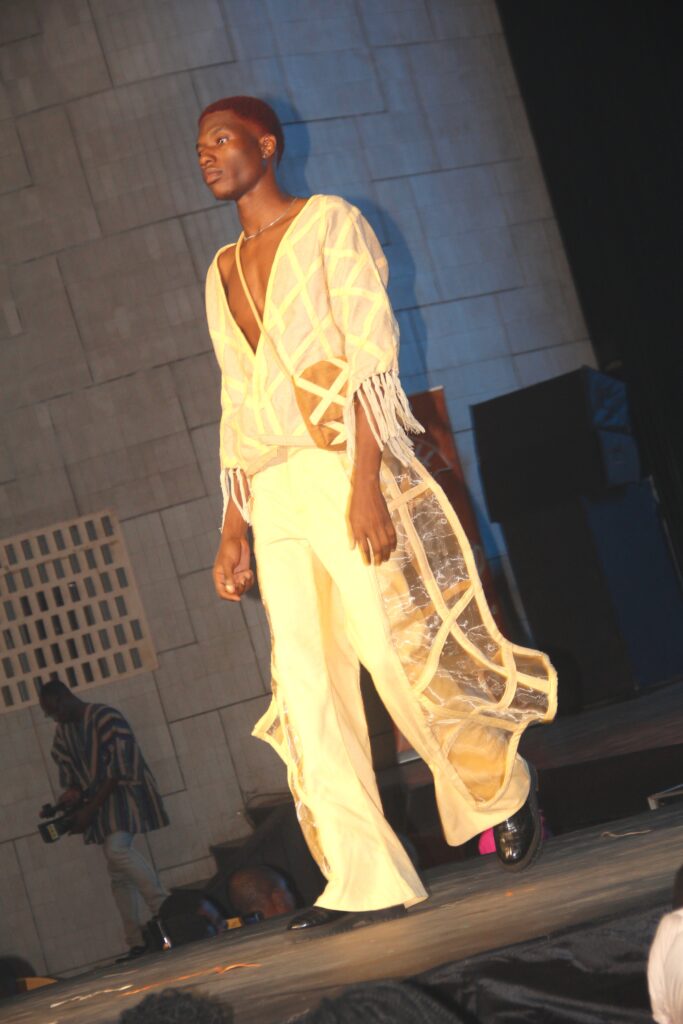
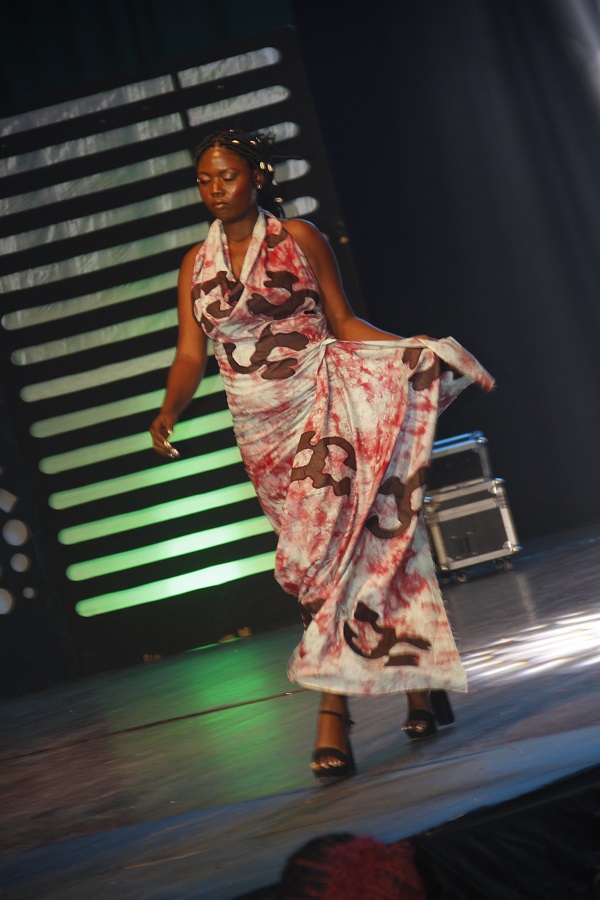
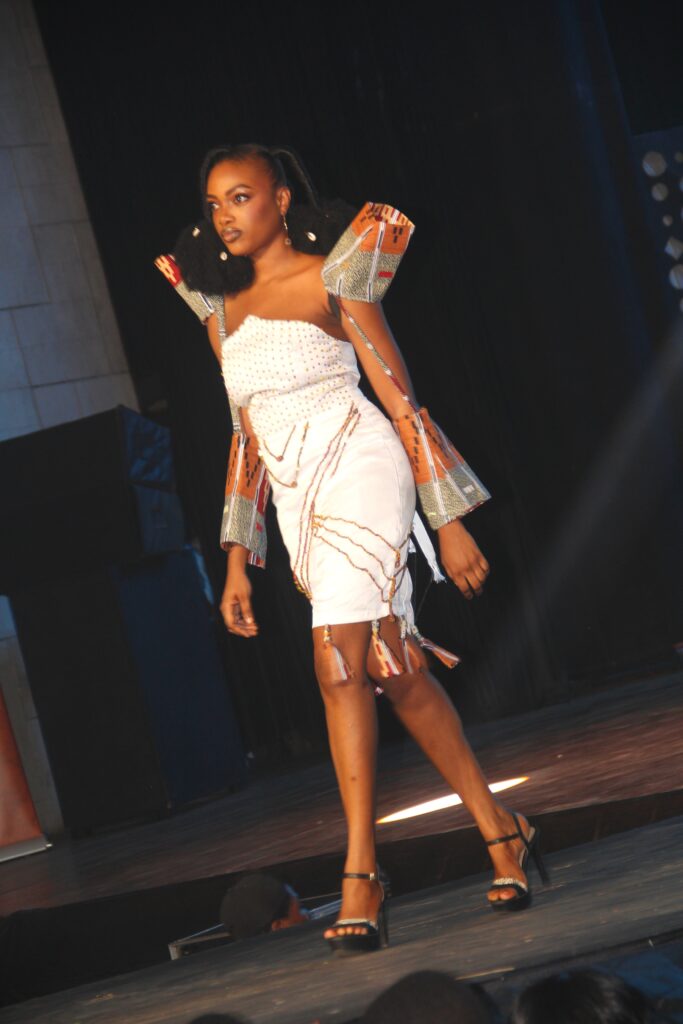
Dean of the Faculty of Applied Arts, Professor George Agyei Osei, explained that the exhibition provided students with an opportunity to demonstrate the skills and competencies they have acquired throughout their training.
Vice Dean of the Faculty of Arts and former Head of Department of Fashion and Textile Technology, Dr Mrs Emma Donkor, said this year’s cohort comprised 366 students, with each student producing four designs, one of which was exhibited at the school’s auditorium while three were presented during the fashion show.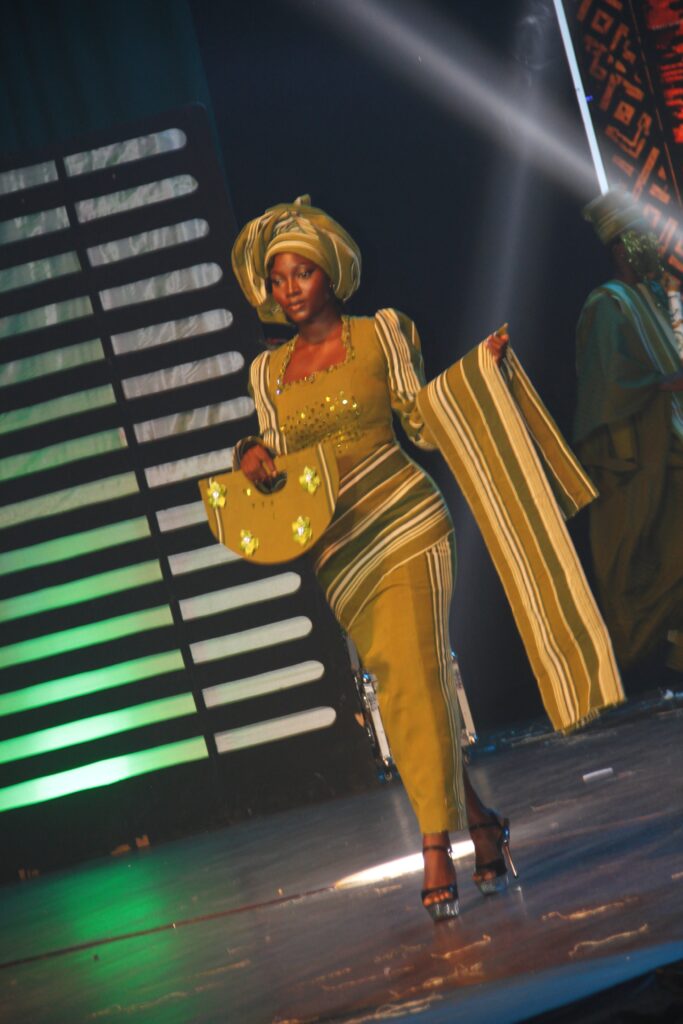
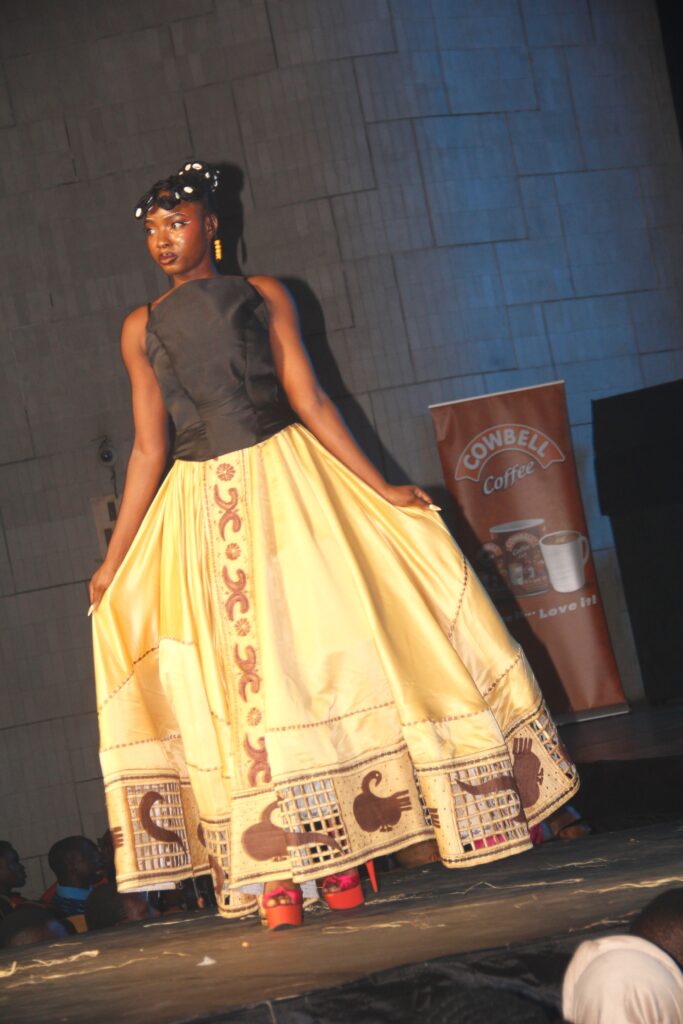
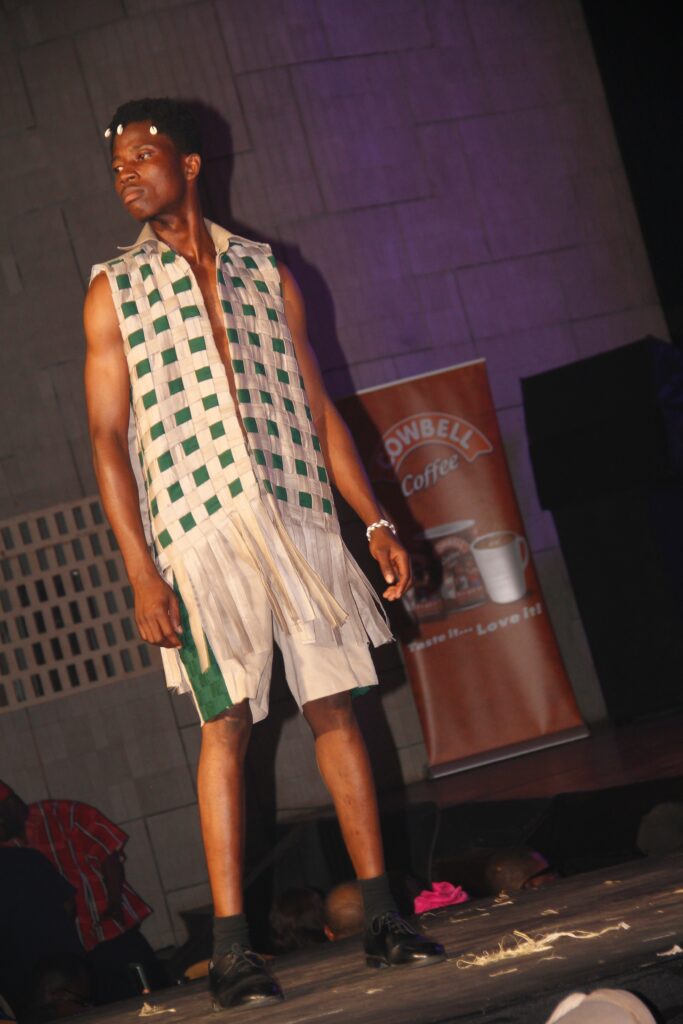
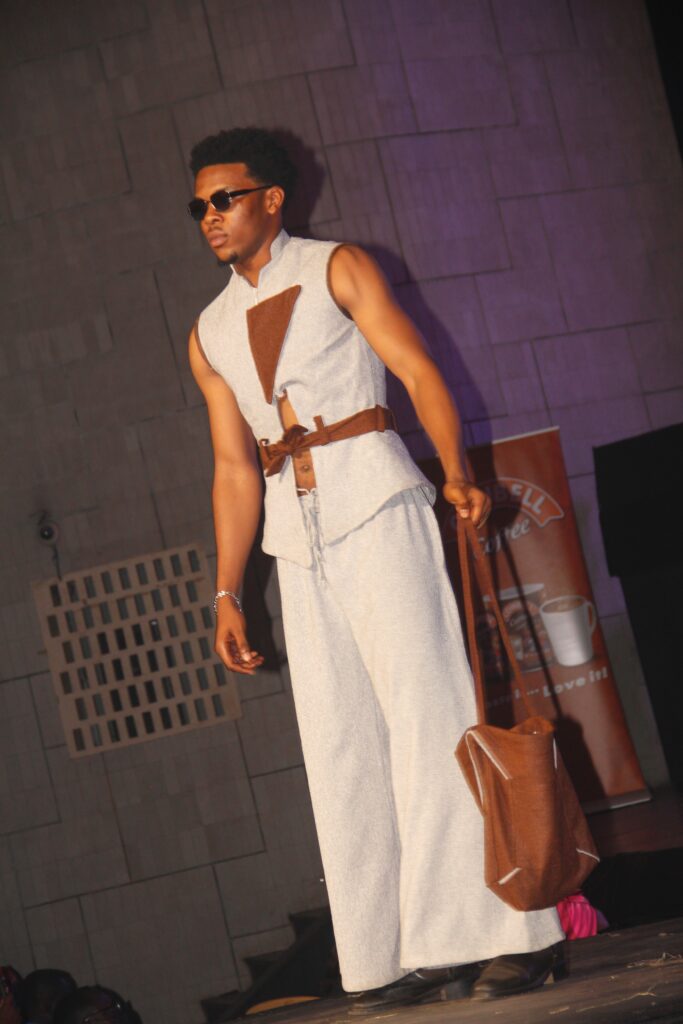
Mrs Donkor encouraged graduating students to build their businesses gradually, noting that a sewing machine and a small workspace could provide the foundation for a successful fashion enterprise.
One of the graduating students, Philipa Adu, said the theme was a reminder to designers not to blindly imitate Western fashion at the expense of African culture.
By Linda Abrefi Wadie