Nutrition
Benefits of velvet tamarind


VELVET tamarind (dialium guineense) commonly known as ‘icheku’ in igbo, ‘awin’ in yoruba and ‘tsamiyar- kurm’ in hausa, and ‘Yooyi’ in Ghana.
-High Antioxidant Power: The fruit is a good source of vitamin C and its consumption can contribute to satisfying the journal requirement that is 90 to 110 mg.
-Treats Scurvy and Infections: The fruit pulp has high ascorbic acid content vitamin hence used as a food supplement. The high vitamin C content boosts the immune system and helps the body against infections.
-Healing Wounds: The velvet fruit pulp has interesting content in calcium and magnesium. Calcium participates in ossification, to the muscular contraction, and to the blood clotting.
-Repairs blood vessel and fights Anemia: The velvet tamarind fruit pulp is rich in iron. It is indispensable for iron absorption; cloves repair and blood vessel formation via collagen synthesis. The pulp’s iron absorption is more efficient because of the presence of vitamin C.
-Prevention of Hypertension: The values obtained for sodium and potassium of the velvet tamarind fruit pulp were respectively Preliminary studies indicate that short-term potassium depletion also elevates bloodpressure in hypertensive patients. Potassium supplementation lowers blood pressure in hypertensive patients ingesting normal amounts of sodium.
-Reliefs Menstrual Cramp and stops Diarrhoea: The stem bark extract has significant analgesic property hence, can be used to reduce menstrual pain. You can take it along with papaya leaf, salt, and water to work effectively. It can also stop diarrhea.
-Hemorrhoids (pile): Piles are swollen veins in the anal canal caused by too much pressure in the pelvic and rectal areas and while not life-threatening, these veins can be very painful. A study performed on ethanolic leaves extract of velvet tamarind showed it to be beneficial for pile treatment.
Source: eprojectlibrary.com

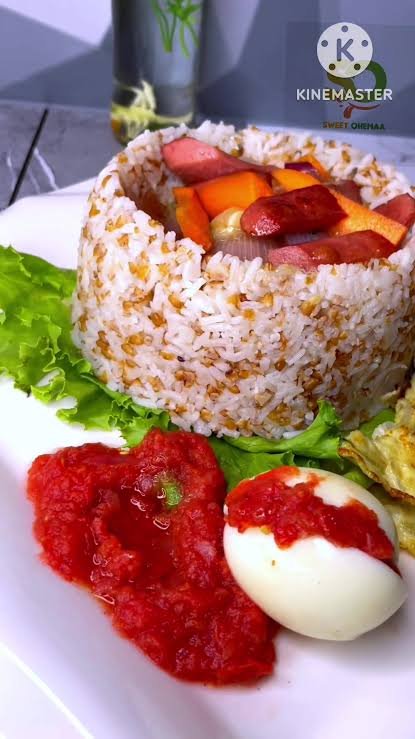
Ingredients
-Oil
-1 large onion
-2 cups of rice
-Salt
-2 cups of wheat
Preparation
-In a medium saucepan, heat oil over medium-low heat
-Add the onion and cook, stirring frequently, until soft and turns golden brown
-Wash rice and wheat and put into pan. Sauté for two to three minutes, until toasty and fragrant
-Add water and salt and allow to boil.
– Reduce heat to low and allow to simmer for 10 to 15 minutes until rice is tender and the water is absorbed.
-Taste the rice/wheat; if it is still a bit firm, add a few more tablespoons of water and cook a few more minutes.
-When the rice/wheat is ready, take it off the fire and serve hot
Benefits of wheat
–Improves digestion: High levels of insoluble fibre- wheat promotes regular bowel movements, prevent constipation, and support a healthy gut microbiome.
-Supports heart health: Whole-grain wheat helps lower LDL (bad) cholesterol, reduces blood pressure, and decreases the risk of stroke and heart disease.
-Aids weight management: Complex carbohydrates and dense fibre slow digestion, increase feelings of fullness, and help prevent sharp blood sugar spikes.
-Lowers type 2 diabetes risk: Steady glucose release and minerals like magnesium improve insulin sensitivity.
– Provides essential vitamins and minerals: Wheat supplies B vitamins, iron, magnesium, phosphorus, zinc, and selenium, which help build bones and boost immune function.
–Delivers Antioxidants: Compounds like phenolic acids, ferulic acid, and lutein protect cells from oxidative stress and support eye health.
SKIP THE QUEUE, TAP THE NEWS
You can now read the Ghanaian Times and The Spectator newspapers from the comfort of your device via TimesNewsPlus.
Join our WhatsApp Channel: https://whatsapp.com/channel/0029VbBElzjInlqHhl1aTU27
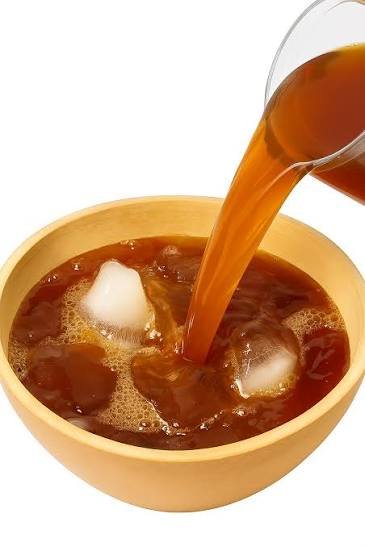
Ingredients
-4 cups of crushed corn
-1 cup of sugar
Method:
-Soak crushed corn for two or more days to ferment
-Boil the fermented corn for about 20-30 minutes until foamy substance is dried up
-Pour sugar in a saucepan and heat until almost burnt
-Strain water from the boiled corn and pour in the saucepan containing sugar
-Use a strainer to strain the chaff
-Allow to cool and store in refrigerator
– Serve with milk
By Linda Abrefi Wadie