News
Ban sale, marketing of junk foods in schools — UNICEF warns


The United Nations Children’s Fund (UNICEF) has urged governments to ban the sale and marketing of junk foods in schools as obesity overtakes underweight for the first time among school-age children and adolescents.
A new report by the United Nations (UN) agency, Child Nutrition Report 2025, warns that 188 million children aged five to 19 are now living with obesity, a figure that has tripled since 2000.
The report also stated that underweight rates have declined from nearly 13 per cent to 9.2 per cent, while obesity has risen from 3 per cent to 9.4 per cent within the same period.
According to the report, 391 million children and adolescents are overweight, with nearly half of them classified as obese.
The report, titled “Feeding profit: how food environments are failing children”, shows that obesity now exceeds underweight across all regions except sub-Saharan Africa and South Asia.
In a UNICEF poll of 64,000 young people across 170 countries, 75 per cent stated that they had seen junk food advertisement in the past week, and 60 per cent admitted the advertisements increased their desire to consume such foods.
The report highlights how junk food and sugary drinks dominate children’s diets and are aggressively marketed through shops, schools and digital platforms.
UNICEF further cautioned that obesity dramatically raises the risk of insulin resistance, high blood pressure, type-two diabetes and cardiovascular disease, and could cost countries billions in health expenses.
By 2035, the global economic impact of obesity is expected to surpass $4 trillion annually.
UNICEF Executive Director, Catherine Russell, has, therefore called for mandatory food labelling, restrictions on marketing to children, and stronger social protection measures to ensure vulnerable families can afford healthy diets.
She said ultra-processed food was increasingly replacing fruits, vegetables and protein at a time when nutrition plays a critical role in children’s growth, cognitive development and mental health.
By Esinam Jemima Kuatsinu







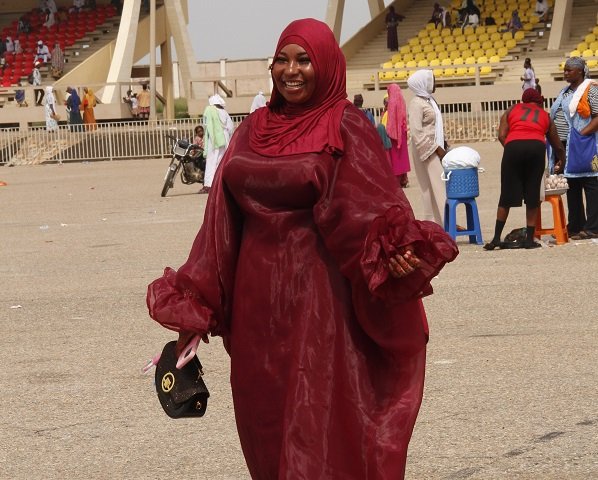
Muslims across the country celebrated this year’s Eid-ul-Adha in a colourful and spiritually uplifting atmosphere under the theme, “A Season of Sacrifice, Solidarity and Spiritual Renewal.”
The celebration brought together Muslims from diverse backgrounds in a remarkable display of faith, unity and cultural heritage.
The occasion was marked by special Eid prayers at various designated grounds, the slaughtering of rams in homes for sharing among family members, friends and the less privileged, as well as musical concerts and recreational activities including horse riding.
Leading the celebration was the Chief Imam, Dr Sheikh Osman Sharubutu.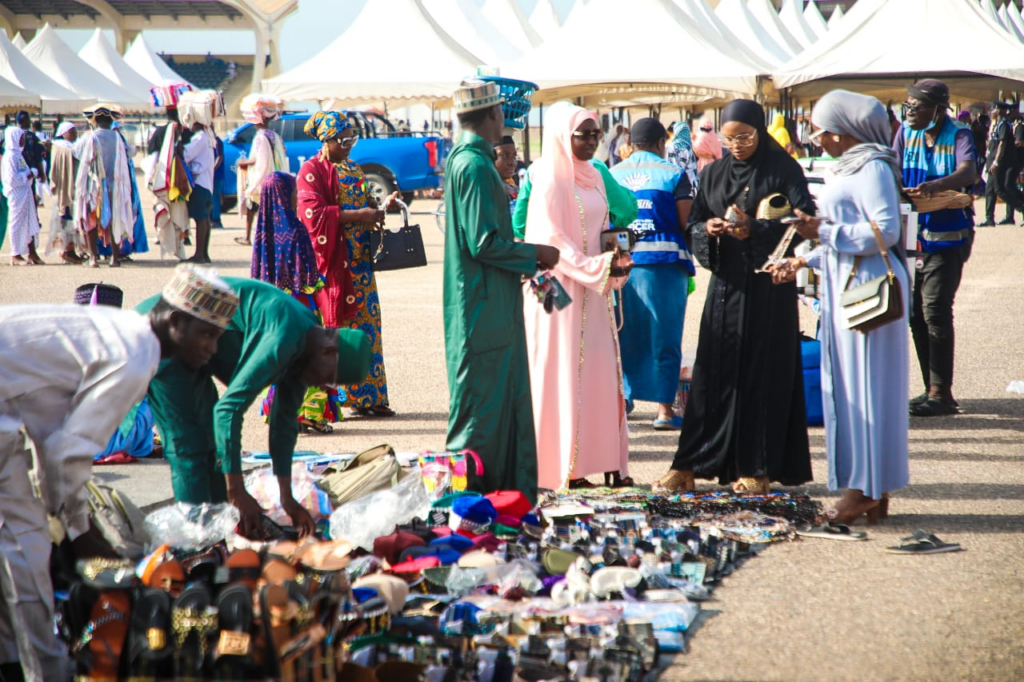
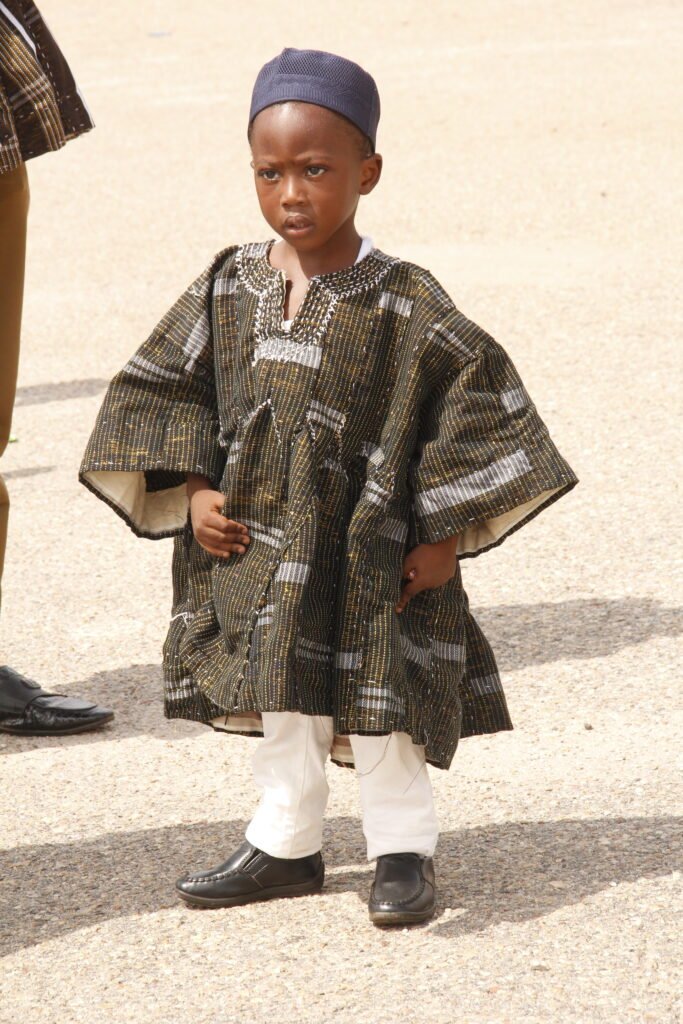
While the national celebration was held at the Black Star Square where President John Dramani Mahama was the Special Guest of Honour, similar gatherings took place at different centres across the capital and other regions of the country.
A visit by The Spectator to some celebration grounds revealed Muslims, both young and old, elegantly dressed in colourful jalabiya and other Islamic attire, reflecting the rich culture and traditions of the Muslim community.
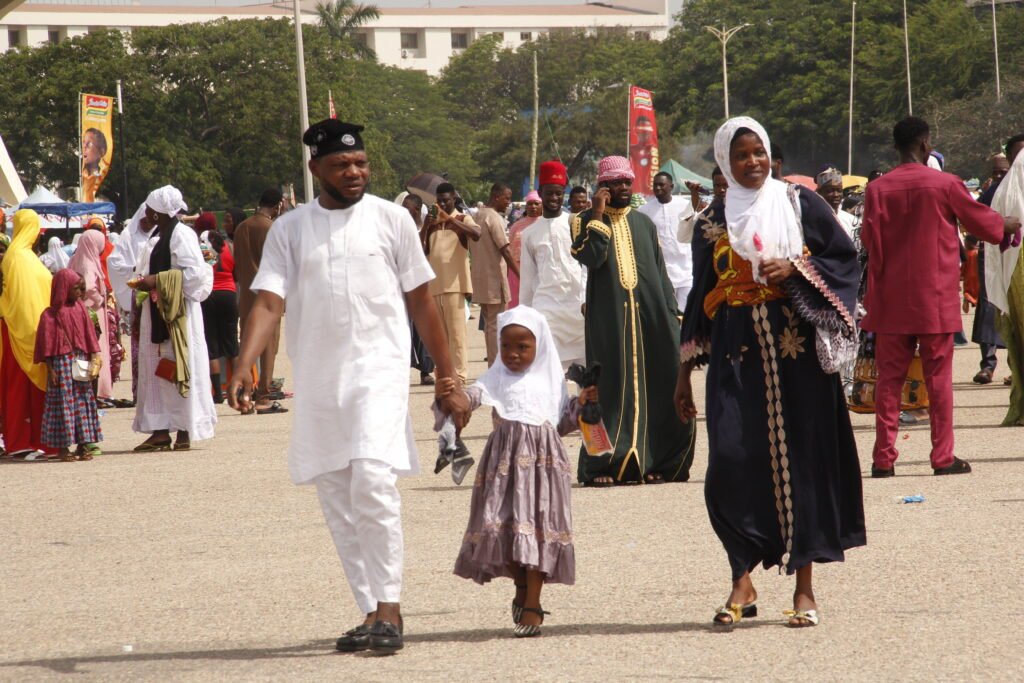
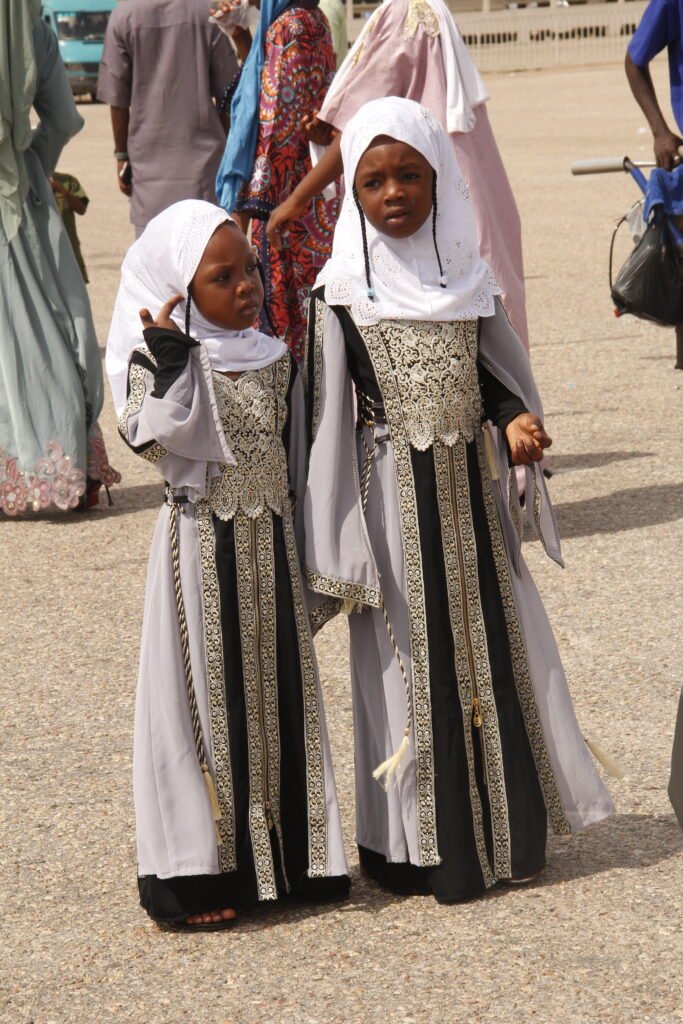

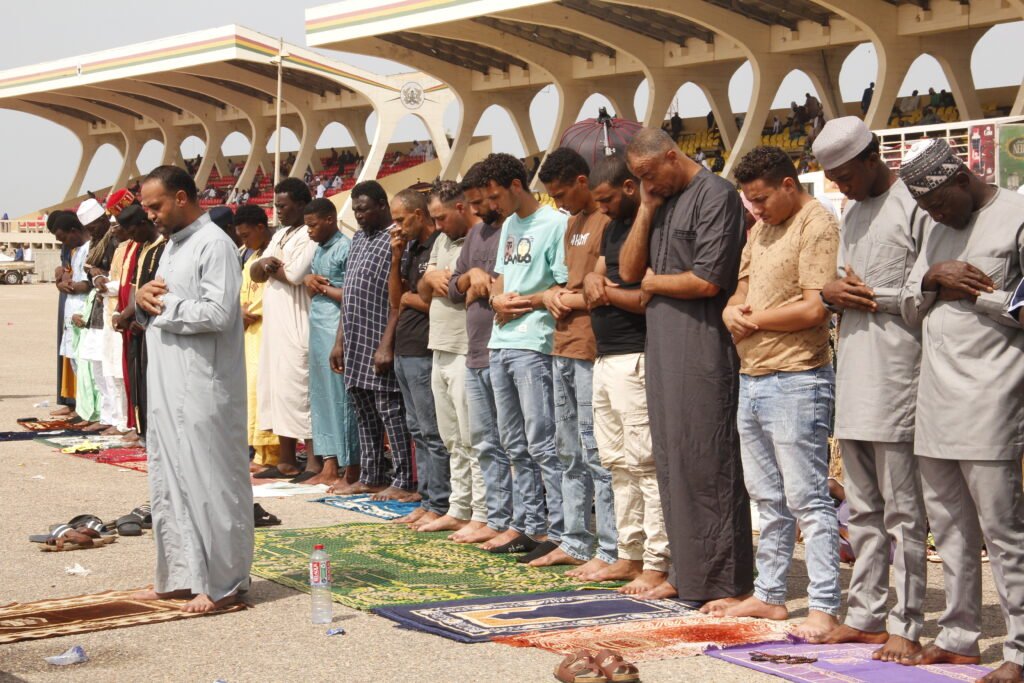
The celebration also portrayed the spirit of religious tolerance and peaceful coexistence in the country, as a number of Christians joined their Muslim counterparts to mark the occasion.
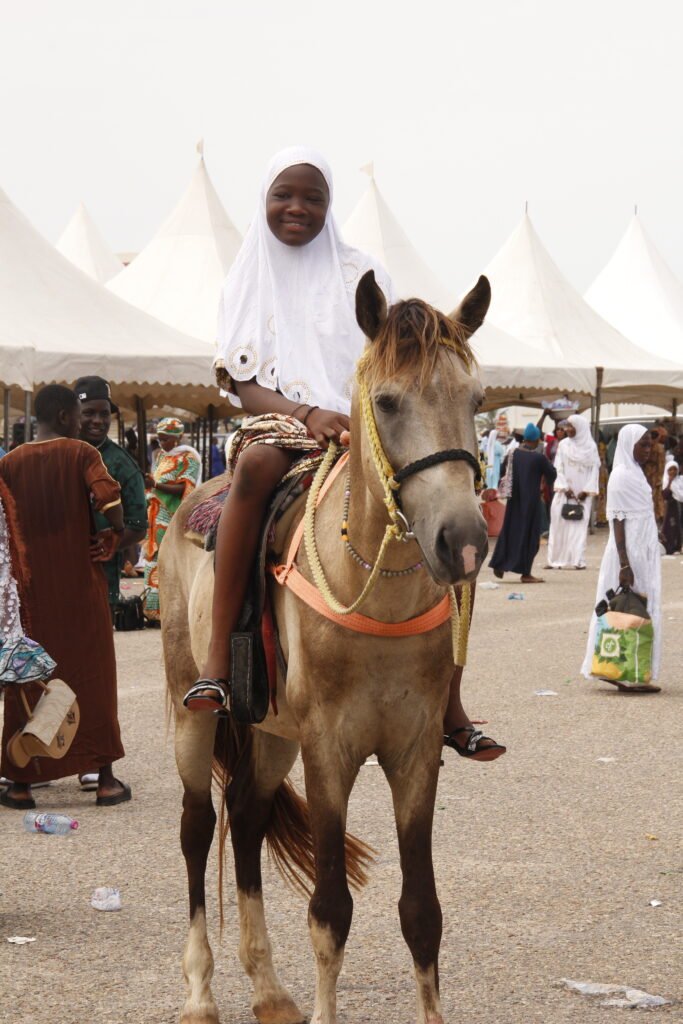
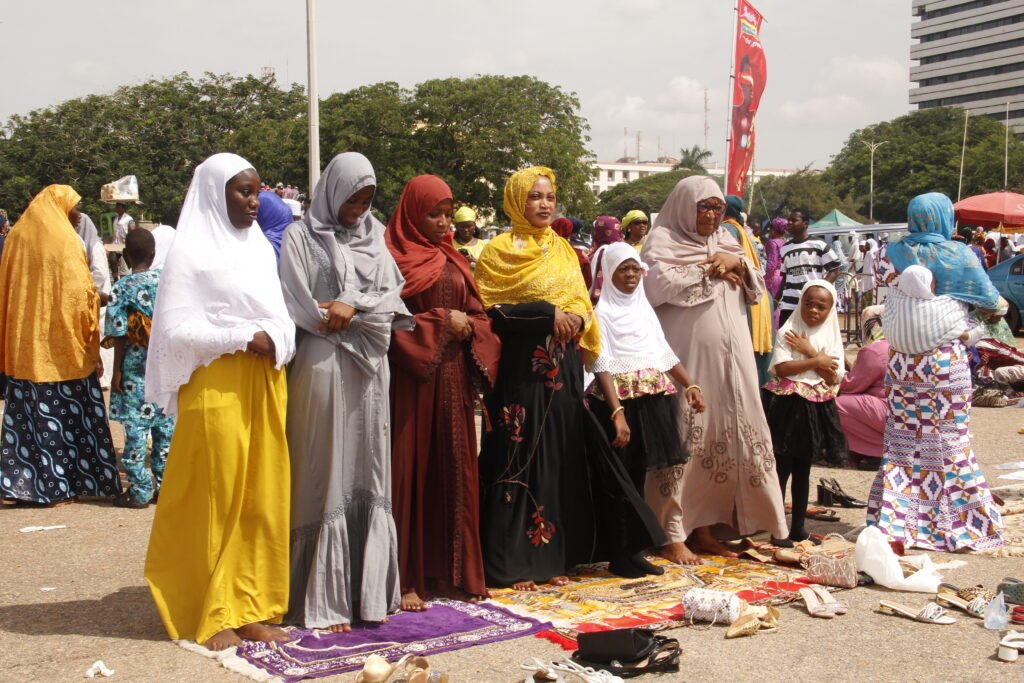

Muslim leaders and government officials used the opportunity to call on the faithful to uphold the teachings of the Holy Quran, renew their spiritual commitment and refrain from acts capable of undermining the peace, unity and security of the nation.
They further urged Ghanaians to continue to live in harmony and support one another for national development.
By Linda Abrefi Wadie
Dear Obaa Yaa,
During Eid-ul- Adha celebration, I decided to spend the weekend at my boyfriend’s place since we were planning towards our marriage.
To my surprise, what keeps me wide awake, restless and frustrated every single time is that he snores loudly like a generator running on full power, and I genuinely cannot get any rest
At a point, I thought it was just a normal thing, but I have realised it is something he does with ease and doesn’t see anything wrong with it.
When he steps out in the morning, I try to get enough sleep because I may not sleep in the evening.
The most annoying thing is that, he always wants to cuddle me. These two things are a no for me and a red flag.
We are about to get married, what should I do?
Enam, Keta.
Dear Enam,
The snoring and constant cuddling are frustrating, but you don’t have to choose between sleep and closeness.
Start with the snoring: check if it’s worse when he sleeps on his back, cut out alcohol before bed, try nasal strips or a humidifier, and see a doctor if he pauses while breathing.
For quick relief, foam earplugs or noise-cancelling headphones help a lot.
Separate blankets, a bigger bed, or sleeping apart on some nights often makes couples rest well and feel closer overall.
Bring this up before the wedding .Tell him you want to wake up next to him for years to come, but sleep deprivation makes you both miserable.
Test earplugs and side-sleeping this weekend, and if it’s still unbearable, bring in a doctor. Good sleep matters more for your marriage than staying glued together all night.