News
AWUSCO final year students inducted into old student’s union


- /home/u249204778/domains/spectator.com.gh/public_html/wp-content/plugins/mvp-social-buttons/mvp-social-buttons.php on line 27
https://spectator.com.gh/wp-content/uploads/2024/09/Some-final-year-students-in-a-picture-with-an-old-student-1000x600.jpg&description=AWUSCO final year students inducted into old student’s union', 'pinterestShare', 'width=750,height=350'); return false;" title="Pin This Post">
- Share
- Tweet /home/u249204778/domains/spectator.com.gh/public_html/wp-content/plugins/mvp-social-buttons/mvp-social-buttons.php on line 72
https://spectator.com.gh/wp-content/uploads/2024/09/Some-final-year-students-in-a-picture-with-an-old-student-1000x600.jpg&description=AWUSCO final year students inducted into old student’s union', 'pinterestShare', 'width=750,height=350'); return false;" title="Pin This Post">
Some final year students in a picture with an old student
A total of 793 final year students of Awudome Senior High School (AWUSCO) in Tsito have officially been inducted as members of the Old Student’s Union of Awusco (OSUA) with a call on them to uphold the high morals of the school.
The induction was part of OSUA’s activities to boost the membership drive of the union and register more old students.
The National President of OSUA, Prof. Leonard Kofitse Amekudzi, said the induction ceremony was an opportunity to get the final year students into the union since it was difficult to have majority of them at one venue after they complete school.
Prof. Amekudzi said the union has been a very vibrant tool in the development and marketing of the school.
He said it had also helped to promote healthy environment for excellent academic work and better opportunities for the younger generation of students from the school.
He urged the final year students to see the completion of Senior High School (SHS) as just the beginning of a long educational ladder and urged them to get into jobs, whether voluntary or paid for, even as they wait for their West African Senior Secondary Certificate Examination (WASSCE) results.
The Headmaster of AWUSCO, Mr Courage Meteku, praised the old students for the good works they were doing for the school and appealed to the various year groups to continue to support the school to achieve excellence.
The students were excited to be part of the old students union and pledged their commitment to it.
In attendance at the ceremony were the national vice president, Mr Kofi Tawiah Cofie, some national executives, some executives of some year groups and old students.
By Jemima Esinam Kuatsinu


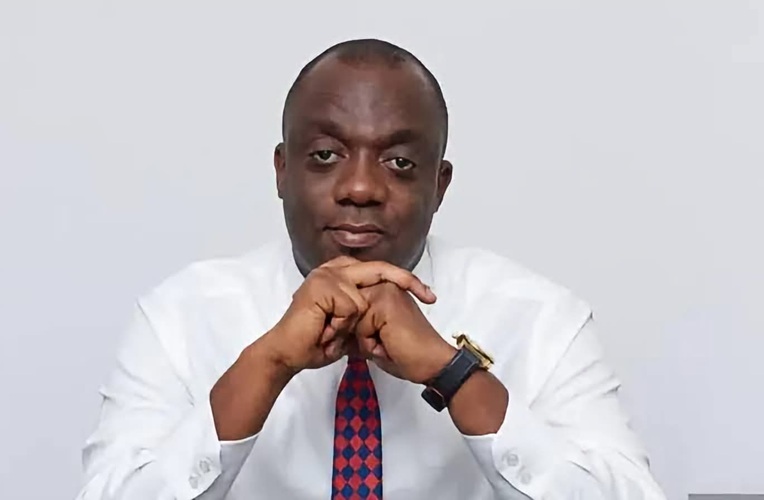
The New Patriotic Party (NPP) has directed all prospective parliamentary aspirants to immediately stop their campaign activities until the party announces official guidelines for its parliamentary primaries.
In a statement dated October 11, 2026, and signed by its General Secretary, Justin Kodua Frimpong, the party disclosed that it had received several complaints about some members who had begun campaigning in various constituencies.
The NPP described the activities as contrary to its regulations and Code of Conduct, warning that they could create an unfair playing field and undermine unity and discipline within the party.
The directive covers all forms of campaign activities, including the mounting of posters, billboards and banners, as well as the organisation of rallies, meetings with polling station executives and constituency tours to solicit support.
The party has also prohibited the distribution of items or other inducements to delegates and party members, as well as paid media and social media advertisements promoting prospective candidates.
It further directed party officers at the polling station, electoral area, constituency, regional and national levels, including TESCON, to refrain from promoting any parliamentary aspirant on social media platforms such as Facebook, X and Instagram.
According to the statement, party officers are also prohibited from facilitating what the party described as premature parliamentary campaign activities.
The NPP warned that anyone who fails to comply with the directive will face disciplinary action, which could affect their eligibility to contest in the party’s parliamentary primaries.
The party added that it would announce the timetable and guidelines for its parliamentary processes in due course.
It has consequently directed constituency and regional executives to ensure strict compliance with the directive within their respective jurisdictions.
The statement concluded with an appeal to all party members to cooperate with the leadership.
By: Jacob Aggrey
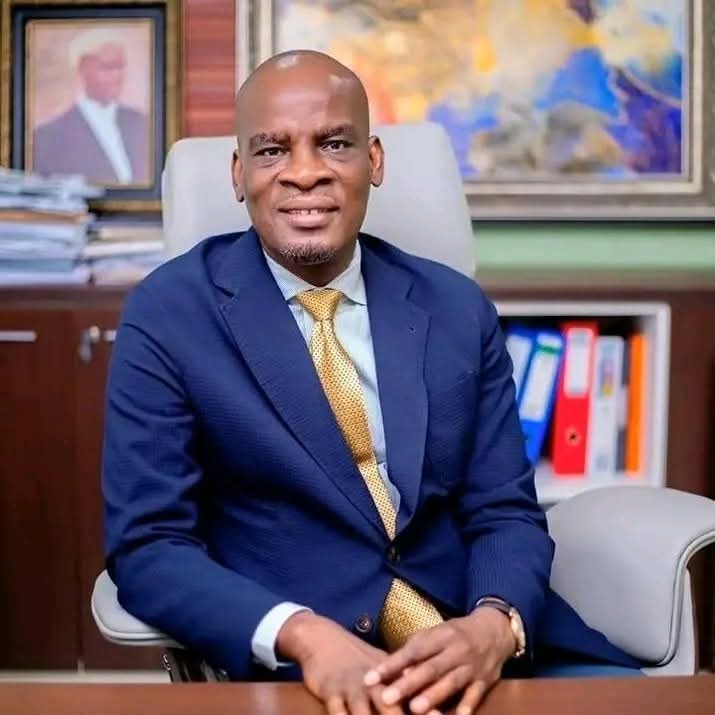
The Ministry of Education has invited the leadership of the Ghana Association of University Administrators (GAUA) and the Ghana Tertiary Education Commission (GTEC) to an urgent meeting to find a resolution to the ongoing strike by university administrators.
In a press statement dated October 11, 2026, and signed by the Ministry’s Press Secretary, Hashmin Mohammed, the Ministry indicated that the meeting would take place on Monday, October 12, 2026.
According to the statement, the meeting is aimed at promoting constructive dialogue between the parties to reach an amicable resolution of the industrial dispute.
The Ministry stated that the government remained committed to addressing the concerns of organised labour through established negotiation processes and constructive engagement.
It urged all parties to approach the meeting in good faith and with a sense of responsibility, considering the impact of the strike on students, university communities and the country as a whole.
The Ministry further called on GAUA’s leadership to take advantage of the meeting to engage meaningfully with the relevant stakeholders to resolve the impasse as soon as possible.
It expressed hope that the discussions would produce a positive outcome and allow academic and administrative activities to return to normal at affected tertiary institutions.
By: Jacob Aggrey