News
Attach seriousness to girl-child education – Proprietor


Parents have been advised to take the education of the girl-child seriously just as they do for the boy-child.
This is to pave the way for more girls to be in school, be well informed on issues and take the right decisions when it came to making critical choices for their present and future life.
Speaking in an interview with The Spectator on Tuesday, the Proprietor of Johniemerz Academy at Gbetsile Mexico in the Kpone Katamanso Municipality of the Greater Accra Region, Rev Johnson Nyarko observed that some challenges the world face today were as a result of the lack of education of the girl-child who had grown to be an illetrate woman.
He said as part of efforts to curb this situation, the school which was four years old had put measures in place to support needy girls by giving their parents the opportunity to pay their fees in instalment to enable more girls to stay in school hence it has 86 girls as compared with boys who were 57 in his school.
He said the school gave equal opportunity to all pupils and, therefore, it was not surprising that it had a Head Prefect being a girl.
Rev Nyarko was of the view that when a woman was well informed on issues, then major part of the world’s challenges would be addressed.
He said issues on malnourishment in children, maternal mortality and morbidity, among others were more likely to be drastically reduced because if a woman was more educated on such subjects, she would know the right approaches to use when she was confronted with these issues.
“An educated woman for instance would know the importance of antenatal and child welfare clinics which would go a long way to save herself, both born and unborn children and her home at large” he stressed.
Rev Nyarko said such decisions which might appear little had a huge impact on the development and population of society.
He said an educated woman was also a confident woman who contributed intellectually at symposia and fora to help in the making of major decisions for society.
He called on all parents to give their all when it came to education of their girl children saying that they would not regret it.
From Dzifa Tetteh Tay, Gbetsile Mexico.


The Ghana Health Service (GHS) will undertake a nationwide Human Papillomavirus (HPV) vaccination exercise in schools from October to December 2026 to protect eligible girls against cervical cancer and other HPV related diseases.
The exercise, organised in collaboration with the Ghana Education Service (GES) and its partners through the School Health Education Programme (SHEP), will be conducted in two rounds.
The first round is scheduled for October 19 to 23, 2026, while the second will take place from November 30 to December 4, 2026.
In a press release dated October 19, the GHS explained that health workers would visit schools across the country to vaccinate eligible girls aged 9 to 14 who have not yet received the HPV vaccine.
The exercise forms part of efforts to raise awareness about the routine HPV vaccine, increase vaccination uptake and strengthen the country’s routine immunisation programme.
The GHS has called on school authorities, parents, guardians, teachers and community leaders to cooperate with health teams to ensure the successful implementation of the exercise.
The Service reaffirmed its commitment to protecting the health and well-being of Ghanaians, particularly children, through vaccination and other public health interventions.
By: Jacob Aggrey
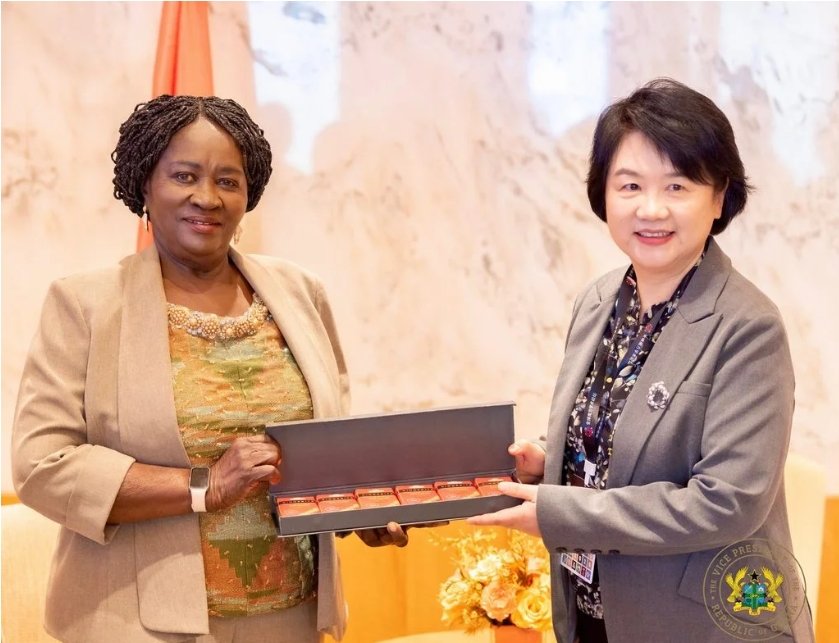
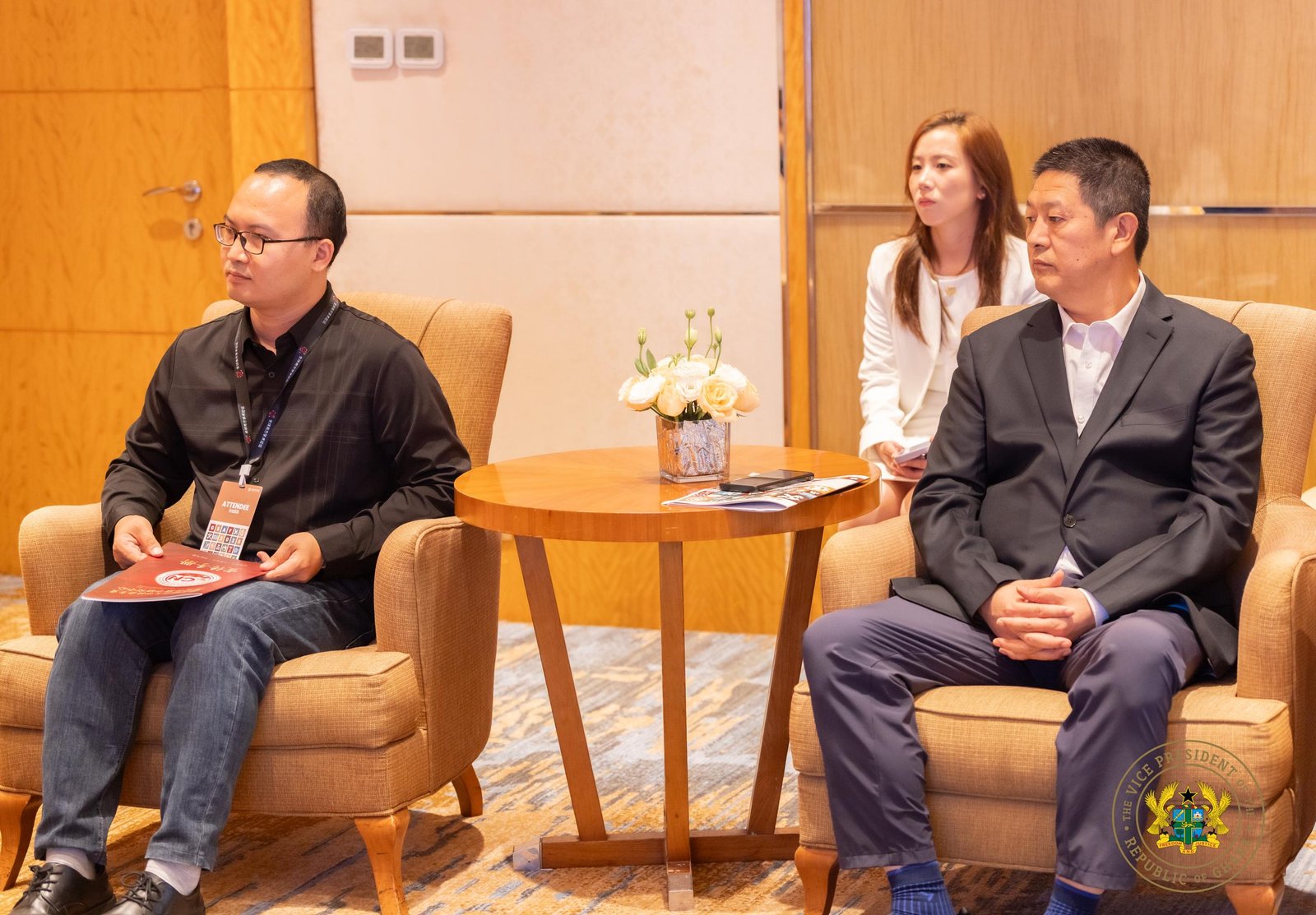
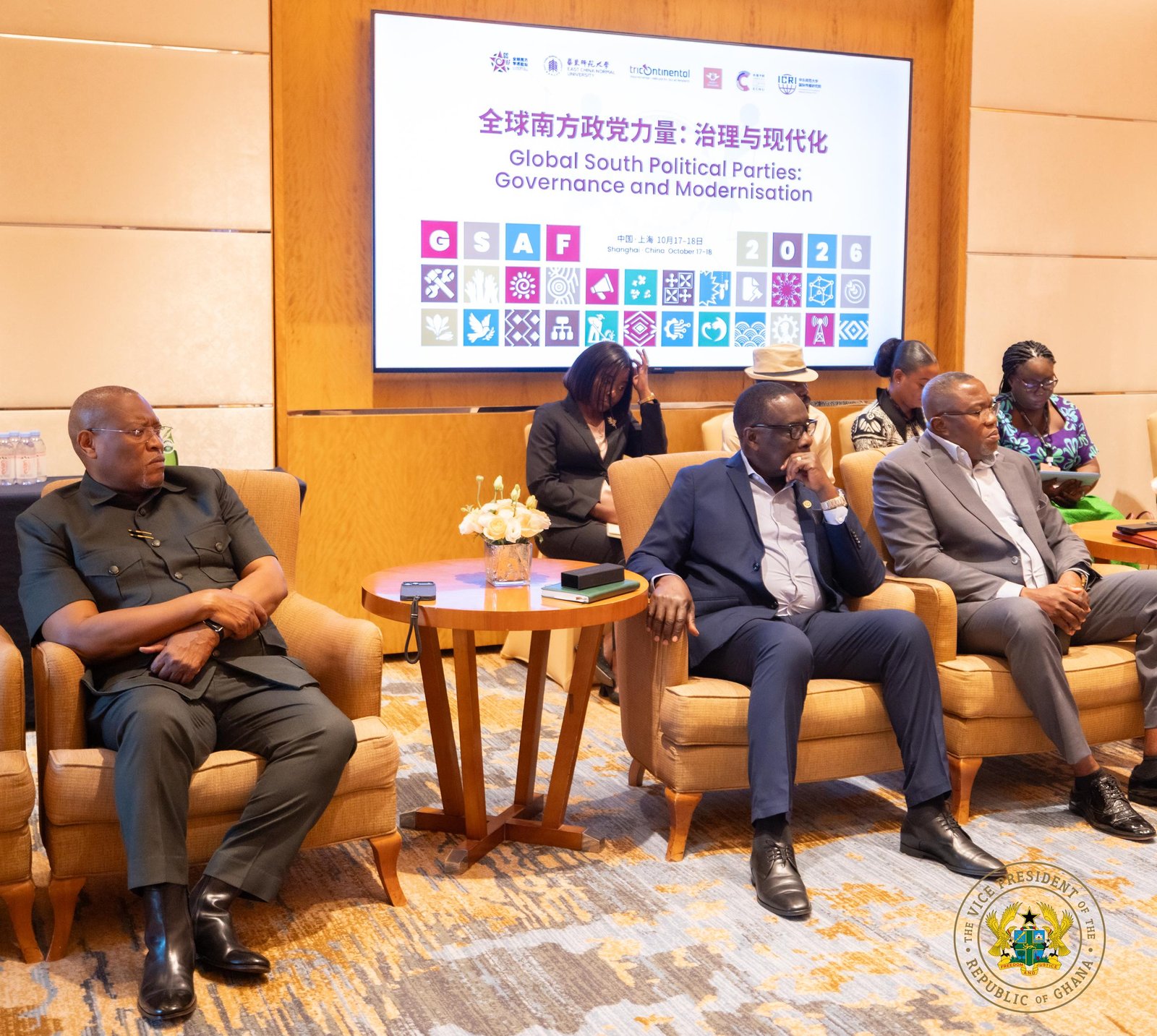
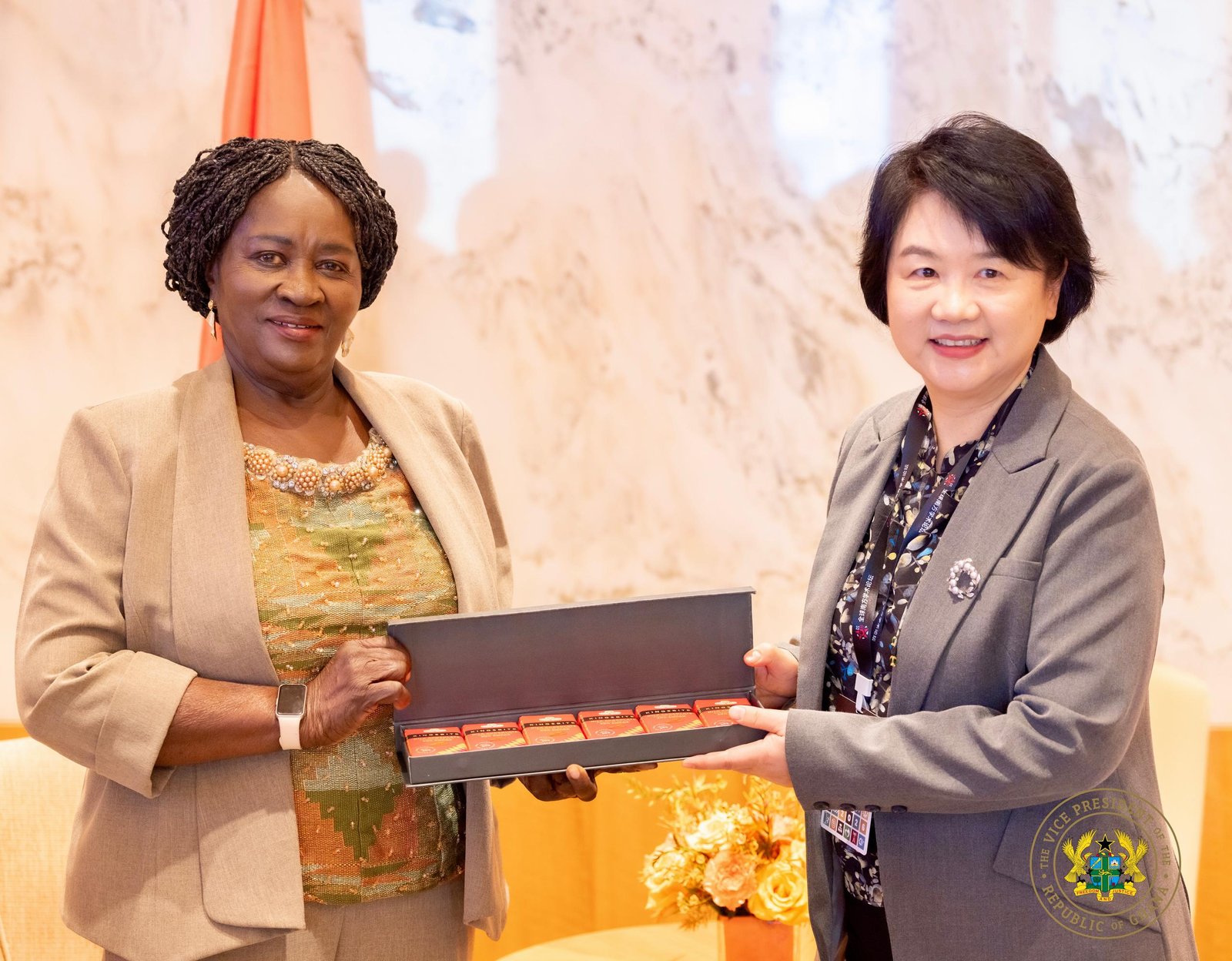
Vice President Professor Jane Naana Opoku-Agyemang has held high-level discussions with organisers of the 2026 Global South Academic Forum in Shanghai, seeking to draw lessons from China’s acclaimed rural revitalisation and poverty reduction drive.
The meeting, led by the Forum Chair, Professor Lu Xinyu, explored practical areas of cooperation and knowledge exchange between Ghana and China, with focus on community-driven development, fisheries and aquaculture, local governance, sports initiatives, and infrastructure development.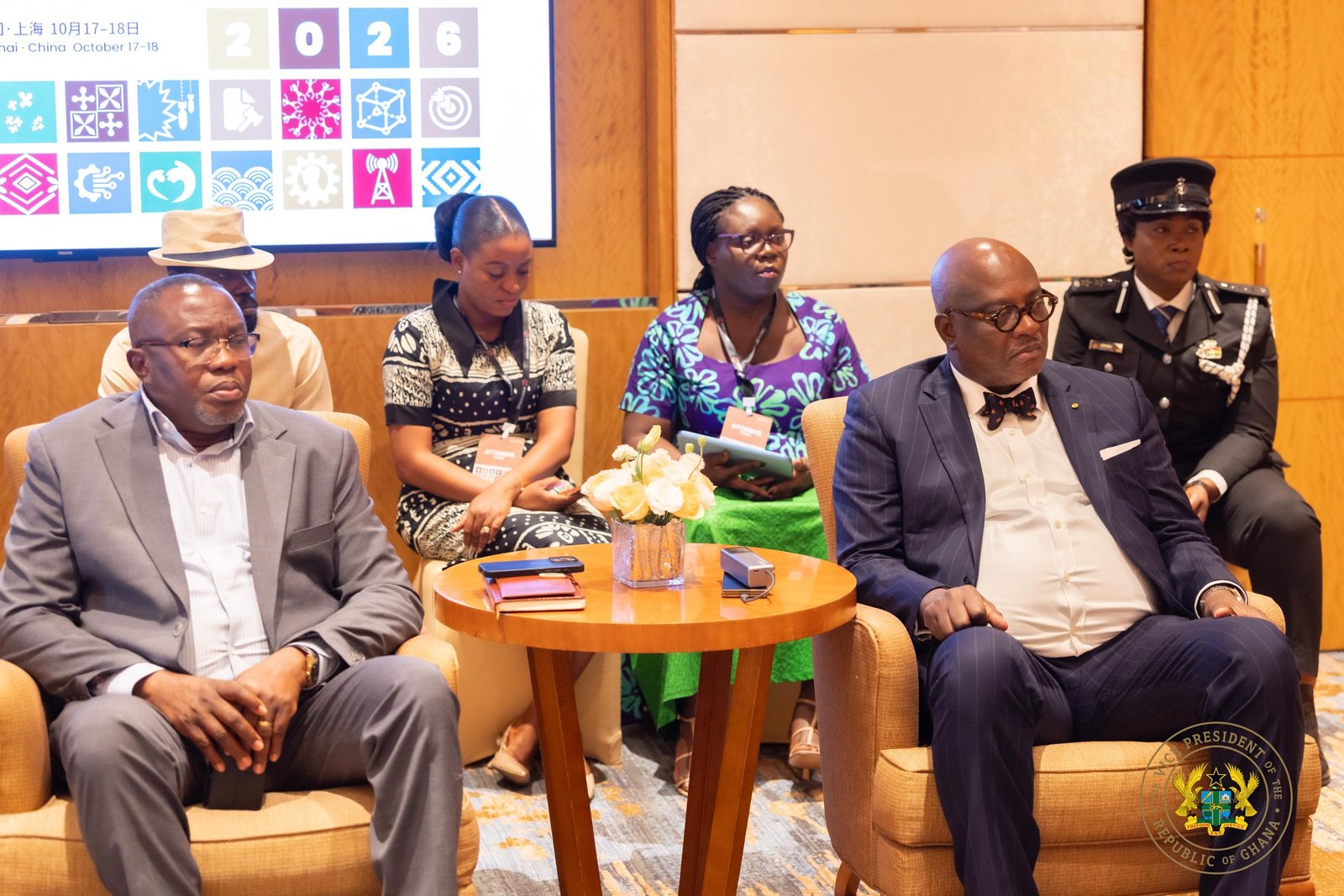
According to officials, the engagement is part of a broader effort by the Ghanaian government to study tested development models that can be adapted to the local context to promote inclusive growth, empower local communities, and improve livelihoods across the country.
China’s success in lifting over 800 million people out of poverty through targeted rural policies, investment in agriculture and local infrastructure has become a global reference point for developing nations.
The Vice President’s team says insights from the Forum will help inform policy direction, particularly in strengthening decentralised governance, boosting the fisheries and aquaculture sector, and investing in community-level infrastructure and youth sports development.
Professor Opoku-Agyemang is expected to continue engagements with academic and development institutions while in China.
By Edem Mensah-Tsotorme