News
Asafoatse Christopher Tetteh Nettey II: Bridging heritage, progress in Gbese

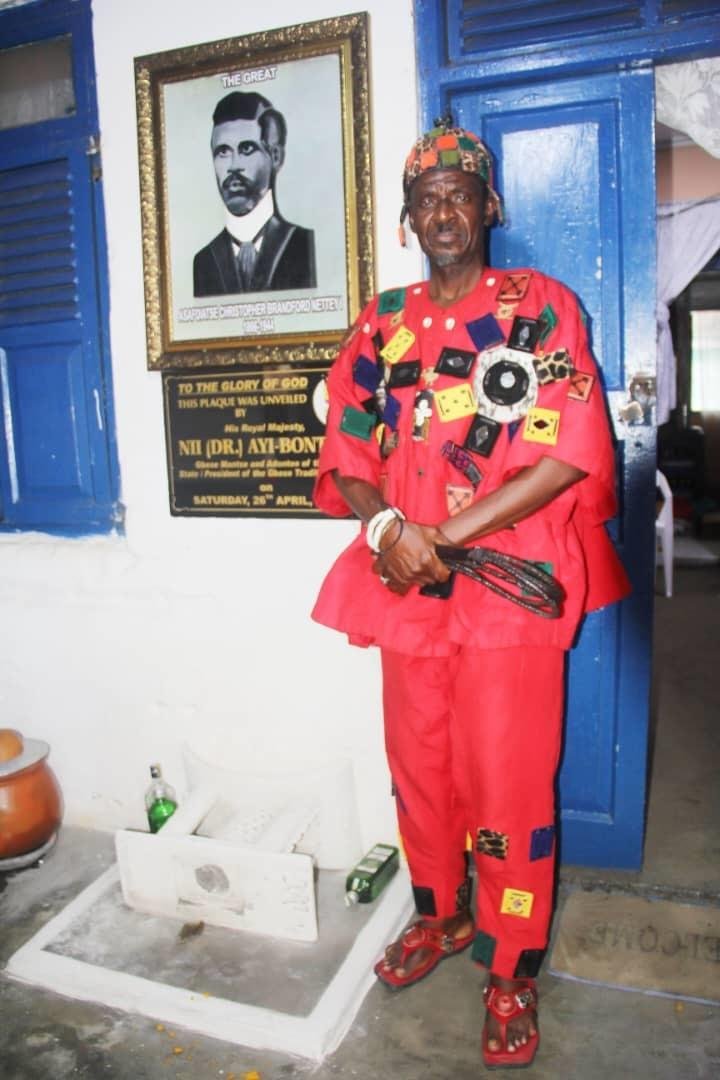
In the heart of Sonmenaa, Gbese (Gamashi), a new chapter of traditional leadership is unfolding under Asafoatse Christopher Tetteh Nettey II, a man whose life story seamlessly blends the dignity of Ga-Dangme heritage with the dynamism of modern progress.
More than a custodian of culture, he represents a generation of traditional leaders redefining service through vision, innovation, and community commitment.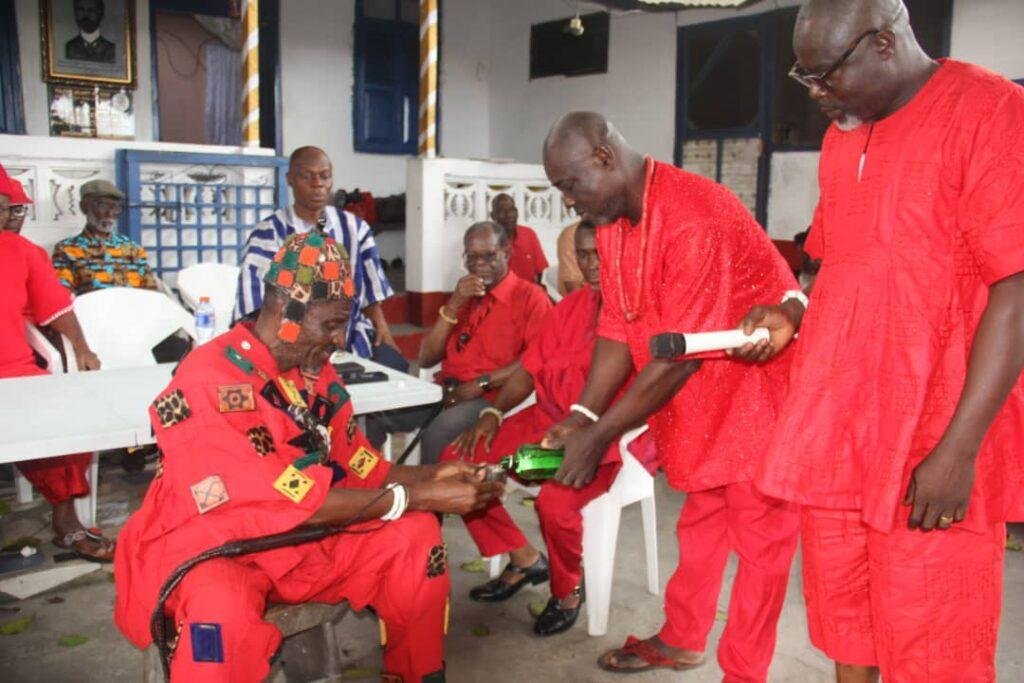
Early Life and Heritage
Born into the proud lineage of Sonmenaa Gbese, Asafoatse Christopher Tetteh Nettey II known in private life as Emmanuel Nii Tetteh Nettey, grew up deeply conscious of the weight of history on his shoulders.
The Nettey family has for generations played pivotal roles in Gbese traditional affairs, particularly through the Asafoatse stool, a sacred inheritance passed down within the Swalaba branch since 1866.
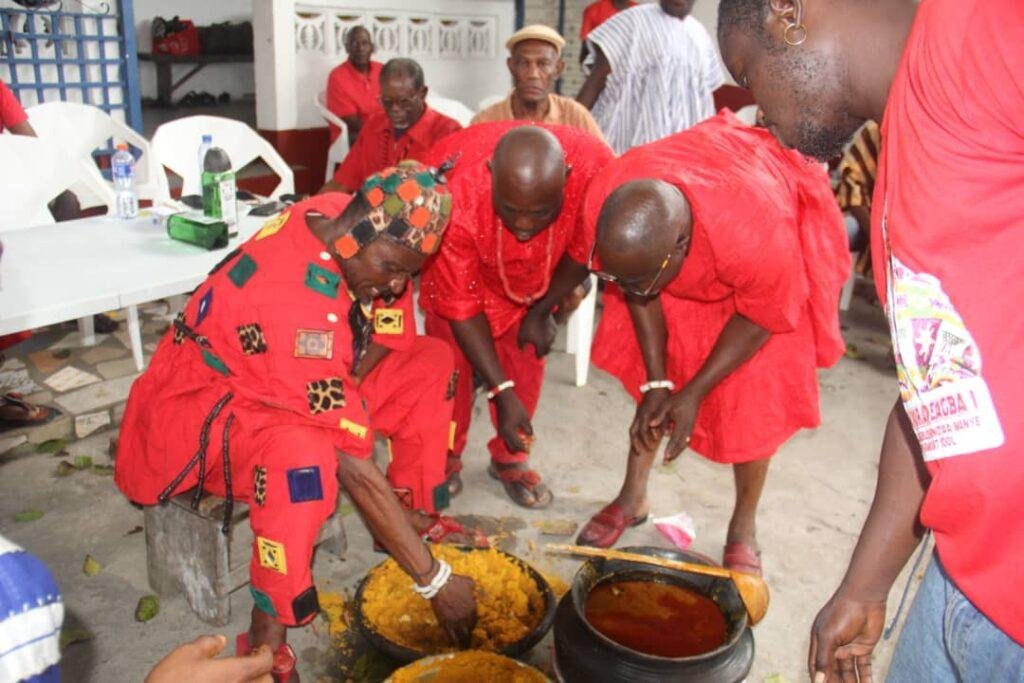
This rich cultural backdrop shaped his childhood, instilling in him a profound sense of identity, discipline, and duty to community.
Even as a child, he was drawn to Ga-Dangme traditions, participating in cultural rites and learning from elders who impressed upon him the importance of heritage as both a source of pride and a compass for life. His early years nurtured the resilience and visionary drive that would later define his leadership journey.
Education and Professional Path
Determined to carve his own path, Asafoatse Nettey II pursued formal education with passion where he obtained a professional certificate in Cyber Security from Regent University College of Science and Technology and is currently advancing his studies in Digital Governance.
His academic pursuits reflect a leader who understands that safeguarding heritage requires also embracing modern knowledge and technology.
Professionally, he is a self-made industrialist with six years’ experience in the metallic and cable manufacturing industry.
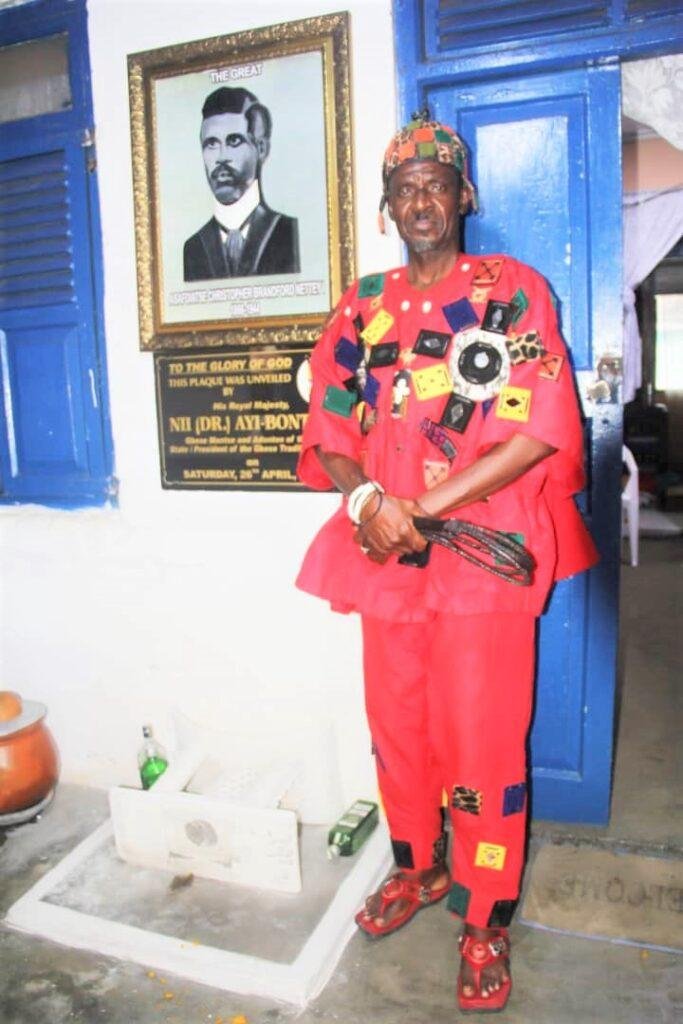
According to him, this background exposed him to the challenges of entrepreneurship in Ghana, sharpening his problem-solving skills, creativity, and resilience. For him, industry was more than business, it was a school of leadership that taught him accountability, innovation, and the value of hard work.
Call to Leadership
On September 3, 2022, he was first enstooled as Abelenkpe Shippi under the authority of Gbese Mantse, Nii (Dr) Ayi-Bonte II. Yet his destiny stretched beyond that role. Following in the footsteps of his legendary predecessor, Asafoatse Christopher Brandford Nettey (Captain C.B. Nettey), he answered a spiritual and ancestral call to ascend to the revered Asafoatse Nukpa position of Gbese Sonmenaa.
His ascension was not without controversy. For over a decade after the demise of Asafoatse Christopher Akai Nettey, contention brewed between the Nii Doku We and Swalaba factions over succession.
Court cases, injunctions, and disputes left the stool vacant and the community divided yet history and custom were on his side.
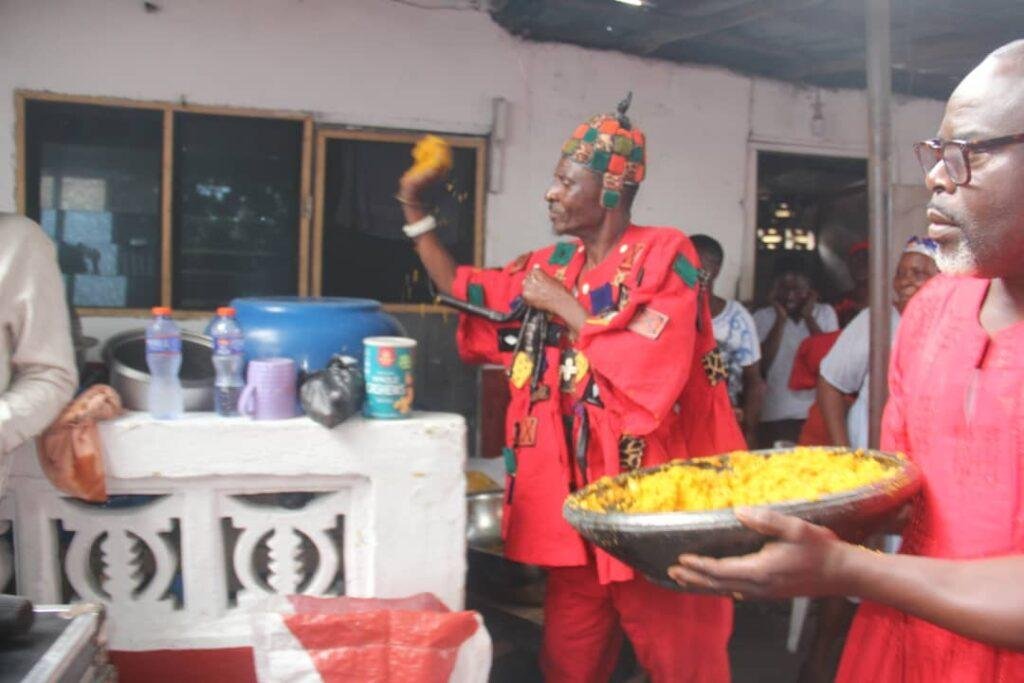
Research by renowned historians John Kwadwo Osei-Tutu and John Parker confirmed that the Asafoatse title was a matrilineal inheritance reserved strictly for the descendants of Asafoatse C.B. Nettey of the Swalaba branch.
This unbroken lineage legitimised his ascension and reinforced the integrity of Ga customary law.
Leadership Vision
Today, Asafoatse Nettey II embodies a leadership style that balances tradition with modernity. His vision for Gbese Sonmenaa is anchored on three interconnected pillars:
Heritage Preservation: Safeguarding Ga-Dangme history, language, and customs through cultural education, festivals, and archival projects.
Youth Empowerment: Equipping young people with entrepreneurial and digital skills, while instilling pride in their identity and community.
Community Development: Promoting vocational training, supporting local businesses, and championing partnerships to improve livelihoods and infrastructure.
For him, tradition is not static; it must evolve to inspire development. As I often say, “Our history is our foundation, but our development is our destiny.
We must walk together – elders and youth, tradition and innovation, to secure the future we dream of.”
A Leader of the People
Beyond ceremonial duties, Asafoatse Nettey II says he is a hands-on leader who engages directly with residents, listens to concerns, and works with stakeholders to solve problems. Known for his boundless energy and creative thinking, he is respected not only as a traditional leader but as a visionary partner in progress.
He tells The Spectator that he is a devoted father of five, and brings the same values of discipline, humility, and service into his family life, instilling in his children the principles that guide his leadership.
Looking Ahead
In Gbese today, there is renewed optimism. The community sees in Asafoatse Nettey II a leader who is both grounded in heritage and equipped for the challenges of the future. His stewardship symbolises continuity and change which represents the weaving of ancestral wisdom into the fabric of a modern, forward-looking society.
Asafoatse Christopher Tetteh Nettey II says Gbese Sonmenaa stands poised not just to preserve its traditions, but to transform them into living tools of empowerment and development.
“In my hands, the legacy of the Nettey family is not merely remembered; it is alive, growing, and leading Gbese into a brighter tomorrow,” he concluded.
By Cliff Ekuful
Join our WhatsApp Channel now!
https://whatsapp.com/channel/0029VbBElzjInlqHhl1aTU27





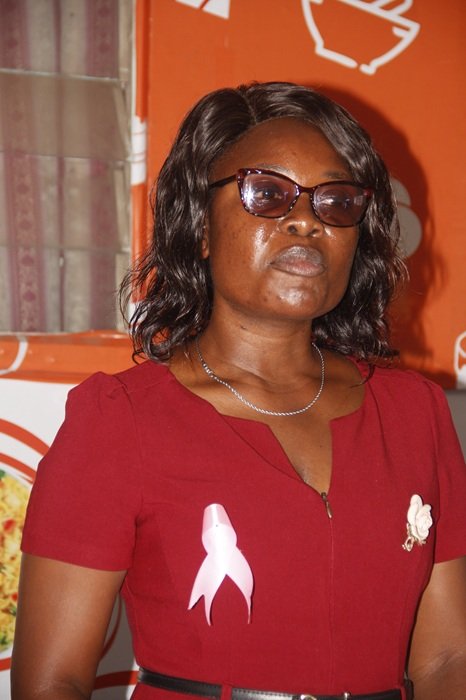
Medical Doctor and dietician, Dr Bernice Korkor Asare, has urged women to take greater responsibility for their lifestyle choices, particularly their eating habits and levels of physical activity, to help reduce their risk of developing breast cancer.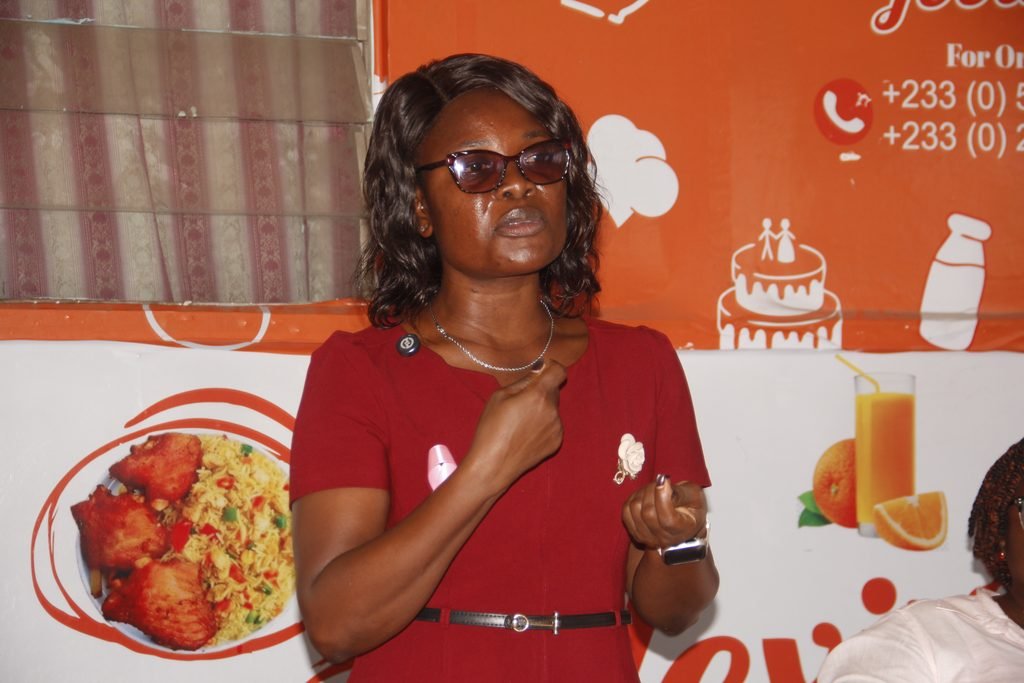
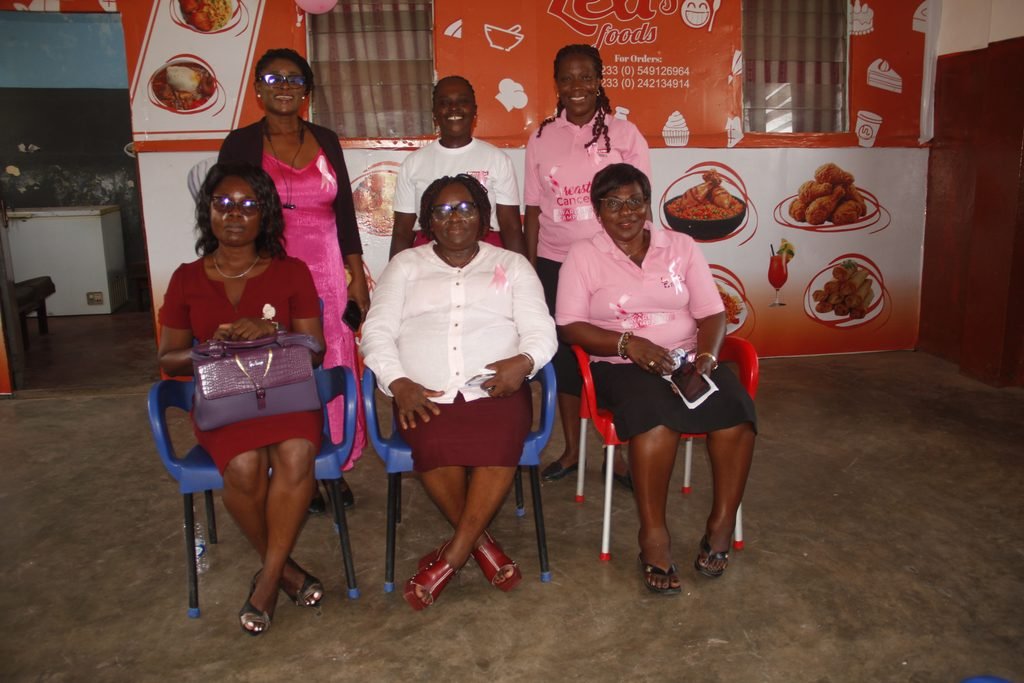
According to her, although, some breast cancer risk factors, such as family history and certain reproductive factors, may not be within an individual’s control, lifestyle choices offer an opportunity for people to take preventive action.
She made this known during a talk on the topic: “Role of diet in breast cancer prevention” organised by Times Ladies Association of the New Times Corporation, publishers of The Ghanaian Times and The Spectator, in Accra on Thursday.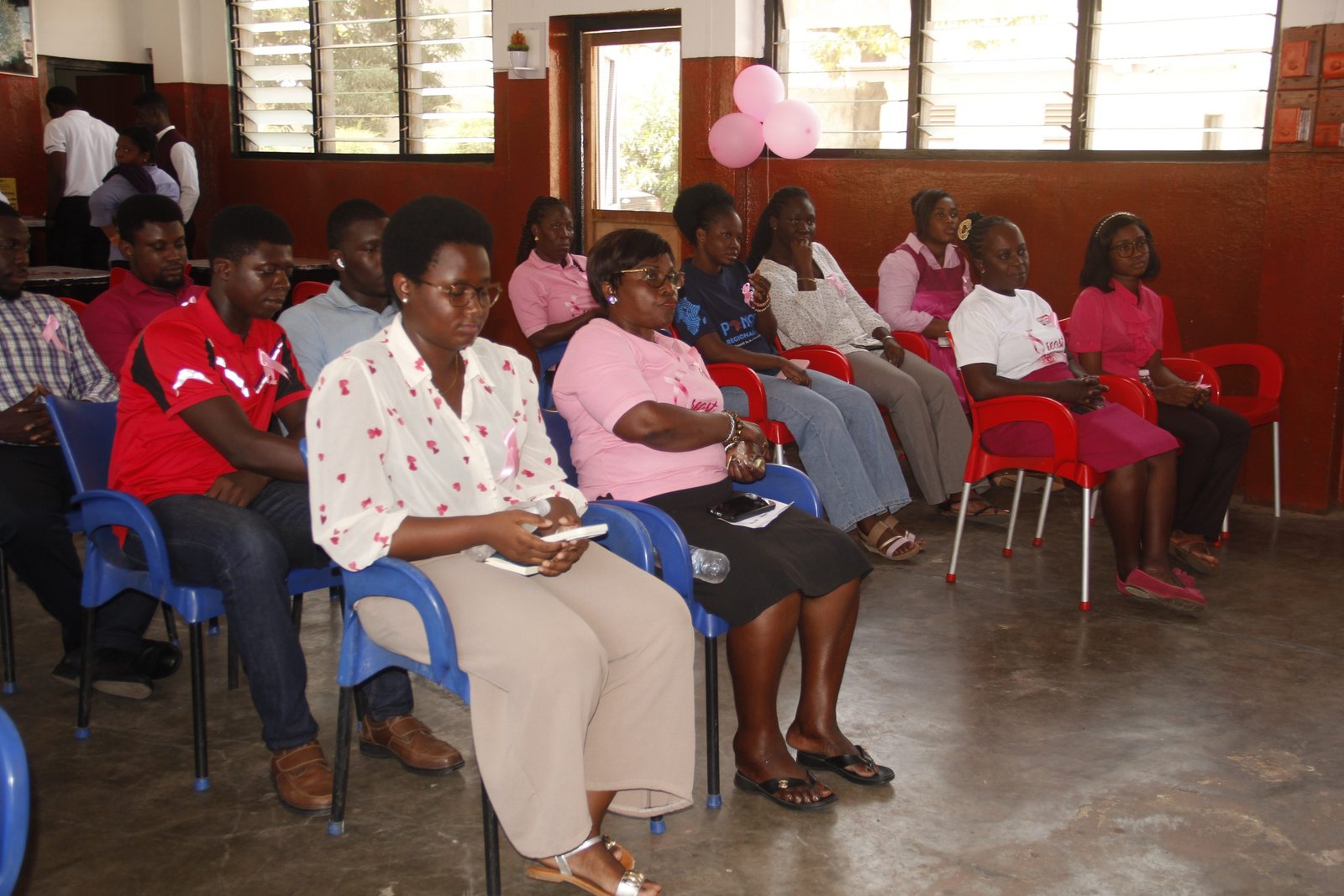
The event themed “Breast Cancer Awareness- Promoting Early Detection, Healthy Eating and Prevention.” 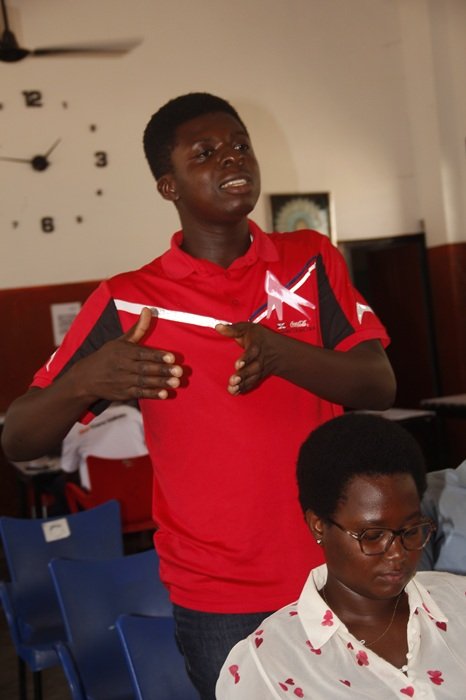
She noted that having a risk factor did not automatically mean a person would develop breast cancer, but could increase the likelihood of developing the disease compared with someone without that particular risk factor.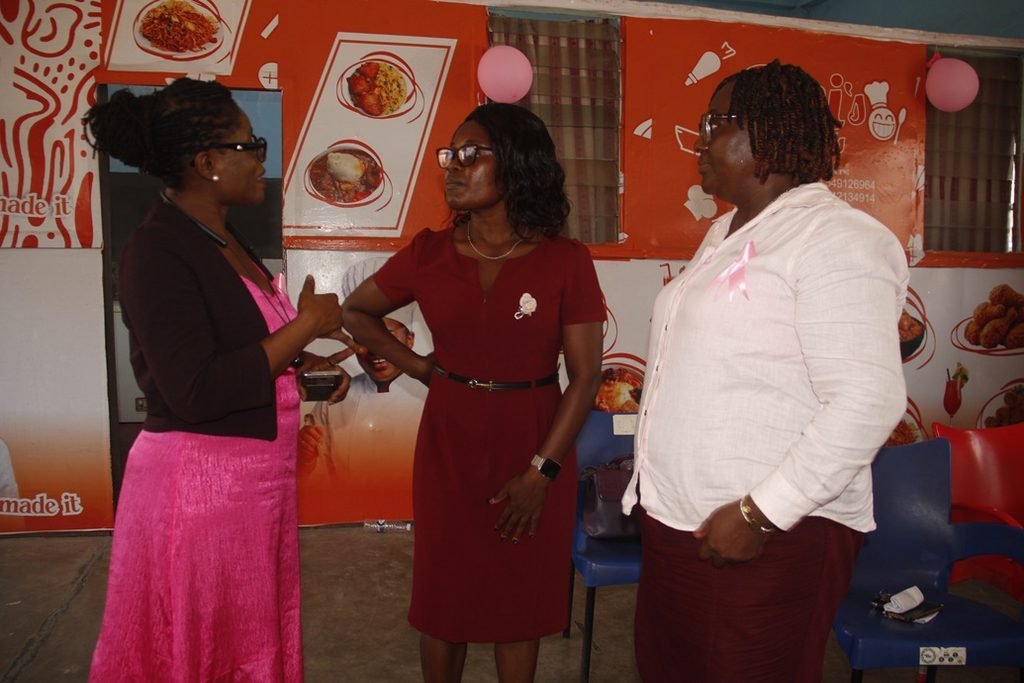
“Having close relatives who have had breast cancer, particularly a mother, sister or daughter, may increase the risk, although not everyone with a family history will develop the disease,” Dr Asare opined. Read More.
By Adizatu K. Munkaila
SKIP THE QUEUE, TAP THE NEWS
Read Daily News
You can now read the Ghanaian Times and The Spectator newspapers from the comfort of your device via TimesNewsPlus.
Buy Maps
Join our WhatsApp Channel: https://whatsapp.com/channel/0029VbBElzjInlqHhl1aTU27
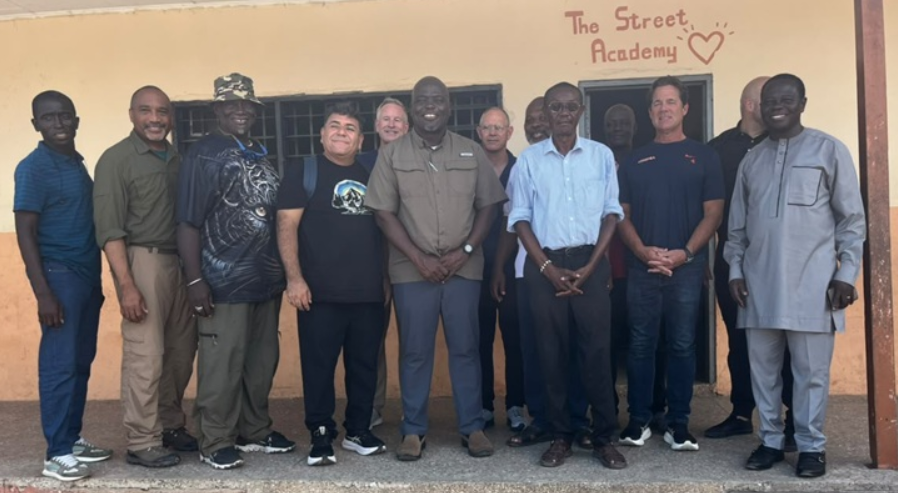
A group of compassionate friends from Innovation Gospel Impact last Friday visited the management, teachers and learners of the Street Academy in Accra.
The visit was to interact to get a deeper insight into the operations of the Academy that houses hundreds of street and underprivileged children and find ways to support them.
The team was led by Rev. Dr Isaac Apenteng Yeboah, a former Director for West African Mailbox Club and Director for Prisons Support Foundation, and Rev. Dale Sutherland from Washington DC.
The call, according to the visitors was occasioned by reports about the struggles of the Academy despite the occasional support it enjoys from individuals and some corporate entities.
Briefing them, the Founder and Executive Director of the Academy, Dr Ataa Lartey, thanked them for the concern showed, indicating that “this is a major boost for both teachers and learners; knowing that their plight is known by people outside their premises.”
According Dr Lartey, the Academy had planned to undertake a number of project to enhance teaching and learning and also procure facilities for the children with keen interest in sports but had to shelve those plans for lack of finance.
He told the team that their biggest concerns were the monthly utility bills that takes a toll on their finances.
“We have a piece of land we planned to turn into an astro turf pitch to train the younger ones whose interests lies in making a career out of football, however, we have been unable to commence because there is no money now,” he said.
Dr Lartey expressed gratitude to the teachers who have dedicated their lives to training these children, rather than going for well-paying jobs and hoped that with time, their conditions of engagement would improve.
Moved by the plight of the Academy, the group donated a cash amount of Gh₵3,000 to settle its water bills.
They described as unfortunate the conditions of learners and teachers of the Academy and pledged to continuously support their operations to realize the dream to build a better future for the unfortunate children.
The group offered to support the school with its monthly utility bills, feeding and staff allowance and urged the Academy staff to remain in constant touch with them.
The Street Academy is located at the Accra Art Center and offers brilliant but needy the chance to pursue their educational dreams by enrolling them in public schools with others offered training in sports and cultural activities.
By Spectator Reporter
SKIP THE QUEUE, TAP THE NEWS
You can now read the Ghanaian Times and The Spectator newspapers from the comfort of your device via TimesNewsPlus.
Join our WhatsApp Channel: https://whatsapp.com/channel/0029VbBElzjInlqHhl1aTU27