Fashion
Akwanbo in Ekumfi links the living with ancestors Ebo Quansah at Ekumfi Ekrawfo

- /home/u249204778/domains/spectator.com.gh/public_html/wp-content/plugins/mvp-social-buttons/mvp-social-buttons.php on line 27
https://spectator.com.gh/wp-content/uploads/2022/09/Chief-1-Pix.jpg&description=Akwanbo in Ekumfi links the living with ancestors Ebo Quansah at Ekumfi Ekrawfo', 'pinterestShare', 'width=750,height=350'); return false;" title="Pin This Post">
- Share
- Tweet /home/u249204778/domains/spectator.com.gh/public_html/wp-content/plugins/mvp-social-buttons/mvp-social-buttons.php on line 72
https://spectator.com.gh/wp-content/uploads/2022/09/Chief-1-Pix.jpg&description=Akwanbo in Ekumfi links the living with ancestors Ebo Quansah at Ekumfi Ekrawfo', 'pinterestShare', 'width=750,height=350'); return false;" title="Pin This Post">
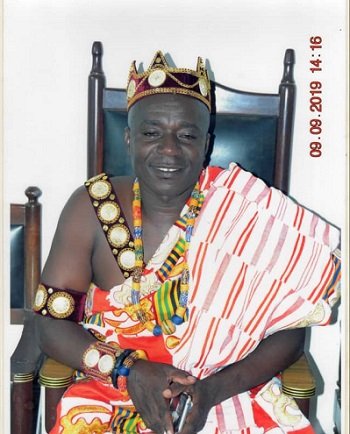
• Nana Gyaben VIII, Nyimfahen
of the Ekumfi Traditional Area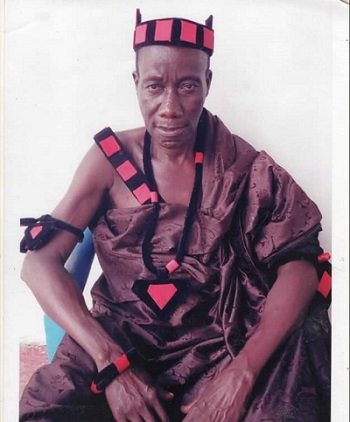
Chief of Otabenadze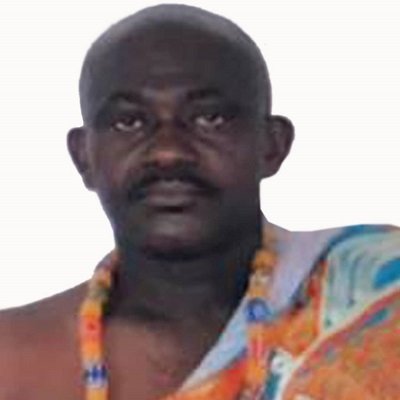
Adontenhen of Ekumfi Etrawfo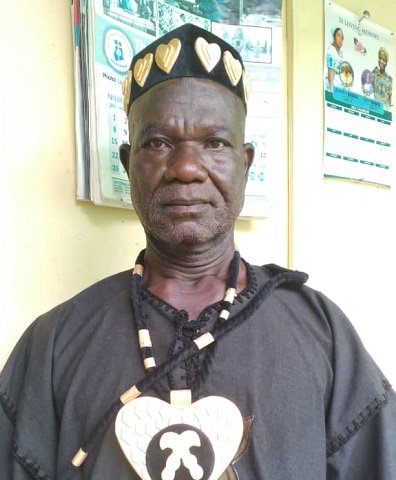
It is one festival deeply steeped in history. When the people called Fantis currently occupying the coastal belt of the modern day Central Region, made their long migration from Techiman, now in the Bono East Region of Ghana, they settled at Mankessim (Oman Kese), literally, large town.
They were led by Oburankoma, Odapagyan and Osun who are revered in Asafo songs among the people. Anybody who has ever visited Mankessim would have seen the effigy of these great warriors raised in the form of statues at the big round about where the road from Accra to Cape Coast links up with the one from Swedru through Ajumako.
Oral tradition tells us that the migrating people gathered at Mankessim in distinctive groups – Abua, Ajumako, Ekumfi, Enyan, Anomabo, Nkusukum, Abeadze, etc. At that point in time, Cape Coast, which has now grown to become the Central Regional capital, had not been established.
It was much later when people of these distinctive groups settled and discovered a stream full of crabs that the place developed into a crab market hence its Fanti name – Oguaa.
History has it that when the migrating group settled at Mankessim, the leadership went round inspecting the conditions of their people after the long trek and discovered that one group was very large in numbers.
“Wanna Nom Na Woabo Kukunfi Wo Ha Yi?” Who are those milling around in sheer numbers like this? “Nana Hen Ara!” That is how the Ekumfi people were identified.
Obviously, Mankessim could not contain the sheer numbers. The people of Ekumfi moved on and settled towards the Accra route. What is now the Nyimfa Division of the Ekumfi Traditional Area, moved a bit further led by a warrior called Ankoma, son of the leader of the group.
It is important to note that in Fanti and Akan custom, it is usually sons of the leadership that lead and cut the path for the people to move.
After the long trek from Techiman, limbs were obviously tired. And so, after walking a while from Mankessim, the leadership asked Ankoma, to stop. “Ankoma Gyina” Ankoma stop!
Ankoma stopped and that place became a settlement called Gyinankoma, following the order to Ankoma to stop. From Gyinankoma, some people moved on later. A hunter called Atta was hunting in a forest, nearby. Initially, he would go hunting and return. It got to a point in time when he built a hut and settled down. People were going visiting in search of bush meat from Atta’s exploits and settle with him. The new settlement became known as Atakwaa, Atta’s forest.
From Atakwaa, Gyinankoma, and other villages that developed from the mini migration, continued their movement and settled at the foot of a steep hill on the way to Ajumako. The hill was so steep that it was not possible for the aged to climb. Old women were particularly disadvantaged. In Fanti parlance, “Aberewa Ntum Fow.” It was corrupted to sound like “Abwerewa Amfo,” old woman would not climb.
Much later, the colonial administration constructed a new road linking coastal towns like Otuam, Akra, Narkwa etc, to Ajumako and through to Breman Asikuma.
The new road attracted settlers from Gyinankoma, Amanyikom and surrounding village. The new town Kurow Fofor (new town) became the modern day Ekrawfo.
To keep the path the early settlers took to their new settlement suitable for use, the people decided to clear the path at periodic times. As time went on, and the state constructed new roads in the area, the path clearance became mere symbolic. A festival was created around it to remind the people of the migration.
Akwanbo was instituted to celebrate the migration and remember the ancestors who led the people to the new settlements. Akwanbo is, thus, a festival that links the living with our ancestors. At first, it was celebrated in June but the rains were a major disturbance. After consultation with oracles, the event was shifted to early September to coincide with the annual celebration of Ahobaa Kese. Oral tradition indicates that after the great migration from Techiman, a calamity fell on Fanti area and claimed many lives. To solve the problem, the oracles asked for a human sacrifice. A man from Gomoa Maim, called Ahor volunteered his life. He was killed and the blood used in sacrifice that stopped the calamity.
To honour Ahor’s memory, two types of events are held annually. The first – Ahobaa Kakraba is held to mourn him every year. The event begins at Gomoa, moves on to Ajumako, Ekumfi, Enyan and to the rest of Fanti settlements. Ahobaa Kese celebrates his feat as an example for others to emulate. It begins in August through to September and October. Akwanbo of the people of the Nyimfa Division kills two birds with one stone. It celebrates the founding fathers and commemorates Ahor’s exemplary sacrifice at same time.
Now, Akwanbo has become a huge event at which funds are raised for development. In 2007, the late Vice-President Alhaji Aliu Mahama was the Guest of Honour. As part of the activities that year, Fabulous Asante Kotoko, which had won the national league under the technical direction of Mr Bashir Hayford, a native of Ekrawfo, came down to do battle with the local lads, then called Islam Stars. Kotoko beat our lads 3-1 with Eric Bekoe scoring two goals in a very thrilling encounter.
The next year, sitting President John Agyekum Kufuor was invited. He sent down two ministers when a major assignment took him outside the country. In 2012, sitting President John Dramani Mahama did the people honour by becoming the Special Guest of Honour. Ashgold Football Club, which had just been crowned champions of the Premier League, came down with the trophy to engage local lads Ekumfi United in another thrilling engagement. Ashgold, were also under the technical guidance of Coach Bashir Hayford.
This year, sitting President Nana Addo Dankwa Akufo-Addo is penciled in as the Special Guest of Honour. He will be joined by Majority Leader, Mr Osei Kyei-Mensah-Bonsu as well as other Members of Parliament, and other distinguished leaders from industry and society generally.
As part of the celebrations, Wonder Club, Accra Great Olympics will engage Ekumfi United, the proud team of Ekumfi Ekrawfo in an encounter that will resonate in all communities in the area, on Sunday, September 11, 2022. The match is arranged as part of events honouring the memory of the late Mr Kwamena Biney. Mr Biney was also the chief of Ekumfi Ekrawfo and Adontenhen of the Nyimfa Division of the Ekumfi Traditional Area, under the stool name – Nana Kwamena Kwaatse II.
The chief, who joined his ancestors in December 2000, was for several years, Executive Chairman of Accra Great Olympics.
As part of the ceremony, there will be a food bazaar of local foods and dance at which Miss Akwanbo will be crowned. Ekumfi Cultural Group that uses Asafo songs and dancers – create some Fante native folklore – will feature at the Dance at Bash Gardens at Ekumfi Ekrawfo. This year’s Akwanbo festival is under the theme, “Peace and Developement.”
By Ebo Quansah at Ekumfi Ekrawfo


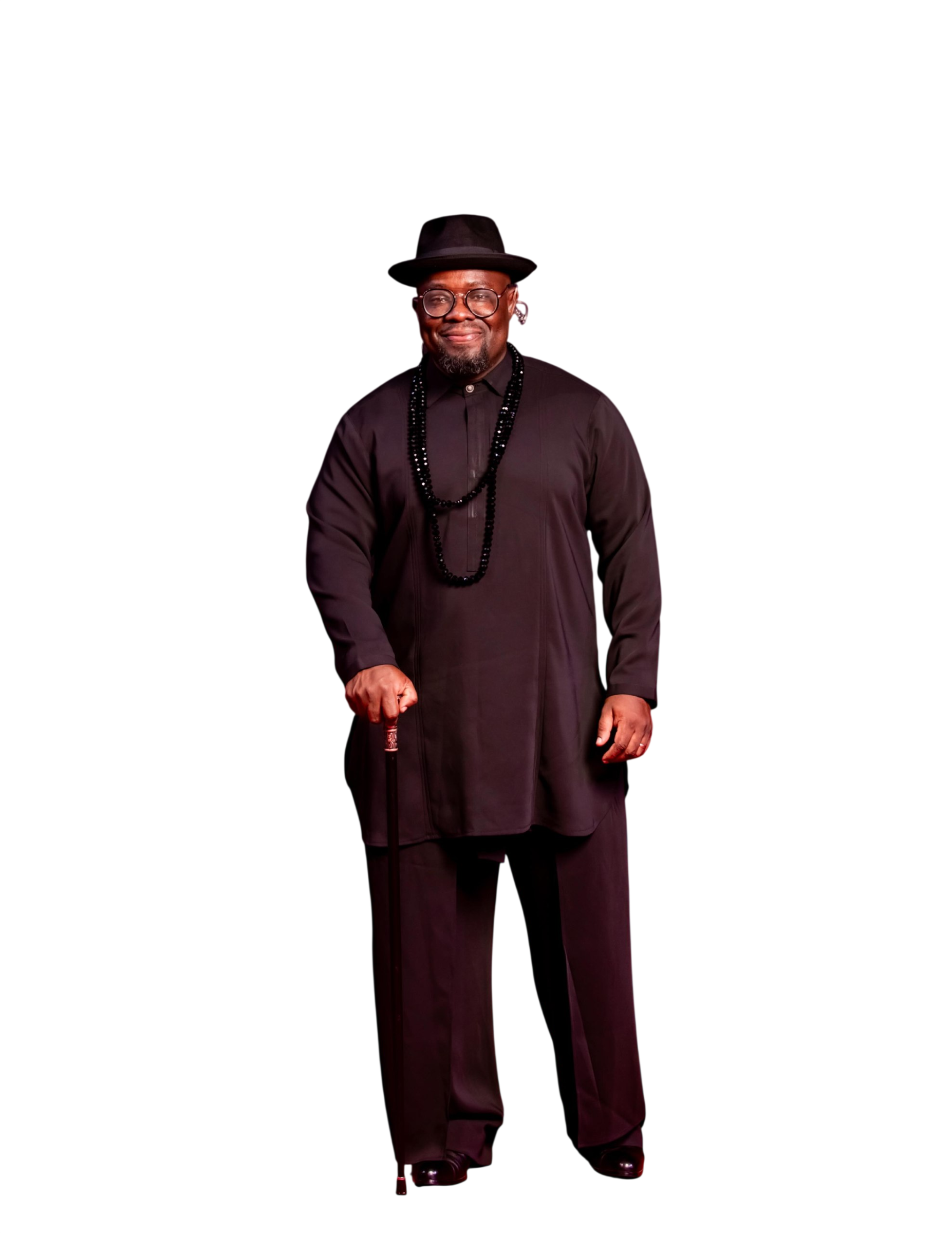
Ghanaian broadcaster and television personality Giovanni Caleb has gradually carved a niche for himself not only with his distinctive voice and on-screen engagement, but also with a fashion style that continues to attract attention.


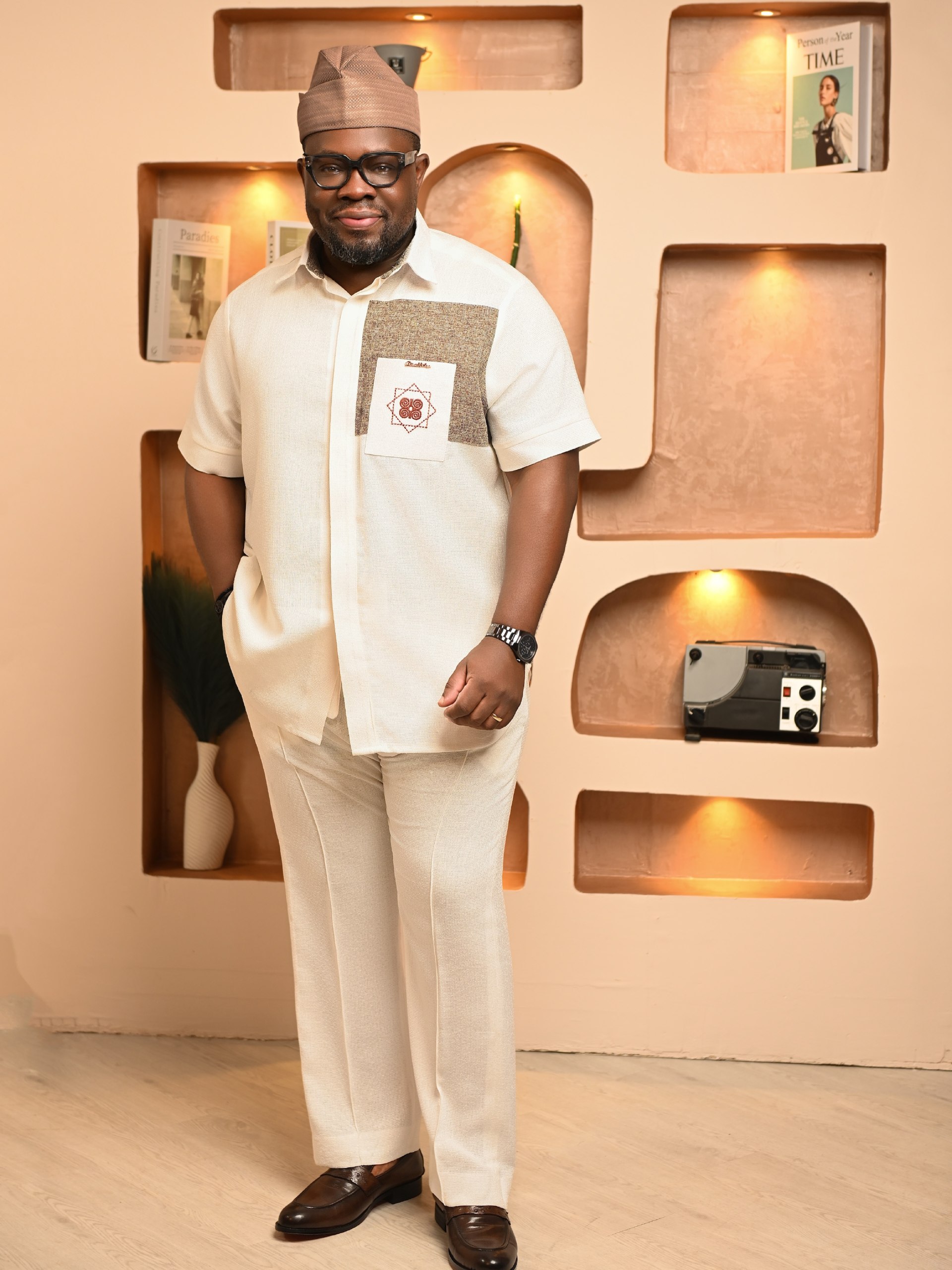

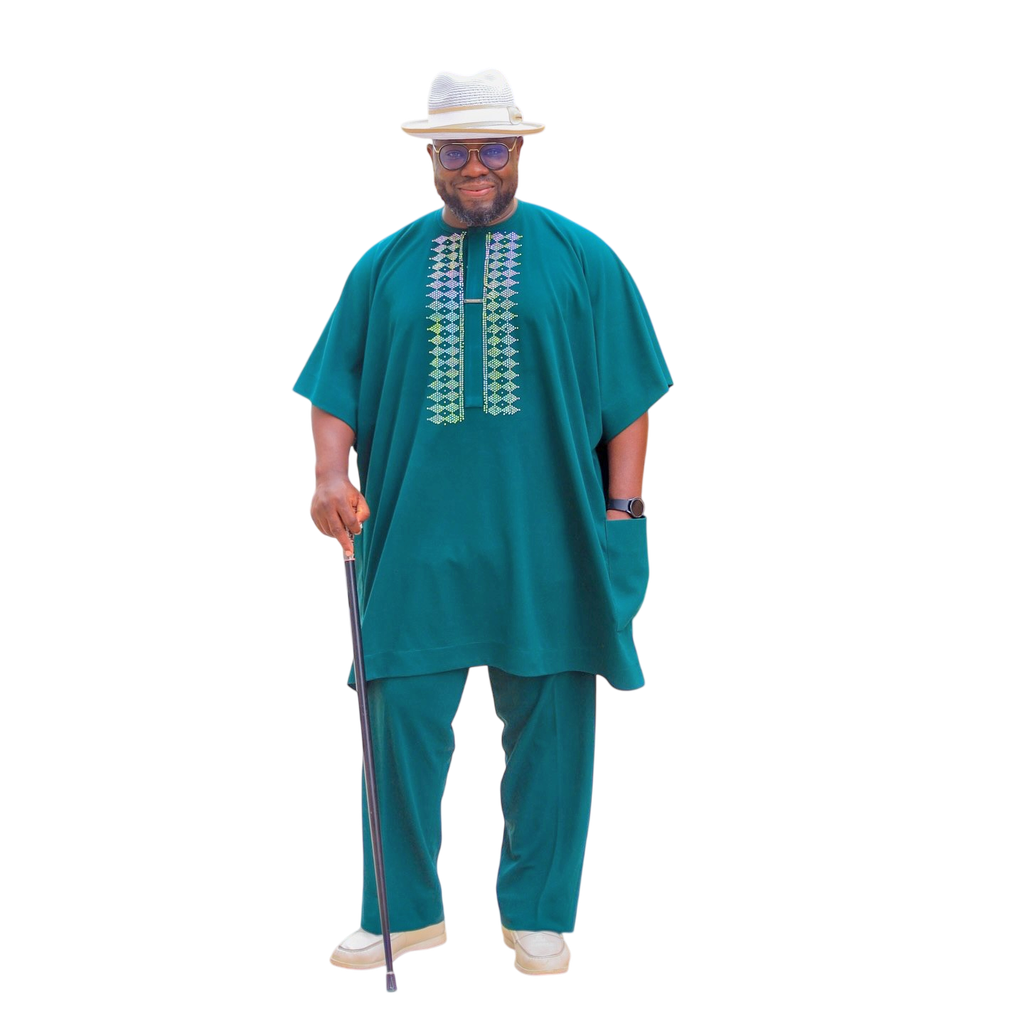
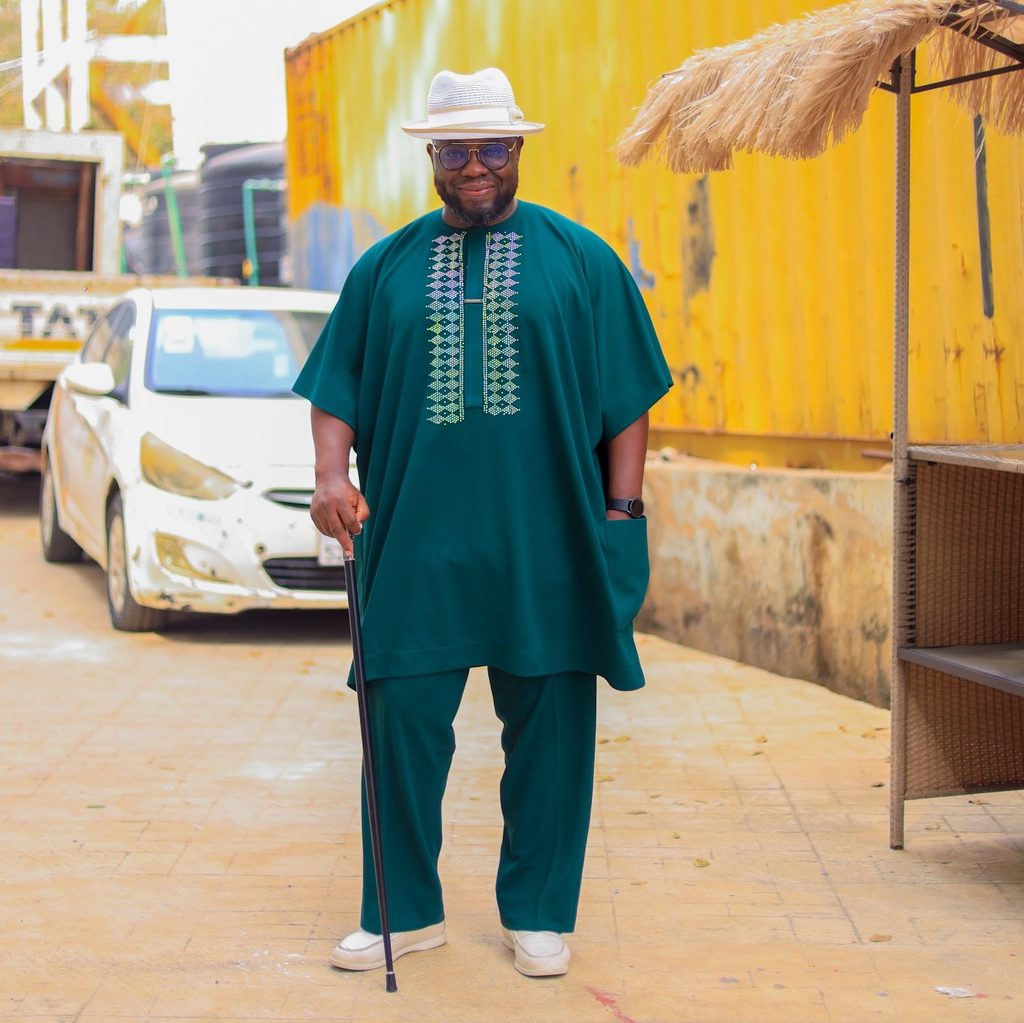
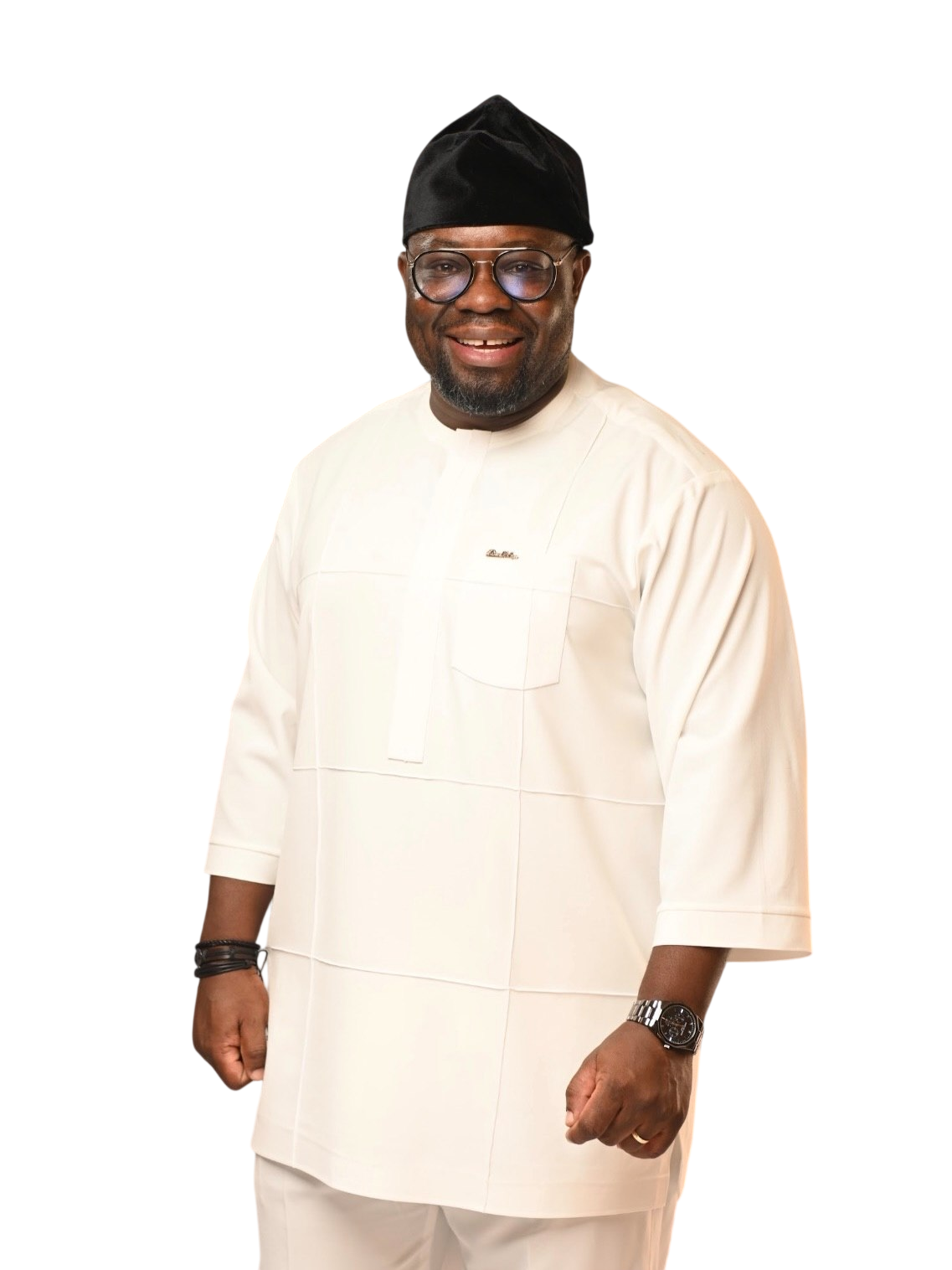
His style often strikes a balance between sophistication, simplicity and contemporary trends, making him one of the male media personalities whose fashion choices are worth watching.
One of the most noticeable features of Giovanni’s dressing is his preference for well-fitted outfits. Whether he is hosting a programme, attending a public event or sharing moments from his personal life, his clothes generally complement his physique without appearing unnecessarily flashy.
Beyond suits, Giovanni also embraces smart-casual fashion. Polo shirts, shirts, trousers, sneakers and other relaxed pieces occasionally form part of his wardrobe, showing his ability to transition comfortably between formal and casual settings.
Giovanni Caleb may be known primarily for his work behind the microphone and in front of the camera, but his evolving fashion sense has given him another identity as a contemporary Ghanaian man who knows how to look good.

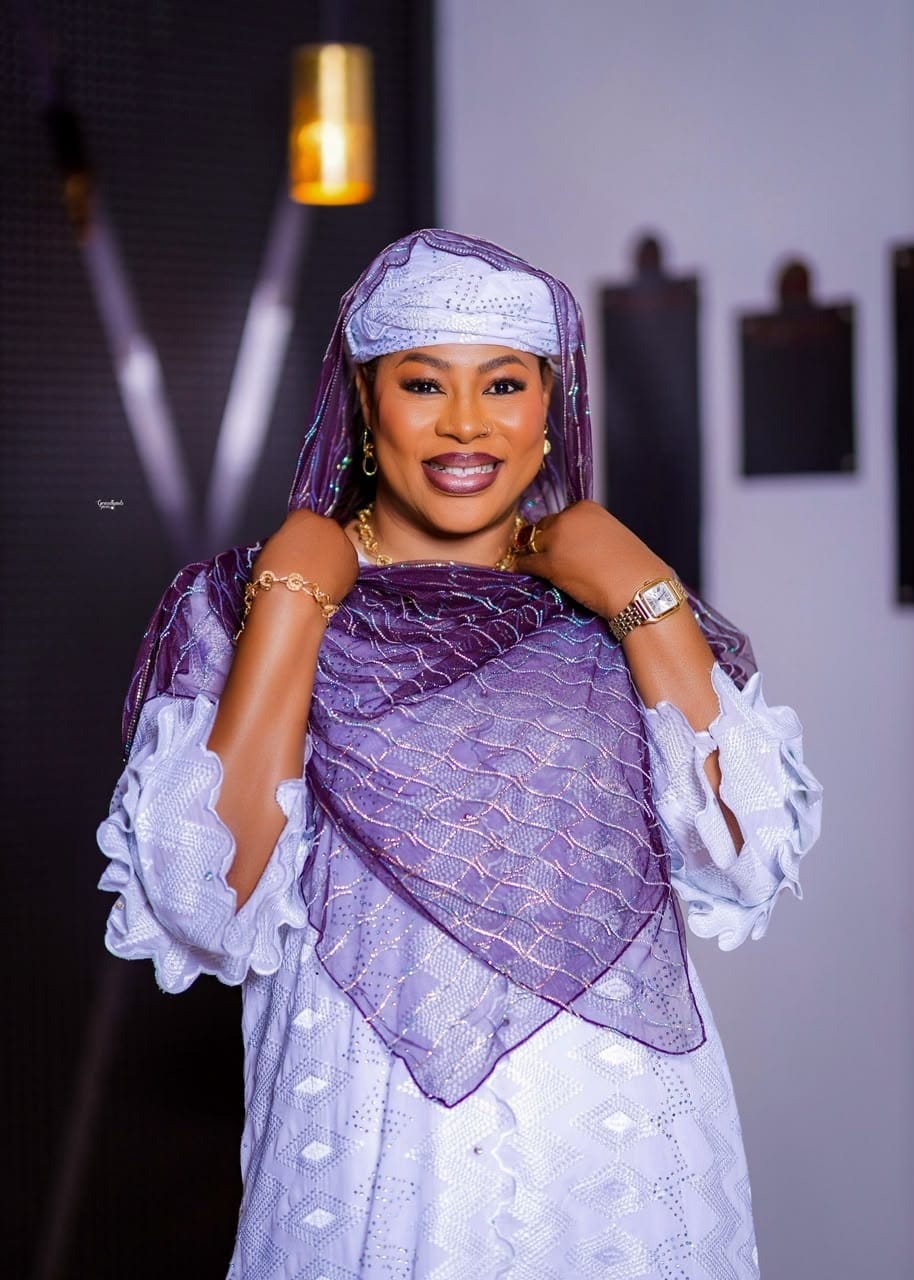
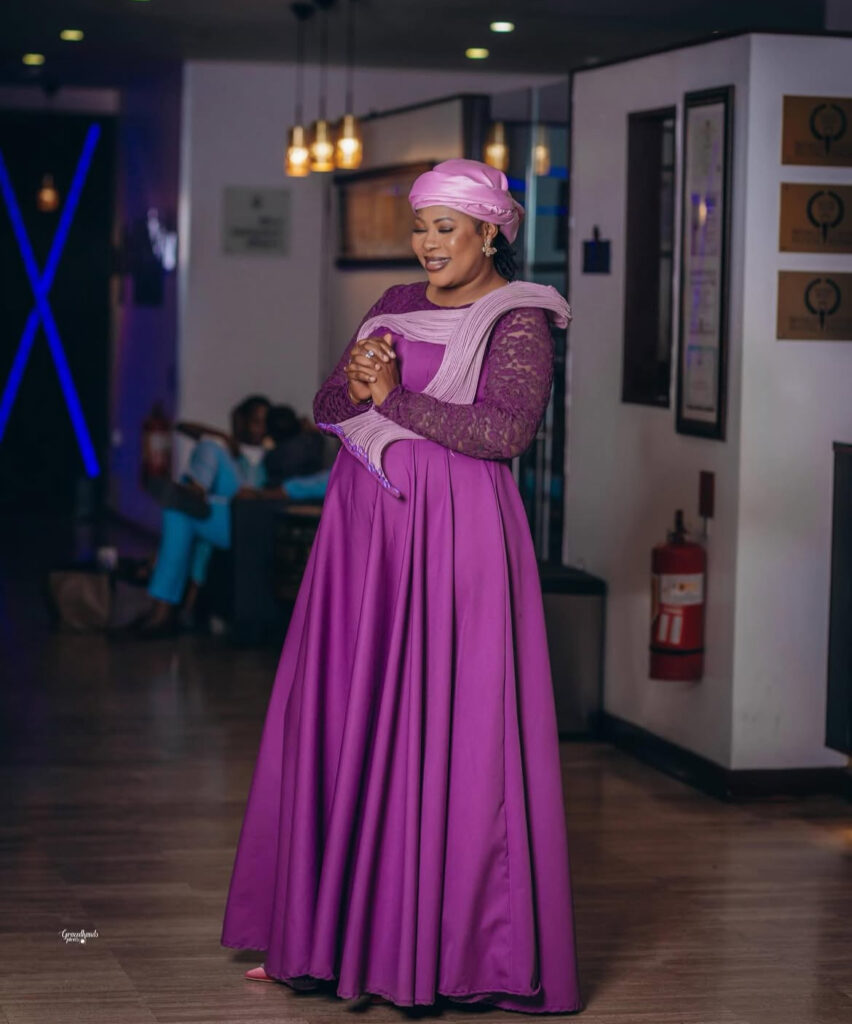
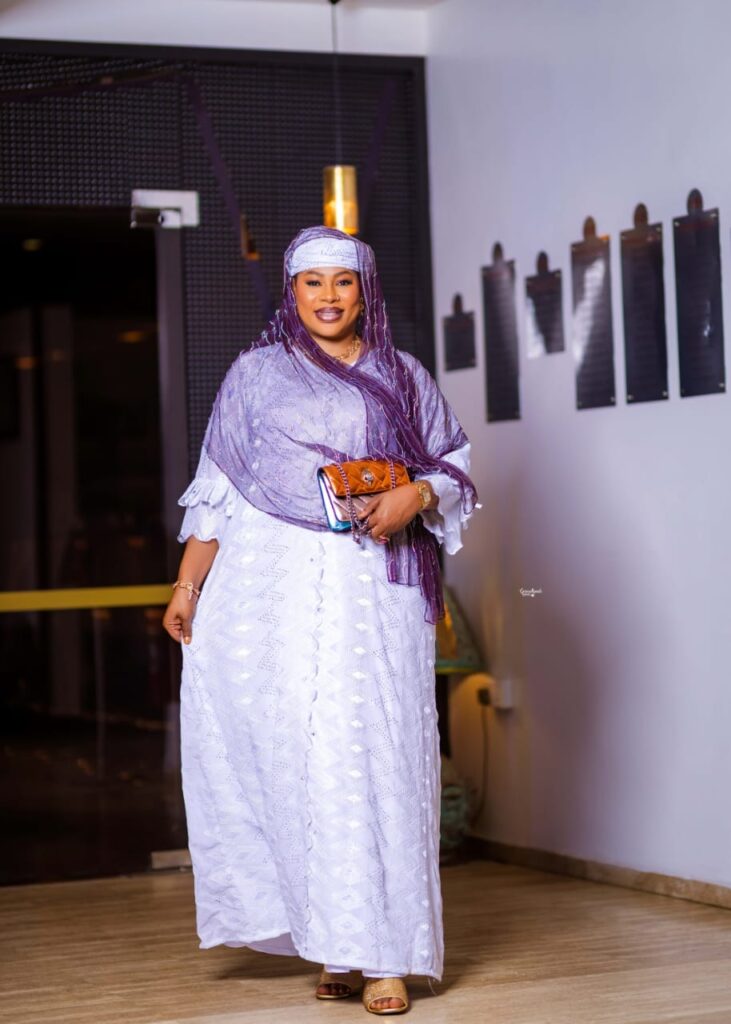
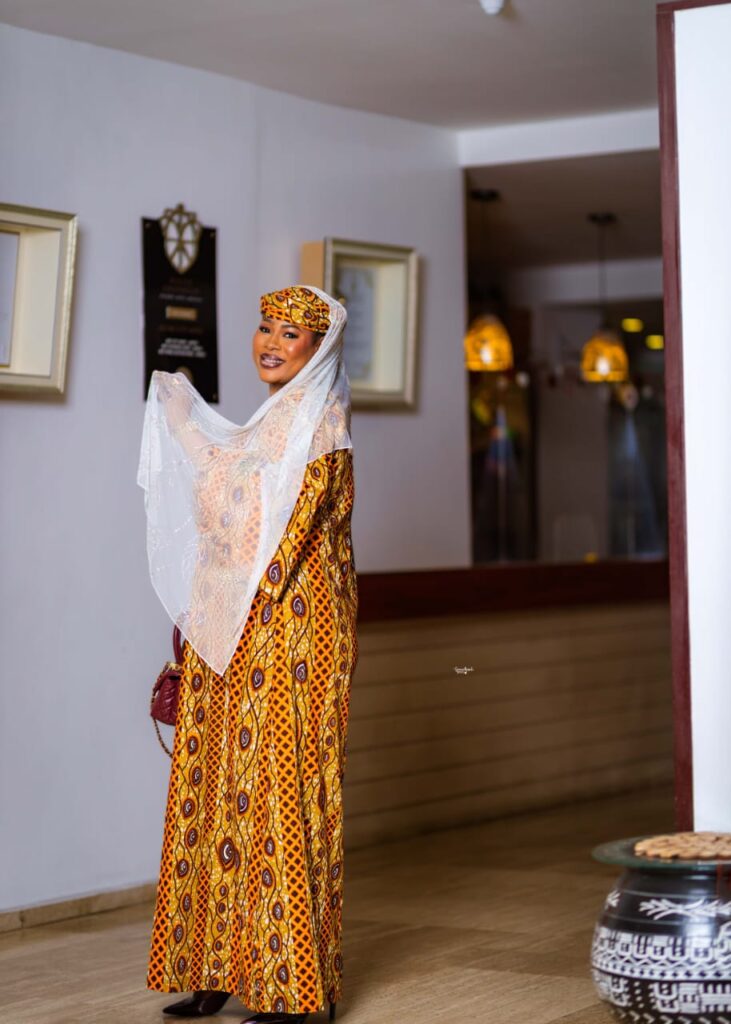
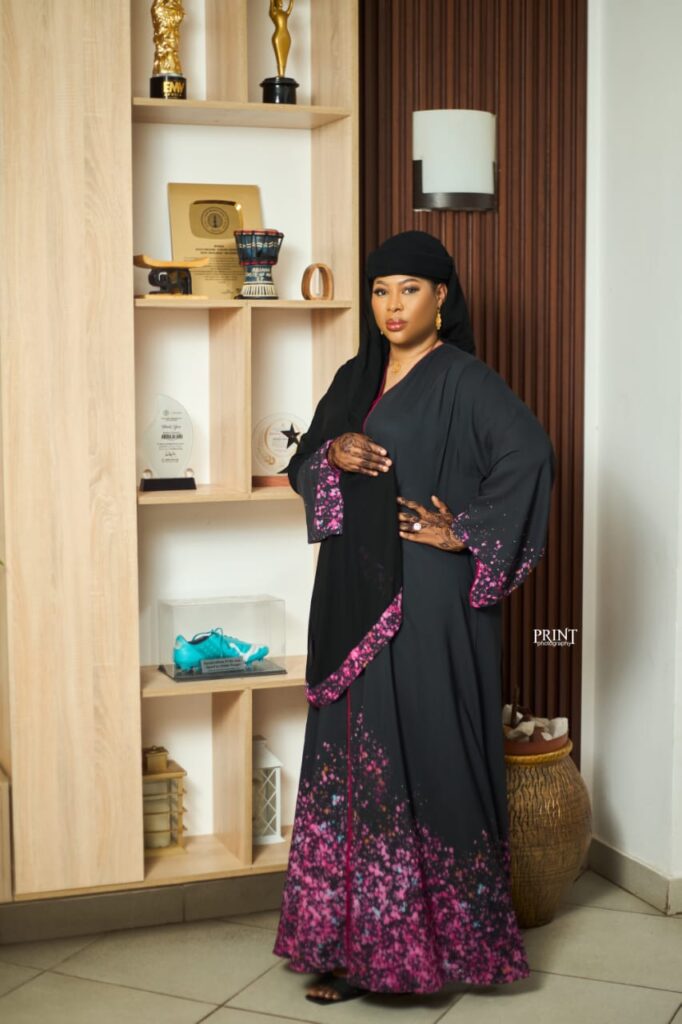
Adiza Ibrahim, is proving what it means to be a modern style icon in Ghana. By day, she commands corporate rooms as a top marketing executive as well as a fashion consultant, boutique owner, and lifestyle strategist.
Her signature looks proves that modesty and high fashion belong on the same runway. She has consistently demonstrated elegance, confidence and a refined sense of fashion in both modern and traditional style.
Adiza is not just a consumer of fashion; she is a critic and an educator. She actively pushes local designers to elevate their craft.
For her, fashion is a tool that demonstrate your cultural identity and make you hold onto your national pride.
Check out some of her outfits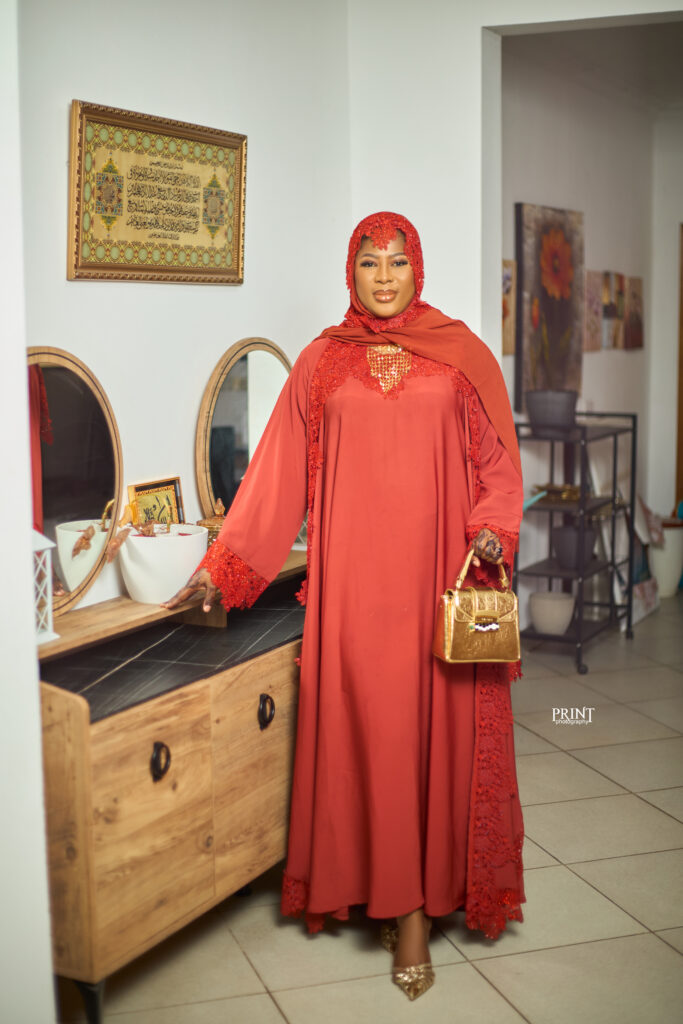

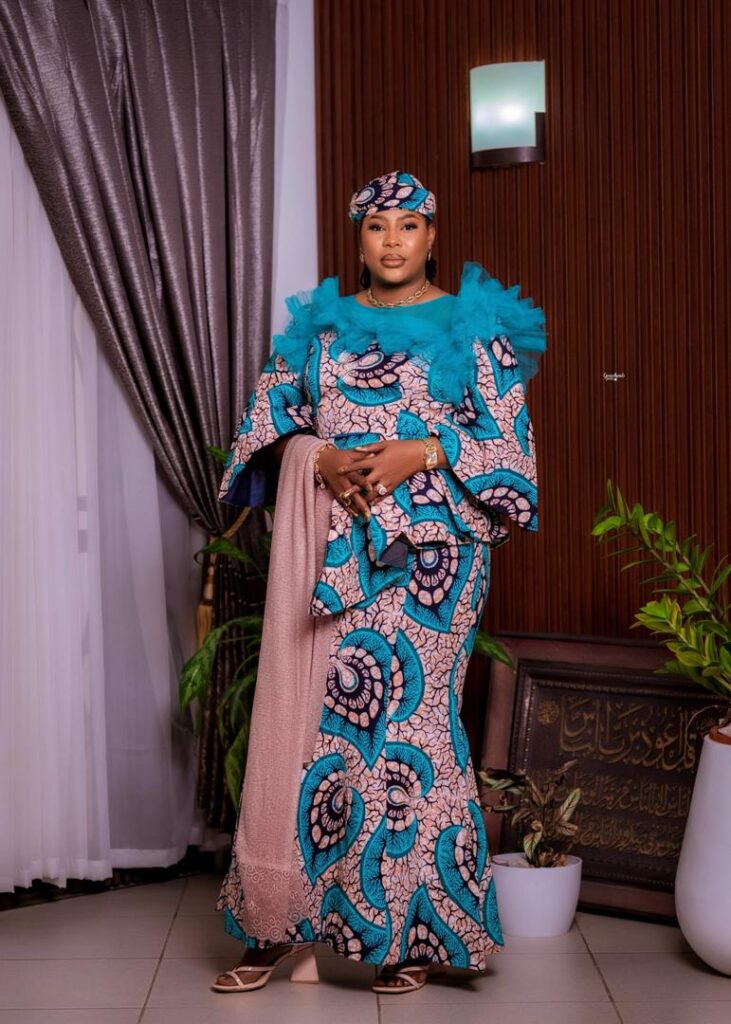
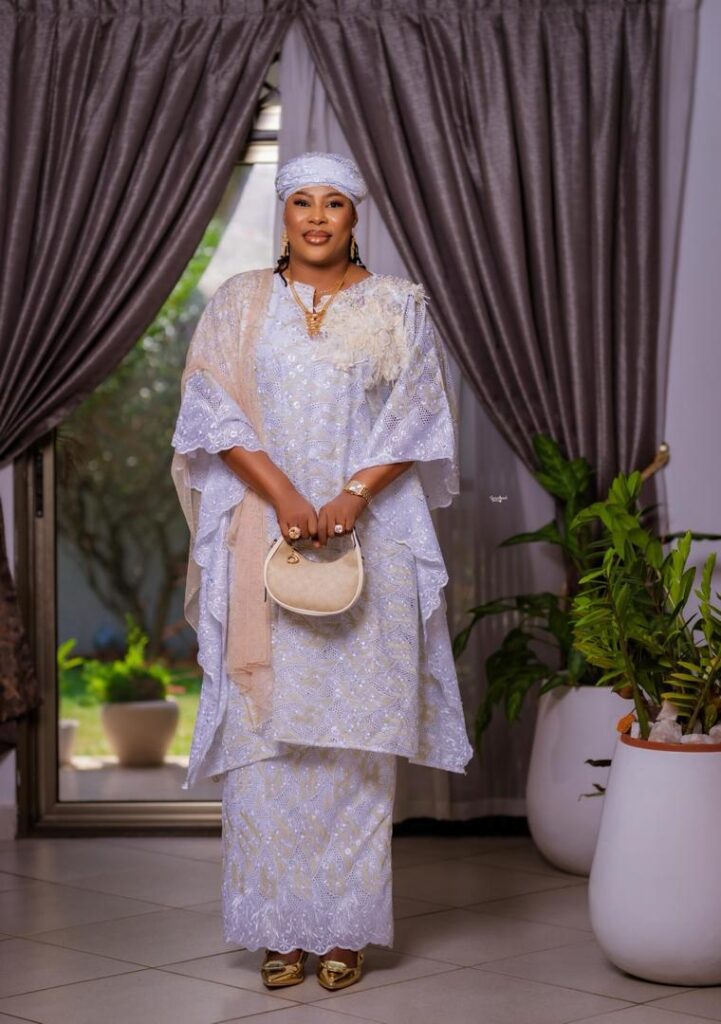
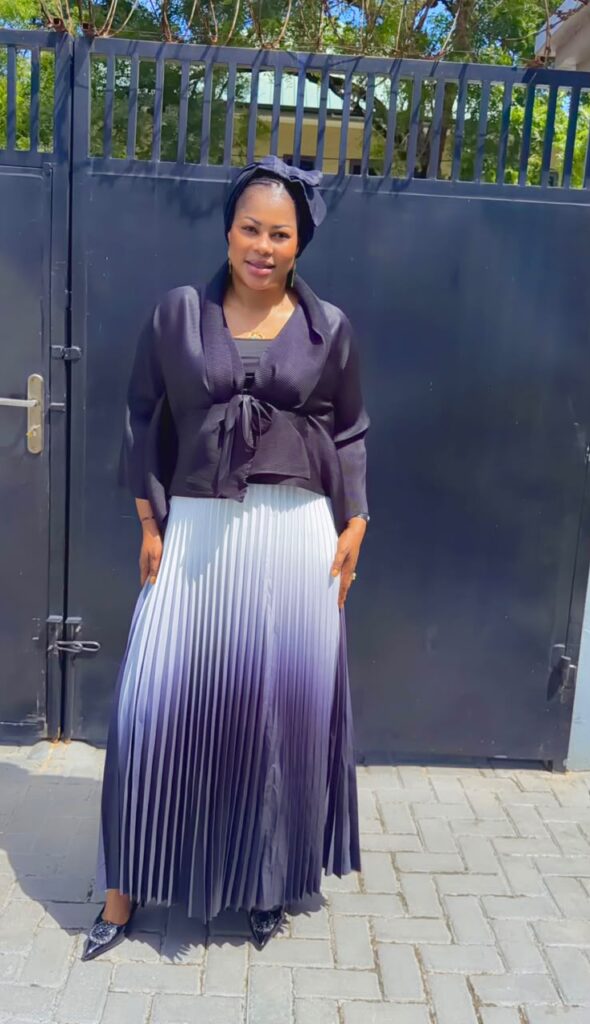
By Desmond Aidoo
SKIP THE QUEUE, TAP THE NEWS
You can now read the Ghanaian Times and The Spectator newspapers from the comfort of your device via TimesNewsPlus.
Join our WhatsApp Channel: https://whatsapp.com/channel/0029VbBElzjInlqHhl1aTU27