News
Address By The President Akufo-Addo On Updates To Ghana’s Enhanced Response To The Coronavirus Pandemic

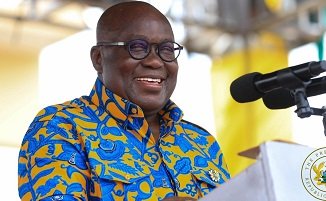
Address By The President Of The Republic, Nana Addo Dankwa Akufo-Addo, On Updates To Ghana’s Enhanced Response To The Coronavirus Pandemic, On Sunday, 28th May 2023
Fellow Ghanaians, good evening.
It has been some time since I last came into your homes, so I want to thank you for having me again tonight. I have come because of two important events that both occurred last week on 17th May. The first is an update on the COVID-19 pandemic; the second is the recent agreement we have reached with the International Monetary Fund (IMF).
Some three weeks ago, on 5th May, the World Health Organization (WHO) announced that COVID was no longer a public health emergency of global concern.

It had taken three years, five months and twenty days of unbelievable tumult, unrelenting pain and suffering and emotional turbulence of a world turned upside down, but we have at last heard the words for which we had all been praying. The scientists and health experts tell us that we no longer have a public health emergency of international concern.
They tell us also that there is evidence of reducing risks to human health from COVID-19 infections. This has led to the decreasing trend of COVID-19 related deaths, hospitalizations and intensive care admissions. The world has also achieved the long hoped-for immunity, and with improved clinical management, the experts say it is time to transition to long-term management of the COVID-19 pandemic.
In other words, we can now breathe that collective sigh of relief. For, even though we may still have to deal with sporadic, isolated outbreaks, the crisis itself has technically ended.
The pandemic trend in Ghana is similar to the general global trend as announced by WHO.
As at 15th May, 2023, there have been one thousand, four hundred and sixty-two (1,462) deaths attributable to Covid-19 in Ghana, with the last death being recorded on 8th January, 2023. These are not mere figures, or inconvenient statistics, they are dearly loved parents, sons and daughters, relations, friends and colleagues whom we shall continue to miss dearly. May their souls rest in perfect peace. I am glad to report that, currently, we do not have any critical or severe cases.
In general, since the first case was confirmed in our country on March 12, 2020, there have been one hundred and seventy-one thousand, seven hundred and fifty-eight (171,758) positive cases from two million, five hundred and thirty-eight thousand, one hundred and ninety-eight (2,538,198) tests. You would recall that we started the Covid vaccination campaign in March 2021 and, as at 25th May 2023, twenty-five million, one hundred and seventy thousand, three hundred and eighty-two (25,170,382) vaccine doses have been administered. There are ten million, five hundred and thirty-six thousand four hundred and twenty (10,536,420) fully vaccinated people, that is, 52.7% out of the twenty million (20 million) people target we had set, with four million, five hundred and ninety-nine thousand, eight hundred and eighty three (4,599,883) persons having received booster doses.
In the light of these facts, the COVID-19 Taskforce, which I chair, met on 17th May and took some far-reaching decisions on the measures we have put in place for the management of the pandemic, which were announced by the Ghana Health Service on 19th May. The most important of these decisions was that the COVID-19 pandemic was over in Ghana.
Thus, all the outstanding Covid-induced restrictions at our airports and all entry points have been lifted, and we are back to the pre-COVID situation as far as health entry requirements are concerned.
It will be recalled that, three years ago, we started with drastic measures and restrictions; the international airport was shut for months and our land borders were closed to human traffic for almost three years.
The hospitality industry was devastated, hotels and restaurants and other social gathering places were shut down, schools and universities and training institutions were shut down. Indeed, our world was turned upside down. That culturally defining Ghanaian symbol, the handshake, was prohibited and frowned upon and we were advised not to hug our children and our loved ones.
Churches, mosques and other places of worship were closed for months, and our beaches remained emptied of human activity. Fellow Ghanaians, even our funerals, that sacred Ghanaian ritual, were stopped and then attempts were made to change the tone and character of the funeral with the imposition of restrictions on how many can attend or be fed at the ceremony.
Fellow Ghanaians, throughout these trying times, I kept urging all of you to believe that this, too, shall pass. Dare I say that this too has passed? The emergency is over, and we can safely lift many of the oppressive restrictions we have had to endure, we can shake hands, we can hug, we can visit, and we no longer have to wear masks. But it is strongly recommended that we keep some of the measures imposed during the crisis and integrate them into our everyday lives because they have served us well and will continue to serve us well.
I urge you all to continue with the regular hand washing and other personal hygiene measures, so they become entrenched national habits. There has been a dramatic decrease in diarrhoea diseases, and we have not had any cholera outbreaks these past three years – these developments are attributable mostly to the hand washing and improved hygiene regimen in our communities. It does not hurt to wear a mask if you have a cold for example, it might protect those around you. If you are uncomfortable in a crowded and enclosed space, go out into the open and continue the new ways we have devised for outside entertainment. I hope there will be no argument that we should continue and institutionalize the periodic cleansing, disinfection and fumigation of markets. Never again should our markets be breeding grounds for rodents.
There are other ways in which this nightmare has brought some good dividends that must be acknowledged.
It has led to the strengthening of our disease surveillance system, and this has been manifested in recent months by our ability to deal, in a very rapid and aggressive way, with outbreaks of frightening diseases like Marburg, Lassa fever, Monkey Pox, before they could turn into serious public health catastrophes.
The pandemic also exposed some of the painful deficiencies we have, and forced us to take some brave and necessary decisions, like the expansion of our network of health facilities under Agenda 111.
I doubt very much that, but for the pandemic, the network of health laboratories with capacity to do PCR testing in our country would have expanded exponentially from the initial 2 to 67 laboratories nationwide.
And, Fell


The Ghana Health Service (GHS) will undertake a nationwide Human Papillomavirus (HPV) vaccination exercise in schools from October to December 2026 to protect eligible girls against cervical cancer and other HPV related diseases.
The exercise, organised in collaboration with the Ghana Education Service (GES) and its partners through the School Health Education Programme (SHEP), will be conducted in two rounds.
The first round is scheduled for October 19 to 23, 2026, while the second will take place from November 30 to December 4, 2026.
In a press release dated October 19, the GHS explained that health workers would visit schools across the country to vaccinate eligible girls aged 9 to 14 who have not yet received the HPV vaccine.
The exercise forms part of efforts to raise awareness about the routine HPV vaccine, increase vaccination uptake and strengthen the country’s routine immunisation programme.
The GHS has called on school authorities, parents, guardians, teachers and community leaders to cooperate with health teams to ensure the successful implementation of the exercise.
The Service reaffirmed its commitment to protecting the health and well-being of Ghanaians, particularly children, through vaccination and other public health interventions.
By: Jacob Aggrey
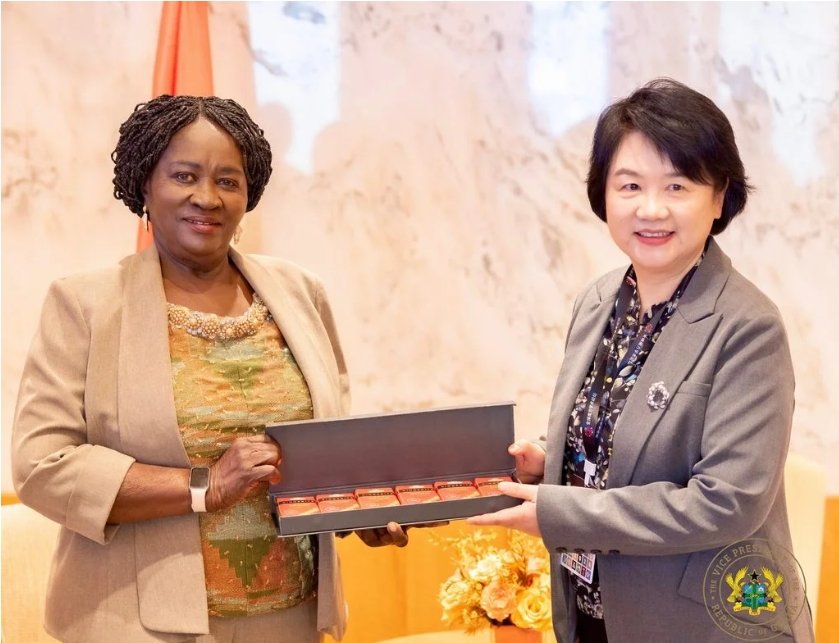
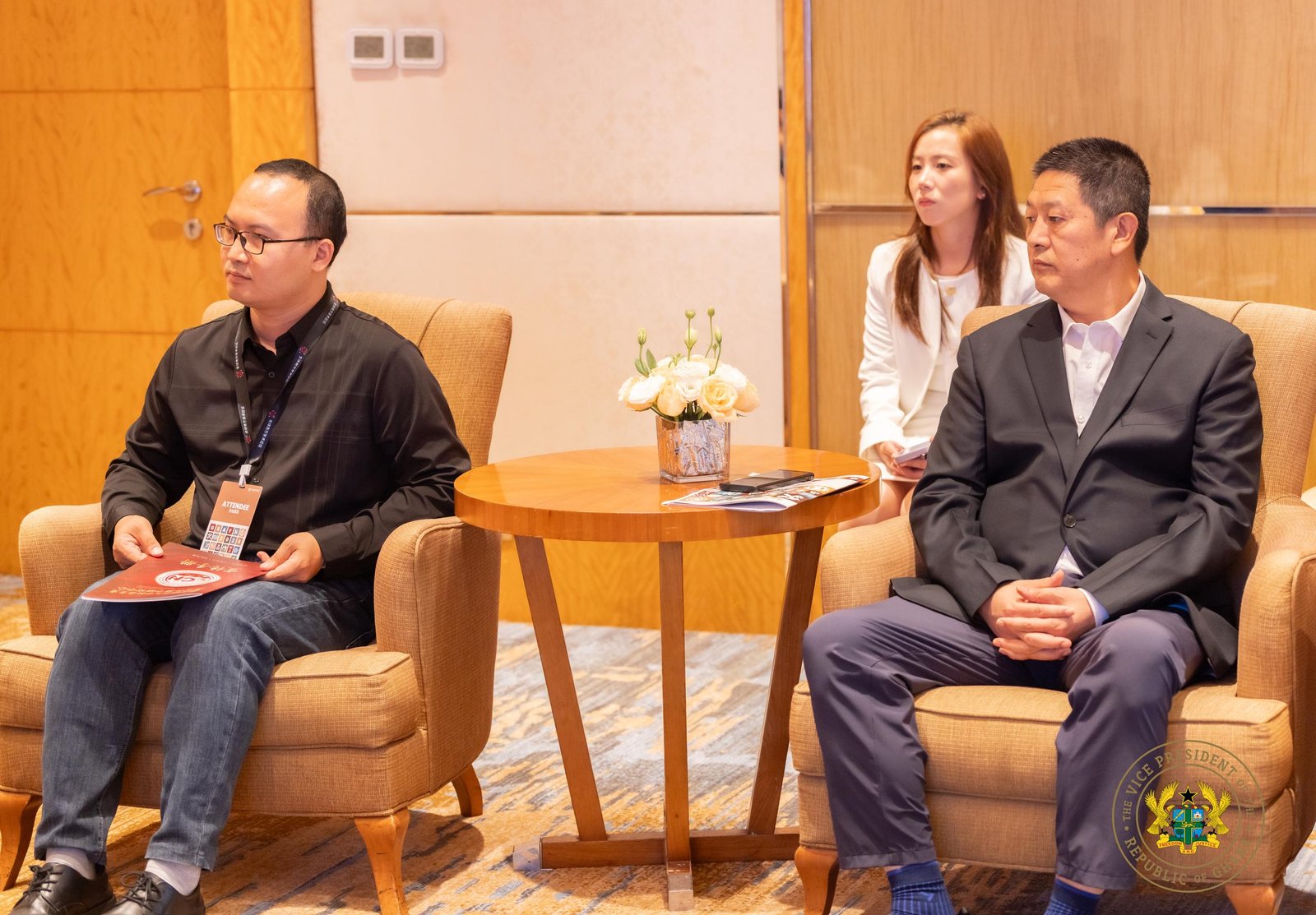
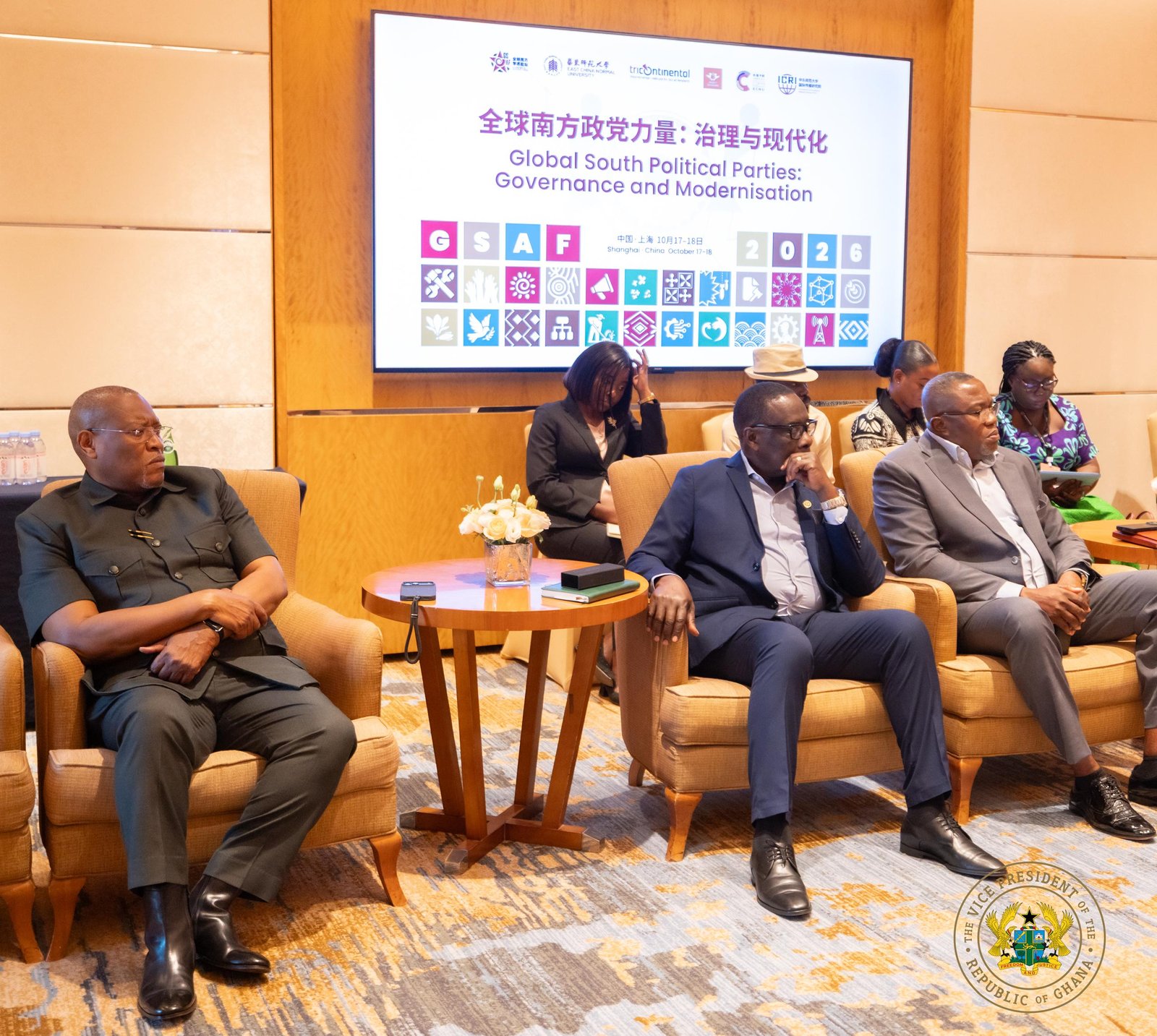
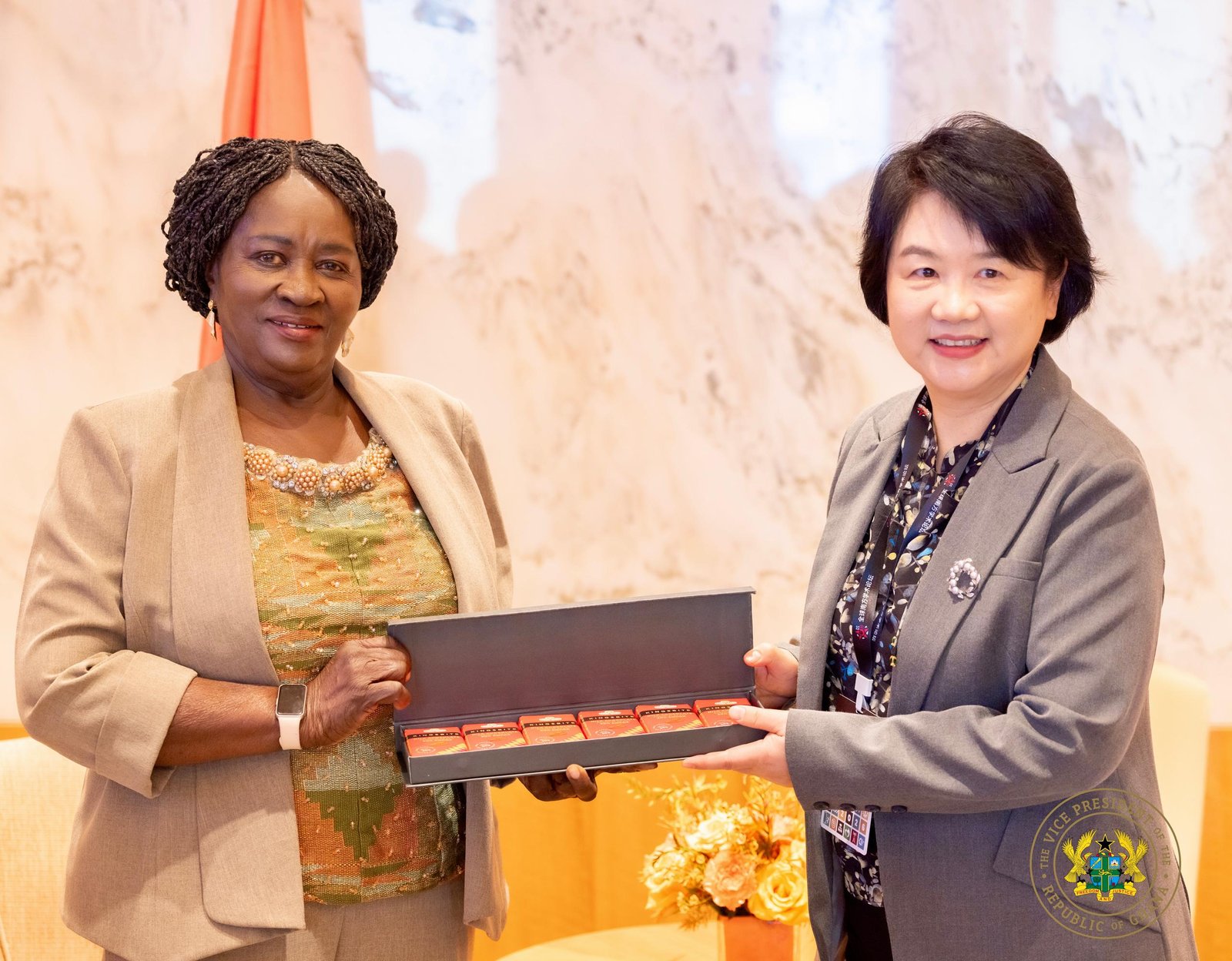
Vice President Professor Jane Naana Opoku-Agyemang has held high-level discussions with organisers of the 2026 Global South Academic Forum in Shanghai, seeking to draw lessons from China’s acclaimed rural revitalisation and poverty reduction drive.
The meeting, led by the Forum Chair, Professor Lu Xinyu, explored practical areas of cooperation and knowledge exchange between Ghana and China, with focus on community-driven development, fisheries and aquaculture, local governance, sports initiatives, and infrastructure development.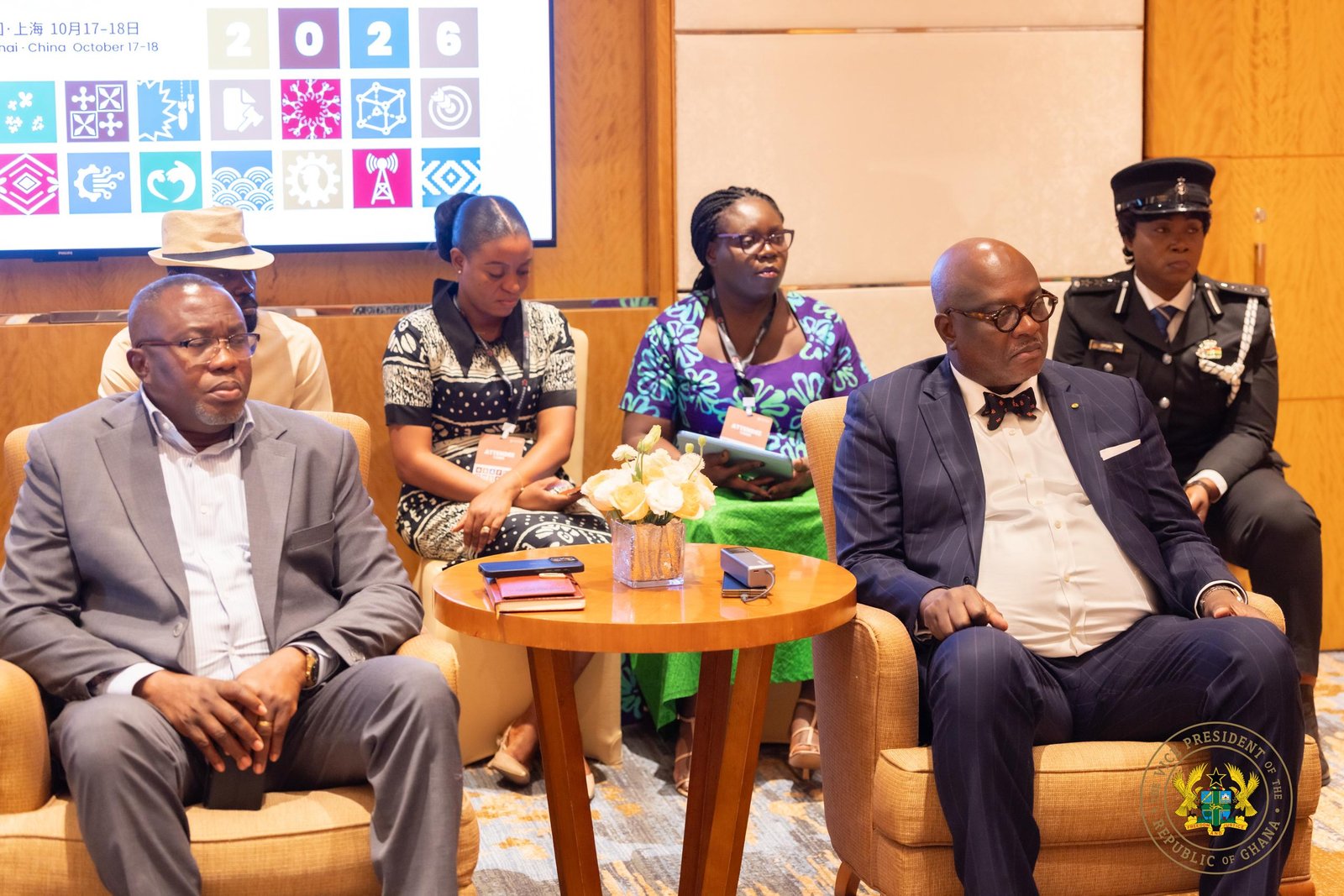
According to officials, the engagement is part of a broader effort by the Ghanaian government to study tested development models that can be adapted to the local context to promote inclusive growth, empower local communities, and improve livelihoods across the country.
China’s success in lifting over 800 million people out of poverty through targeted rural policies, investment in agriculture and local infrastructure has become a global reference point for developing nations.
The Vice President’s team says insights from the Forum will help inform policy direction, particularly in strengthening decentralised governance, boosting the fisheries and aquaculture sector, and investing in community-level infrastructure and youth sports development.
Professor Opoku-Agyemang is expected to continue engagements with academic and development institutions while in China.
By Edem Mensah-Tsotorme