Fashion
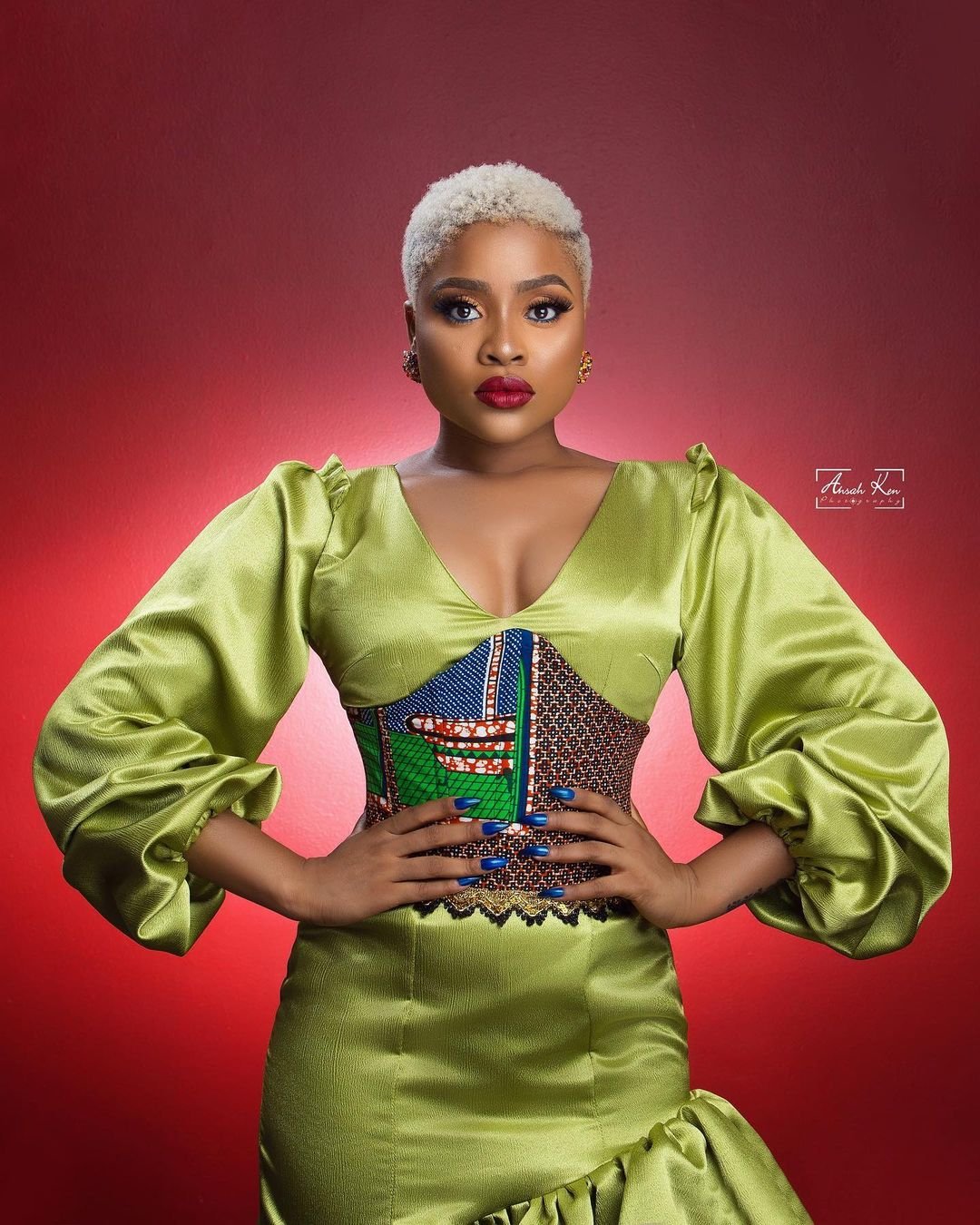
The coloured hair crave

- /home/u249204778/domains/spectator.com.gh/public_html/wp-content/plugins/mvp-social-buttons/mvp-social-buttons.php on line 27
https://spectator.com.gh/wp-content/uploads/2021/04/135731458_872226546864711_495502792607244934_n1.jpg&description=The coloured hair crave', 'pinterestShare', 'width=750,height=350'); return false;" title="Pin This Post">
- Share
- Tweet /home/u249204778/domains/spectator.com.gh/public_html/wp-content/plugins/mvp-social-buttons/mvp-social-buttons.php on line 72
https://spectator.com.gh/wp-content/uploads/2021/04/135731458_872226546864711_495502792607244934_n1.jpg&description=The coloured hair crave', 'pinterestShare', 'width=750,height=350'); return false;" title="Pin This Post">
Hair colouring is all about the reactions that take place in between the pigments in your hair, dye, peroxide and ammonia.
While it can be fun experimenting with colours, the damage they can cause in the form of dry and brittle hair can dampen the fun.
Most celebrities like Shatta Wale, Medical, E.L and others who colour their hair do so for the fun of it and sometimes to brand themselves.
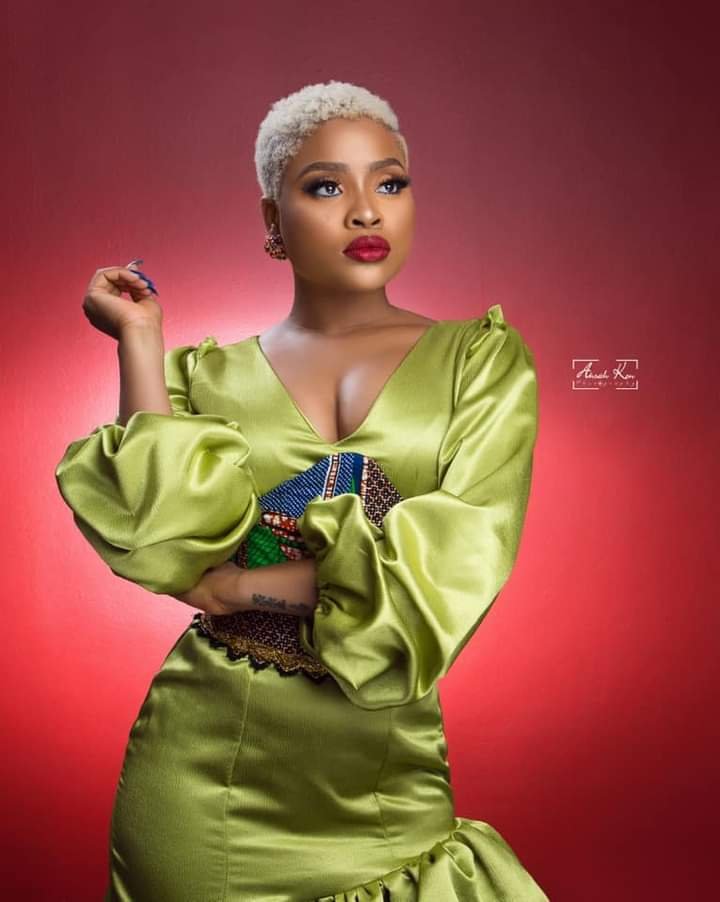

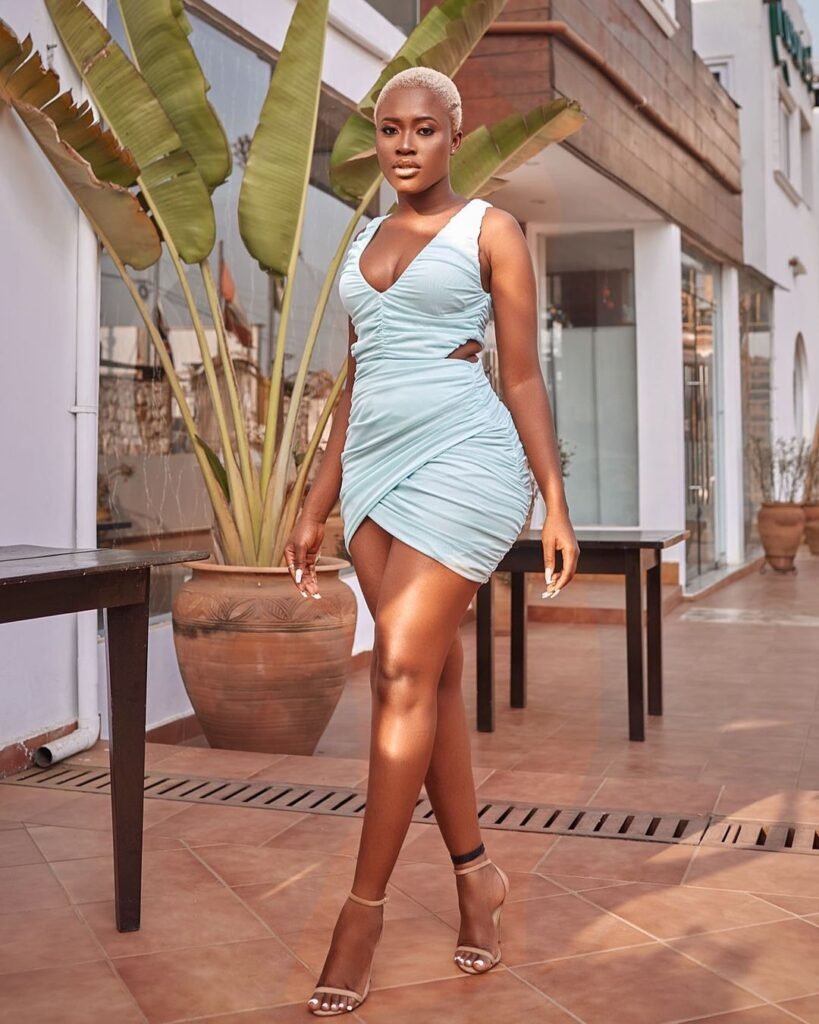
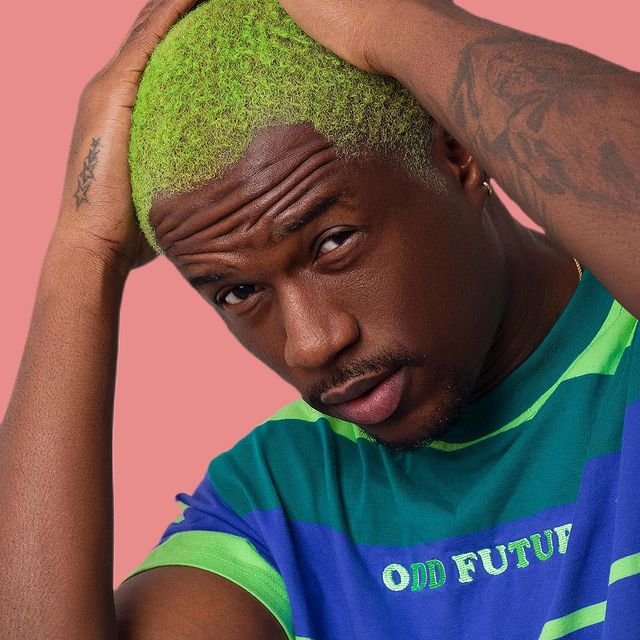
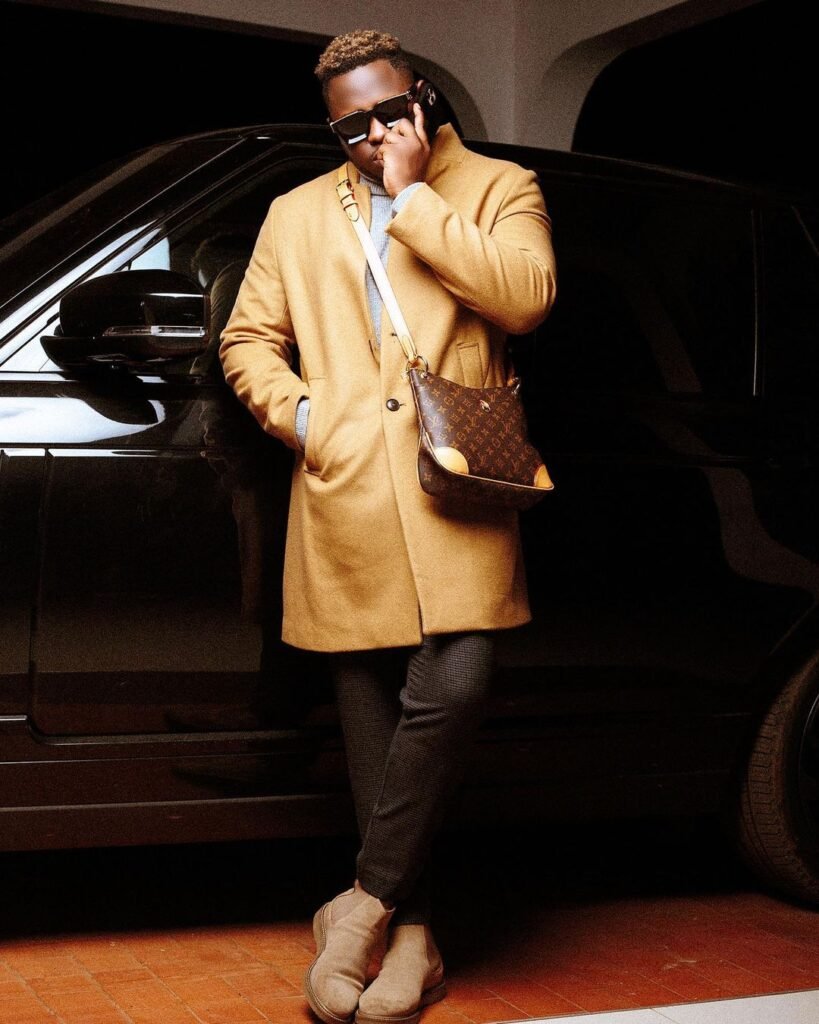
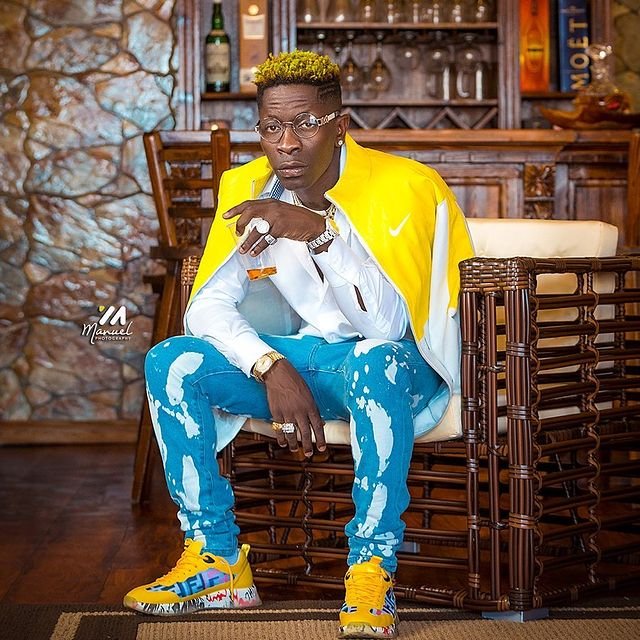
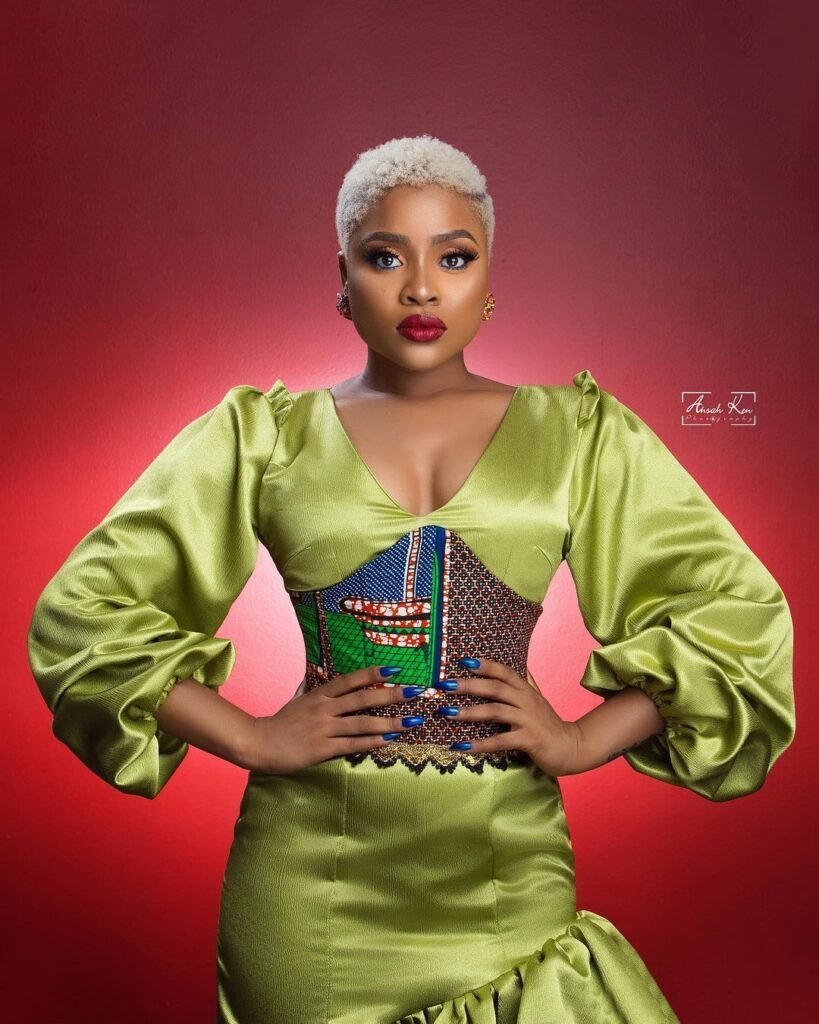
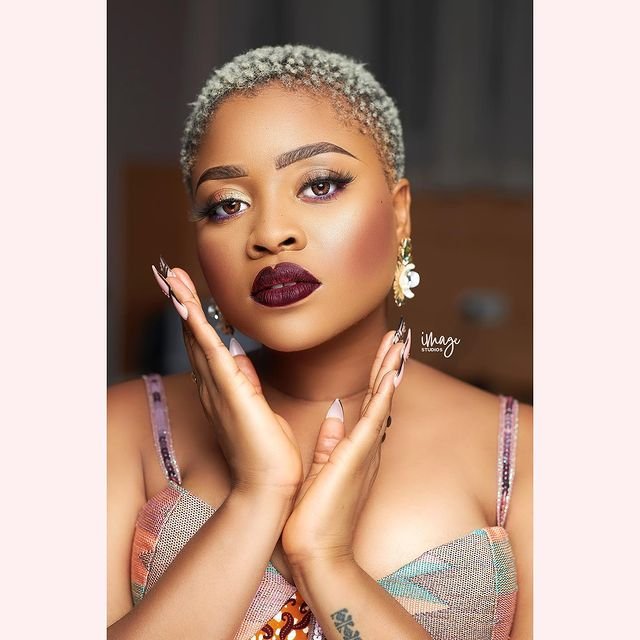
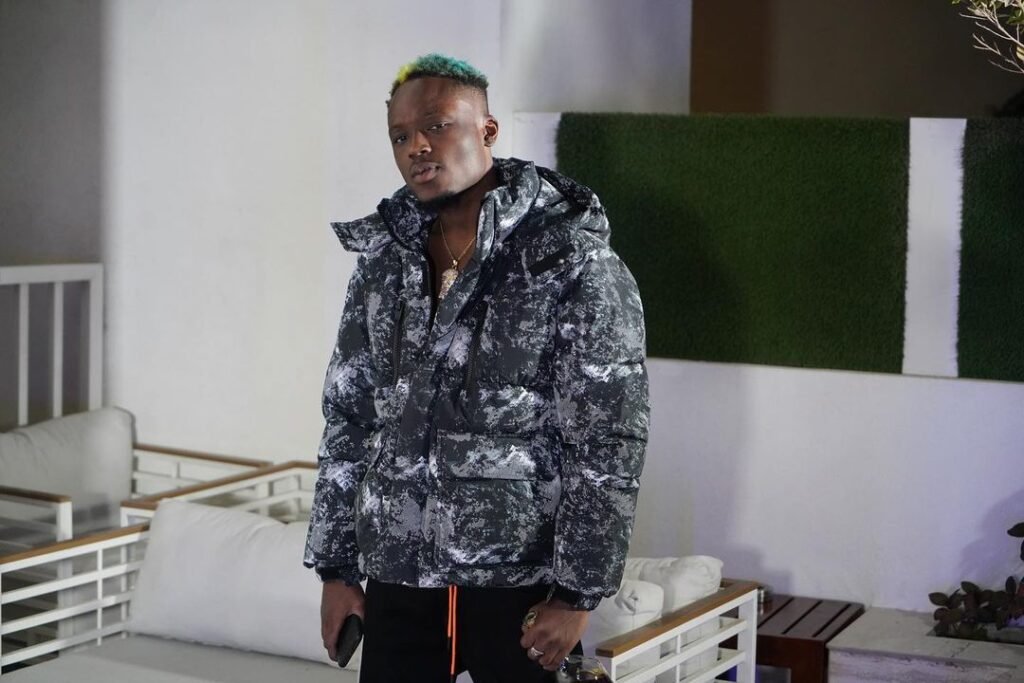
Ms Linda M. Appiah, a hair stylist said the hair colouring was in vogue and this time round both the youth and the old were interested in colouring their hairs.
“It is a long-term commitment that will have you rushing back to the salon every month” she told The Spectator in Accra on Monday.
According to her, hair colouring was one of the trends that many followed to give a change to their overall look.
“It is an intensive process which includes several steps and extra care,” she said.
There are a variety of colours one can choose from to use on their hair, but most used colours are blue, green, gold, blonde, red and pink.
On the other hand, she added that over treating hair with these chemicals could cause it to loose the shine and break easily.
While processed hair can be revived to a certain extent with hair care treatments, the only way to get rid of the damage from over-processing is to chop your hair off.
By Deborah E. Andorful


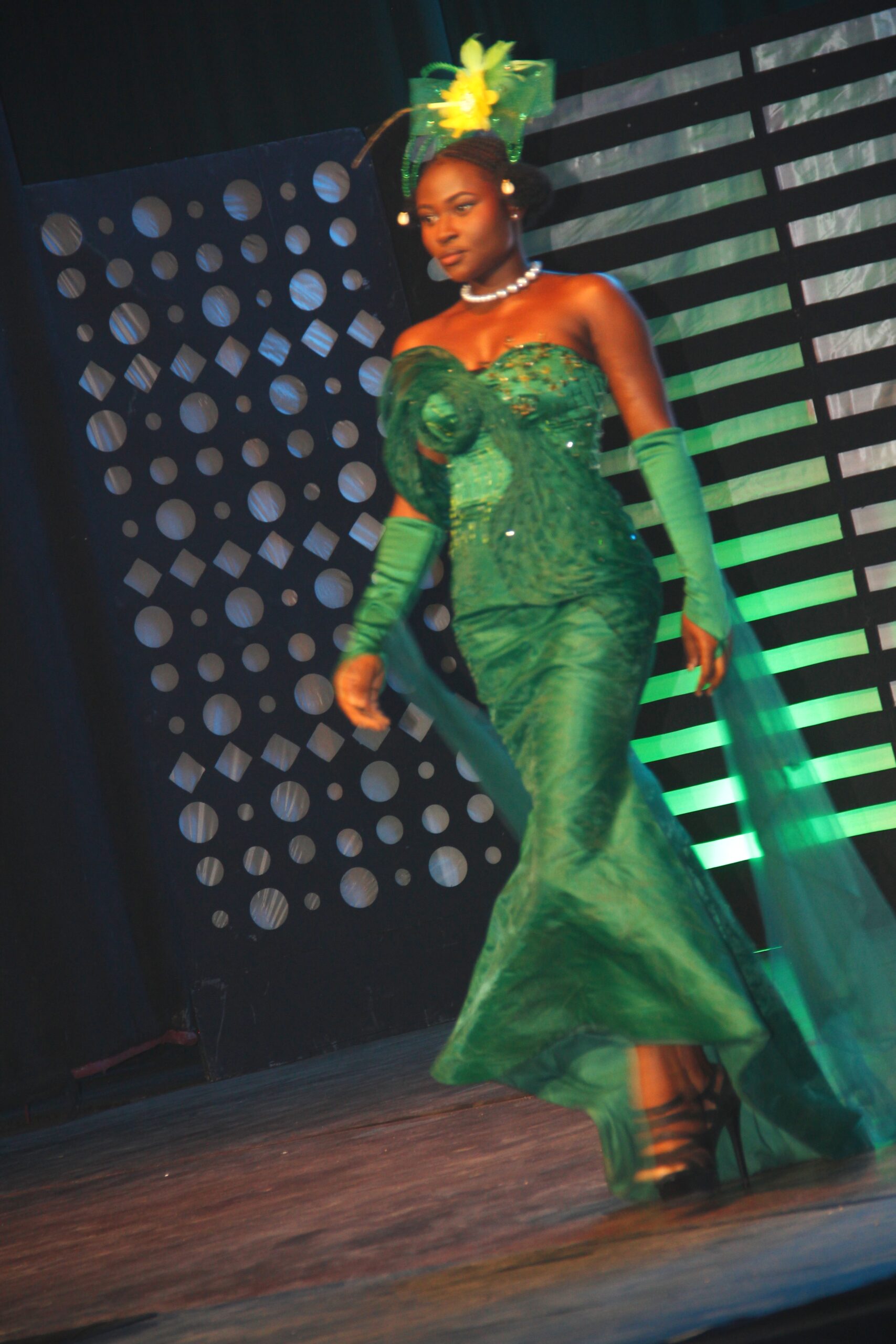
Final-year students of the Accra Technical University (ATU) Department of Fashion Design and Textile Technology on Friday showcased their creativity and craftsmanship in Accra.
The annual event held under the theme: ‘Wear Your Culture: Tradition Meets Modernity,’ saw 366 students showcased various designs as part of their final year practical work.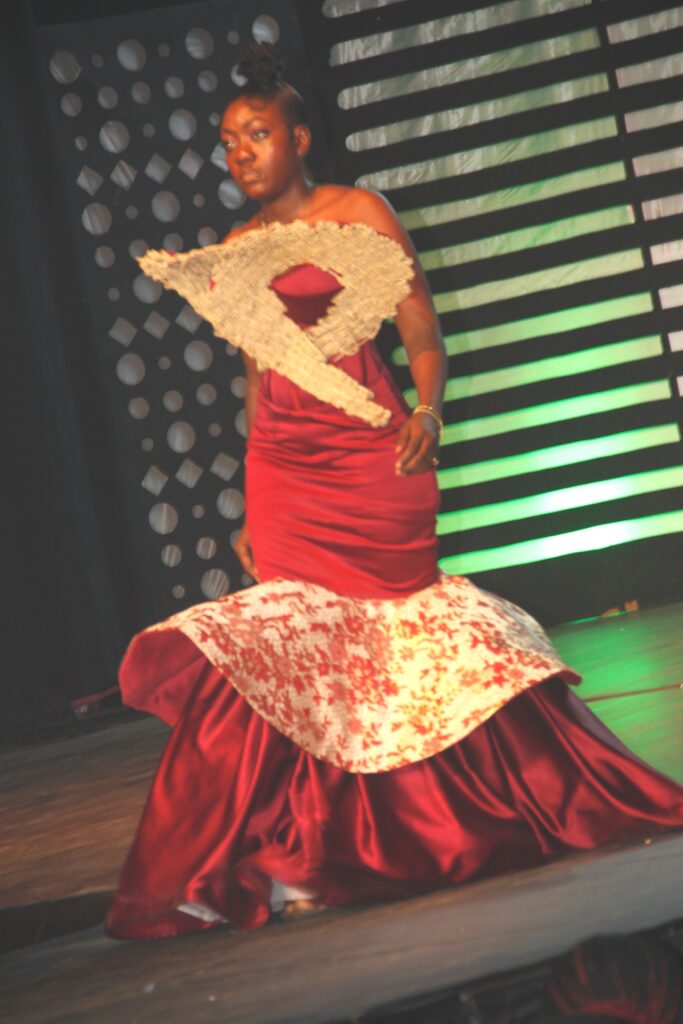
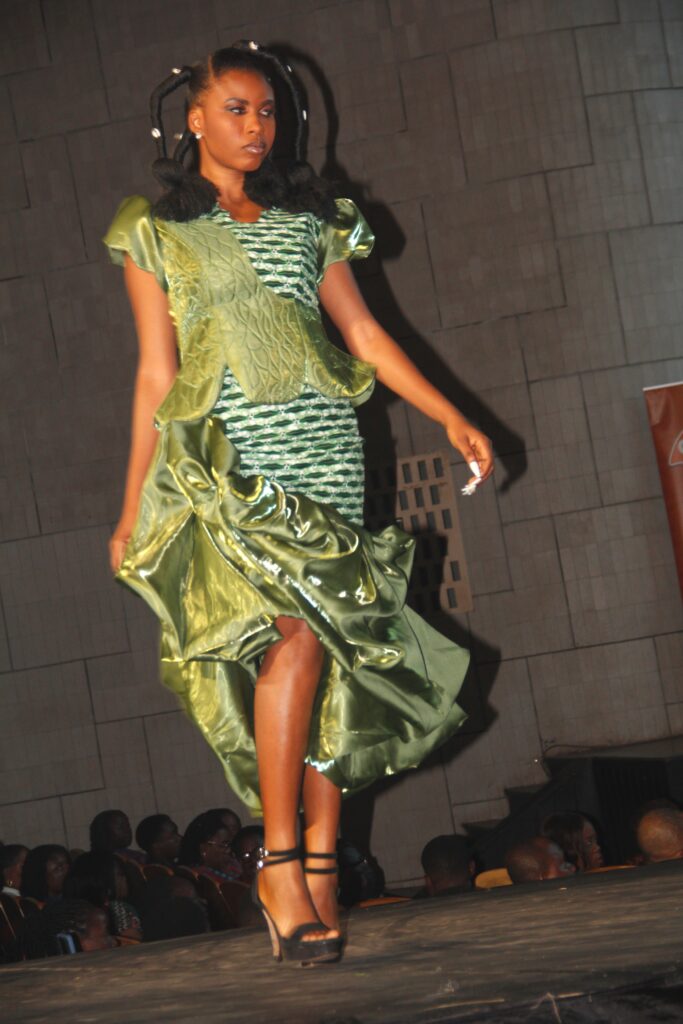
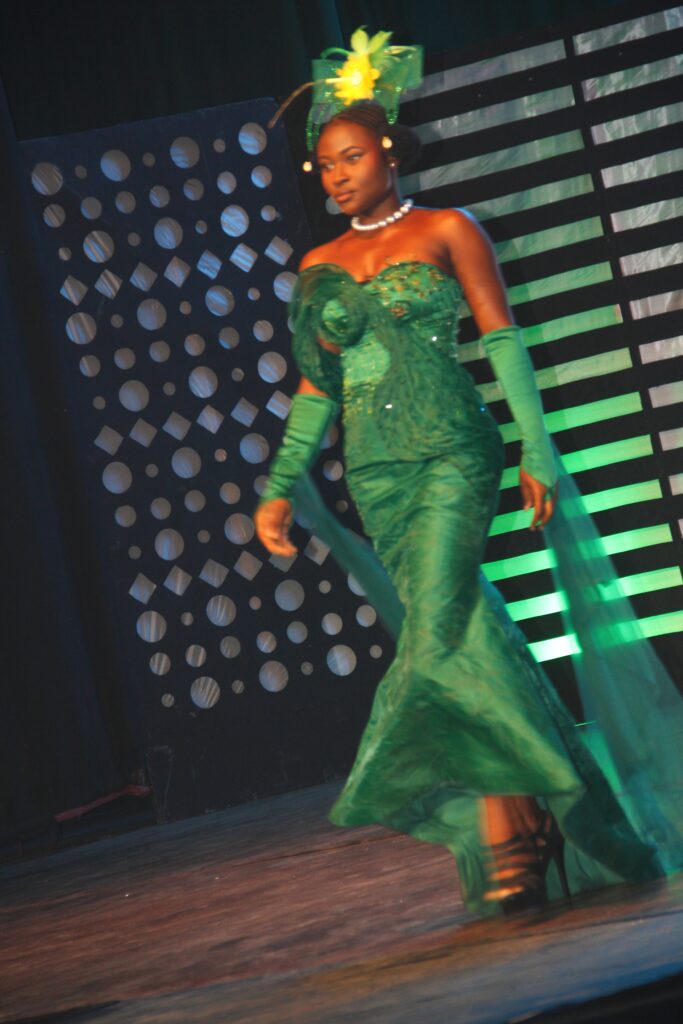
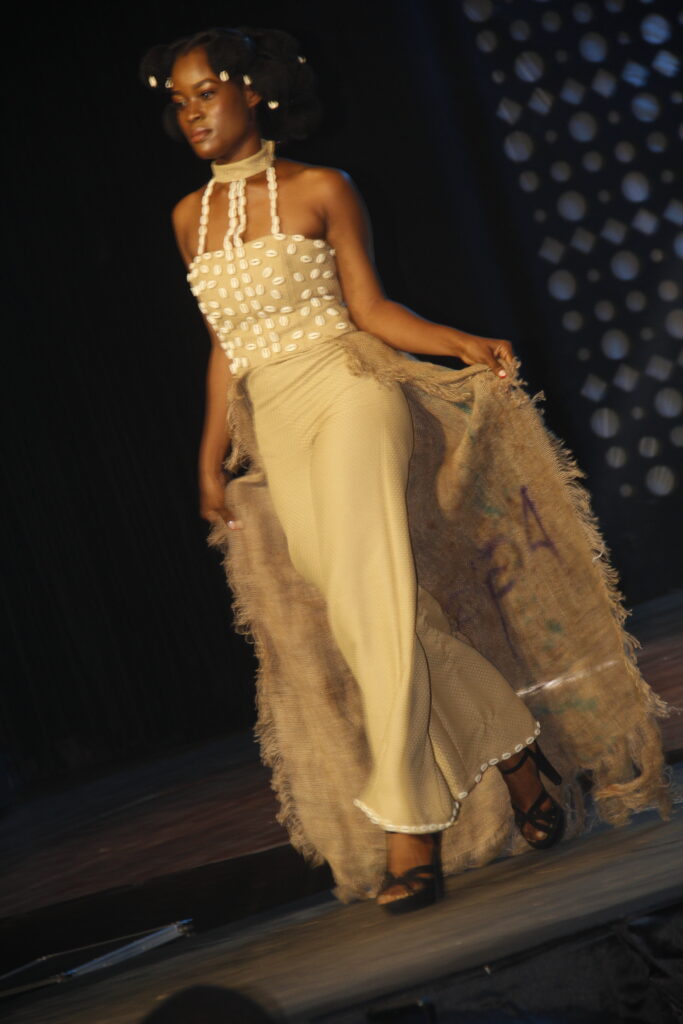
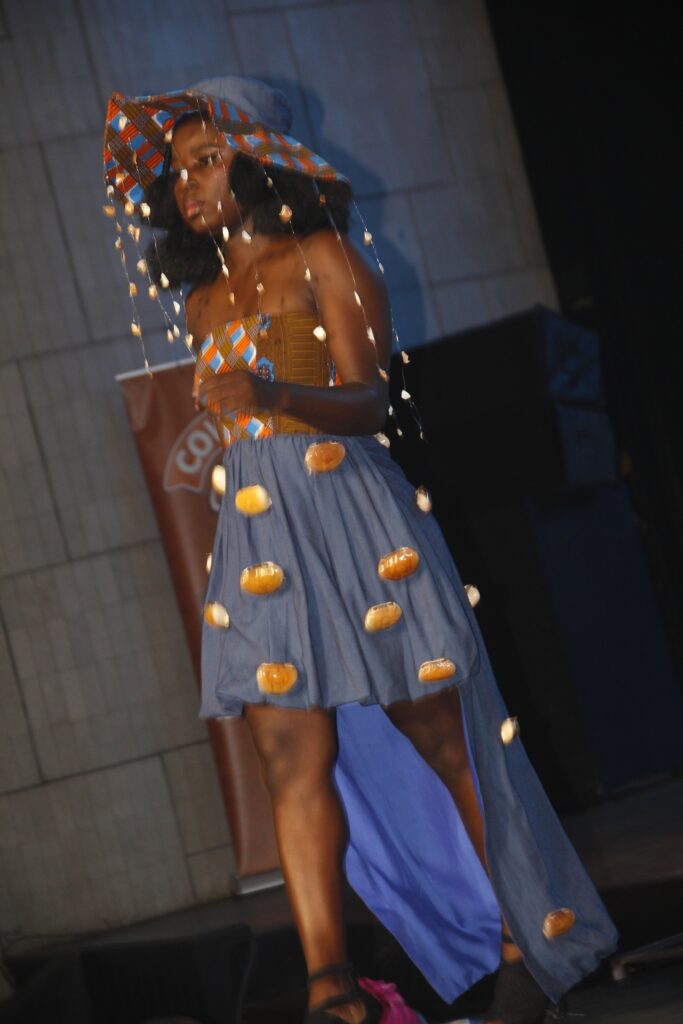
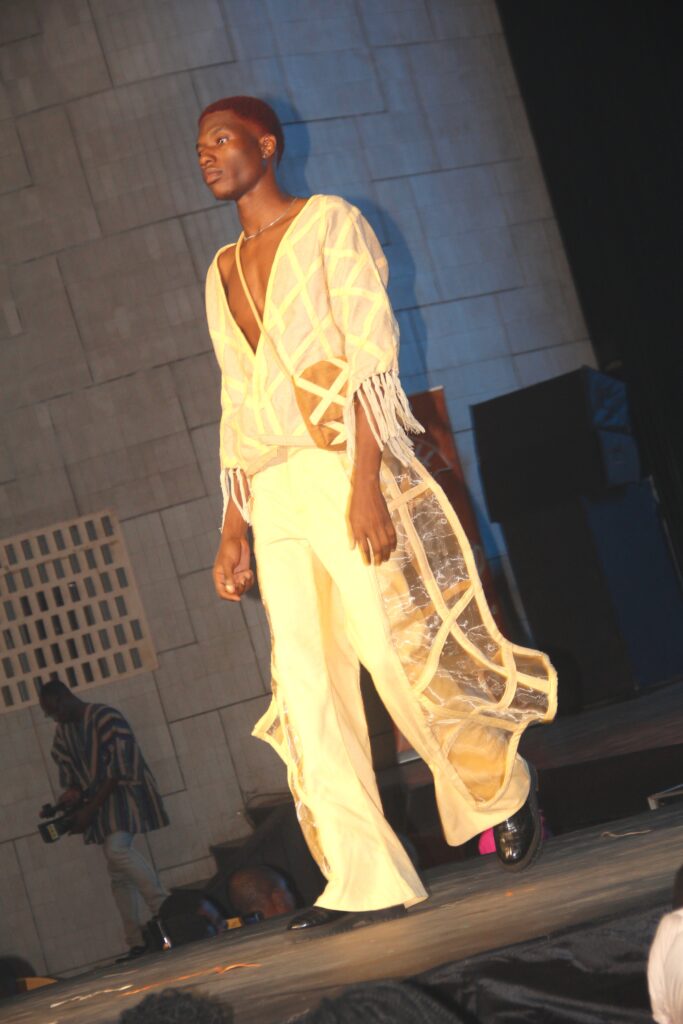
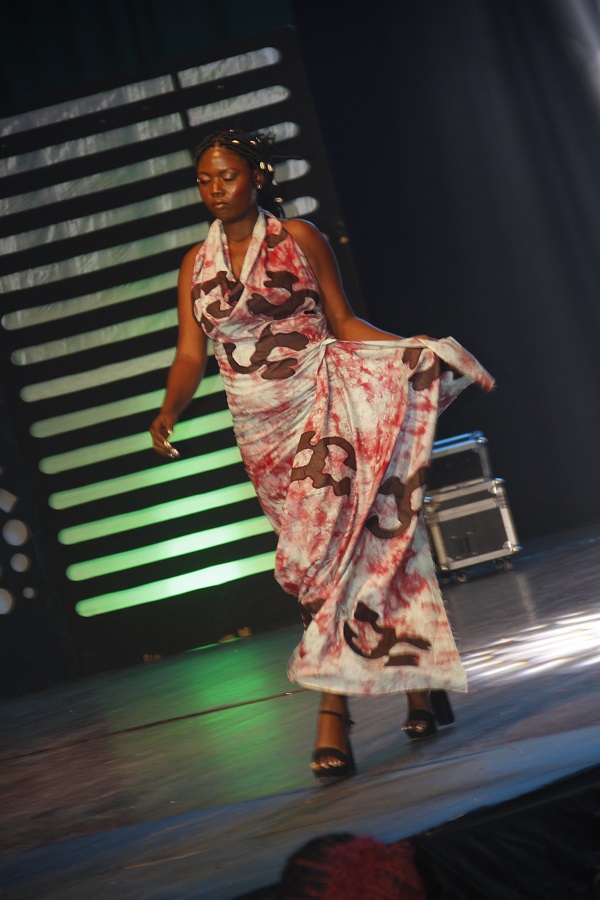
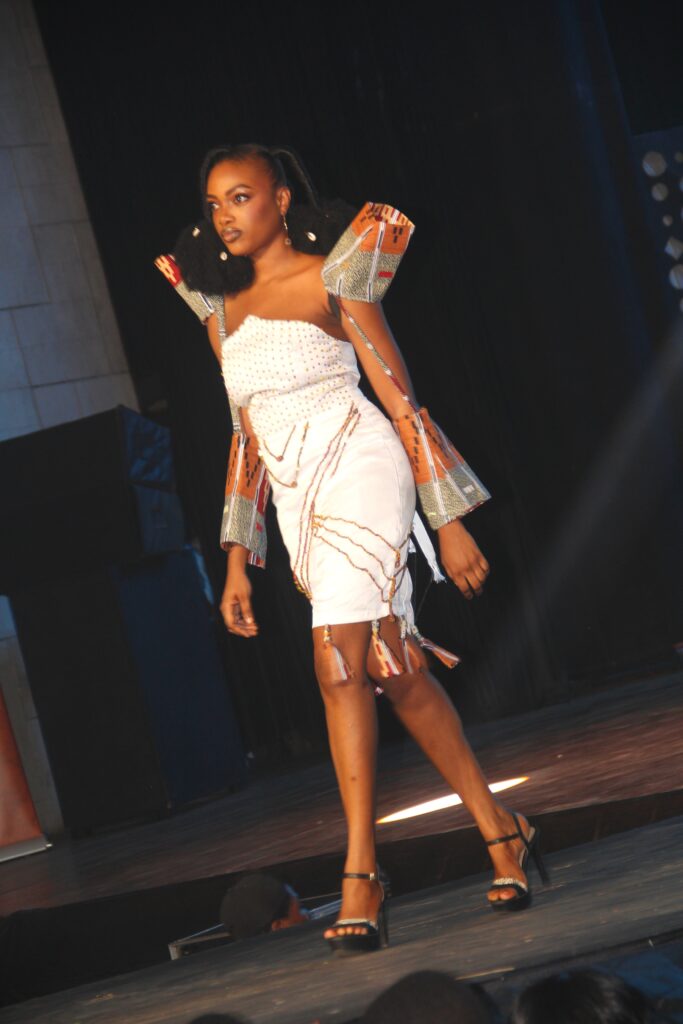
Dean of the Faculty of Applied Arts, Professor George Agyei Osei, explained that the exhibition provided students with an opportunity to demonstrate the skills and competencies they have acquired throughout their training.
Vice Dean of the Faculty of Arts and former Head of Department of Fashion and Textile Technology, Dr Mrs Emma Donkor, said this year’s cohort comprised 366 students, with each student producing four designs, one of which was exhibited at the school’s auditorium while three were presented during the fashion show.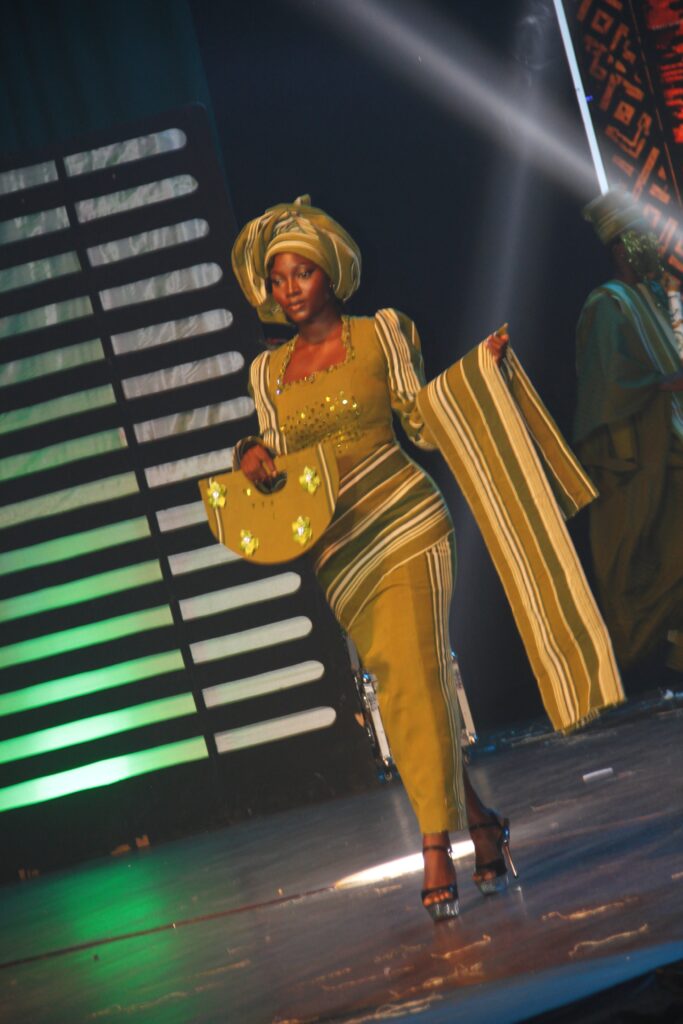
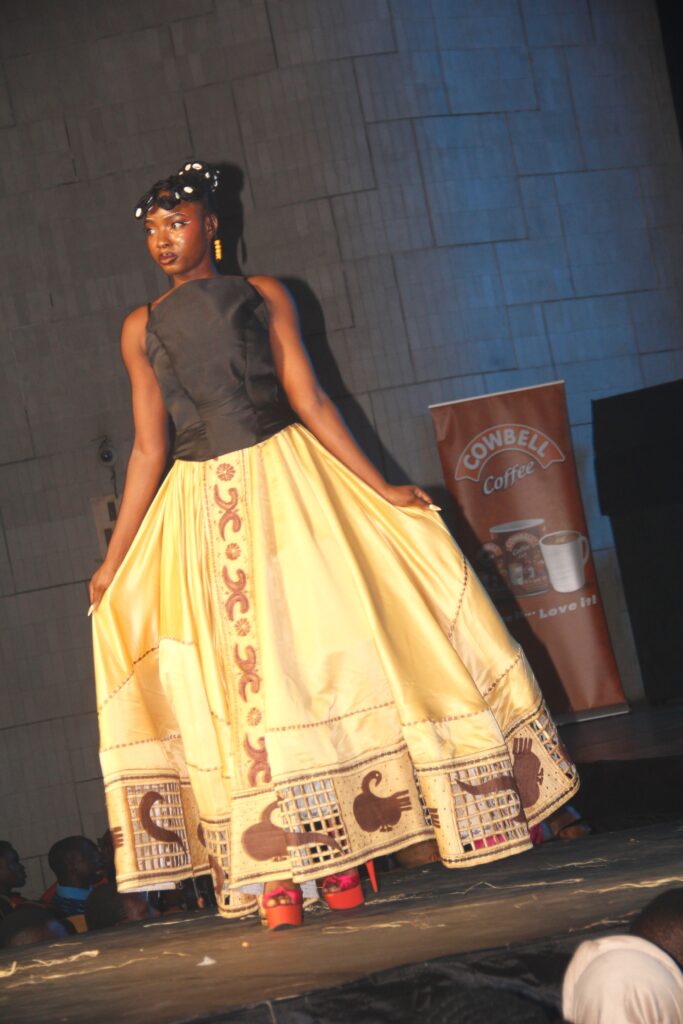
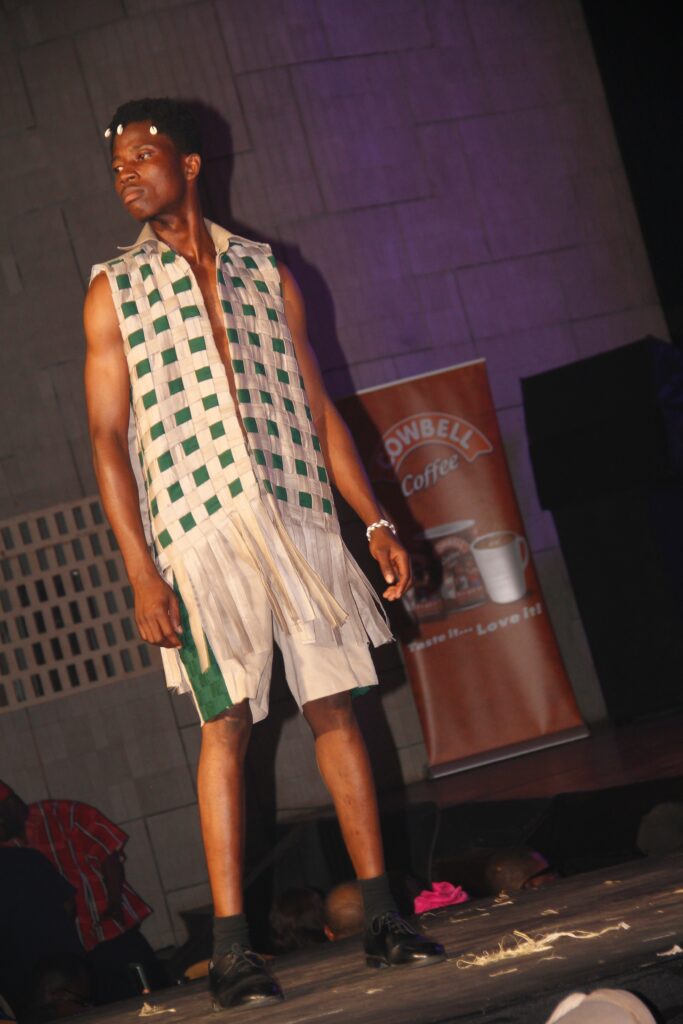
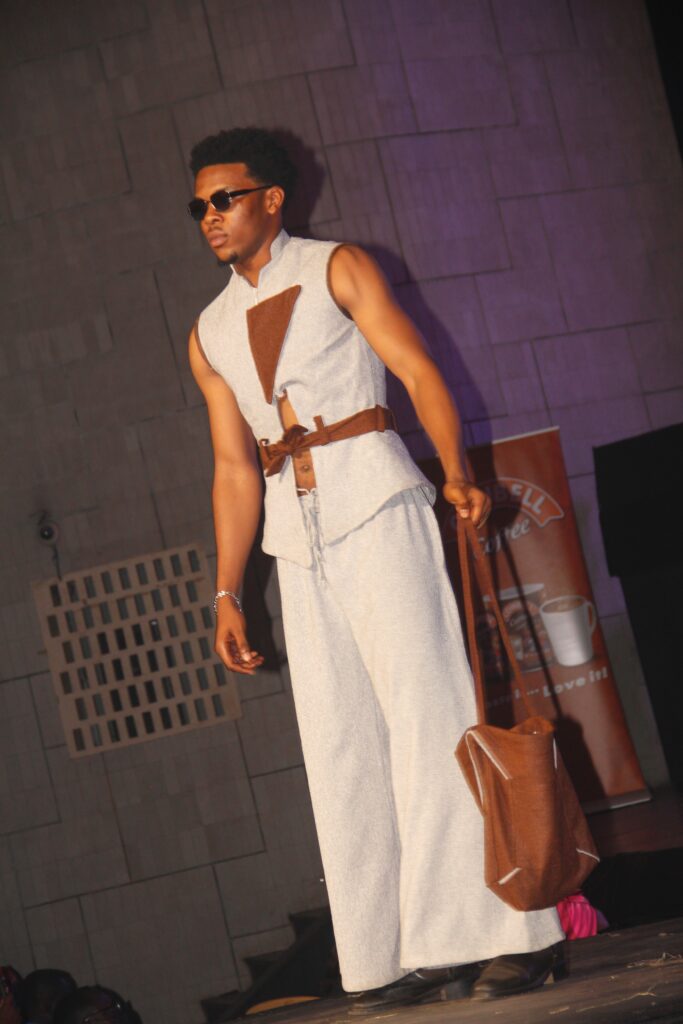
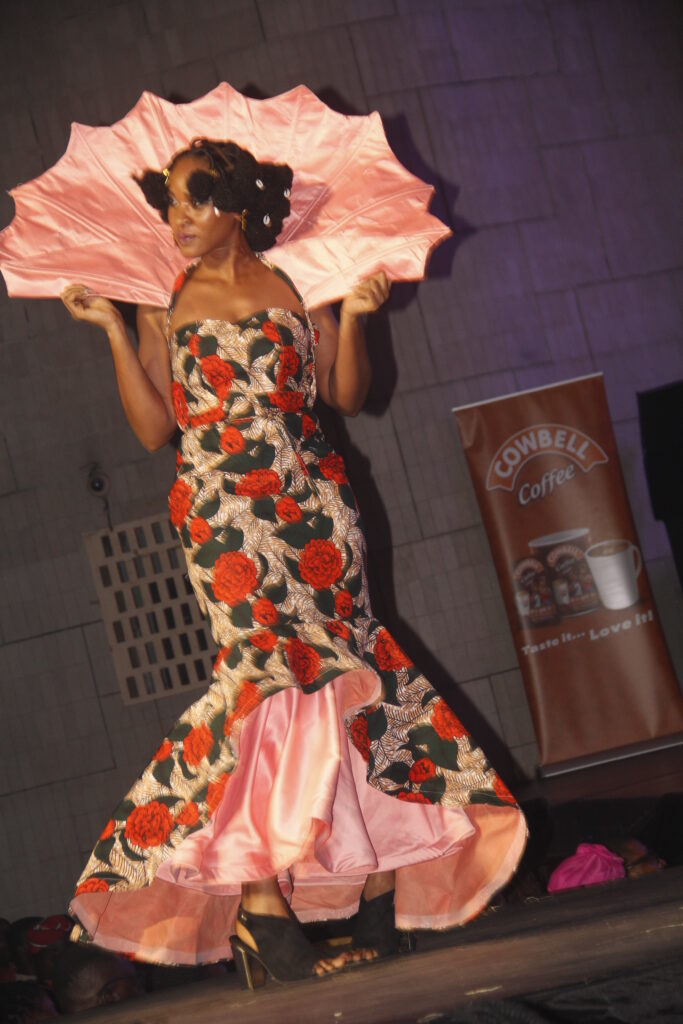
Mrs Donkor encouraged graduating students to build their businesses gradually, noting that a sewing machine and a small workspace could provide the foundation for a successful fashion enterprise.
One of the graduating students, Philipa Adu, said the theme was a reminder to designers not to blindly imitate Western fashion at the expense of African culture.
By Linda Abrefi Wadie

The Member of Parliament (MP) for Ayawaso West Wuogon, John Dumelo, is one of the most talked about fashion icons that blends tradition with modern style.
He was one of the pillars acting in Ghana revolved, but in fashion, he is a colossus.
Unlike his peers, Dumelo appears very simple in some of the sophisticated fashion designs and brands in the country.
He is noted for his simple appearance in modest colours with few accessories.


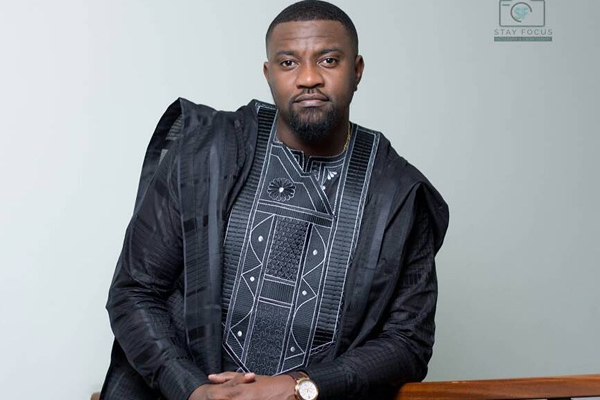



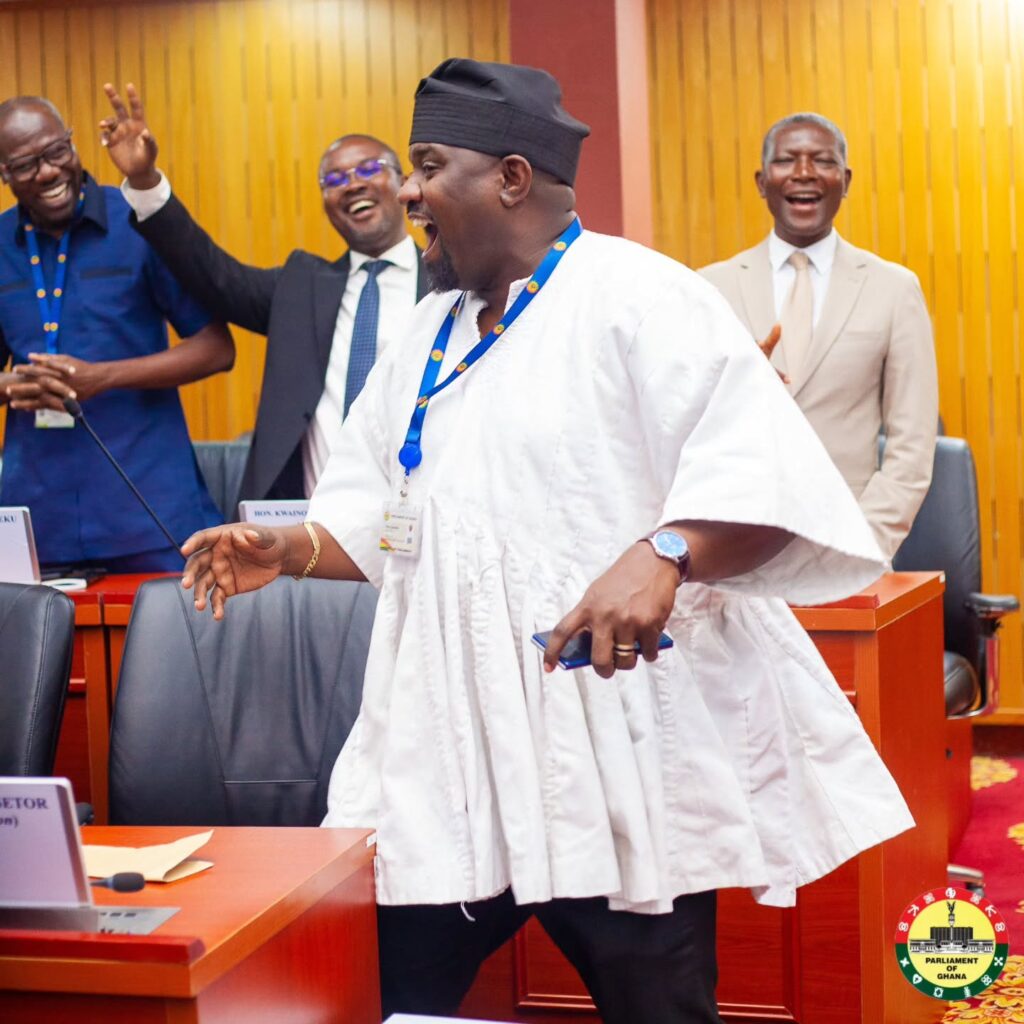









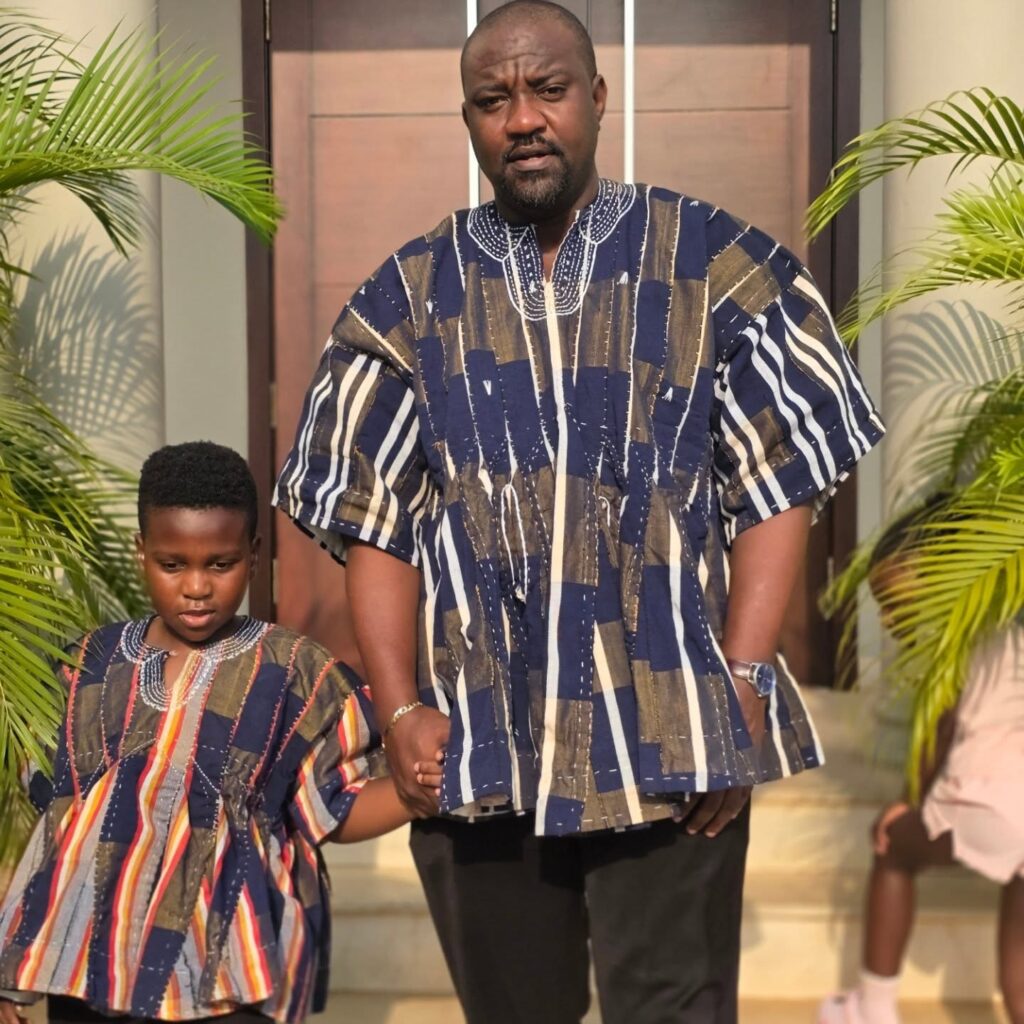



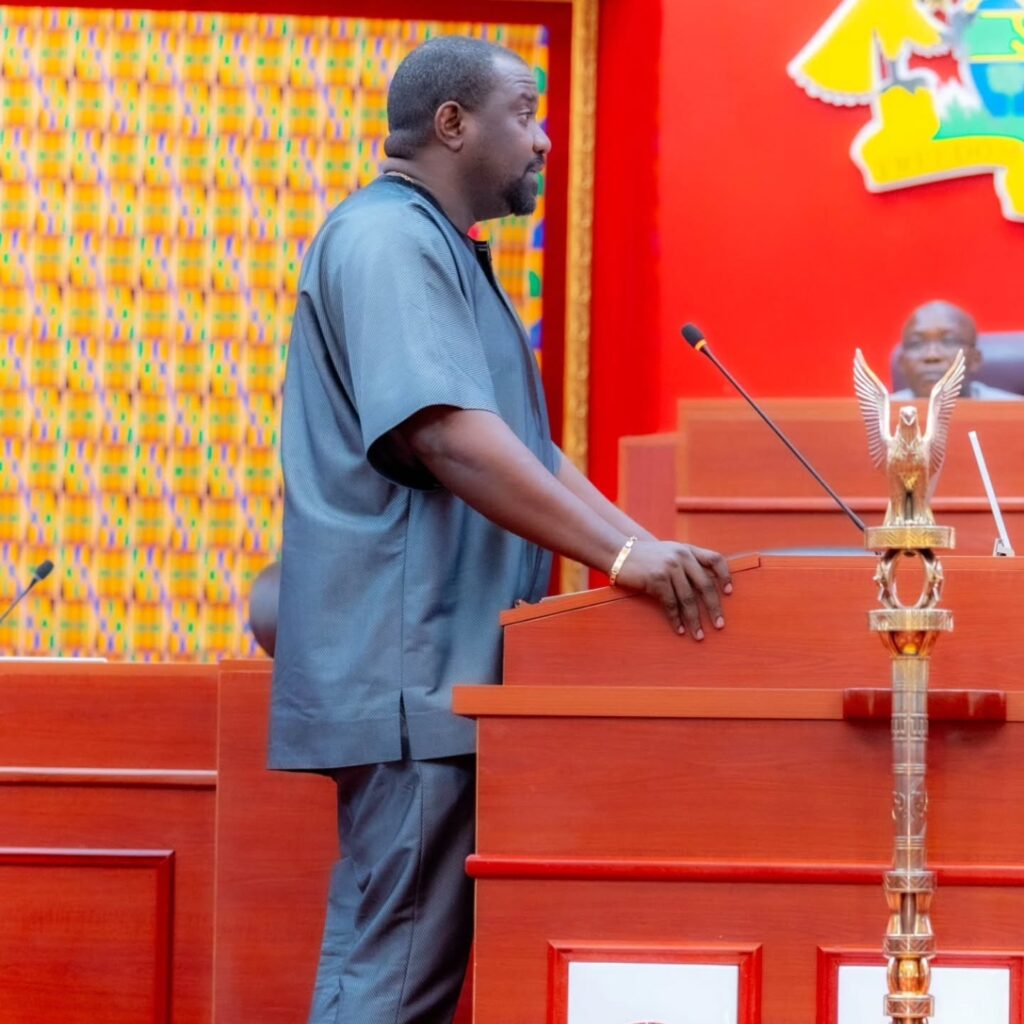










His style reflects his identity and national pride.
For him, fashion is more than just an appearance.