Profile
From herding cattle to Yale Law: Frederick Adongo’s inspiring journey backed by Alhaji Agongo’s philanthropy


- /home/u249204778/domains/spectator.com.gh/public_html/wp-content/plugins/mvp-social-buttons/mvp-social-buttons.php on line 27
https://spectator.com.gh/wp-content/uploads/2025/06/Law-500x600.jpg&description=From herding cattle to Yale Law: Frederick Adongo’s inspiring journey backed by Alhaji Agongo’s philanthropy', 'pinterestShare', 'width=750,height=350'); return false;" title="Pin This Post">
- Share
- Tweet /home/u249204778/domains/spectator.com.gh/public_html/wp-content/plugins/mvp-social-buttons/mvp-social-buttons.php on line 72
https://spectator.com.gh/wp-content/uploads/2025/06/Law-500x600.jpg&description=From herding cattle to Yale Law: Frederick Adongo’s inspiring journey backed by Alhaji Agongo’s philanthropy', 'pinterestShare', 'width=750,height=350'); return false;" title="Pin This Post">
In today’s social media-craze world, motivational stories are not in short supply but only a few of them tickle real emotions. Frederick Agaaya Adongo’s story is one of the rare exceptions.
Last week, beneath the historic elm trees at Yale University’s graduation ceremony, the once cattle herder stood tall in his academic regalia, the same hardened hands that once held farm tools in rural Zorkor in the Upper East Region now clutching a Master of Laws (LL.M) degree from one of the world’s most prestigious institutions.
“This is nothing short of exhilarating,” the cheerful graduand said in an interview, recalling his emergence from a humble background – the dusty paths of his remote village, where dreams often wither under the harsh sun – to becoming the first Ghanaian in almost four decades to graduate with LL.M from the prestigious Yale Law School.
“I had no professional ambitions growing up. I would say my journey to law school was divinely orchestrated,” he said.
A key part of that divine orchestration is the unwavering support of renowned businessman and philanthropist, Alhaji Seidu Agongo, whose generosity transformed the cattle herder’s dream into an extraordinary reality.
Between farm, cattle and classroom
Growing up in rural Ghana, Frederick said his early life revolved around farming and animal husbandry.
He recalled dividing his time between school, herding cattle, and going to the farm, costing him precious learning time.
Despite these challenging circumstances, he persevered through basic education, eventually stopping cattle herding in his final year in Junior High School (JHS) to focus on the Basic Education Certificate Examination (BECE).
Predictably, funding his education was a constant struggle. “With contributions from family and other benevolent people, I managed to meet all my financial obligations to complete high school,” he said, though that meant a bigger hurdle was ahead.
At the University of Ghana, he said relied heavily on support from chaplains and members of the St. Thomas Aquinas Parish and the St. Vincent de Paul Society.
The Agongo factor
Frederick’s life changed dramatically when a senior at the University of Ghana recognised his potential and recommended him to Alhaji Seidu Agongo – a moment he describes as “a significant turning point in my life.”
“Since knowing Alhaji Agongo, he has paid my school fees and provided for my needs throughout my educational journey,” Frederick explained. “I didn’t have to worry about the burdens that otherwise would have made it difficult for me to focus on my studies,” he said.
The result is an improbable Yale Law School star, now a symbol of possibility and a beacon of hope for rural youth across the nation.
The story of Frederick, who Alhaji Agongo neither knows nor has ever met, is one of many by a philanthropist who believes in sharing himself to help make society better.
He has sponsored hundreds of children across the country through various levels of education, paid the bills of hundred more people and constructed and furnished a state-of-the-art block for the Children’s Department of the Korle Bu Teaching Hospital in Accra.
Alhaji Agongo has also funded several females, widows and single mothers through vocational training and entrepreneurships as part of his commitment to helping create an equitable society.
“Frederick is an exceptional talent and the least I can do is to support him shine,” he said. “Through that support, he will make his family and society better and the world will be the bigger beneficiary,” he added.
Making history at Yale
For Frederick, Alhaji Agongo’s presence in his life led him into a land of possibilities.
After successfully completing his law degree in Ghana, he said he was faced with offers from both Yale and Harvard Law Schools but settled for Yale for its intimate learning environment with smaller class sizes.
“My checks also strongly suggest that since 1987, we have not had a Ghanaian in the programme,” he notes proudly.
As the only African in his cohort, Frederick decided to “take the road less traveled,” breaking a 38-year absence of Ghanaian representation in Yale’s prestigious LL.M. programme, a journey smoothen by constant financial and moral support from Alhaji Agongo.
For him, the LL.M. holds immense personal significance, more so from Yale.
“Yale Law School not only imparts profound legal knowledge but also instills in us the responsibility to use that knowledge to address society’s most pressing challenges. Coming from a background where higher education seemed like an unlikely dream, the opportunity to now be part of a community that strives to create meaningful change in the world is nothing short of exhilarating,” he said.
Genuine philanthropist
For Frederick, Alhaji Agongo’s success story highlights the transformative impact of a man’s philanthropy that extends far beyond his personal.
“Alhaji Agongo is a genuine philanthropist,” Frederick said, noting the distant nature of their relationship.
“Since knowing him, we have only spoken on the phone; he has never met me and has nothing to gain from me for helping me. Yet he constantly checks up on me to ensure that I am comfortable and provides whatever I need,” he said.
Frederick revealed that Alhaji Agongo has similarly supported numerous other students whose educational journeys might have been “prematurely truncated but for his benevolence.”
Message to the youth
For Frederick, his situation is a powerful testament of how one’s background means less to his/her future.
“One is not defined by their circumstances,” he said.
“We need to only push ourselves to our elastic limits in the pursuit of our goals,” he said.
He stressed the importance of mentorship and humility, noting that the youth needed to get mentors who can guide them in whatever field they choose to pursue.
“We just need to humble ourselves and be ready to learn from mentors, friends, and colleagues. And we will attain greater heights,” he said.
On what next, he said he return home to work while exploring opportunities for further studies.
While at it, his story stands as a powerful testament to perseverance, the impact of philanthropy, and the heights that determined Ghanaians can reach with proper support.
By Spectator Reporter

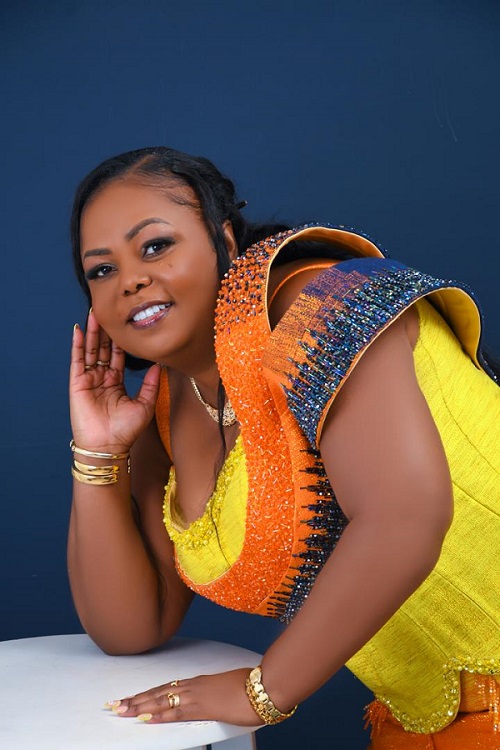
Life does not always hand you a script, but you always control how you write the next chapter.
That is the story of Mrs Elizabeth Sackey, affectionately called Liz Sackey, a woman who refused to be put in a box, trading her secretarial desk for the vibrant worlds of global wine and traditional Kente.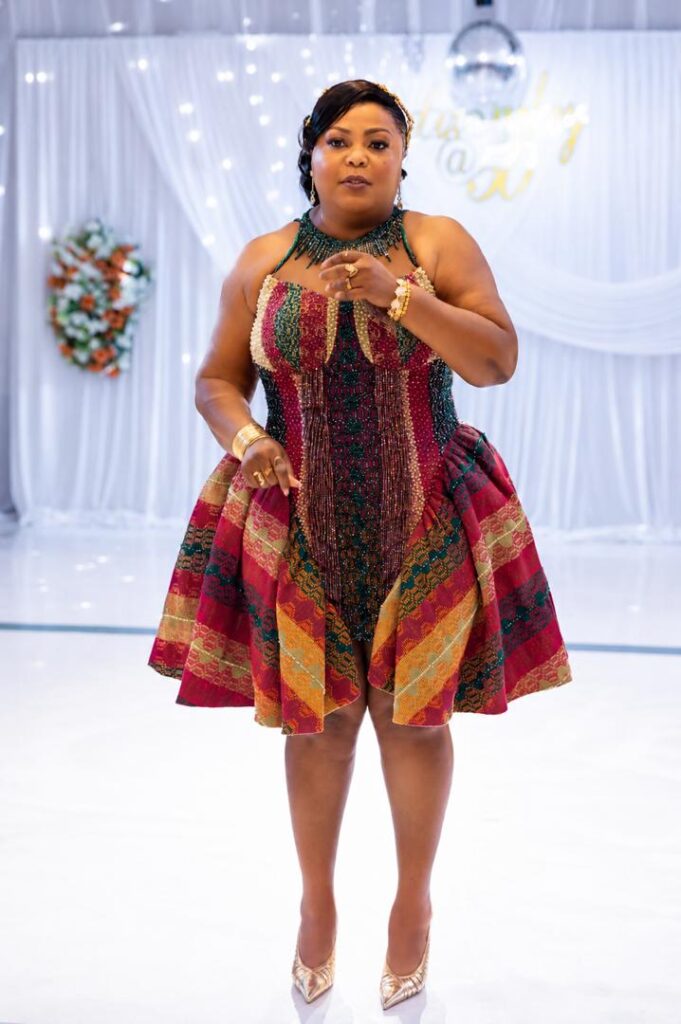
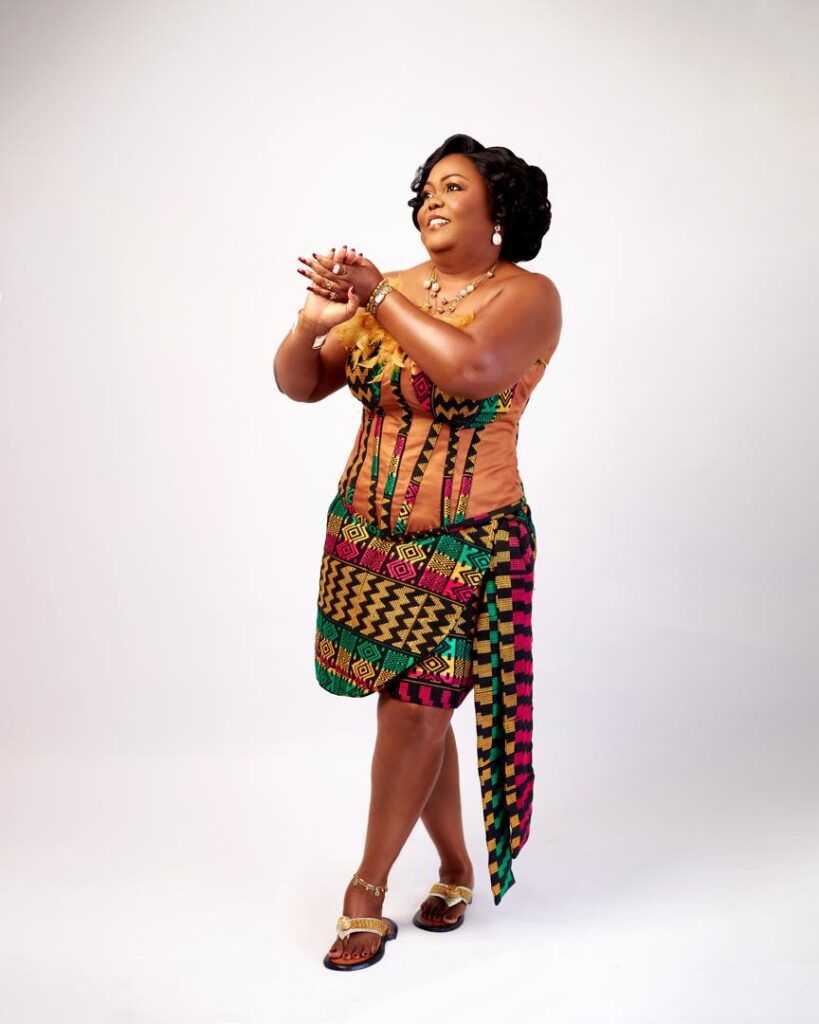
Her journey proves that whenever life pushes you, you can use that momentum to leap into greatness.
Born on Friday, June 11, 1976, in New Achimota, Elizabeth inherited a perfect mix of corporate strategy and perseverance.
Her father, Benjamin Ayivor, was a Marketing Officer for Ghana Airways, while her mother, Janet Ayivor, was an enterprising businesswoman. This combination of global vision and local trade ran deep in her DNA.
Her journey began at Greenhill International School, and later to Mfantsiman Girls Secondary School, Saltpond where she completed her secondary school education.
Soon after, she built her professional foundation at Dard Secretariat School in Accra New Town.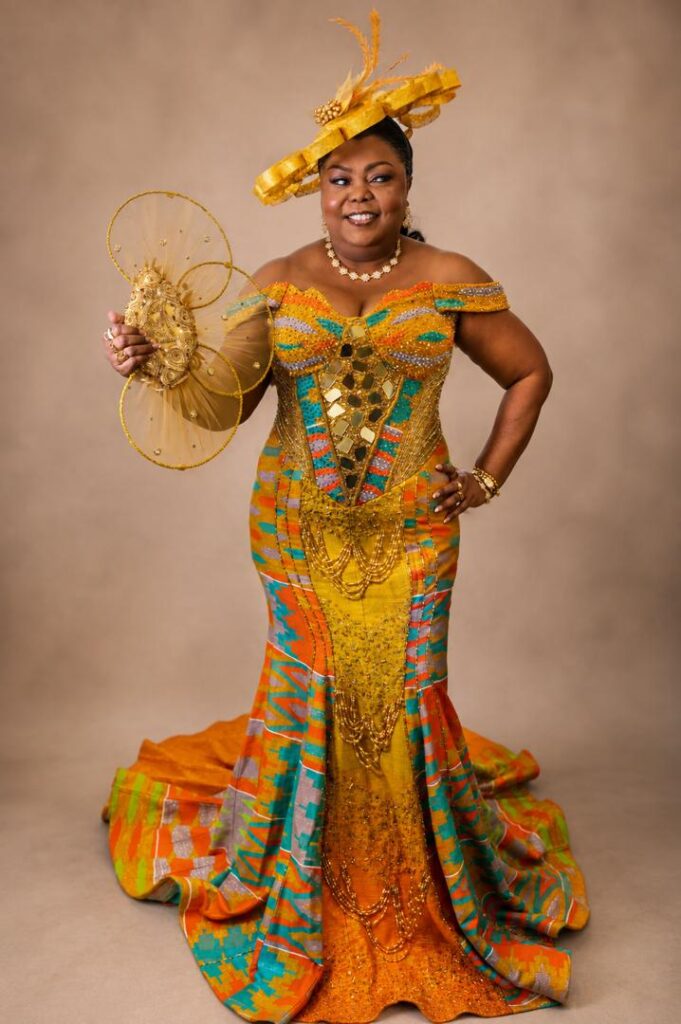
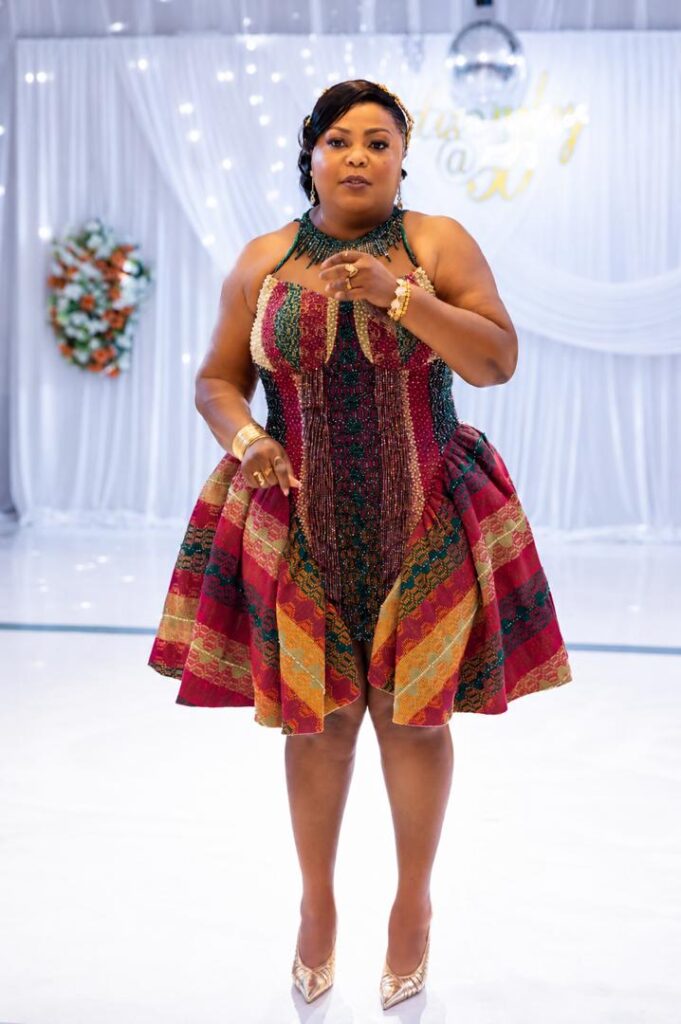
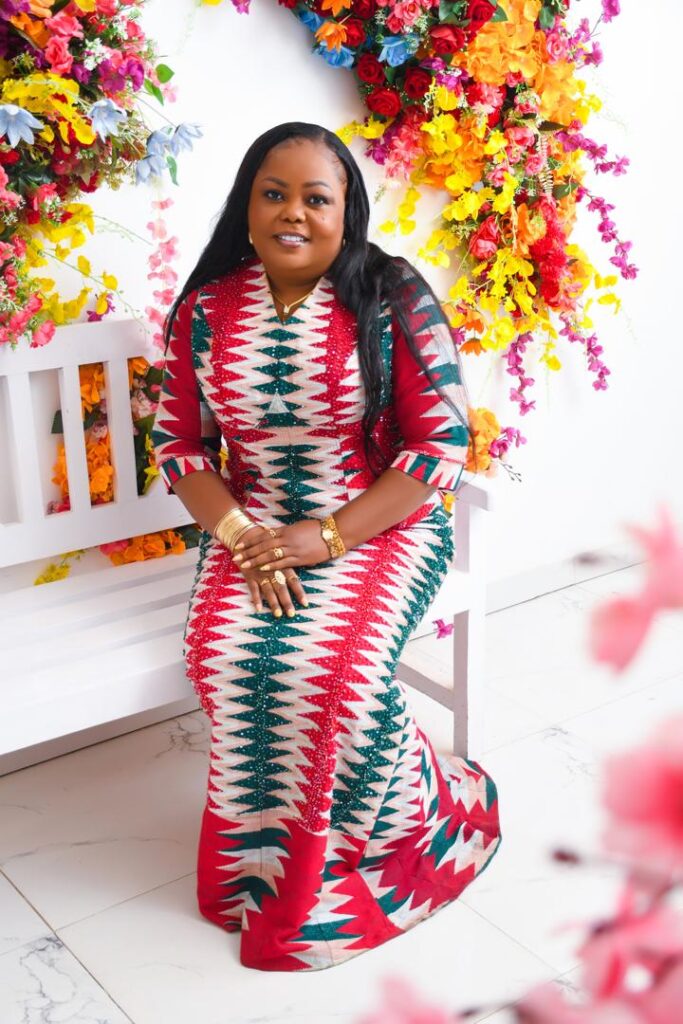
For three years, Elizabeth kept things running smoothly at a fast-paced law firm. Around this time, she also got married to Chief Eng. Daniel Nii Ayi Sackey, Head of Marine Engineering, Ghana Ports and Harbours Authority, with whom she has a daughter.
But Elizabeth wanted more out of life. Balancing a busy life, she went back to school which then pushed her forward into Regent University, graduating with a degree in Banking and Finance in 2009.
After her National Service in the accounts office of the Volta River Authority (VRA), she and her husband took off to travel overseas many times.
Travel changes you, and for Elizabeth, it sparked a business empire. While exploring global cities, she fell in love with how international shops organised their wines by country of origin.
When she one day stepped off the plane back in Ghana, she did not look for another desk job. Instead, she took a leap of faith and launched Wines of the World Enterprise, bringing that experience straight to Accra.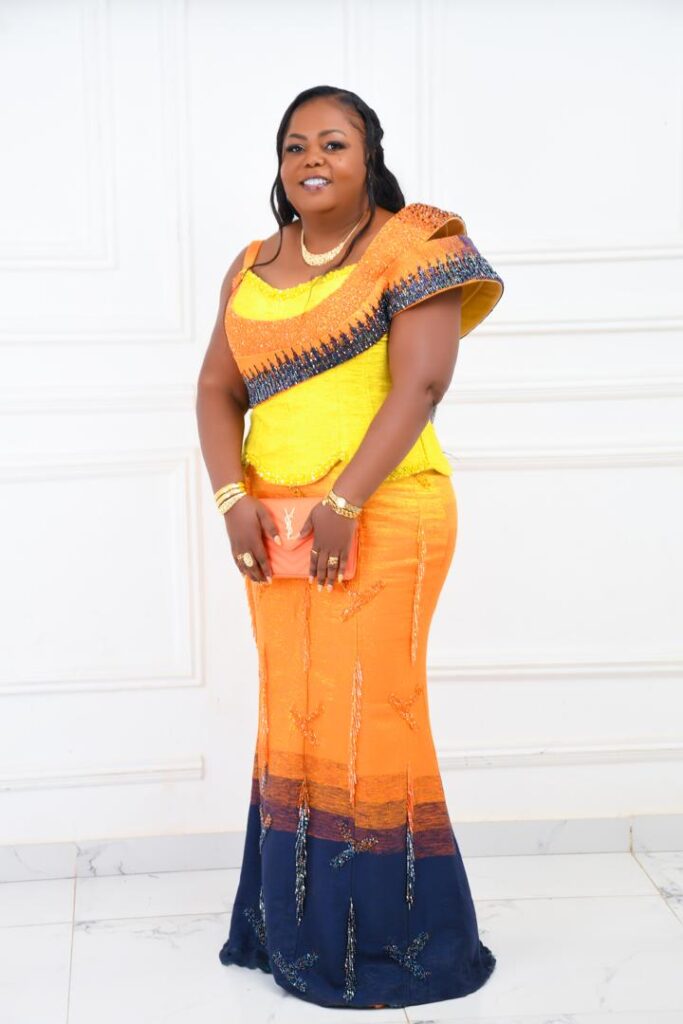

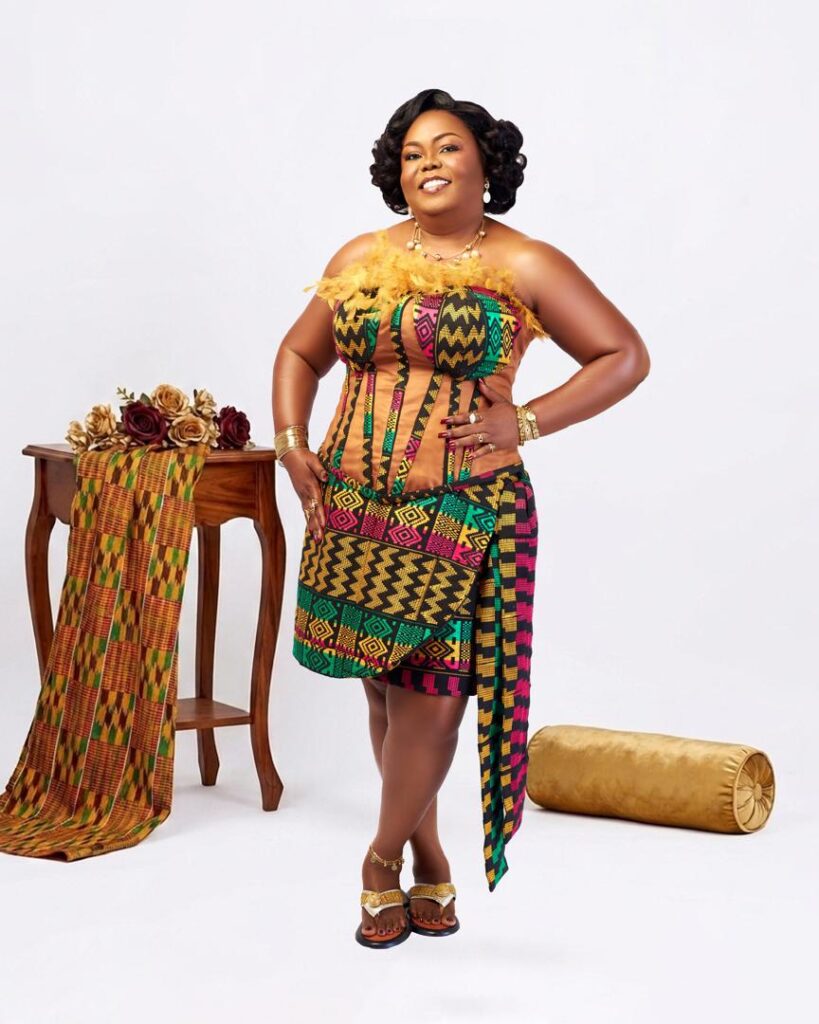
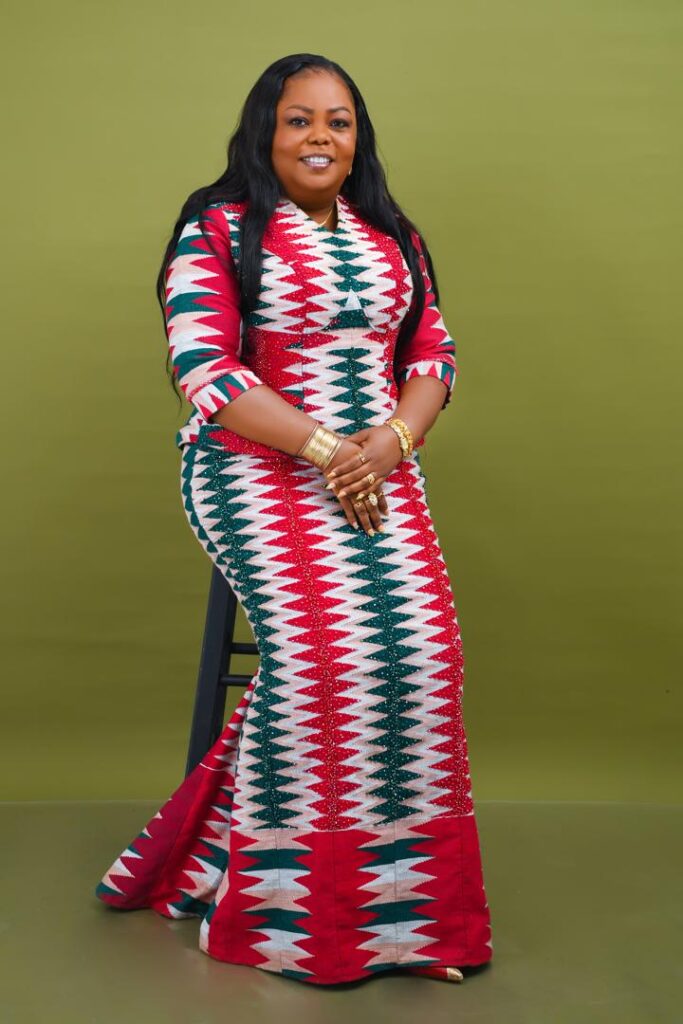
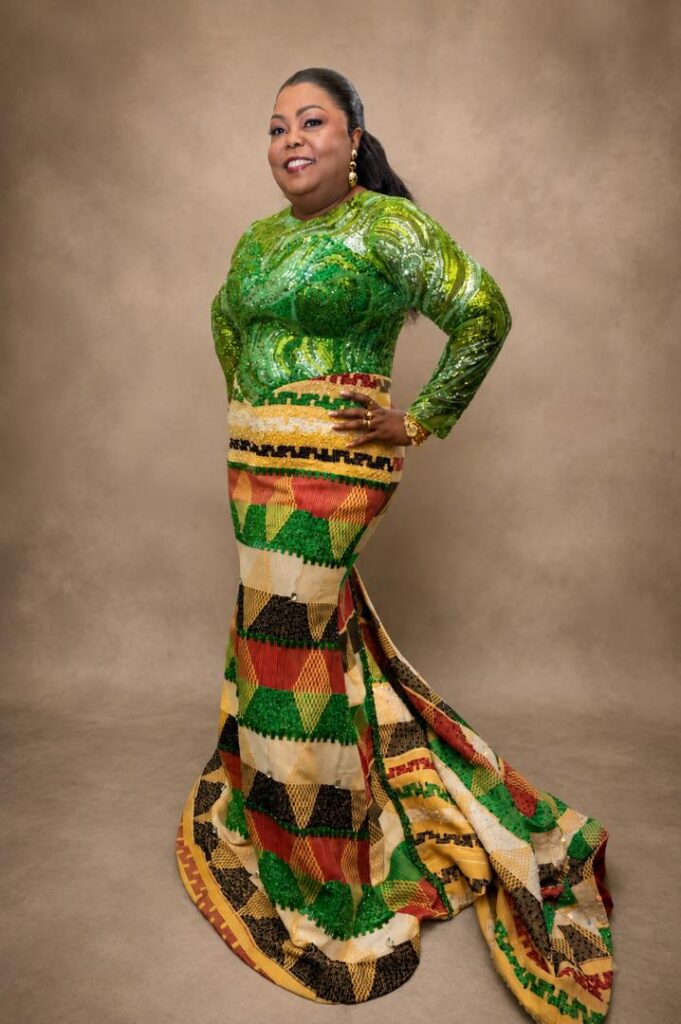
Entrepreneur by day, scholar by night. She balanced the hustle of business with rigorous study at the Ghana Institute of Management and Public Administration (GIMPA) to earn her Master’s in Development Management.
Her passion for heritage later pulled her into Ghana’s rich textile industry, where she successfully broke into the world of premium Kente.
“Thirteen years into my entrepreneurial journey, a simple gift of wine and family-woven Kente sparked a brand-new passion,” she discloses to The Spectator.
What started as casual curiosity grew into a deeply fulfilling venture dedicated to sharing Ghana’s rich cultural heritage with the world.
By sharing iconic, masterfully crafted designs like ‘Ewdenisiedwenisu,’ (a beautiful, and complex mix of many different patterns), Emerepa (a distinct collection of traditional structures), and the regal Obaama cloth, she is driving Ghana’s cultural tourism straight into the global spotlight.
After transforming that single baby gift into a thriving venture, she has taken Ghana’s rich heritage far beyond to local borders.
“I help people globally to choose the perfect colours for their most sacred occasions, using tradition to boost our national tourism. So far, so good,” she declares with pride.”
By introducing the vibrant art of Kente to international audiences, especially those who had admired the fabric from afar but had never actually worn it, she is proving that culture is Ghana’s greatest global asset.
Mrs Elizabeth Sackey firmly believes that if the nation heavily champions the Kente industry, it will skyrocket Ghana’s cultural tourism to incredible new heights.
“The future of Kente is bright and wide,” she states with absolute conviction. International travellers are no longer just admiring the fabric; they want to wrap themselves in it.
“Pairing an intricately designed Kente with a bold, plain Kente is the ultimate secret,” she reveals with a smile.
For her, styling clients is not just part of the job, it is a natural gift. The moment a client mentions their colour, her creative instincts take over. She freely guides people to their perfect match, ensuring that every vibrant shade shines beautifully for their special occasion without overwhelming the eye.
“Choosing the Kente is one thing, but finding the right person to sew it is an entirely different battle,” she points out.
For her, ensuring a flawless final look means going the extra mile. She frequently steps in to consult directly with fashion designers, dictating the exact style and required yard to protect the fabric’s integrity. It is a meticulous, hands-on approach born out of necessity.
Despite the immense fulfillment of her textile venture, her journey has been paved with steep hurdles to surmount.
“When the rains fall, the looms slow down and that is just the beginning of the battle,” she reveals.
She says the rainy season brings severe production delays, making bulk orders of complex designs a test of patience. Worse than the weather, however, is the threat of cultural theft. Shoddy imitators and opportunistic businessmen are stealing sacred Kente patterns like ‘Meba wo abrokyire’ (My child lives abroad) and printing them cheaply onto ordinary cloth.
Fiercely protective of Ghana’s heritage, she is calling on the government to step in, secure the borders, and legally halt the mass piracy of Ghana’s intellectual property.
Liz Sackey is a proud member of the International Central Gospel Church (ICGC). She enjoys unwinding in the kitchen, cooking to the rhythm of her favourite music.
Turning 50 has only amplified her mission to inspire the next generation, sending a powerful wake-up call to the youth to stop being idle.
“The future is bright so grab the massive opportunities waiting for you and boldly venture into new fields,” she advises.
By Georgina Quaittoo
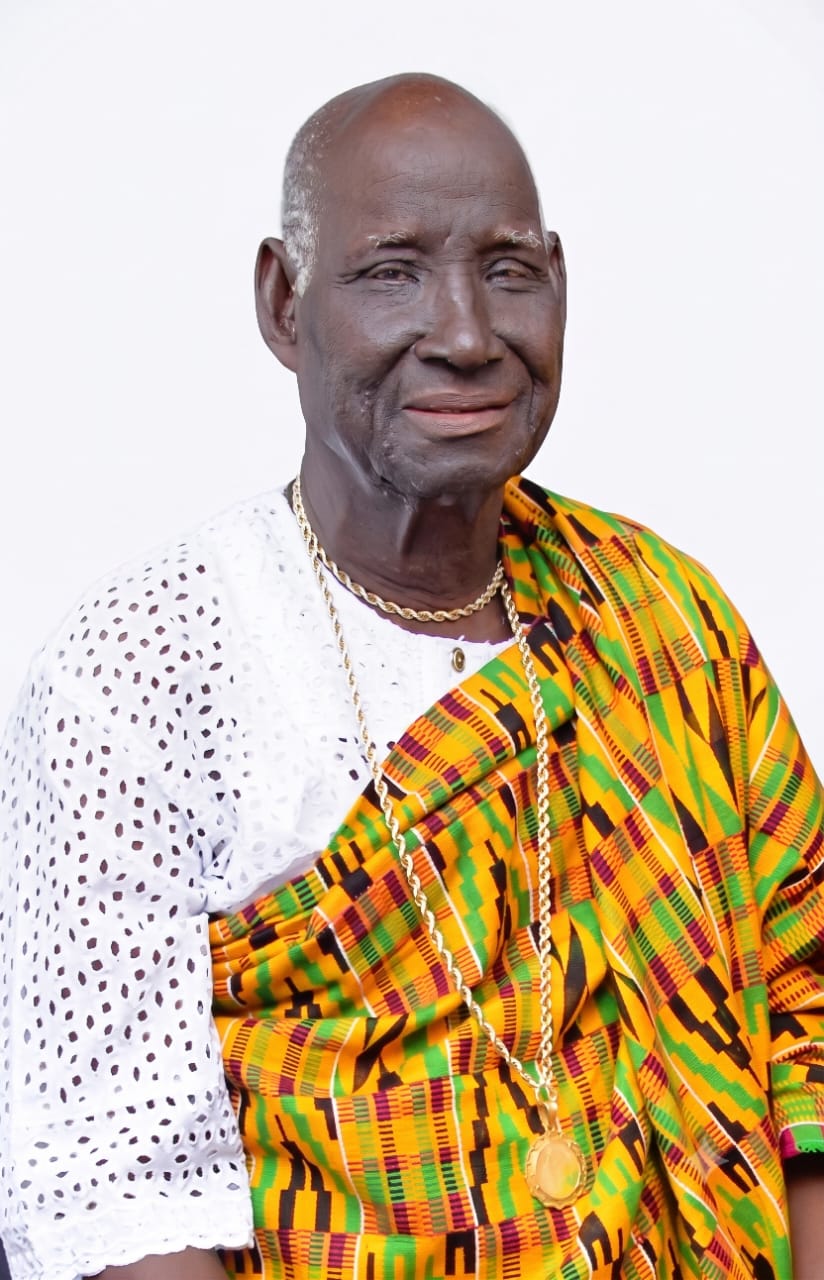
At 100, Charles Baako Moses is more than a centenarian. He is a living witness to a century of Ghana’s history and a man whose life has been defined by faith, leadership, enterprise and service.
As he celebrates this extraordinary milestone, the General Overseer of The Holy Church of God looks back on a remarkable journey that has touched generations and contributed to the growth of an enduring religious institution.
His story is one of longevity, but more importantly, it is a story of impact.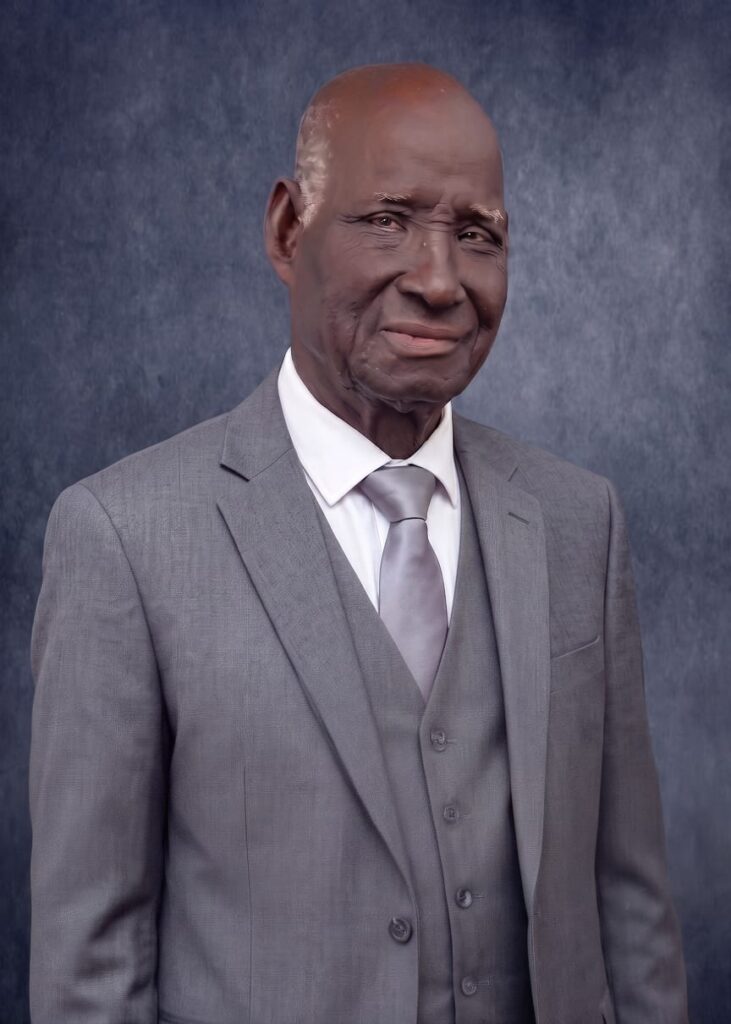
Born in 1926 at Saltpond, Mr Moses was the son of Ghana’s first African Director of Prisons. At the age of seven, his grandmother took him to Accra, where he spent part of his childhood and played football at Mabona in James Town.
His life has also been intertwined with some of the defining moments in Ghana’s history. In 1939, as a young boy, he experienced the earthquake that shook parts of the country. Years later, on March 6, 1957, he was among schoolchildren who marched at the Old Parliament House to mark Ghana’s independence.
One of the defining chapters of Mr Moses’ life is his role in establishing The Holy Church of God at Parakuo Estates, Dome.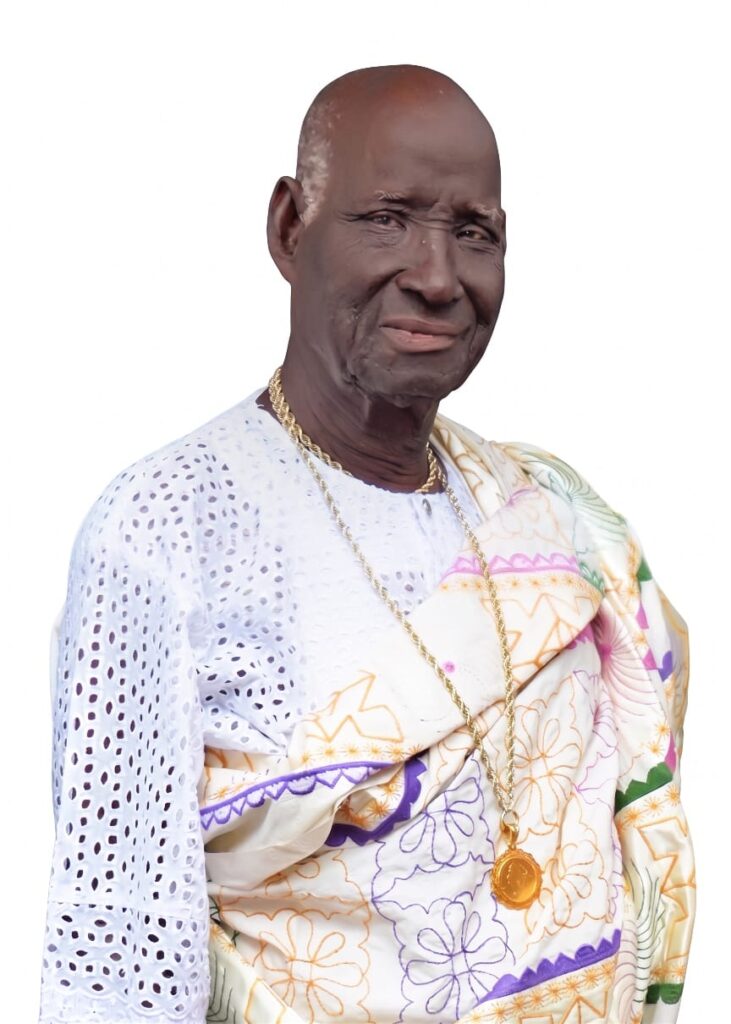
Together with his father, he helped build the fellowship from its formative years into an institution that would stand the test of time.
The fellowship attracted a number of prominent personalities in Ghana’s political history, including Ako-Adjei, Gbedemah, Dr Kwame Nkrumah and Victor Owusu.
Their association with the fellowship reflected the important role religious institutions played in Ghanaian society, particularly during the country’s formative years.
The Holy Church of God celebrated its 70th anniversary last year, marking seven decades of worship, service and community life.
For Mr Moses, the longevity of the church represents more than an institutional achievement. It is the fulfilment of a vision nurtured through years of commitment, sacrifice and perseverance.
Long before becoming General Overseer, Mr Moses was already combining faith, education and enterprise. He founded evening classes and taught, while also preaching from village to village with a lamp and a bell at nine o’clock every night.
He also helped establish a Baptist church and ventured into agriculture, planting cocoa, plantain and coconut. His entrepreneurial spirit later saw him build a juice business using oranges from his own farm.
As General Overseer, Mr Moses has provided steady leadership to the church, guiding both its spiritual and administrative affairs.
His leadership has been shaped by experience, discipline and a strong sense of responsibility. Over the years, he has nurtured generations of church members and leaders, helping to preserve the institution’s values while guiding it through changing times.
His wisdom and humility have earned him respect, while his perseverance has enabled him to remain committed to the institution he helped build.
Mr Moses’ contribution extends beyond religious leadership. He has also distinguished himself through entrepreneurial activities in transport, agribusiness and manufacturing.
His involvement in these sectors demonstrates his appreciation of enterprise and the importance of creating opportunities through productive economic activity.
His entrepreneurial vision has added another dimension to a life already marked by spiritual and institutional leadership.
Mr Moses has devoted his lifetime to faith, family and community service and development. He is also regarded as a mentor and role model to many, as well as a life coach, researcher, philanthropist and humanitarian.
Through his philanthropic activities, many people have experienced what his profile describes as new life, salvation and hope.
He is a family man and a father of seven children, adding family to the institutions and communities that have benefited from his lifetime of leadership and service.
Mr Moses’ contribution to leadership and institutional development has also received academic recognition.
He holds an Honorary Master of Business Administration (MBA) from Cambridge International College (CIC), an honour recognising his contributions to leadership and institutional development.
Turning 100 is a rare achievement, but Mr Moses’ centenary carries added historical significance because his life has unfolded alongside major chapters in Ghana’s development.
He has witnessed the country move from colonial rule to independence and through decades of political, social, economic and technological transformation.
His association with personalities such as Dr Kwame Nkrumah, Ako-Adjei, Gbedemah and Victor Owusu places aspects of his personal journey within Ghana’s broader national history.
His life therefore offers younger generations an opportunity to appreciate how much society has changed and to learn from the values that enabled his generation to build institutions under very different circumstances.
Over the years, he has provided spiritual and administrative leadership to generations of believers, pursued business interests across several sectors and remained committed to family and community.
His centenary is not only a personal celebration but also a celebration of an institution and generations of people whose lives have been influenced by his example.
For the younger generation, Mr Moses’ centenary also comes with a message shaped by a lifetime of experience.
He advises the youth to listen to their parents, noting that their guidance comes from experience, love and a desire to see them succeed. He urges young people to remain disciplined, work hard, value education and surround themselves with positive influences.
“The choices you make today will shape the future you enjoy tomorrow,” he counsels.
Charles Baako Moses enters his second century with a legacy firmly established.
His centenary is also marked by another honour, as he is set to receive an Honorary Doctor of Humane Letters (Honoris Causa) and have his name included in the institution’s Hall of Fame, further recognising a lifetime of faith, leadership and service.
By Spectator Reporter