Nutrition
Staying migraine-free with our diet


Eggs
In this chapter, we will be discussing how we can live a migraine-free life with our diet.
Migraine is a very painful and miserable type of headache. Migraine comes with a pulsating and throbbing pain in one part of the head. Other signs and symptoms include; nausea and vomiting, dizziness, and a high sensitivity to light and sound.
Some people can even tell when they are about to have a migraine because they see flashing light or zigzag lines, or they temporarily lose their vision. Other people may suspect a migraine is coming after they encounter something that commonly cause migraines. Many things can trigger a migraine, including anxiety, stress, lack of food or sleep, exposure to light and hormonal changes in women.
Drugs can help prevent migraine attacks or relieve symptoms of attacks when they happen. Lifestyle changes and nutrition also help a lot in preventing future migraines.
Foods to include
Magnesium rich foods such as oatmeal and sweet potatoes.
Melatonin rich foods such as oats, cherries and sweet corn.
Omega-3 fatty acid rich foods such as flaxseed, salmon, and herrings.
Riboflavin rich foods such as milk, eggs, and lean beef or pork.
Lifestyle modification
Cessation of cigarette smoking.
Moderation of alcohol.
Adequate rest/ sleep; at least 7 hours a night.
Adequate water intake; at least 8 glasses a day.
Adequate stress management.
Avoid very bright light and excessive noise.
Adequate exercise; at least 45 minutes a day for at least three times a week.
When migraines attack, they can distort our whole mood and prevent us from chasing our daily goals. That should never be taken lightly, and active application of the diets and lifestyle modifications mentioned above should be natural habits in our lives, to maintain that peace of mind we all deserve.
The writer Dr Bernice Korkor Asare is the CEO of Holistic Health Consult.
“Your diet your health, your health your wealth”
E-mail: holistichealthconsultgh@gmail.com

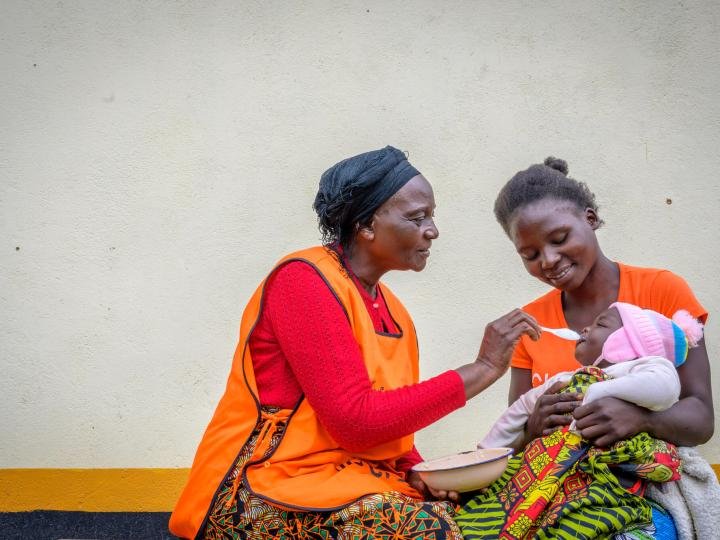
In March 2025, world leaders gathered in Paris for the Nutrition for Growth (N4G) Summit, the most important global gathering on malnutrition of the decade. Over $30 billion in new financial commitments were pledged globally by more than 170 actors from 82 countries. Ghana was there. Ghana made commitments. The question now is: are those commitments enough, and will they be delivered?
Ghana made 10 commitments at the 2025 N4G Summit. One of the most significant is a pledge to spend at least $6 million annually from 2026 for the procurement of essential nutrition commodities including ready-to-use therapeutic food (RUTF), multiple micronutrient supplements (MMS), iron-folic acid tablets, vitamin A supplements, and anthropometric equipment for measuring child growth.
This financial commitment is meaningful. For years, Ghana’s nutrition programmes have depended heavily on donor funding, leaving services vulnerable to aid cuts and supply disruptions. A domestic budget line for nutrition commodities signals a shift toward ownership and sustainability. It also directly supports Ghana’s Nutrition for Growth commitments from the 2021 Tokyo Summit, several of which remain off track.
The Bigger Picture
The 2025 N4G Summit was about more than funding. It called for systemic change: embedding nutrition in food systems, health coverage, climate resilience, and gender equality. Every dollar invested in nutrition is estimated to return $16 to the local economy. Yet malnutrition still costs Ghana an estimated 6.4 per cent of its GDP annually. That is not a public health statistic. It is an economic emergency.
The National Development Planning Commission (NDPC) has acknowledged that converting summit outcomes into actionable change requires transparent policy dialogue and locally driven solutions.
Commitments made in Paris must be tracked, funded, and implemented in Ghana’s communities. Programmes must move from pilot scale to national coverage. That will not happen without sustained political will, dedicated domestic financing, and public accountability.
Commitments made on global stages matter. But they only become meaningful when they translate into services in communities. The question is not what Ghana promised in Paris. It is what Ghana delivers at home.
Feature article by Women, Media and Change under its Nourish Ghana: Advocating for Increased Leadership to Combat Malnutrition project
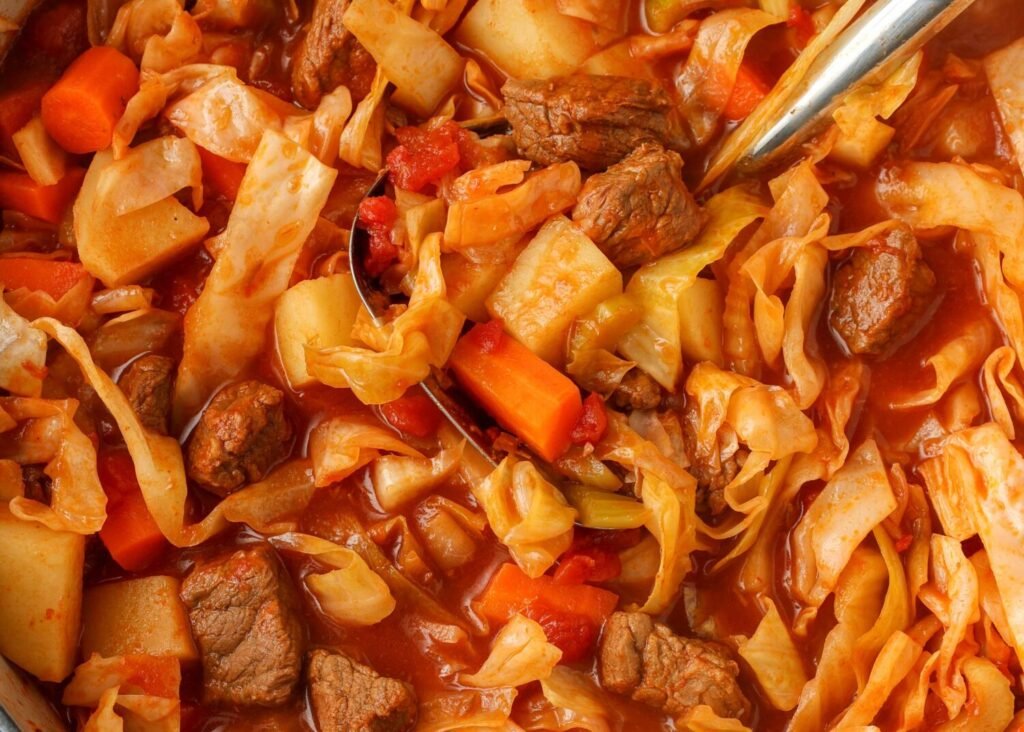
Cabbage is very rich in fibre, the main supplier of roughage. This helps the body retain water and it maintains the bulkiness of the food as it moves through the bowels.
Thus, it is a good remedy for constipation and other digestion-related problems.
Ingredients
-1 large cabbage
– 4 large fresh tomatoes
– 1 large onion
– Pepper
-Garlic
-2 large salmon
-1 tin of mackerel
-2 large green pepper
-Salt to taste
Preparation
-Chop cabbage roughly and wash in a large pot of water
-Pour vinegar on it and wait until you make other preparations. Then drain.
-Heat coconut oil in a saucepan over medium heat
-Cook and stir onion in hot oil until onion turns dark brown.
-Blend tomatoes, green pepper, garlic and onion and add to the oil
-Add tomato paste, mackerel and salmon to stew
-Add cabbage, stir and cover to cook for 7 – 10 minutes
-Allow to simmer when it is soft and serve with rice, yam etc.