Entertainment
Ghana Reads Initiative, Community Water & Sanitation Agency observe World Water Day

- /home/u249204778/domains/spectator.com.gh/public_html/wp-content/plugins/mvp-social-buttons/mvp-social-buttons.php on line 27
https://spectator.com.gh/wp-content/uploads/2024/05/Screenshot-2024-05-24-at-18-09-56-DIRECT1.JPG-JPEG-Image-1008-×-756-pixels-—-Scaled-94.png&description=Ghana Reads Initiative, Community Water & Sanitation Agency observe World Water Day', 'pinterestShare', 'width=750,height=350'); return false;" title="Pin This Post">
- Share
- Tweet /home/u249204778/domains/spectator.com.gh/public_html/wp-content/plugins/mvp-social-buttons/mvp-social-buttons.php on line 72
https://spectator.com.gh/wp-content/uploads/2024/05/Screenshot-2024-05-24-at-18-09-56-DIRECT1.JPG-JPEG-Image-1008-×-756-pixels-—-Scaled-94.png&description=Ghana Reads Initiative, Community Water & Sanitation Agency observe World Water Day', 'pinterestShare', 'width=750,height=350'); return false;" title="Pin This Post">
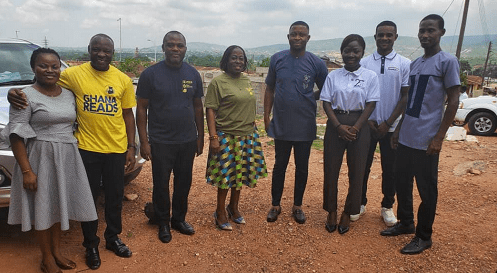
Director of Education Shai Osudoku District, Ms Harriet Lomotey (fourth from right), National Director of Ghana Reads Initiative,
Mr Albert Koomson( 2nd from right) in a group picture with other executives after the program
Ghana Reads Initiative in collaboration with Community Water and Sanitation Agency have marked this year’s World Water Day with a short ceremony at Mount Zion Presby Church, Dodowa.
It was celebrated under the theme ‘Leveraging water for peace.’
The day is celebrated on March 22 to create awareness on the importance of freshwater and advocate the sustainable management of freshwater resources.
It also focuses on the challenges faced by water bodies and the actions taken to tackle global water crisis.
In an address, the Director of Education, Shai Osudoku District, Ms Harriet Lomotey said it was necessary to mark the day to create awareness on the need to take issues about freshwater seriously and the importance of conserving water bodies.
“We have to make sure that we access drinking water. It is our human right to access good drinking water and we must also use water as a tool to create a peaceful world for all,” she said.
She said in order to create a peaceful world for all, there was the need for a good driven approach such as working together to ensure that everyone had a safe and clean drinking water.
Ms Harriet stressed on the need to conserve water bodies in order to promote peace because the shortage or pollution of water can bring about conflicts.
The National Director of Ghana Read Initiative, Mr Albert Koomson explained that, the sole responsibility of the group was to imbibe in children the ability to read extensively and not only when they are about to write examinations.
He pointed out that ‘Galamsey’ (illegal mining) was a major activity destroying water bodies, making it difficult to access clean water for domestic use.
There were poetry recitals and cultural displays by the students of the Dodowa Presby ‘B’ Basic School.
By Elizabeth Agyeibea Ackon



Award-winning Ghanaian rapper, Michael Addo popularly known as Sarkodie, has called for a deeper and more sustainable partnership between Ghana’s creative industry and the financial technology sector.
The rapper made the call on Tuesday when he paid a courtesy call on the management of MobileMoney Fintech Limited at the company’s head office in Accra to explore opportunities for collaboration beyond the conventional corporate sponsorship arrangement.
The meeting focused on how the two sectors could work together to promote financial inclusion, digital financial services and opportunities within Ghana’s growing creative economy.
The rapper acknowledged MobileMoney Fintech Ltd’s past support for his annual Rapperholic concert, but emphasised that his broader objective was to establish a long-term partnership that creates sustainable value for both the company and the creative industry.
“I am here today not like the usual business where we come and ask, ‘Can we get sponsorship for our show?’ and that’s it. It goes beyond just coming in and getting support,” Sarkodie said.
He pointed out that artistes and creative professionals maintain long-term visions for their careers including album releases, tours, brand initiatives, and community engagement programmes and argued that corporate partnerships should be structured around shared objectives.
Sarkodie proposed to use his upcoming campus tour as a platform for MobileMoney Fintech Ltd to engage directly with young people, raising awareness about the company’s new MoMo app and its comprehensive suite for financial services.
Welcoming Sarkodie and his team, the Chief Executive Officer of MobileMoney Fintech Ltd, Mr Shaibu Haruna, described the visit as an important step towards strengthening the relationship between the creative and Fintech industries.
Mr Haruna explained that although MobileMoney Fintech Ltd was primarily a technology-driven company, its relationship with the entertainment industry remained strategic because of the enormous reach and influence of both sectors.
Both parties expressed commitment to future engagements to identify concrete areas of cooperation, focusing heavily on expanding financial inclusion, connecting young people to digital financial services, and accelerating the growth of Ghana’s creative economy.
By Linda Abrefi Wadie
SKIP THE QUEUE, TAP THE NEWS

You can now read the Ghanaian Times and The Spectator newspapers from the comfort of your device via TimesNewsPlus.
Join our WhatsApp Channel: https://whatsapp.com/channel/0029VbBElzjInlqHhl1aTU27
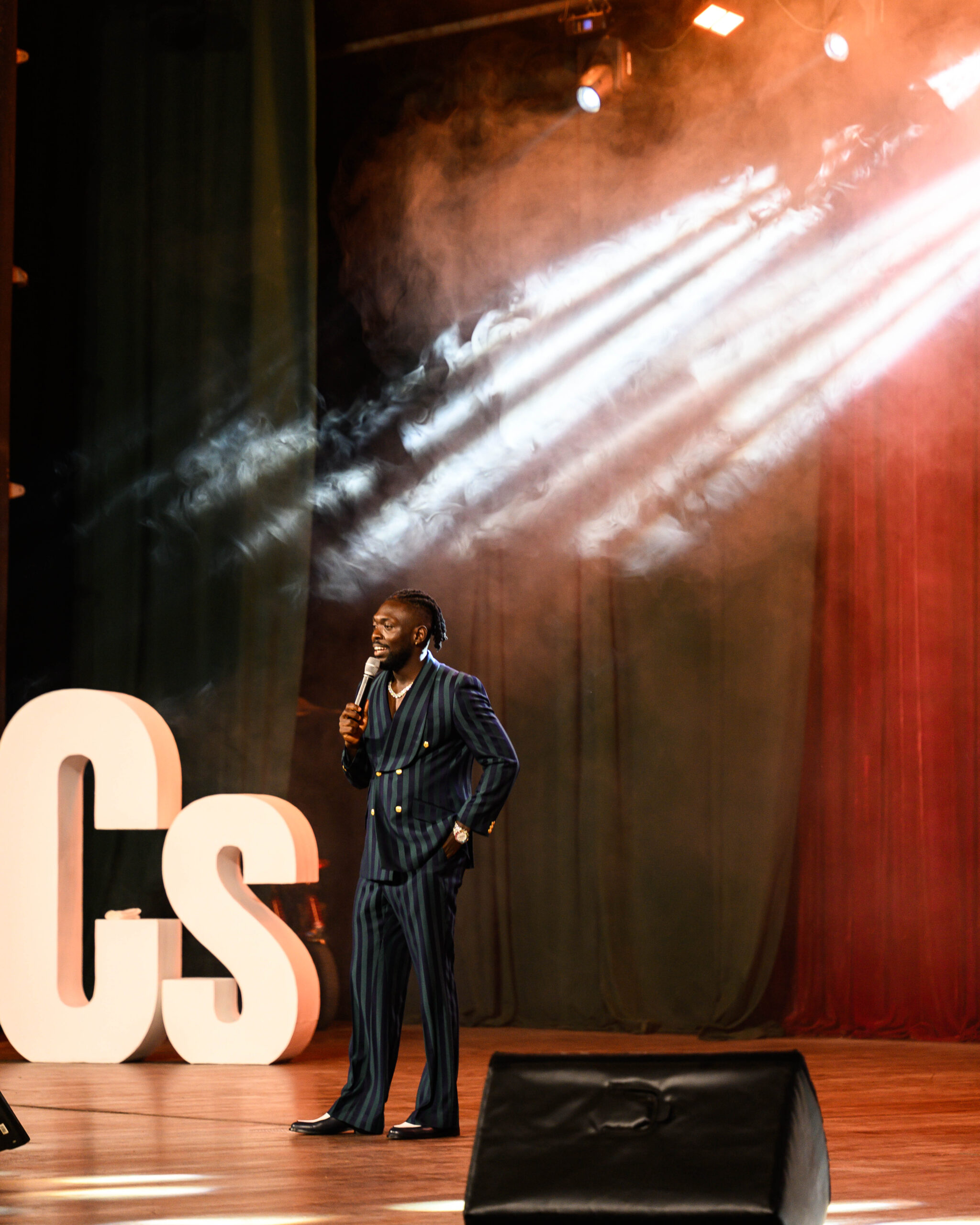
It was a night of fun and excitement as thousands converged at the National Theatre for Nana Osei Bonsu annual comedy special in Accra.
Themed: ‘Comfortably Struggling’, was built around his personal experiences, using humour to explore the realities, challenges and lessons that comes with everyday life.
The one-hour solid performance kept the audience engaged from start to finish, with his personal stories providing the foundation for a night of comedy and relatable storytelling.
Nana Osei Bonsu known in showbiz circles as MC Okokobioko told The Spectator Agoro that the show further cements his growing influence in Ghana’s comedy and entertainment space.
According to MC Okokobioko this years comedy show gives a summary about his personal life that even the struggles of life can become a reason for each and every one to laugh again.
The show featured an impressive line-up of Ghanaian and international comedians, including MJ The Comedian, Ranzy Ray, Talk Plenty, Parrot Mouth, Kweku Manu, Alphenomina, Jeneral Ntatia, Slim Saint from Nigeria and Papayaw Atamle who served as the MC for the night.
Best known as Africa’s Biggest Viral Wedding MC, he has successfully expanded that identity into stand-up comedy.
By Linda Abrefi Wadie
SKIP THE QUEUE, TAP THE NEWS
You can now read the Ghanaian Times and The Spectator newspapers from the comfort of your device via TimesNewsPlus.
Join our WhatsApp Channel: https://whatsapp.com/channel/0029VbBElzjInlqHhl1aTU27