News
2nd Lady Samira Bawumia grabs Climate Clock award

The Second Lady, Mrs Samira Bawumia, has received the pres¬tigious Climate Clock Award for her outstanding efforts in addressing the missing gap in climate conversa¬tions and empowering African women and children.
The aim was to raise awareness about how much time we have left to save our planet and to show how we can use this number to ignite climate action.
She was recognised by the Climate Clock Initiative (CCI) for her out¬standing contributions in organising the Africa Women and Children Con¬ference (AFRIWOCC), which served as a critical platform for stakeholders and experts to discuss issues concern¬ing women and children in Africa, bridging the gap in climate conversa¬tion.
The CCI is a global call for Clock Change Action, which is a clock that shows the time left for climate correction of a certain level and a symbol of urgency and action across the globe.
Receiving the Clock, Mrs Bawumia called on stakeholders to make con¬scious and deliberate efforts to create space for women and young people’s voices, especially on climate change, to be heard.
“You cannot make progress without leveraging the full resources of the majority of our population who are women and children, especially in decision making,” she said.
According to her, climate change was increasingly inducing migration and heightening political insecurity threats across the sub-region and further impacting economic stability, especially women and children.
She said climate action must be “holistic, inclusive and intersectional” in ad¬dressing the diversities and challenges faced by all, especially women and children, from differ¬ent backgrounds, includ¬ing those in rural areas, urban centres, indigenous communities and persons with disabilities.
Presenting the clock, a Climate Change Activist and Lead Organiser of Climate Clock Ghana, Ms Portia Adu-Mensah, commended the Second Lady for taking the right initiatives to raise aware¬ness and rallying public support for climate action.
“Mrs Samira Bawumia’s commitment to connecting African women, chil¬dren and leaders through the AFRI-WOCC creates an invaluable oppor¬tunity for marginalised voices to be heard,” she said.
She said climate change was an ur¬gent global challenge that demanded coordinated efforts from leaders and citizens.
Ms Adu-Mensah said climate change continues to pose unprecedented challenges; therefore there was the need to include everyone, especially women and children, in the discourse on climate change, striving towards a sustainable and equitable world for all.
She said there was the need to build capacity and raise awareness about the importance of their involve¬ment in climate change initiatives by encouraging women and children to take up leadership positions and promote their representation in the decision-making processes at regional and national levels.
Ms Adu-Mensah said providing financial support and opportunities to women-led and child-focused climate change initiatives was vital in em¬powering them to make a meaningful impact.
“As an advocate, I strongly believe in the importance of including the voices and perspectives of children and women in decision-making pro¬cesses. It is essential to equip them with knowledge and skills related to climate change, renewable energy, and sustainable practices, empow¬ering them to actively contribute to climate change action,” she said.
ByAgnes Opoku Sarpong


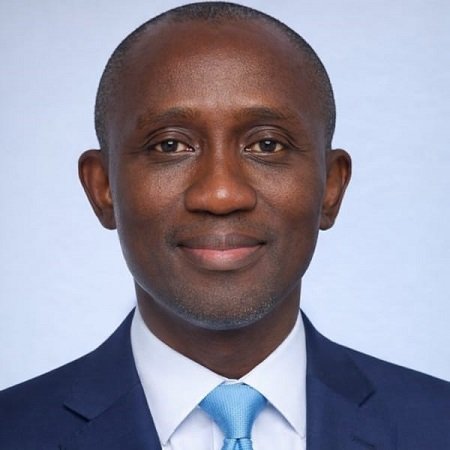
The Director of the Public Health Division of the Ghana Health Service (GHS), has urged Ghanaians to remain vigilant and observe good hygiene during the flooding and rainy season to prevent a cholera outbreak.
According to him, although flooding in some parts of the country has subsided, the risk of cholera remains because the conditions that promote the spread of the disease still exist.
“The risk of cholera still exists,” Dr. Asiedu-Bekoe said, explaining that cholera is closely linked to unsafe drinking water and poor sanitation.
Speaking on 3 FM on Thursday, he cautioned the public against becoming complacent a few days or weeks after the floods, stressing that people should continue to be careful about the food they eat and the water they drink.
“I want to urge Ghanaians to be careful what we eat and drink. Let’s not assume that because the flood came last week, we can lower our guard,” he said.
Dr. Asiedu-Bekoe noted that countries with access to safe drinking water and proper sanitation have largely eliminated cholera, adding that Ghana still has challenges in those areas.
He therefore advised the public to maintain high standards of personal hygiene, especially by washing their hands regularly with soap and clean water.
According to him, handwashing remains the most effective and affordable way to reduce the spread of cholera and other infectious diseases.
“The most cost-effective intervention is handwashing with soap and water,” he said.
According to him “That does not depend on whether there are floods or not. Make sure you wash your hands regularly with soap and water.”
He called on Ghanaians to maintain clean surroundings and practise proper sanitation to reduce the risk of disease outbreaks during the rainy season.
By: Jacob Aggrey
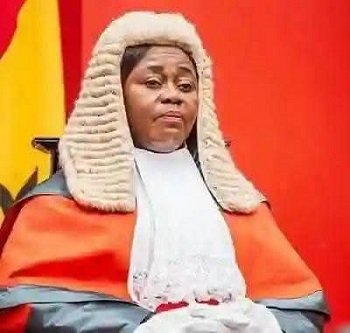
The Supreme Court has dismissed all four suits challenging the removal of Her Ladyship Justice Gertrude Torkonoo from office as Chief Justice.
The court delivered its rulings earlier this morning, ending the legal challenge at the domestic level.
This follows last week’s judgement by the ECOWAS Court, which also rejected applications seeking to overturn Justice Torkonoo’s removal.
Each of the four cases filed at the Supreme Court argued against the processes that led to Justice Torkonoo’s exit. The court, however, found no legal basis to grant relief and dismissed each application in its entirety.
In a brief statement by the Deputy Attorney-General Jusrice Srem-Sai after the rulings, he expressed appreciation to the legal team.
“Gratitude to our team of State Attorneys and members of staff,” he posted on Facebook, acknowledging their role in defending the state’s position through both ECOWAS and Supreme Court proceedings.
Background
Justice Gertrude Torkonoo was removed from office as Chief Justice following proceedings initiated earlier this year.
The move triggered multiple legal challenges, including four separate suits at the Supreme Court and petitions before the ECOWAS Court of Justice.
Both courts have now ruled against the challengers.
Last week, the ECOWAS Court dismissed the regional applications, and this morning’s Supreme Court decision closes the matter in Ghana.
By Edem Mensah-Tsotorme