Hot!
Domestic Debt Exchange: Potential financial sector impacts and mitigating safeguards

- /home/u249204778/domains/spectator.com.gh/public_html/wp-content/plugins/mvp-social-buttons/mvp-social-buttons.php on line 27
https://spectator.com.gh/wp-content/uploads/2022/12/Ernest-Addison-Pix.jpg&description=Domestic Debt Exchange: Potential financial sector impacts and mitigating safeguards', 'pinterestShare', 'width=750,height=350'); return false;" title="Pin This Post">
- Share
- Tweet /home/u249204778/domains/spectator.com.gh/public_html/wp-content/plugins/mvp-social-buttons/mvp-social-buttons.php on line 72
https://spectator.com.gh/wp-content/uploads/2022/12/Ernest-Addison-Pix.jpg&description=Domestic Debt Exchange: Potential financial sector impacts and mitigating safeguards', 'pinterestShare', 'width=750,height=350'); return false;" title="Pin This Post">
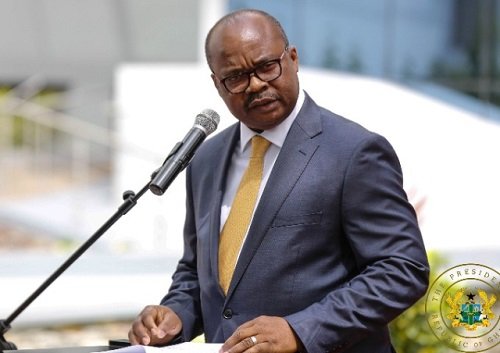
• Ernest Addison, Governor of Bank of Ghana
A. Background
ON December 5, 2022, the Government of Ghana launched Ghana’s Domestic Debt Exchange programme, an invitation for the voluntary exchange of approximately GHS137 billion of the domestic notes and bonds of the Republic, including E.S.L.A. and Daakye bonds, for a package of New Bonds to be issued by the Republic.
The Exchange excludes Treasury Bills in totality, and notes and bonds held by individuals (natural persons).
B. Potential Impacts on Debt Exchange on Financial Sector
Stress tests have been conducted by the relevant financial sector regulators to estimate the potential impact of the Debt Exchange for banks, specialised deposit-taking institutions (SDIs), insurance firms, asset managers, collective investment schemes, pension fund trustees, and regulated pension schemes, that could result from their participation in the debt exchange.
C. Regulatory Tools to Mitigate Financial Stability Risks from the Debt Operation
To help manage the potential impacts of the Debt Exchange on the financial sector, financial sector regulators will deploy all regulatory and supervisory tools to mitigate risks to financial stability. Regulators will assess impacts on a regular basis, and quickly address evolving risks in order to safeguard financial stability.
To support and encourage full participation of financial institutions in the voluntary debt exchange:
Regulatory Forbearance on Liquidity and Solvency
Financial sector regulators will temporarily reduce regulatory capital and liquidity requirements for regulated firms and schemes that voluntarily participate in the debt operation. Regulators will also suspend or delay any new rules that will have an adverse impact on liquidity or solvency. Each regulator will communicate more specific reliefs to its regulated firms/schemes in due course.
Ghana Financial Stability Fund (GFSF)
The GFSF is being established with a target size of GHC 15 billion to be provided by the Government of Ghana and its development partners.
The Fund will provide liquidity to financial institutions that participate fully in the Debt Exchange. All financial institutions (banks, SDIs, pension schemes, collective investment schemes, fund managers, broker/ dealers and insurance firms) that fully participate in the Debt Exchange can access the GFSF for augmented liquidity support, with effect from the date of completion of the Debt Exchange.
The Fund will be managed by the Bank of Ghana under unique operational guidelines being developed by the Financial Stability Council.
The Financial Stability Council will provide ongoing advice and oversight for the use of the GFSF.
Accounting Treatment
Regulators are already in discussions with external auditors of financial institutions and will provide guidance to ensure a standardized approach to the accounting treatment applied to the Debt Exchange.
D. Conclusion
In keeping with its mandate, the Financial Stability Council will continue to closely monitor the impacts of the Debt Exchange on financial institutions and on the financial system as a whole, as well as the effectiveness of the measures outlined above. These measures will be reviewed continuously and recalibrated as needed to ensure maximum effectiveness to safeguard the stability of our financial system and the protection of deposits, pensions, policy holders’ funds, and investor funds/assets.
The information above was issued by the Financial Stability Council on Wednesday, December 7, 2022. The Financial Stability Council was established in December 2018 by Executive Instrument, to “identify and evaluate the threats, vulnerabilities, and risks to the stability of the financial sector”.
The Council is chaired by the Governor of the Bank of Ghana, and has members from the Bank of Ghana (Deputy Governor), Ministry of Finance (Deputy Minister), Securities and Exchange Commission (Director General), National Insurance Commission (Commissioner), National Pensions Regulatory Authority (Chief Executive Officer), and Ghana Deposit Protection Corporation (Chief Executive Officer).


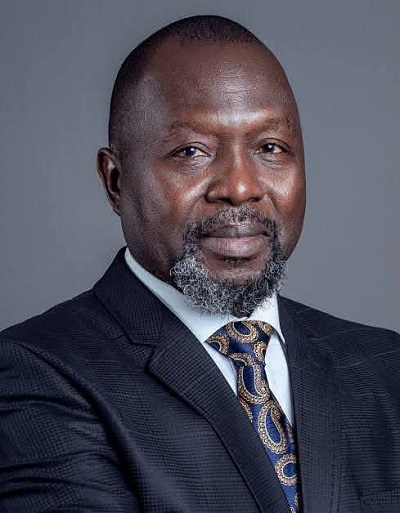
Attorney General and Minister for Justice, Dr. Dominic Ayine, has announced that the government has accepted the recommendation to abolish the death penalty and replace it with life imprisonment as part of the constitutional review process.
He said the proposed amendment would affect Articles 3, 13, 19 and 72 of the 1992 Constitution, with offences that previously attracted the death penalty instead carrying life imprisonment.
Dr. Ayine made the announcement on July 30, 2026, at the Jubilee House in Accra during the Government Accountability Series while outlining the government’s position on the final recommendations of the Constitution Review Committee.
According to him, the government believes the death penalty is inconsistent with the constitutional right to life and Ghana’s international human rights obligations.
He explained that the recommendation forms part of broader proposals aimed at strengthening the protection of fundamental human rights under the Constitution.
Dr. Ayine said the government had also accepted the spirit of several recommendations to expand rights relating to women, children, persons with disabilities, older persons and the youth.
He added that a comprehensive Human Rights Act would be introduced to protect these rights and provide detailed enforcement mechanisms instead of amending the entrenched provisions of the Constitution through a national referendum.
By: Jacob Aggrey
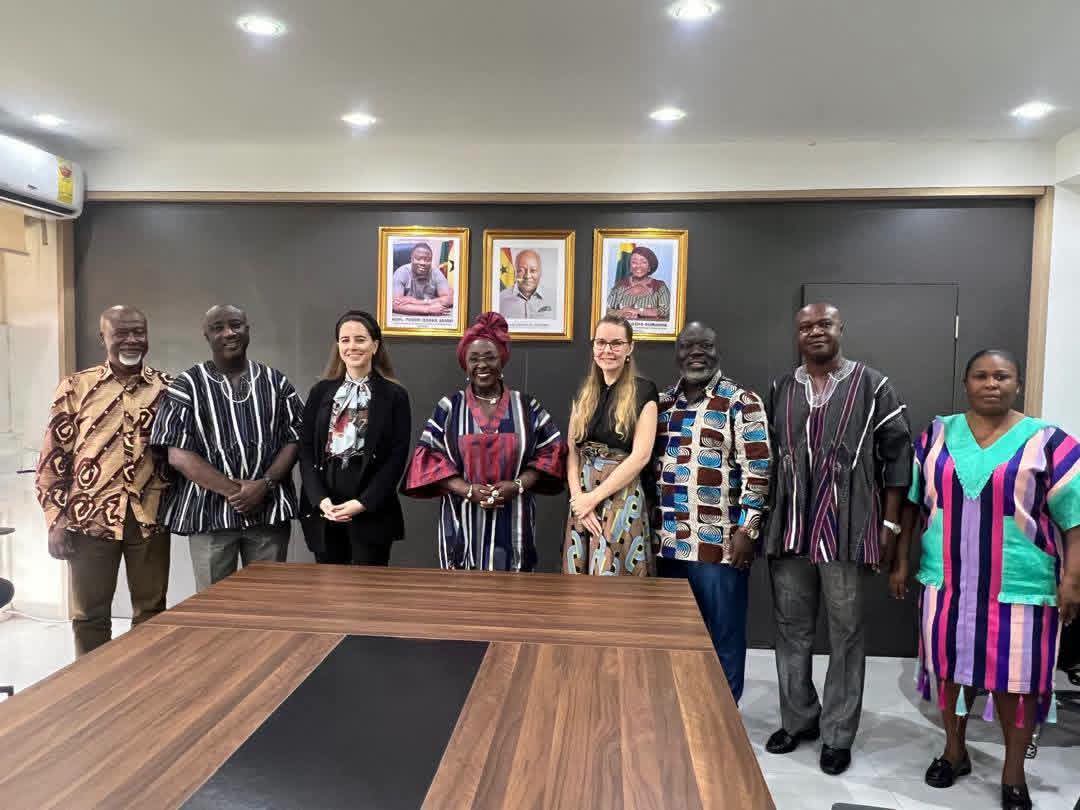
Minister for Tourism, Culture and Creative Arts, Abla Dzifa Gomashie, has called on both local and international investors to tap into opportunities in Ghana’s tourism, hospitality and creative industries.
Speaking in an interview yesterday with World Media USA Today, the Minister said government is committed to creating a conducive investment environment to support growth in the sector.
She highlighted key investment areas including hotels, fashion, music, film production, and tourism infrastructure.
Dzifa Gomashie also encouraged Ghanaians to invest in domestic tourism to help boost the local economy.
According to her, strategic investment in tourism and the creative economy will drive economic transformation, create jobs, and position Ghana as Africa’s gateway for heritage, culture, business and investment.
“Ghana has vast opportunities across tourism, hospitality and the creative industries. We are ready and open for business,” she stated.
The Minister’s remarks come as government intensifies efforts to leverage culture and tourism as drivers of economic growth and job creation.
By Edem Mensah-Tsotorme