Hot!
Ghana card database: 148,000 employees missing and multiple identities uncovered on payroll

- /home/u249204778/domains/spectator.com.gh/public_html/wp-content/plugins/mvp-social-buttons/mvp-social-buttons.php on line 27
https://spectator.com.gh/wp-content/uploads/2022/08/Bam-ghana-card.jpg&description=Ghana card database: 148,000 employees missing and multiple identities uncovered on payroll', 'pinterestShare', 'width=750,height=350'); return false;" title="Pin This Post">
- Share
- Tweet /home/u249204778/domains/spectator.com.gh/public_html/wp-content/plugins/mvp-social-buttons/mvp-social-buttons.php on line 72
https://spectator.com.gh/wp-content/uploads/2022/08/Bam-ghana-card.jpg&description=Ghana card database: 148,000 employees missing and multiple identities uncovered on payroll', 'pinterestShare', 'width=750,height=350'); return false;" title="Pin This Post">
Five hundred and thirty-three people on the Controller and Accountant-Generals Department (CAGD) payroll database have been found to have multiple identities.
In addition, 148,060 out of the about 601,000 employees on the database did not match any of the names on the national identification register, the Ghana Card database.
The Vice-President, Dr Mahamudu Bawumia, who made this known, said that was the outcome of the first phase of an exercise completed by the CAGD last week.
Addressing the opening of this year’s Internal Audit Conference organised by the Internal Audit Agency (IAA) in Accra yesterday, the Vice-President said the government would rely on the IAA to get to the bottom of the corruption associated with ‘ghost’ names on the government payroll.
The three-day conference, which is being attended by internal auditors from across the country, is on the theme: “Injecting fiscal discipline into resource mobilisation and utilisation for sustainable development: The role of internal auditors.”
“We were matching employees on the CAGD database with the Ghana Card ID and they completed the first phase last week. In all of cases of multiple identities, the employees have more than one CAGD’s accounts, with different employee numbers,” Dr Bawumia said.
“We are going to triangulate by checking from the Social Security and National Insurance Trust (SSNIT) biometric database to see how we can match all of these,” he added.
Corruption
The Vice-President said even if the 148,000 people on the CAGD database who had so far not matched anybody on the Ghana Card register had not yet registered for the Ghana Card, they should be paying SSNIT, since they were on the CAGD database.
“It is also possible that some of those without these matching biometrics could also have multiple employee accounts, but we have to see. I have heard of ‘ghost’ workers, I have never heard of ghosts who are twins or triplets,” Dr Bawumia said.
To cut waste from the compensation budget, he said, the government was also working with the IAA to eliminate ‘ghost’ workers from the government payroll.
In that regard, he said, all public institutions had been directed to submit headcount copies of their monthly salary validation report to the IAA and the CAGD by the 15th day of every month for validation.
He said the IAA would, in turn, follow up on those reports and authenticate the existence of the staff and connect their productivity to the remuneration being paid by the government.
Through that, the Vice-President explained, the government was taking steps to save a lot of money from ‘ghost’ names and pursue those who did not work but got paid.
These and other strategic measures adopted by the government, he said, were to ensure fiscal discipline in the financial systems of the country and anchor economic sustainability.
Revenue mobilisation
As part of revenue mobilisation efforts, the Vice-President said the government was embarking on key reforms, including widening the tax net to increase tax revenue.
“The holistic digitalisation of the public sector service delivery of key institutions, as well as working to develop an audit information management system for internal auditors across the country, is a measure to seal loopholes, prevent corruption and enhance value for money in public spending,” he said.
Internal auditors
Touching on the role of internal auditors, Vice-President Bawumia said their preventive role across the public sector had enhanced fiscal discipline and saved the nation millions of cedis.
He said by their advice and vigilance, public sector waste and abuses had been minimised, while annual infractions reported by the Auditor-General had seen some level of decline between 2019 and 2020.
Dr Bawumia said the government would continue to restructure and reposition public sector internal audit as an important public financial management institution to put public officers on their toes towards observing fiscal discipline in spending public funds.
Going forward, he said, all internal auditors would be brought under the management, administrative and technical control and supervision of the new Internal Audit Service (IAS).
“The bill to establish the IAS has been developed and will be considered by Parliament soon. If we are able to resource internal auditors well, external auditors will have nothing or less to report on.
“So if I were the head of any government entity, I would err on the side of caution and apply the preventive approach to corruption by resourcing internal auditors to enable them to give of their best,” Vice-President Bawumia pointed out.
Payroll cleaning
The Director-General of the IAA, Dr Eric Oduro Osae, said the IAA, working through its internal auditors, had ensured that payroll fraud, ‘ghost’ names, unnecessary expenditure and waste in the public sector payroll were being reduced gradually.
To that end, he said, the IAA was collaborating with the CAGD, under the umbrella of the Ministry of Finance, to clean up the payroll on a monthly basis.
Office allocation
Dr Osae commended the government for allocating an office to the agency.
He said the passage of the Internal Audit Service Bill would bring all internal auditors under a single unit to properly position the agency to fight corruption.
He appealed for the rationalisation of the salaries of internal auditors, particularly those with metropolitan, municipal and district assembles (MMDAs), adding that if the government wanted to fight corruption, it must resource internal auditors.
Moral values
The Chairperson for the conference, Prof. Olivia A.T. Frimpong Kwapong, stressed the need to inculcate moral values in both adults and the younger generation in relation to money.
“If we are able to contain that and are content to live within our means, we can be sure of fiscal discipline among all stakeholders for sustainable development,” she said.
Source: www.graphic.com.gh


Senior Lecturer at the University of Ghana’s Department of Political Science, Dr. Joshua Jebuntie Zaato says the imprisonment of the Ashanti Regional Chairman of the New Patriotic Party (NPP), Bernard Antwi Boasiako, popularly known as Chairman Wontumi, will have little meaning unless it leads to a broader crackdown on illegal mining.
In a post on his Facebook page on the July 21, 2026, Dr. Zaato said the judgment should mark the beginning of efforts to completely eradicate galamsey and hold all those involved accountable, regardless of their political affiliation.
He said the country must work towards restoring polluted rivers, protecting forests and ensuring that people implicated in illegal mining activities are prosecuted.
According to him, those the President has publicly acknowledged to be involved in galamsey should face prosecution.
He called for the prosecution of district chief executives (DCEs), members of Parliament (MPs) and senior political party officials who have been accused of engaging in or supporting illegal mining.
Dr. Zaato further urged the government to take decisive action to end the destruction of the country’s forests caused by galamsey.
He maintained that the imprisonment of Chairman Wontumi would only have a lasting impact if it results in a comprehensive and impartial fight against illegal mining across the country.
By: Jacob Aggrey

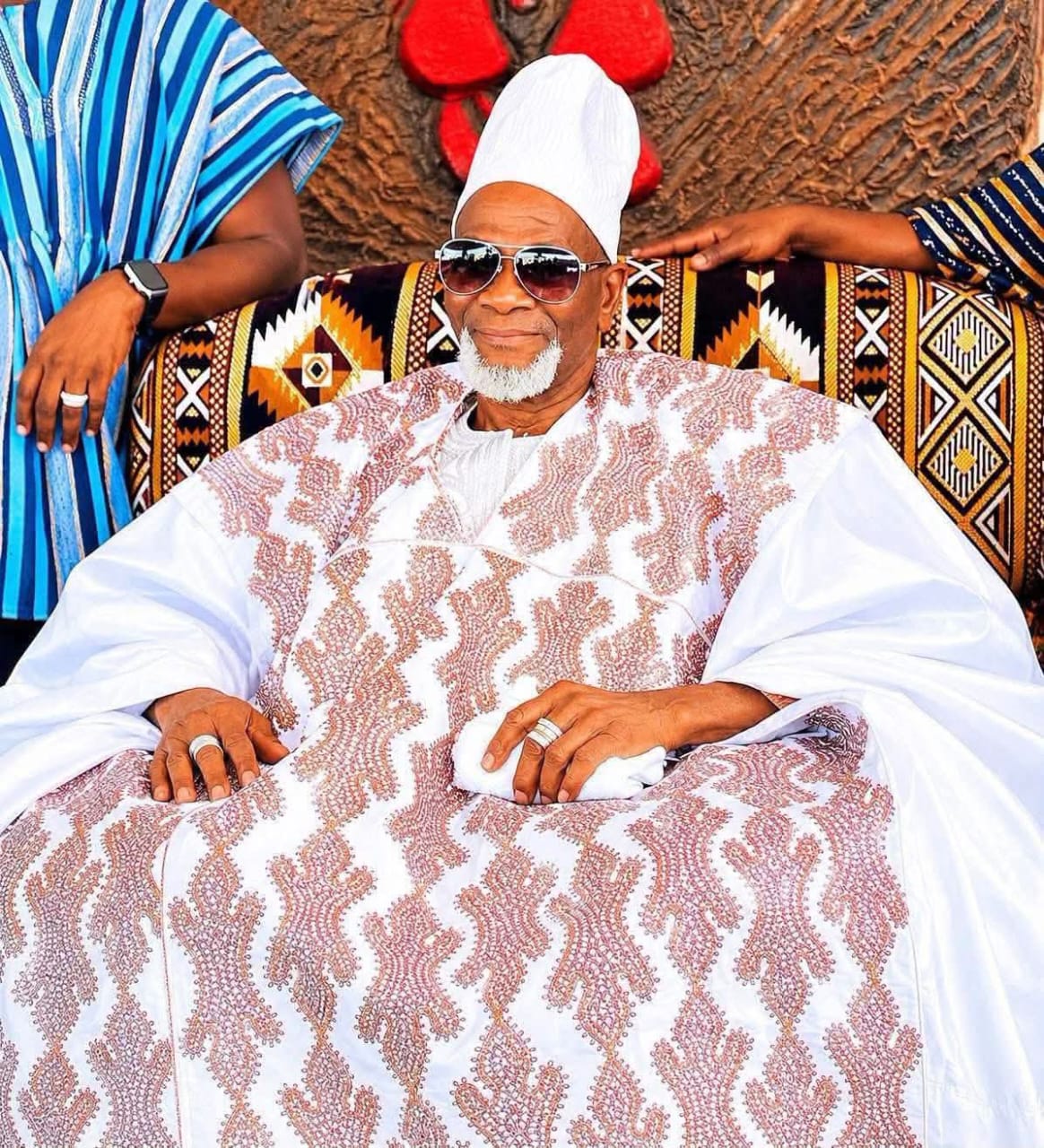
The Government of Ghana has expressed profound sadness over the passing of His Majesty Yaa Naa Abukari Mahama II, King of Dagbon.
In a statement issued on Monday, President John Dramani Mahama, on behalf of the Government, extended his deepest condolences to the Royal Family, the people of Dagbon, and the entire nation.
“The Government of Ghana has received with profound sadness the news of the passing of His Majesty Yaa Naa Abukari Mahama II,” the statement said.
President Mahama described the late King as a distinguished traditional ruler whose reign was defined by healing, reconciliation, and lasting peace in Dagbon following years of conflict.
The statement noted that His Majesty’s “unwavering commitment to unity, stability, and the welfare of his people created an enabling environment for development”and strengthened the partnership between traditional authorities and Government in advancing progress across Dagbon and Ghana.
The Government paid tribute to the life and legacy of Yaa Naa Abukari Mahama II, and honoured his invaluable service to the nation.
“May his wisdom, leadership, and dedication to peace continue to inspire future generations. May his soul rest in perfect peace,” the statement concluded.
The passing of Yaa Naa Abukari Mahama II marks the end of an era for Dagbon, which saw significant strides in unity and development under his leadership.
By Edem Mensah-Tsotorme