Hot!
70 years of photography …Keta through the lenses of self-taught master cameraman, FK Tagbor


Frank Kodzovi Tagbor, is a self-taught photographer who started photography as a hobby whilst still in elementary (now basic) school.
When he finished Standard 7 (today’s BECE) in 1952, after a couple of years at Anlo State School having spent most of his schooling years at Dzelukope RC School, he started professional photography from the Tagbor family home at Ashigame, Dzelukope.
His was what would be called today a ‘table-top’ enterprise as his studio was a table with the legs covered with cloth serving as his ‘dark room’ where he developed and printed the photos.

At 92, FK Tagbor, looking back with nostalgia, says today’s photography is no ‘work’, as it does not involve much creativity, with all the latest technological developments and modern gadgets in use.
Background
FK Tagbor, was born on January 13, 1930, at Ashigame, Dzelukope to Mr. Augustine Kodzo Tagbor and Madam Theresia Dueyeye Klokpa. His paternal grandmother was Madam Philipine Agbodzakey and the maternal grandmother, Madam Sarah Nagoti Mensah.
He started school at Dzelukope RC school but along the line started playing truant and dropped out of school to join a fishing company because he did not only love fishing but could also make good money through fishing as a young man.
But as fate would have it, he had to return to school after an incident at sea that nearly cost him his life. Out of embarrassment because his mates and juniors had become his seniors he decided to continue school at Keta RC instead of Dzelukope RC also because Dzelukope RC didn’t have a Middle School at the time.
So he had to take an entrance exam for Keta RC as most schools in the vicinity had only Primary sections and pupils from those schools had to compete for the few vacancies available at Keta RC. He passed the entrance exams alright but was not admitted to Keta RC.
Photography
Disappointed but not discouraged, he opted for Anlo State School and it was there that he completed his Middle School in 1952. He passed the then Standard 7 or Middle School Leaving Certificate.
Whilst at State School as a pupil, he bought a pinhole camera and started taking pictures of friends free of charge. He had the pictures developed at one, Mr. Adjorlolo’s studio at Keta.
His photography work was further enhanced by holiday jobs he undertook at the Keta Diocese’s printing press, St. Michael Press, within the St. Peter Claver Parish at Dzelukope. The press used to print both textbooks and religious material for the schools and churches under the Diocese.
After completion, he was fully employed at the St. Michael’s Printing Press. He first started as a handyman, doing cleaning, painting among other odd jobs. He was taught painting by a Reverend Father and moved on to become a binder as the press printed most of the schoolbooks, hymnals like Dzifomor, religious books (Dzifosafi) for the Keta Diocese.
It was a good job as wages were paid bi-weekly and even apprentices got monthly stipends (FK appreciated this gesture so much that when he also got apprentices, he was paying them stipends monthly too.)
Whilst at the Press he got access to some catalogues and saw some cameras on offer so he ordered a Billy One camera (a folding one) which in those days one could order from overseas and pay on delivery through the post (COD, Cash On Delivery—3 months for delivery) and so he took delivery of the camera after paying to the Post Office.
Commercial business
His real commercial photography took off from that point. This he did side by side with his work at the Press while the house at Ashigame, was his studio. One of his uncles, the late Emmanuel Tagbor took him to Accra and to a studio, JFC, where he would later take the pictures for development and printing, and have them posted back to him.
He was doing all these after work and at the weekends when he did not go to work at the press. Eventually, St. Michael Press had to shut down due to its dwindling fortunes, and government taking over the printing and distribution of textbooks.
Unemployed and with no more regular income from St. Michael’s Press, FK had to fall on his photography, as full-time job and income earner but no longer as part-time job.
FK started developing the films and printing them himself from his ‘studio’ at home. Under a table was his darkroom but he could only print small sizes at best, postcard sizes, himself.
In all these, he didn’t learn photography from anybody but relied on the manuals that accompanied the cameras and other equipment he bought.
Fame
Apart from individual contracts, from elementary and secondary schools like Spaco, ZICO, Anseco, Ketascho, Busco, St. Anthony’s Hospital, Dzodze, his fame and good work went ahead of him.
He moved his studio from the family home at Ashigame to the late John King’s house by the main road opposite PWD. This was his very first formal studio.
In a smart marketing move, he contacted, German manufacturers and suppliers of photographic material, ‘Agfa’, through their agent in Accra to use their brand name for his studio. “Agfa Photos”, which became the household name of his studio.
Some of the individual wedding engagements he could remember were, Mr & Mrs. Tehoda, Mr and Mrs. Tsikplornu, Mr & Mrs. Sebuava etc Family, church and political events became part of the main album/catalogue of Agfa Photos.
The master, self-taught photographer now had to look for apprentices. The first person he got was a lady, the late Stella Hugh-Tamakloe who went on to join the, Information Services Department and had a scholarship for further studies in photography abroad.
Overall, close to 30 apprentices learned at the feet of the legendary FK of Agfa Photos fame. However, Apart from his son, Christian, who has taken over the business, the only apprentice still in business is Mr. Moses Adzaho under the tradename, “Uncle Smiles Fotos”.
Indeed, Keta Municipal, and the whole of Southern Volta’s “sights” for close to 70 years are likely to have been captured through the fingers, eyes and lenses of FK Tagbor.
By Spectator Reporter


The professor who spends his days exploring the intricacies of African languages found himself at the centre of a different kind of lesson on Friday, October 2, 2026. 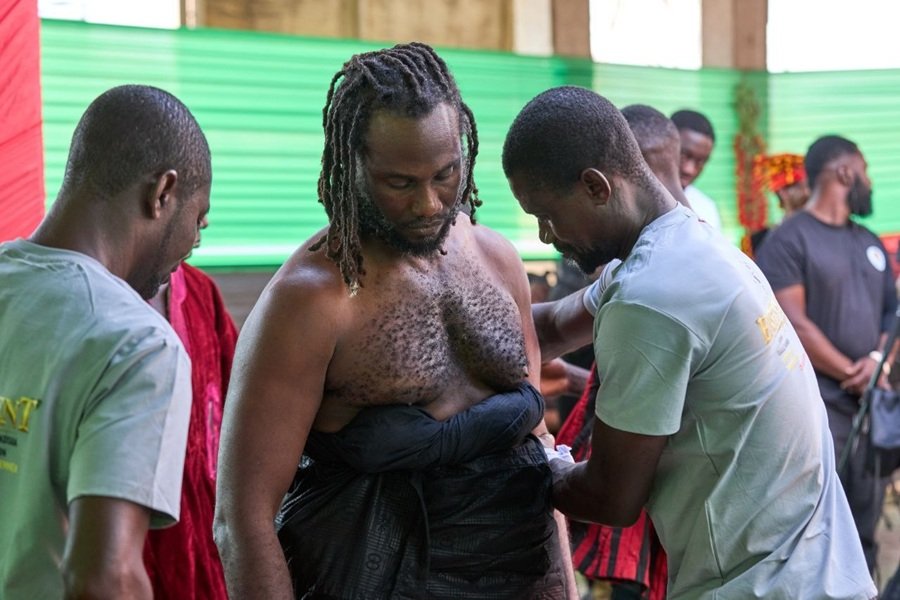
This time, there were no lecture notes, academic arguments or university classrooms. Instead, there was the weight of tradition, the rhythm of a community celebration and the solemnity of an oath at a royal palace.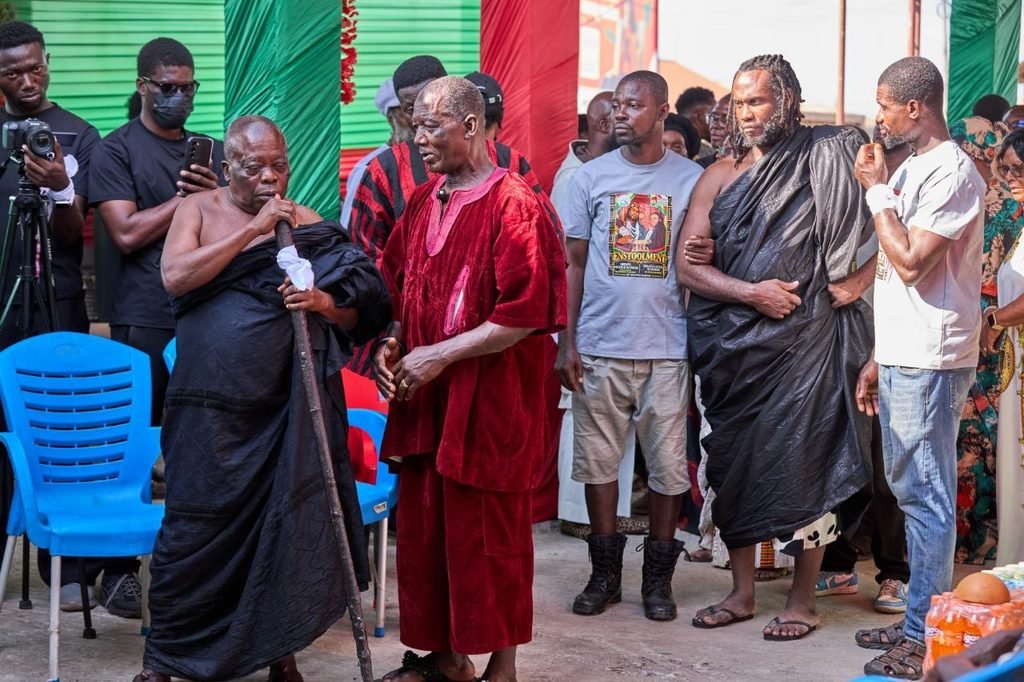
Professor Ọbádélé Kambon, a full Professor of African Linguistics at the University of Ghana, was enstooled as Apagyahene and Sunsum Ɔsahene of Akuapem Mampong in the Eastern Region in a ceremony that brought academia and traditional authority together.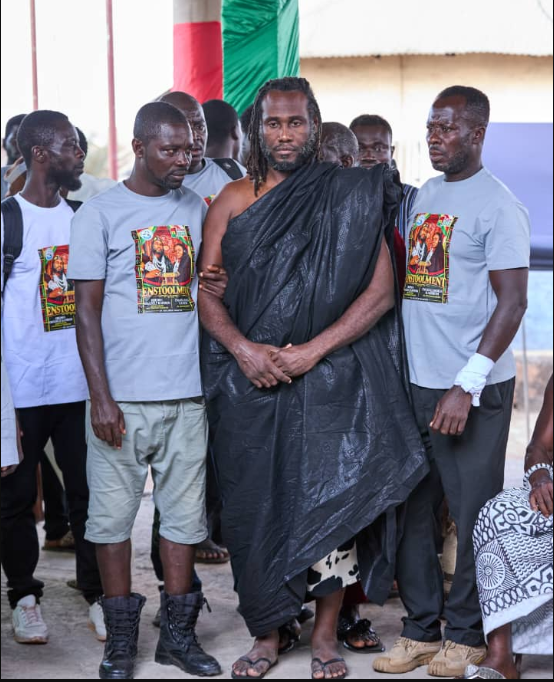
For the professor, the occasion was more than a new title. It was a moment that connected his academic interests in African languages and indigenous knowledge with the living traditions of an Akan community.
The day’s events unfolded through a series of customary observances. Kambon was first taken to the compounds of the Ɔkyeamehene and Gyasehene, where the preparations for his installation continued.
Then came the application of hyire, the white kaolin powder associated with traditional rites.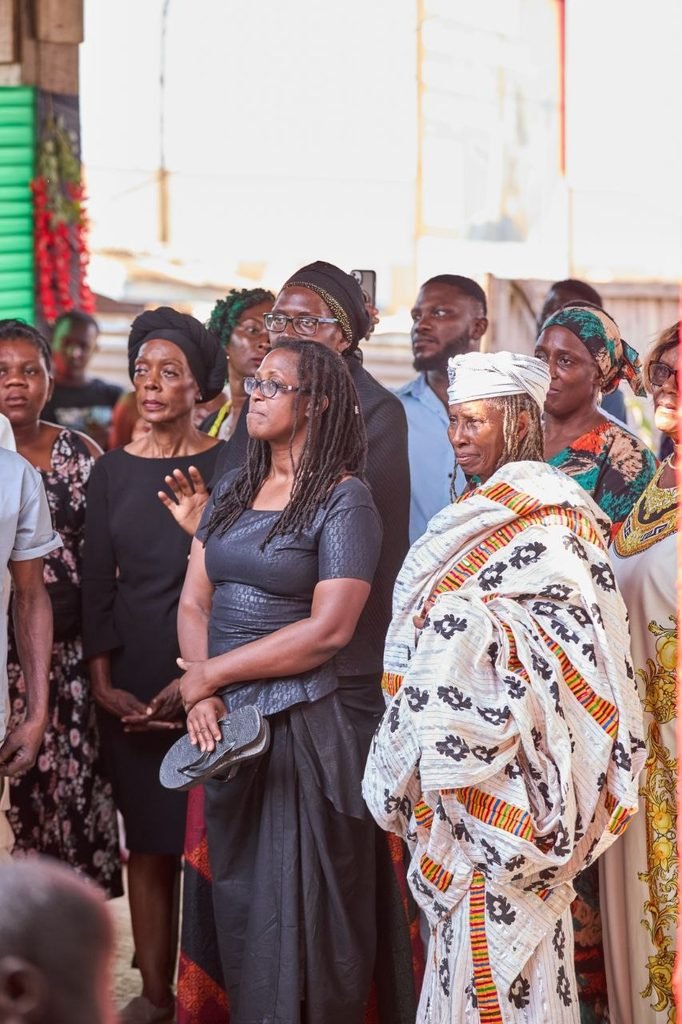
With the customary proceedings underway, the new chief was lifted onto the shoulders of celebrants and carried along the main thoroughfare of Akuapem Mampong.
The procession transformed the streets into a public stage for a ceremony rooted in the community’s traditional institutions.
There was something striking about the image, a university professor, accustomed to the measured language of academic discourse, being carried through the town in a display of traditional recognition.
Yet the celebration was not complete with the procession.
A ram was sacrificed at the Mamponghene’s compound before Kambon was taken to the palace, to swear the oath associated with his new offices.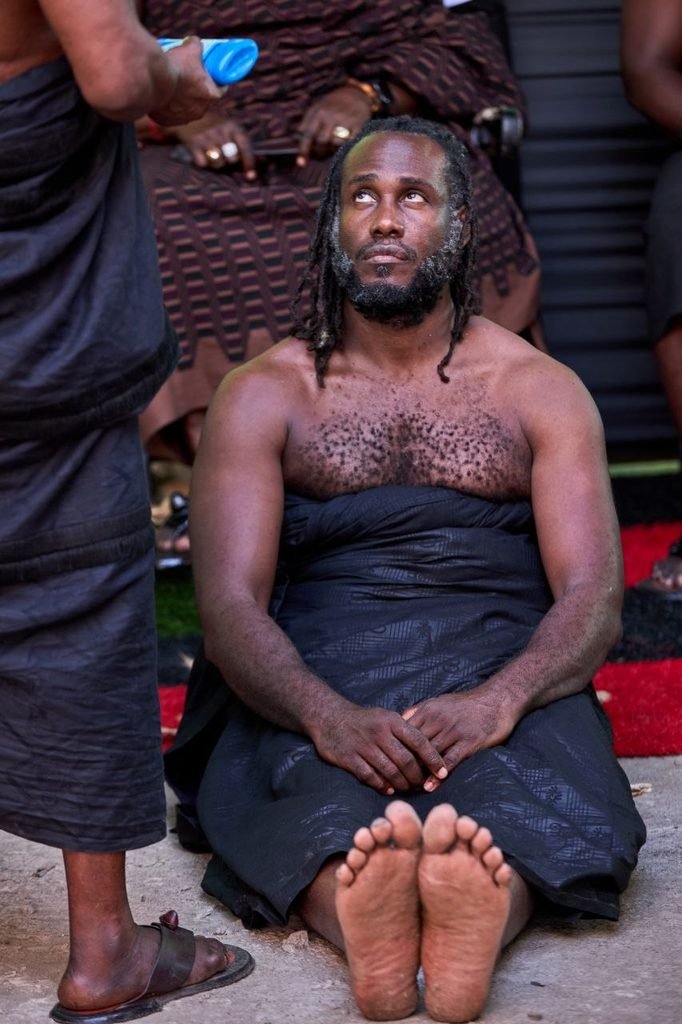

The ceremony brought him formally into his roles as Apagyahene and Sunsum Ɔsahene.
Beyond the colourful proceedings, the titles themselves carry layers of historical meaning.
Kambon in his research explores the historical connections between Apagya and Akan political and military organisation.
Accounts cited in his work linked Apagya to an asafo, or military company, while historical writing traces an Apagya stool in Asante to the reign of Opoku Ware I in the eighteenth century.
These historical associations offer a glimpse into the institutions that have shaped Akan society over generations, although they do not automatically define the precise responsibilities of the office in Akuapem Mampong.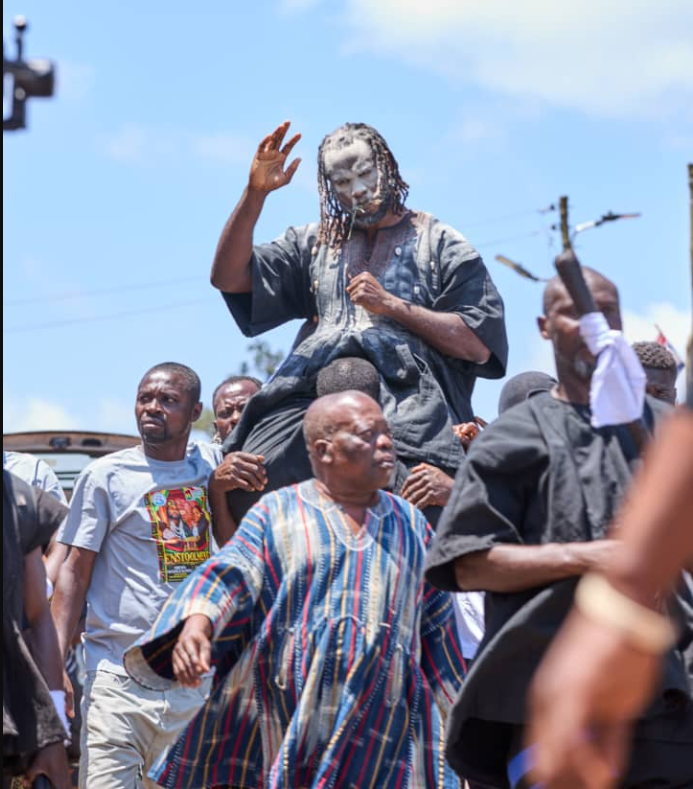
Kambon’s own professional life reflects a similar interest in preserving and examining African knowledge.
His work encompasses Akan language structure, naming practices across the Black world, proverbs and indigenous intellectual traditions.
Through Abibitumi, the platform he founded, he also promotes language learning, scholarship and cultural engagement.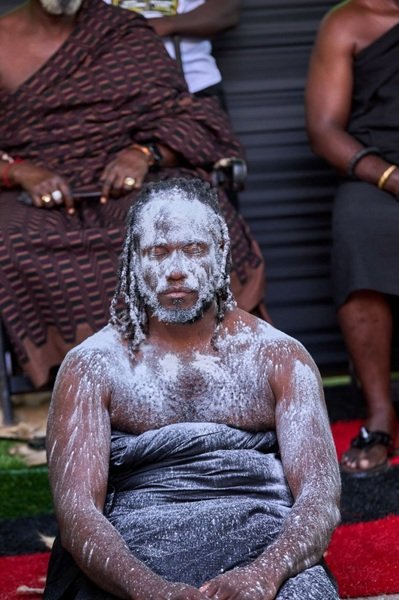
But tradition was only one part of the story that day.
When the formal ceremony gave way to a reception, the occasion expanded into a celebration of three milestones: Kambon’s enstoolment, his promotion to full professor and his daughter Ama’s admission to the University of Ghana.
The gathering therefore carried a personal significance that went beyond the honours bestowed on one man. 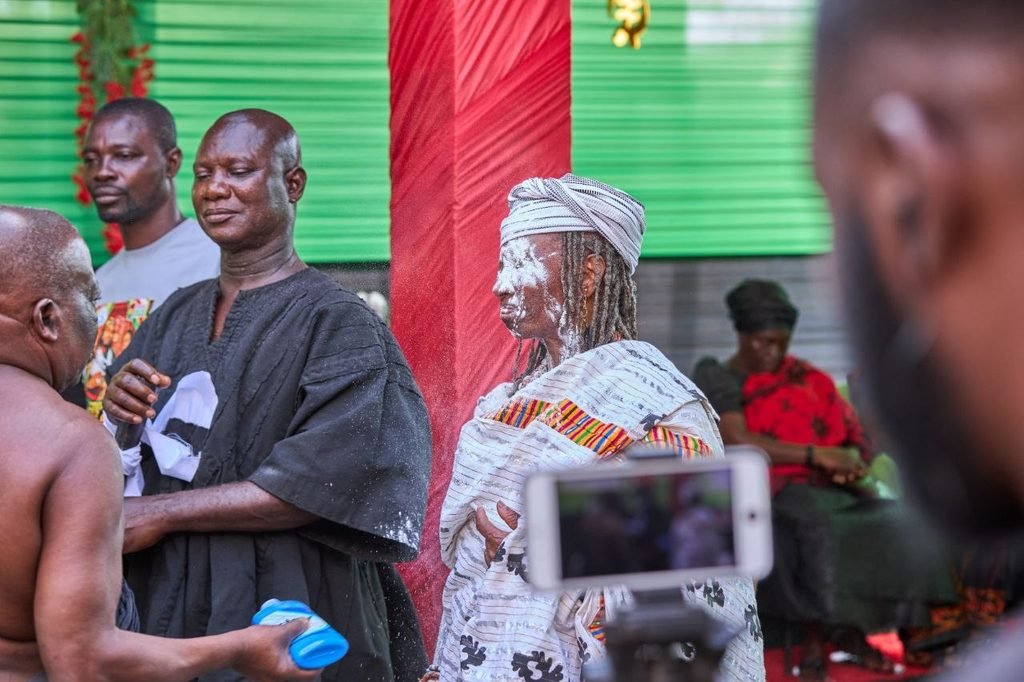
It celebrated professional advancement, the continuation of family aspirations and a connection to cultural heritage.
For a father, seeing a daughter gain admission to the same university where he holds a distinguished academic position offered another reason to celebrate.
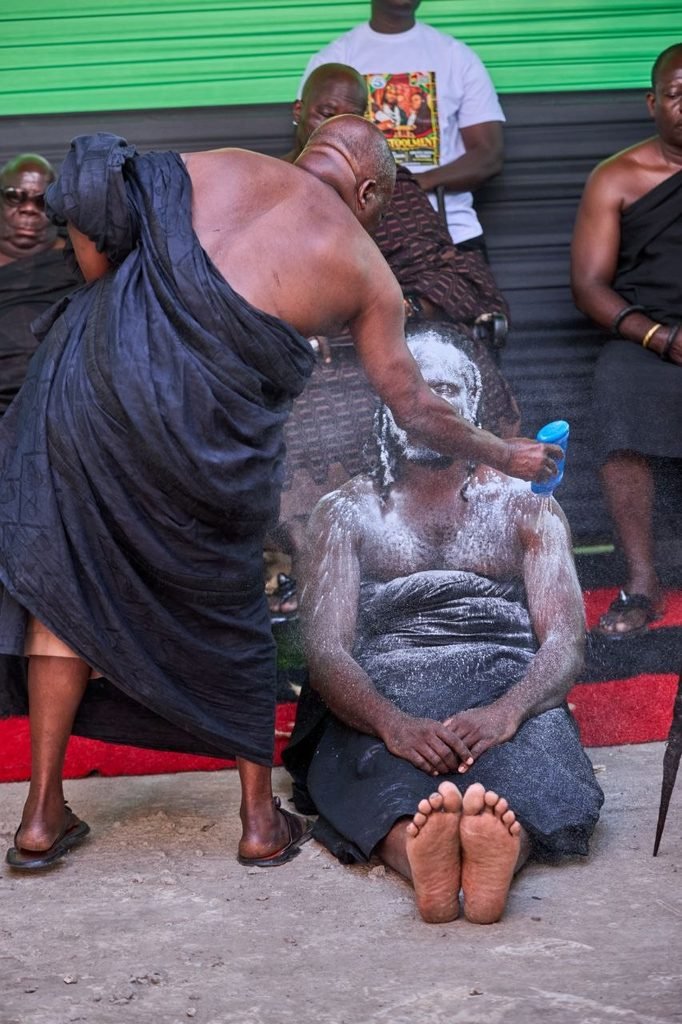
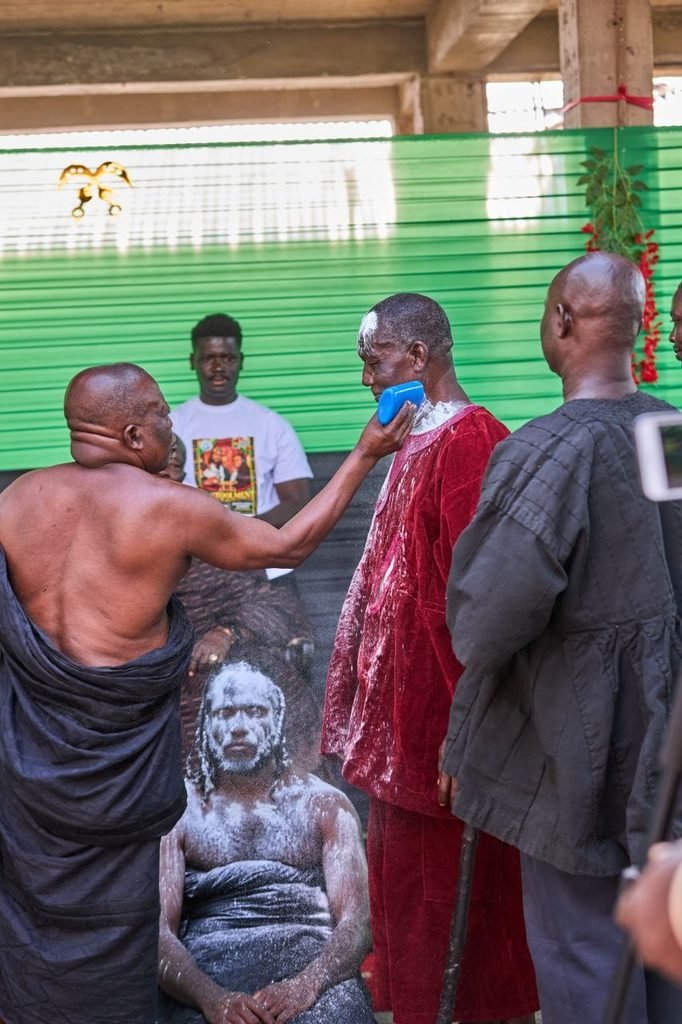
For the professor, the moment placed family achievement alongside his own professional and traditional milestones.
Kambon had already established a place in the traditional life of Akuapem Mampɔn through an earlier installation as Banmuhene Kyidɔmhene, recorded in 2017.
His latest enstoolment adds another chapter to that relationship.
In Akuapem Mampɔn, the day brought together the university, the palace and the family table in one celebration. And for Kambon, the journey from the lecture room to the traditional procession showed how scholarship, cultural responsibility and family achievement could converge in a single memorable occasion.
By Enoch Ntiamoah Siaw
SKIP THE QUEUE, TAP THE NEWS
You can now read the Ghanaian Times and The Spectator newspapers from the comfort of your device via TimesNewsPlus.
Join our WhatsApp Channel: https://whatsapp.com/channel/0029VbBElzjInlqHhl1aTU27

Intercity STC Coaches Limited has interdicted a driver captured in a viral video allegedly hitting a Sprinter bus during an overtaking manoeuvre at Pokuase before driving away from the scene.
In a public notice, the company described the driver’s conduct as unacceptable, stressing that it did not reflect the safety standards and professionalism it upholds.
Management said it had commenced an immediate investigation into the incident and identified the driver, who has been interdicted pending the outcome of the disciplinary process.
The company added that it was awaiting an official report from the Pokuase Police Command to help establish the facts surrounding the incident.
STC reaffirmed its commitment to passenger safety and responsible road use, while thanking members of the public for bringing the incident to its attention.
Management assured the public that appropriate action would be taken following the investigation.
By: Jacob Aggrey