Nutrition
You Are What You Eat: The Silent Power of Good Nutrition


- /home/u249204778/domains/spectator.com.gh/public_html/wp-content/plugins/mvp-social-buttons/mvp-social-buttons.php on line 27
https://spectator.com.gh/wp-content/uploads/2025/11/Eat-well-to-prevent-malnutrition.jpg&description=You Are What You Eat: The Silent Power of Good Nutrition', 'pinterestShare', 'width=750,height=350'); return false;" title="Pin This Post">
- Share
- Tweet /home/u249204778/domains/spectator.com.gh/public_html/wp-content/plugins/mvp-social-buttons/mvp-social-buttons.php on line 72
https://spectator.com.gh/wp-content/uploads/2025/11/Eat-well-to-prevent-malnutrition.jpg&description=You Are What You Eat: The Silent Power of Good Nutrition', 'pinterestShare', 'width=750,height=350'); return false;" title="Pin This Post">
They say, “you are what you eat.” But in Ghana, what we eat — and what we don’t — tells a much bigger story about health, inequality, and public policy.
Across the country, the double burden of malnutrition and lifestyle-related diseases is growing. In one home, a child suffers stunted growth due to poor nutrition; in another, an adult battles hypertension or diabetes linked to unhealthy eating habits. These are not just personal health problems; they are reflections of national nutrition governance.
Ghana has many well-intentioned nutrition policies and programmes, but implementation gaps and weak accountability continue to limit their impact. In many communities, the food served in schools lacks adequate protein or vegetables, even though guidelines exist. Street food vendors operate without nutritional standards, and nutrition education is still missing from most community health outreach programmes.
Nutrition should not depend on luck or privilege. It should be a right, guaranteed by systems that ensure access to safe, affordable, and nutritious food for all. That’s why experts are calling for stronger inter-ministerial collaboration between Health, Agriculture, Education, and Local Government — supported by adequate budget allocation to nutrition interventions.
At the household level, simple choices can make a difference — swapping fried foods for boiled ones, reducing sugar and salt, and adding more local vegetables and legumes. But without supportive policies such as subsidies for nutritious local foods, better agricultural extension services, and stricter regulation of processed food advertising, personal effort alone is not enough.
As Women, Media and Change (WOMEC) continues to advocate, good nutrition is not just a kitchen issue — it’s a governance issue. It requires leadership, public awareness, and sustained investment. Every policy that supports farmers, improves school meals, or enforces food labeling laws brings us closer to a healthier population.
In the end, a nation’s strength depends on what its people eat. Nutrition is not charity — it’s smart governance.
Feature Article by Women, Media and Change (WOMEC) under its Nourish Ghana: Advocating for Increased Leadership to Combat Malnutrition Project.
Join our WhatsApp Channel now!
https://whatsapp.com/channel/0029VbBElzjInlqHhl1aTU27

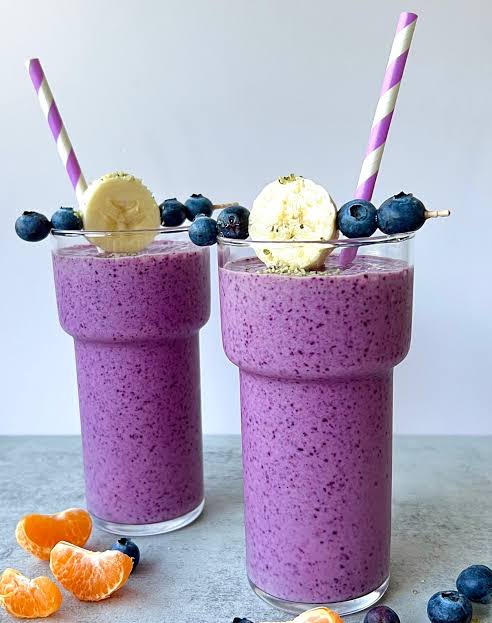
Ingredients
-1 cup of frozen blueberries
-1 medium of ripped banana (fresh or frozen)
-½ cup of plain or greek yogurt
-¾ cup of milk (dairy or plant-based)
-1 teaspoonful of honey or maple syrup (optional)
Preparation
-Wash all ingredients into a bowl
-Blend blueberries and banana.
-Add plain yogurt and cup of milk
-Blend on high speed until completely smooth and creamy.
-Pour into a glass and serve right away
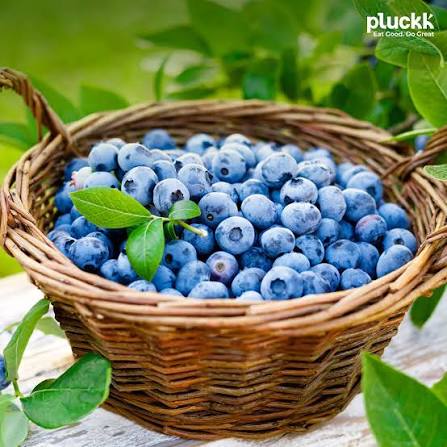
Blueberries have one of the highest antioxidant levels among commonly consumed fruit and vegetables. This is typically referred to as the ORAC score. They are extremely rich in naturally occurring plant compounds called phytochemicals, such as ellagic acid and anthocyanidins. These phytochemicals are responsible for the blue, indigo and red colouring of the berry. They have also been extensively researched for their protective properties.
-Controls blood pressure
Research has shown that anthocyanidins, which are found in berry fruits, supports the cardiovascular system. It supports the health of blood vessels and reducing the arterial stiffness associated with ageing. This is especially useful for post-menopausal women.
Reduce the risk of heart disease
The phytochemicals in blueberries have been seen to prevent oxidative damage to cholesterol. According to research rich in anthocyanins may help lower the risk of heart attacks.
-Regulates blood sugar
Blueberries are both low in sugar and a good source of fibre; as a result, they have a low glycaemic index (GI). This, together with their high flavonoid content, helpsimprove insulin sensitivity, which is important for managing blood sugar levels.
-Maintain eye health
Adding blueberries to diet regularly improve vision and guard against age-related macular degeneration. It improves blood and oxygen flow to the eyes, and the antioxidant protection help to reduce the likelihood of cataract and macular degeneration.
-Reduces gastrointestinal symptoms
Studies suggest the polyphenol and fibre content of blueberries help relieve gut symptoms and improve general well-being in those with abdominal symptoms from gut disorders.
– Ease urinary tract infection symptoms
Many people turn to berries such as cranberries to help prevent urinary tract infections (UTI). Blueberries contain similar compounds to those in cranberries. These compounds may help prevent the bacteria responsible for UTIs from adhering to the bladder wall.
-Reduce muscle damage after exercise
Strenuous physical activity or exercise may lead to soreness and inflammation. Consuming blueberries in a smoothie, for example, before and after such an event may help promote recovery and reduce inflammatory markers.
-Promote healthy ageing
A number of studies suggest that both whole blueberries, their juice and the concentrated powdered form may help reduce oxidative damage. Such damage is an inevitable part of everyday life, but is a key driver in ageing and the development of disease.Bbc.com

 Entertainment1 week ago
Fiifi Coleman Productions adapt ‘I Told You So’ stage play into feature film
- News6 days ago
48 Engineer Regiment to be major sub-contractor on Accra-Kumasi Expressway, $2bn ready- Prez Mahama
- Entertainment6 days ago
Rhythms On Da Runway returns November 28 with 16th edition themed ‘Unbound’