News
Women Empowerment… Perspectives of prominent women in Ghana

Akosua Frema Osei-Opare
Women empowerment in Ghana has made significant strides over the years with both government and non-governmental organisations playing key roles in achieving it.
Women’s equality and empowerment is one of the 17 Sustainable Development Goals (SDG), but also integral to all dimensions of inclusive and sustainable development.
Women and girls, everywhere, are entitled to equal rights and opportunity, and be able to live free of violence and discrimination.
The SDG five states that “achieve gender equality and empower all women and girls,” and it is well-known for all countries to achieve this by 2030.
The Spectator this week looks into the perspective of some prominent women in the land and how they have or hope to achieve the SDG goal five in Ghana.
Rebecca Akufo-Addo
During the commemoration of this year’s International Women’s Day (IWD) on March 8 this year, the First Lady, Mrs Rebecca Akufo-Addo, stressed the need to engage in dialogue and reflect on societal progress in dismantling barriers that hinder women’s empowerment.
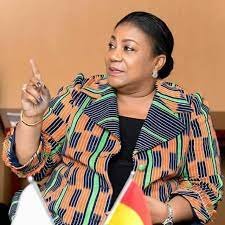
She explained that although there had been significant progress over the years, there was still much work to be done, adding that “we all look forward to the day where no one is discriminated against or limited because of their gender.”
This year’s IWD is on the theme: “Invest in Women: Accelerate Progress” with a focus on addressing economic disempowerment, while the campaign theme for this year is “Inspire Inclusion.”
Over the years, Mrs Akufo-Addo said, her office had provided a platform for women to share their stories, addressing achievements, challenges, and recommendations. This initiative aimed to shed light on the journey towards gender equality.
In April this year, she said women empowerment must go beyond advocacy and policy. She said it must focus more on changing mindsets and stereotypes.
According to her, “empowerment is more than policies and programmes, it’s a mindset change. It is about challenging outdated stereotypes, dismantling patriarchal structures, and fostering a culture of respect and equality.”
The First Lady said this at an event to celebrate women put together by Pascal Gally, a play maker.
She said the new approach would induce change, and promote more inclusiveness which would position countries globally to reap more benefits.
“Multiple studies show that trillions of dollars can be added to global growth by advancing gender empowerment. Empowering women is not just a moral obligation, it is an economic and social imperative. When women are empowered, economies thrive, communities prosper and societies flourish,” she stated.
Akosua Frema Osei-Opare
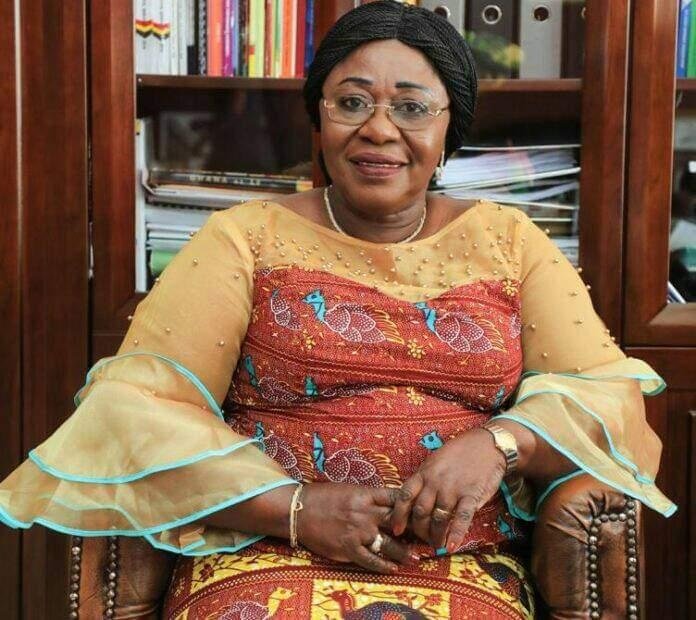
The Chief of Staff, Akosua Frema Osei-Opare, expressed belief in the power of women, stating, “Wherever there is a woman, there is a possibility. There is no force so powerful than an empowered woman.”
She lauded Ghanaian women for the critical role they play in driving Ghana’s digital transformation.
Addressing the gathering of female CEOs, entrepreneurs, and innovators, Mrs Osei-Opare in April this year underscored the undeniable impact of technology in reshaping industries and societies.
She also spoke at the 7th Ghana Female CEOs Summit, held under the theme “Leading Ghana’s Digital Renaissance: Women CEOs Shaping the Future of Business and Innovation.”
Mrs Osei-Opare acknowledged the persistent gender disparities that persist in the business world, particularly within the technology sector.
She highlighted the barriers women face in accessing resources, opportunities, and leadership positions, hindering the realisation of their full potential.
Calling for collective action, Mrs Osei-Opare urged attendees to redouble their efforts in promoting gender equality, fostering inclusive environments, and breaking down barriers that hold women back.
She stressed the importance of creating ecosystems that empower women to thrive, innovate, and lead with confidence.
“Let us seize the opportunities that the digital age presents, harness the power of technology to drive meaningful change, and ensure that women are not just participants but change leaders in shaping the future of business and innovation in Ghana and beyond,” the Chief of Staff said.
She encouraged women to embrace their unique strengths, pursue their passions relentlessly, and recognise the significant impact they can make in driving societal advancement.
Mrs Frema Osei-Opare has served as a beacon of hope for women and has been a staunch advocate for market women, professionals and entrepreneurs, recognising their invaluable contributions to the country’s economy.
By championing their rights and interests, Madam Osei-Opare has sought to create an enabling environment for them to succeed and prosper.
Prof. Naana Jane Opoku-Agyemang
Professor Naana Jane Opoku-Agyemang, reemphasised the crucial role women play in driving economic growth and development of the country, and pledged to champion initiatives that would provide greater opportunities for Ghanaian women entrepreneurs.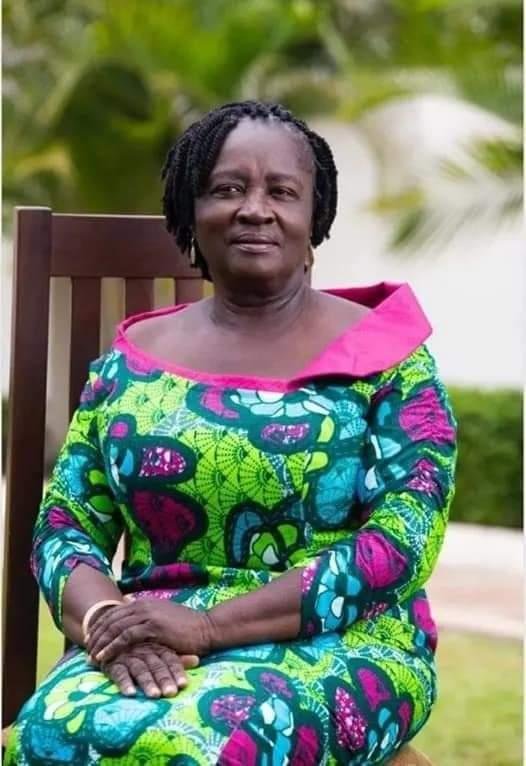
Professor Opoku-Agyemang during her official unveiling as the running mate for the National Democratic Congress (NDC) in Accra reiterated that women do not need handouts; they need opportunities to work hard and become successful, just like men.
“Women are the backbone of our society, and it is time we recognise their immense contributions and empower them to reach their full potential. As the next Vice President of Ghana, I will work tirelessly to ensure that women in this country have access to the resources, training, and support they need to succeed in business and become leaders in their communities,” she stated.
Professor Opoku-Agyemang explained that the bank would provide access to capital for women entrepreneurs, who are often underserved by traditional financial institutions.
“Women entrepreneurs must have access to capital for the entire sector to boost their businesses. That is why we will actively pursue the establishment of a Women Development Bank to nurture and grow women-owned, women-led businesses,” Professor Opoku-Agyemang.
She added that the vision for the Women Development Bank was to have a fully represented board, comprising trading associations and cooperatives that will make decisions and be accountable to its members.
Professor Opoku-Agyemang also highlighted the positive impact of women’s prosperity on families and communities, including increased stability, peace at home, and reduced dependency on financial support.
Referencing the achievements of entrepreneur Esther Ocloo, Professor Opoku-Agyemang encouraged the revival of the dreams and actions of successful entrepreneurs as models for aspiring business owners and underscored the need to support and appreciate those who participate in the private sector, regardless of personal preferences or biases.
She called for an end to the ‘killing of dreams’ of successful women entrepreneurs and called for encouragement, appreciation, and support for those participating in the private sector.
“Market women deserve the benefits of a clean, modernised marketplace and effort should not be limited to the Kejetia or Kotokoraba markets,” she said.
By Jemima Esinam Kuatsinu





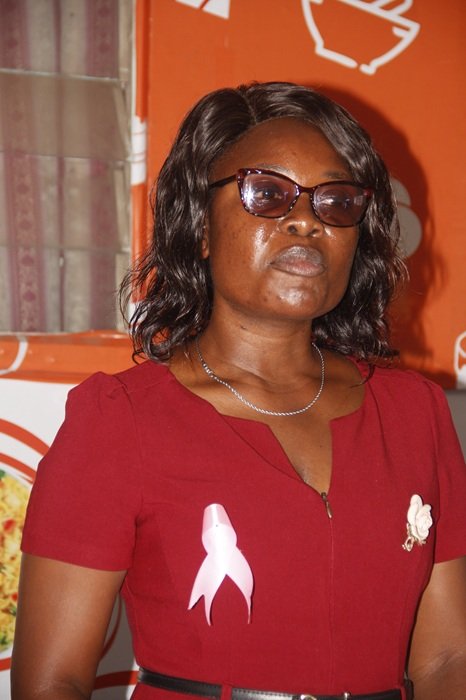
Medical Doctor and dietician, Dr Bernice Korkor Asare, has urged women to take greater responsibility for their lifestyle choices, particularly their eating habits and levels of physical activity, to help reduce their risk of developing breast cancer.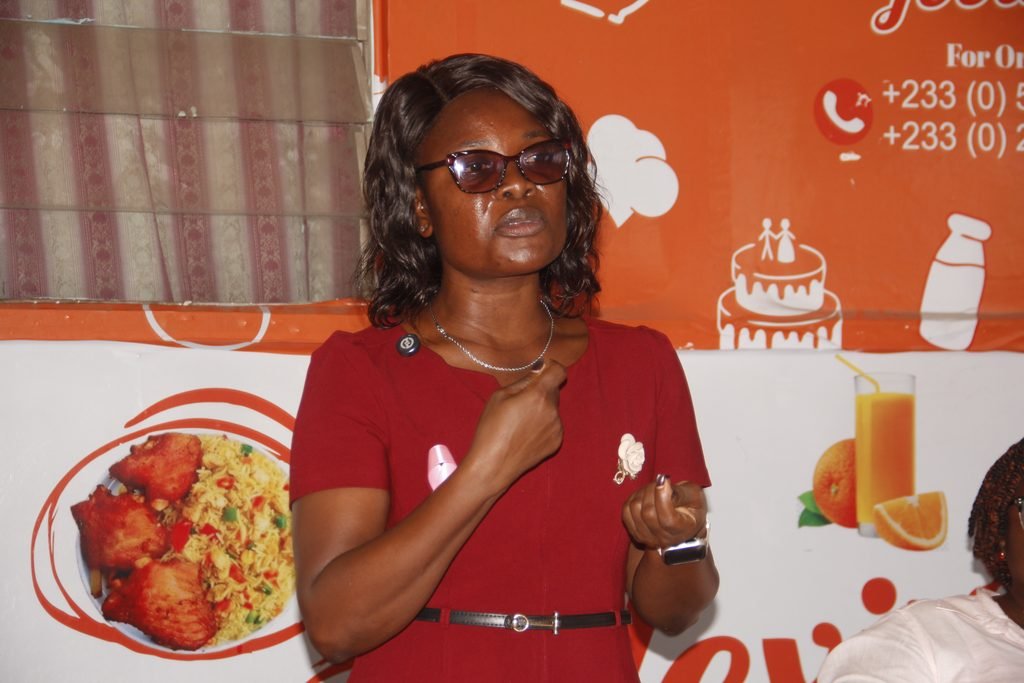
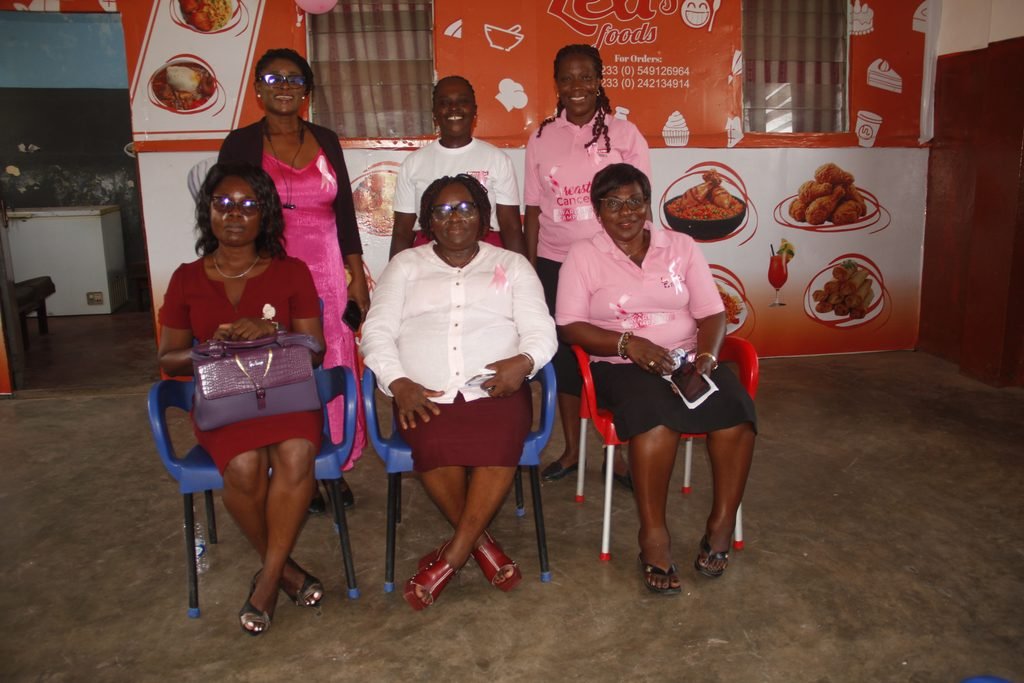
According to her, although, some breast cancer risk factors, such as family history and certain reproductive factors, may not be within an individual’s control, lifestyle choices offer an opportunity for people to take preventive action.
She made this known during a talk on the topic: “Role of diet in breast cancer prevention” organised by Times Ladies Association of the New Times Corporation, publishers of The Ghanaian Times and The Spectator, in Accra on Thursday.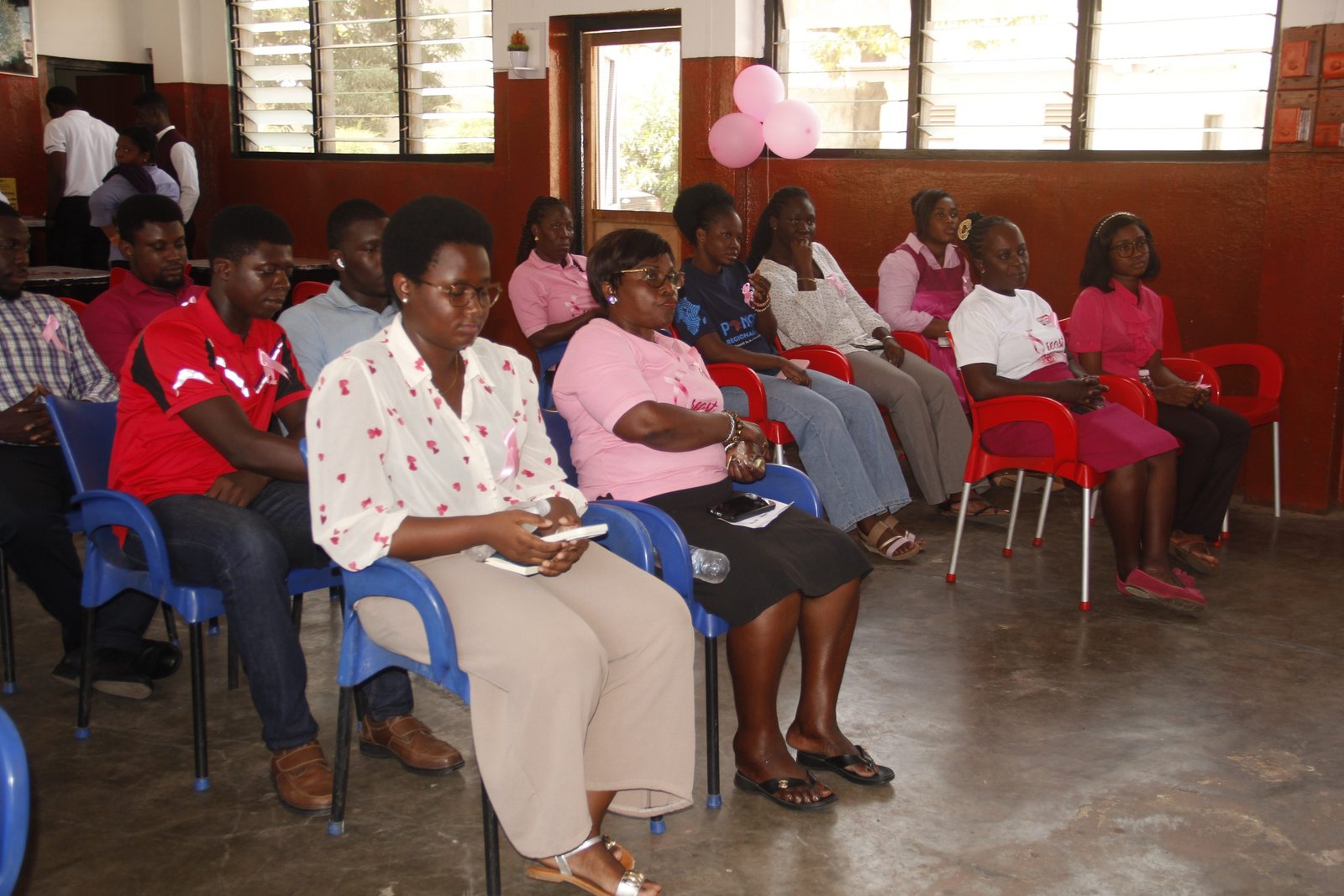
The event themed “Breast Cancer Awareness- Promoting Early Detection, Healthy Eating and Prevention.” 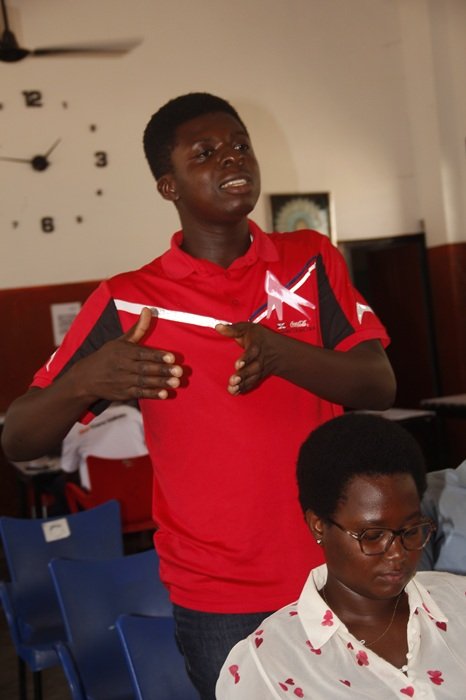
She noted that having a risk factor did not automatically mean a person would develop breast cancer, but could increase the likelihood of developing the disease compared with someone without that particular risk factor.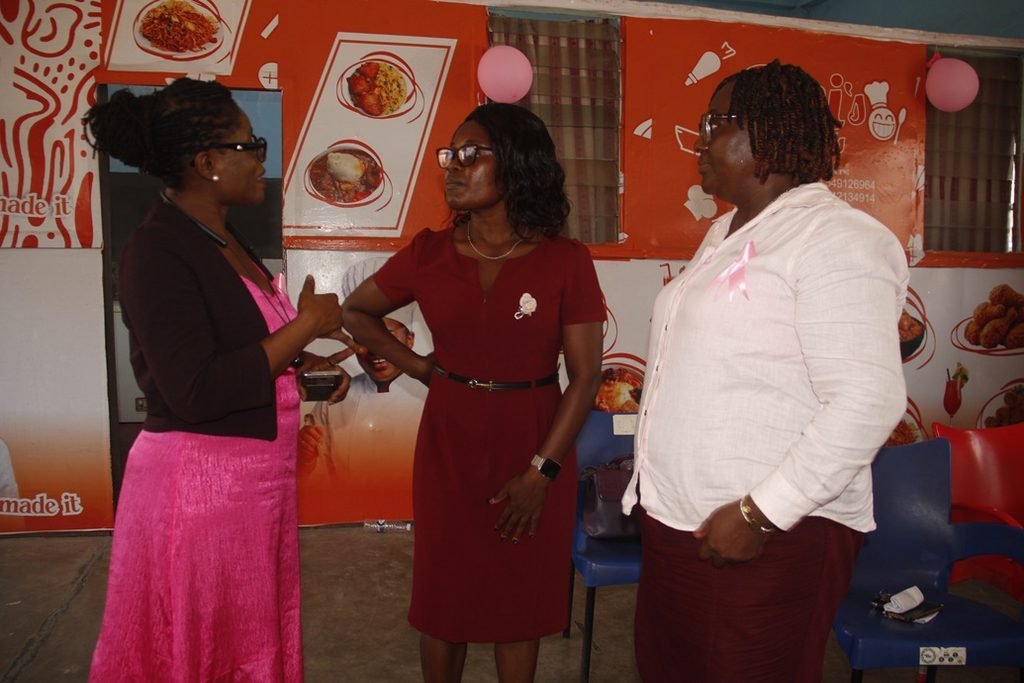
“Having close relatives who have had breast cancer, particularly a mother, sister or daughter, may increase the risk, although not everyone with a family history will develop the disease,” Dr Asare opined. Read More.
By Adizatu K. Munkaila
SKIP THE QUEUE, TAP THE NEWS
Read Daily News
You can now read the Ghanaian Times and The Spectator newspapers from the comfort of your device via TimesNewsPlus.
Buy Maps
Join our WhatsApp Channel: https://whatsapp.com/channel/0029VbBElzjInlqHhl1aTU27
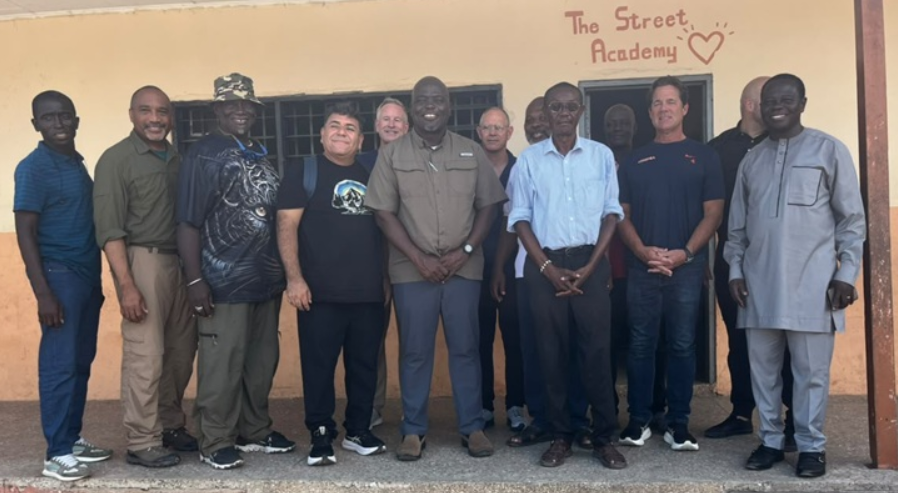
A group of compassionate friends from Innovation Gospel Impact last Friday visited the management, teachers and learners of the Street Academy in Accra.
The visit was to interact to get a deeper insight into the operations of the Academy that houses hundreds of street and underprivileged children and find ways to support them.
The team was led by Rev. Dr Isaac Apenteng Yeboah, a former Director for West African Mailbox Club and Director for Prisons Support Foundation, and Rev. Dale Sutherland from Washington DC.
The call, according to the visitors was occasioned by reports about the struggles of the Academy despite the occasional support it enjoys from individuals and some corporate entities.
Briefing them, the Founder and Executive Director of the Academy, Dr Ataa Lartey, thanked them for the concern showed, indicating that “this is a major boost for both teachers and learners; knowing that their plight is known by people outside their premises.”
According Dr Lartey, the Academy had planned to undertake a number of project to enhance teaching and learning and also procure facilities for the children with keen interest in sports but had to shelve those plans for lack of finance.
He told the team that their biggest concerns were the monthly utility bills that takes a toll on their finances.
“We have a piece of land we planned to turn into an astro turf pitch to train the younger ones whose interests lies in making a career out of football, however, we have been unable to commence because there is no money now,” he said.
Dr Lartey expressed gratitude to the teachers who have dedicated their lives to training these children, rather than going for well-paying jobs and hoped that with time, their conditions of engagement would improve.
Moved by the plight of the Academy, the group donated a cash amount of Gh₵3,000 to settle its water bills.
They described as unfortunate the conditions of learners and teachers of the Academy and pledged to continuously support their operations to realize the dream to build a better future for the unfortunate children.
The group offered to support the school with its monthly utility bills, feeding and staff allowance and urged the Academy staff to remain in constant touch with them.
The Street Academy is located at the Accra Art Center and offers brilliant but needy the chance to pursue their educational dreams by enrolling them in public schools with others offered training in sports and cultural activities.
By Spectator Reporter
SKIP THE QUEUE, TAP THE NEWS
You can now read the Ghanaian Times and The Spectator newspapers from the comfort of your device via TimesNewsPlus.
Join our WhatsApp Channel: https://whatsapp.com/channel/0029VbBElzjInlqHhl1aTU27