Hot!
WA brainstorms to counter violent extremism


- /home/u249204778/domains/spectator.com.gh/public_html/wp-content/plugins/mvp-social-buttons/mvp-social-buttons.php on line 27
https://spectator.com.gh/wp-content/uploads/2021/11/Chief-Superintendent-Reynolds-Manteaw-speaking-at-the-forum.jpg&description=WA brainstorms to counter violent extremism', 'pinterestShare', 'width=750,height=350'); return false;" title="Pin This Post">
- Share
- Tweet /home/u249204778/domains/spectator.com.gh/public_html/wp-content/plugins/mvp-social-buttons/mvp-social-buttons.php on line 72
https://spectator.com.gh/wp-content/uploads/2021/11/Chief-Superintendent-Reynolds-Manteaw-speaking-at-the-forum.jpg&description=WA brainstorms to counter violent extremism', 'pinterestShare', 'width=750,height=350'); return false;" title="Pin This Post">
The Upper West Regional Crime Officer of the Ghana Police Service, Chief Superintendent Reynolds Manteaw has encouraged community members to form watch committees to complement the efforts of the police in ensuring security in the region.
He indicated that though security forces in the country were putting the best strategies in place to protect the citizens, they would need the collaboration of all in order to make their mandate more feasible.
“Through vigilance, these watch committees can monitor and report activities of suspected persons in the community to the police for further action”, he said.
C/Supt Manteaw who made this known at a Regional Inter-party Dialogue Committee Meeting organised by the National Commission for Civic Education (NCCE) at Wa on Monday, explained that with the knowledge and guidance of the police, the community members could put themselves into these groups to safeguard the security of their respective communities.
The meeting sought to create a platform for dialogue among the stakeholders on effective ways of identifying early warning signs of extremist violence through community surveillance and also develop measures to counter radicalisation of the youth.
The Crime Officer used the opportunity to encourage community members to decline invitation to join groups that sought to foment trouble in society and said they should rather report such suspicious groups to the police for immediate action.
The Deputy Regional Director of the NCCE, Mr John Yibile also urged the public, particularly the youth to stay away from individuals or political activists who sought to recruit them into vigilante groups and entice them to cause mayhem.
He stated that violent extremism was becoming a threat to peaceful coexistence and social cohesion and said there was the need to ensure that citizens were sensitised to the nature and prevention of activities of such groups in the region.
The meeting formed part of a project dubbed ‘Preventing Electoral Violence and Providing Security to the Border Regions of Ghana (NORPRESEC)’ funded by the European Union.
Representatives of various political parties, traditional authorities, staff of the Electoral Commission, people living with disabilities, among others attended the forum.
From Rafia Abdul Razak, Wa


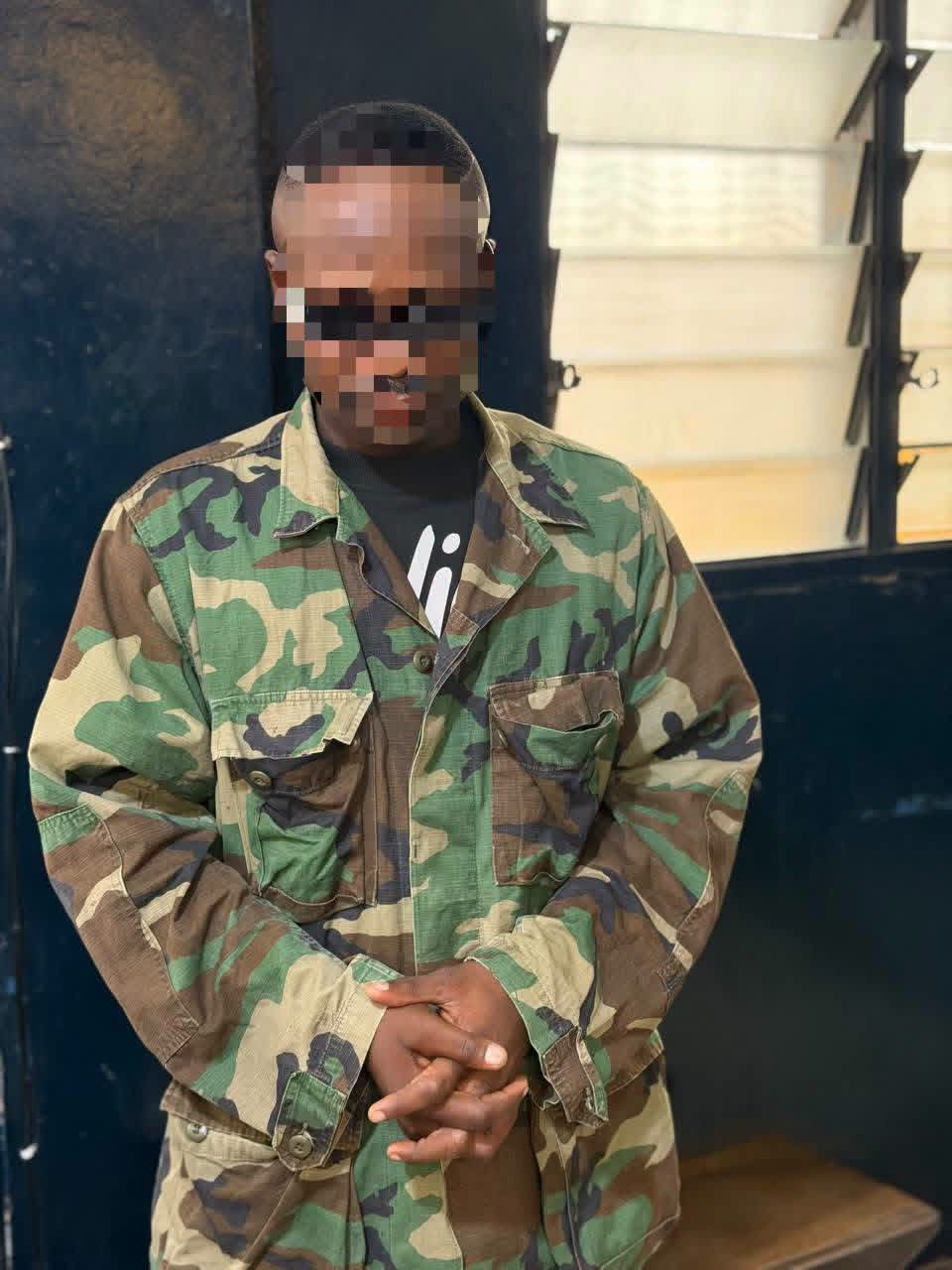
The Tema Regional Police Command has arrested a 32-year-old man for allegedly posing as a soldier and extorting money from unsuspecting members of the public at Ashaiman.
The suspect, identified as Bright Atsu Kudiabor, was arrested by the Ashaiman Police on Wednesday, September 16, 2026, at about 7:00 a.m.
According to the Police, he was arrested at an area known as “I Shall Return”, where he was allegedly parading himself as a soldier and demanding money from people.
The Police said Kudiabor, who is an ex-convict, was initially arrested by personnel of the Ghana National Fire Service in Ashaiman with assistance from other members of the public.
A search conducted on him after he was handed over to the Police reportedly led to the recovery of a set of military camouflage uniform.
The suspect is currently in Police custody and assisting with investigations.
The Tema Regional Police Command said he would be processed for court after investigations are completed.
The Police urged the public to remain vigilant and report anyone who falsely presents themselves as a soldier or a member of another security agency to deceive or extort money from the public.
By: Jacob Aggrey
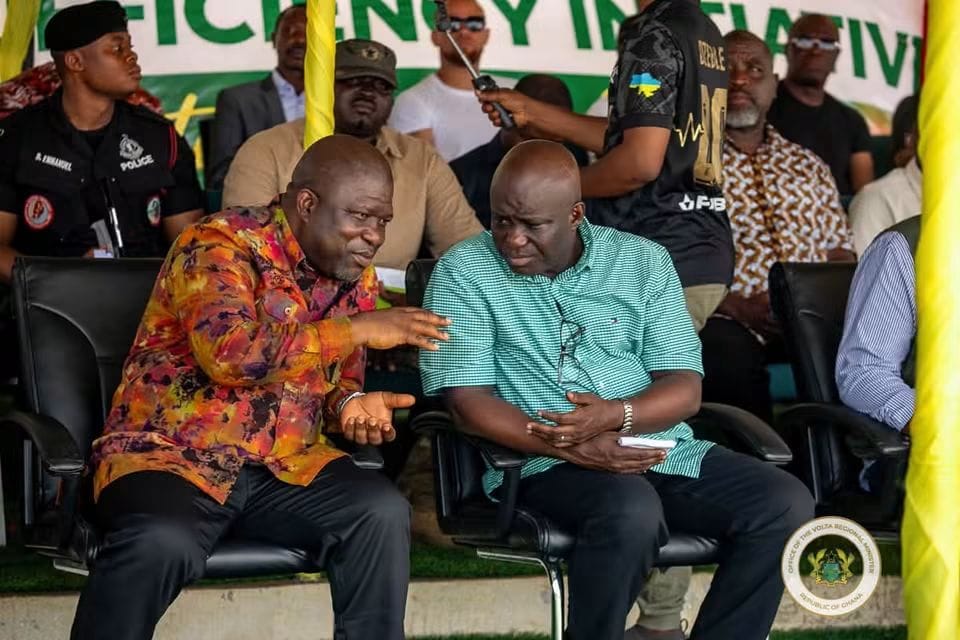
Volta Regional Minister, James Gunu, says the Volta Region holds enormous agricultural potential and efforts must be geared towards connecting farmers to the needed resources to unlock that potential.
He said focus must be on linking farmers to resources, technology, financing and markets to increase production, create jobs and build sustainable livelihoods.
Hon. Gunu made the remarks at the national launch of the Ghana Tomato Self-Sufficiency Initiative (GHATSI) held at Anloga in the Volta Region on Tuesday, September 15.
The initiative, under the theme “Produce at Home. Feed the Nation. Export the Surplus,” seeks to boost local tomato production, processing and marketing while reducing Ghana’s heavy reliance on imported tomatoes.
The launch was attended by the Minister for Food and Agriculture, Eric Opoku, his Deputy, John Setor Dumelo, Feed Ghana Coordinator, Bright Demordzi, Members of Parliament, traditional leaders, MMDCEs, farmers and other stakeholders.
Mr.Gunu expressed appreciation to the Minister for Food and Agriculture for the support announced for the region, including two excavators, 200 cartons of organic fertiliser, and GH¢200,000 for Ms. Kuatudzo Esther Dela, a tomato farmer and processor from Ziope.
He described the initiative as an important step towards making agriculture a stronger driver of food security, job creation and economic growth in the Volta Region.
By Edem Mensah-Tsotorme