Hot!
Ukraine: Trapped Nigerian on friendship and terror in Sumy


- /home/u249204778/domains/spectator.com.gh/public_html/wp-content/plugins/mvp-social-buttons/mvp-social-buttons.php on line 27
https://spectator.com.gh/wp-content/uploads/2022/03/123591057_88e8142b-3046-483b-a85b-fa6876e5a6aa.jpg&description=Ukraine: Trapped Nigerian on friendship and terror in Sumy', 'pinterestShare', 'width=750,height=350'); return false;" title="Pin This Post">
- Share
- Tweet /home/u249204778/domains/spectator.com.gh/public_html/wp-content/plugins/mvp-social-buttons/mvp-social-buttons.php on line 72
https://spectator.com.gh/wp-content/uploads/2022/03/123591057_88e8142b-3046-483b-a85b-fa6876e5a6aa.jpg&description=Ukraine: Trapped Nigerian on friendship and terror in Sumy', 'pinterestShare', 'width=750,height=350'); return false;" title="Pin This Post">
Nigerian veterinary student Samuel Otunla has been stuck in the north-east Ukrainian city of Sumy since the outbreak of the conflict. Ahead of reports that evacuations have begun, he sent the BBC an account of life in a city that is close to the Russian border and frontline.
The whole experience over the past 10 days has been nothing short of traumatic.
In cities further west, civilians have been able to leave and cross the border to safety in Poland, Romania, Hungary or Slovakia but we have been unable to leave Sumy.
The railway has been closed so there are no trains.
The main roads are largely inaccessible – some have been destroyed to stop Russian troops from advancing, while others have been totally blocked and taken over by the Russians.
Nevertheless, there are civilians who have made it out by road managing to negotiate their way through all the checkpoints. Others have tried and have either been shot at and forced to turn back or have reached dead ends where broken bridges have made it impossible to proceed.
Yes, it is possible to leave Sumy but it is extremely risky – and expensive.
Expensive because the Ukrainian drivers who are able to transport students are charging between $2,000 and $5,000 (£1,500 and £3,800) for a drive down south of 200km (124 miles).
After that anyone fleeing needs to catch a free train to a city in the west, like Lviv, and then cross the border.
So, in reality, we can’t get out.
Officials from Sumy National Agrarian University told us a couple days ago that there were discussions to set up a humanitarian corridor to allow civilians to leave Sumy and other areas safely.
On Monday, buses had been prepared so that students could be moved but unfortunately the Russians have not agreed to a ceasefire so the Ukrainian government cannot, for our own safety, transport us.
The Nigerian government has helped students get back home but, so far, only once they have managed to cross the western border, which is 1,300km away – so that doesn’t help us, at least not yet.
The Nigerian embassy in Russia (and other African countries I understand) has offered us the option of being taken to Russia and evacuated from there.
Many students have rejected this idea and rightly so. Russia is the enemy.
The best option is to get us to the west.
Meanwhile in Sumy, we are constantly getting safety warnings from the military. When the siren goes off everyone has to run down to the bomb shelters for safety.
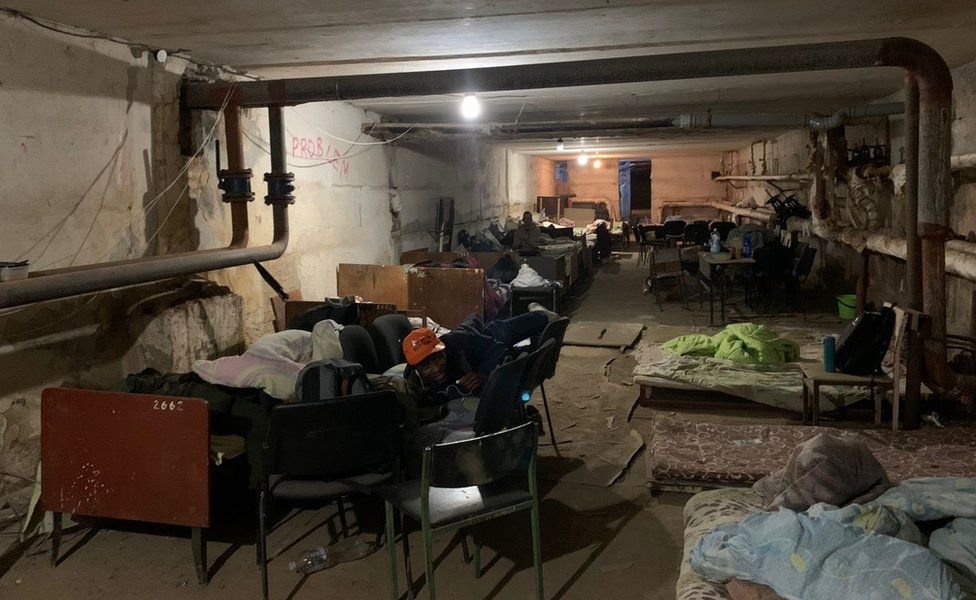
Usually from down in the shelter, we hear the shelling and gunfire.
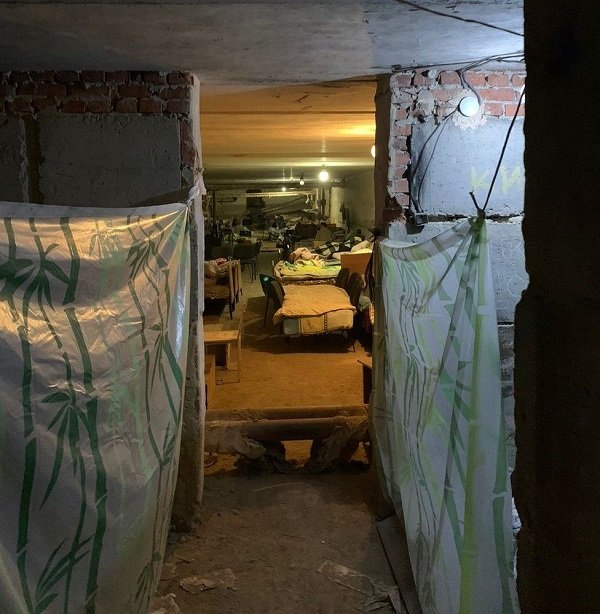
I, together with over 60 international students, Ukrainian students and hostel staff have spent the past seven nights in a dusty basement that doubles as a bomb shelter. It’s not a good experience.
We’ve received financial help from different organisations and through these we have been able to get groceries and other supplies.
We don’t know how much longer we will be here but we may need more supplies soon.
Source: BBC


The University of Ghana Medical Centre (UGMC) has disputed claims made on social media by comedian Michael Blackson concerning the treatment given to his late mother, saying a review found that the allegations did not accurately reflect what happened during her stay at the hospital.
In a statement issued in Accra on August 5, 2026, the management of UGMC expressed condolences to Mr. Blackson and his family over the death of his 83-year-old mother, who died at the facility on July 16, 2026.
The hospital said it had taken the concerns raised by Mr. Blackson seriously and conducted a thorough review in line with its clinical and administrative procedures.
According to the statement, the facts presented by Mr. Blackson on social media contained “numerous inaccuracies” and did not accurately reflect the medical care provided to his mother.
UGMC explained that she was referred to the facility from another hospital and received treatment there from May 27 to July 16, 2026, a period of about eight weeks.
The hospital stated that it would not release details of her diagnosis, treatment, medical records or other aspects of her care because it had a duty to protect patient confidentiality, even after death.
It said the decision was intended to respect the dignity of the deceased and the privacy of her family.
UGMC further stated that all clinical decisions at the facility are made by qualified healthcare professionals based on medical judgment, established standards of care and the best interests of the patient.
The statement added that such decisions are made in consultation with authorised family representatives where necessary and that billing and financial procedures are governed by institutional policies and are separate from clinical decision-making.
The hospital noted that it values feedback from patients and their families and considers both positive and negative comments important for improving the quality of care.
Mr. Blackson had earlier used social media to criticise the care his mother received at UGMC, prompting the hospital’s response.
By: Jacob Aggrey
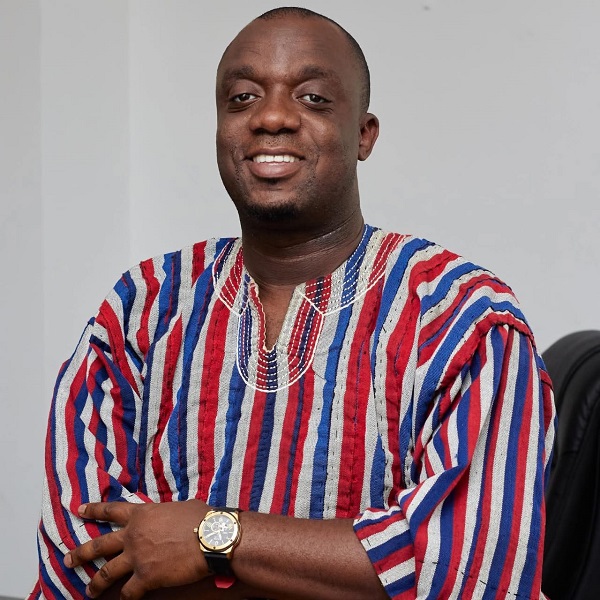
The New Patriotic Party (NPP) has directed all aspirants campaigning in the Greater Accra Region to suspend their campaign activities on August 5 and 6 and instead mobilise supporters for the party’s planned “Democracy Under Attack” demonstration.
The directive was issued by the party’s National Steering Committee in a statement signed by the NPP General Secretary, Justin Kodua Frimpong, on Tuesday.
According to the statement, the decision forms part of efforts to ensure a strong turnout for the demonstration, which is scheduled for Thursday, August 6, 2026.
The party said the protest would begin at 5:00 a.m., with participants expected to gather at the Supreme Court in Accra.
It further directed Regional, Constituency and Polling Station Executives in Greater Accra to work closely to mobilise members and supporters for the event.
“The National Steering Committee is calling on all aspirants currently campaigning across the Greater Accra Region to temporarily suspend their campaign activities on the 5th and 6th of August and join in mobilising support for the upcoming demonstration,” the statement noted.
The NPP appealed to party members and supporters to remain peaceful, disciplined and orderly throughout the protest.
The demonstration forms part of the party’s response to concerns it has raised over issues relating to Ghana’s democratic governance and the justice system.
The NPP leadership expressed confidence that party members would cooperate fully to ensure a successful and peaceful event.
By: Jacob Aggrey