Nutrition
Tubani
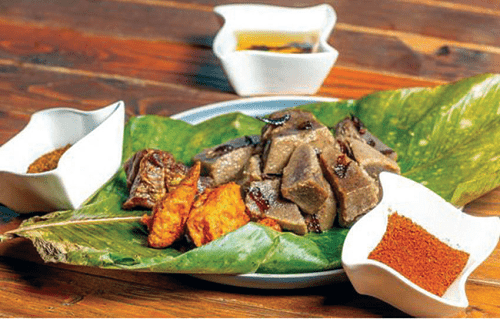
Tubani
Tubani is a meal mostly eaten by Northerners in Ghana. It is also referred to as steamed black-eyed peas pudding. It is usually taken with palm oil, groundnut and chilli pepper and enjoyed as a snack or lunch.
Ingredients
• Black eyed pea flour(white
beans flour) /cow pea flour
• Water
Preparation
1. Add water to the black eyed pea flour in a bowl and stir the mixture in a circular motion till mixture becomes fluffy.
2. Pour some water into a saucepan and put on fi re to boil.
3. Wash your banana leaves or corn husk and put some at the base of the saucepan on fire.
4. Put some of the fluffy mixture of black eyed pea flour and water into some of the leaves and wrap.
5. Put the wrapped food gently into the water on fire and leave to cook for some time.
6. Cover the saucepan with some of the leaves.
7. Cover with the saucepan’s lid and let it cook for about 20 minutes.
8. Remove it from the leaves in which it is wrapped and serve.
Source: zongorepublic.com
Benefits
The beans used in preparing tubaani (tubani/tumbaani) offers important nutrients needed for the body.
-Soluble fiber
Soluble fiber lowers blood cholesterol levels, thereby protecting one against heart diseases.
-Iron
The main ingredients in tubaani are beans. Beans contain iron which is essential in helping hemoglobin to carry oxygen in our blood energy.
-Folate
Folate, also known as vitamin B9 is found in beans. Folate is one of the B-vitamins and is needed to make red and white bloodcells in the bone marrow, convert carbohydrates into energy.
-Proteins
Tubaani is rich in proteins. Proteins are large molecules that our cells need to function optimally; they consists of amino acids. Proteins help in the regulation of the body’s cells, tissues and organs.
Source: https://myrecipejoint.com

Nutrition
The role of Civil Society in advancing the fight against malnutrition
Malnutrition continues to undermine the health, learning, and future productivity of Ghana’s children. If left unaddressed, it will slow down national development and widen inequalities. Tackling this challenge requires not only government action but also the active and strategic involvement of Civil Society Organisations (CSOs).
How CSOs can step up
To make a lasting impact, CSOs should consider the following roles in the fight against malnutrition:
Amplify nutrition advocacy
CSOs must use their platforms to keep nutrition high on the national agenda. By engaging parliament, district assemblies, and local leaders, they can push for stronger commitments and sustained investment in nutrition policies and programs.
Strengthen community education
Beyond raising awareness, CSOs should design practical, culturally relevant education campaigns that show families how to prepare balanced meals using locally available foods. Demonstrations, cooking classes, and peer-to-peer learning can make nutrition knowledge more actionable.
Leverage technology for wider reach
With mobile phones and social media widely used in Ghana, CSOs should adopt digital tools such as WhatsApp groups, SMS campaigns, and short educational videos to reach parents and young people with timely nutrition tips.
Build Stronger Coalitions
By collaborating across networks, CSOs can pool resources, share lessons, and amplify their voice in policy advocacy. A united civil society front makes it harder for decision-makers to ignore nutrition issues.
Hold Government Accountable
CSOs should actively monitor the implementation of nutrition-related policies and budget allocations. Through scorecards, citizen reports, and media engagement, they can ensure promises made translate into real benefits for communities.
The Way Forward
Malnutrition is not just a health issue; it is a national development concern. CSOs, with their grassroots presence and advocacy strength, are uniquely positioned to drive change. By sharpening their focus, deepening partnerships, and holding institutions accountable, they can accelerate progress toward a healthier, stronger Ghana.
The fight against malnutrition is everyone’s responsibility, but CSOs must remain at the forefront ensuring that no child is left behind because of poor nutrition.
Feature article by Women, Media & Change under its Nourish Ghana: Advocating for Increased Leadership to Combat Malnutrition Project
Nutrition
‘Kpokpoi’
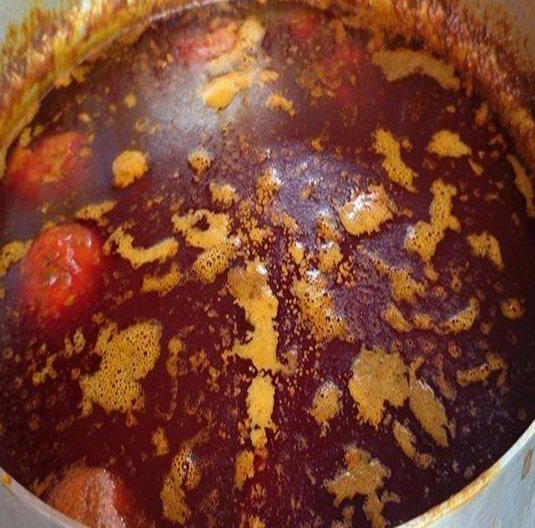
‘Kpokpoi’ is a traditional meal of the Gas during their annual Homowo festival.
It is prepared with primary ingredients of steamed and fermented cornmeal, palmnut oil and okro.
Ms Alberta Dede Kuma Tackey, Chief Executive Officer of Tackey’s Kitchen takes readers through how ‘Kpokpoi’ is prepared.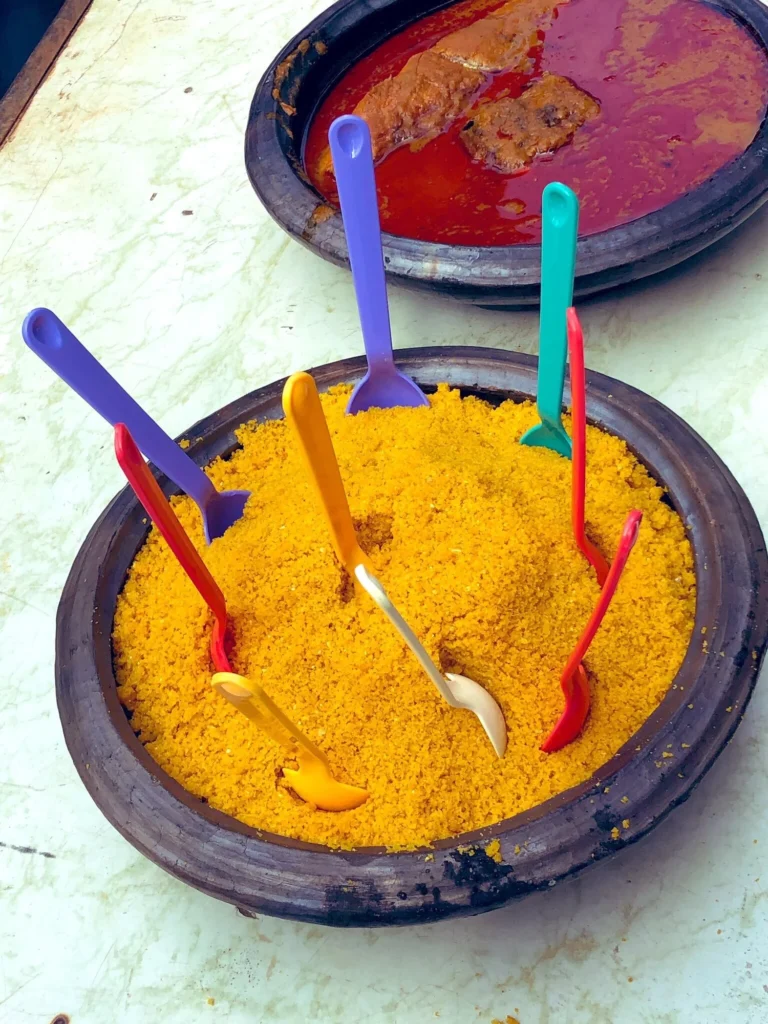
Ingredients
– 1 kilogram of maize
– 2 kilogram of palm nut
– 5 fingers of okro
– 5 large fresh tomatoes
– 5 large smoked fish (salmon)
– 7 large fresh pepper
– 2 small ginger
– 2 garlic
-salt
Preparation of Palmnut soup
– Wash palm nuts and boil it for about 50 minutes.
– When ready pour the boiled nuts into a mortar and pound until the nuts look fibrous and the black kernels are loose.
-Pour the mixture into a large bowl and add water (Use your hand to take the fibre part of the mixture until you get liquid free of fibre and kernels. (Use a colander to separate the juice from the fibre)
– Wash fish with clean water and put it on fire.
– Blend ginger, onion, pepper, garlic and add to fish.
– Add salt and steam the mixture for about 4-6 minutes.
-Wash fresh tomatoes and add it to the steaming pot.
– Proceed with pouring the palm nut solution over the steaming pot with fish, and others.
– Blend steamed tomato and add to the mixture
– Stir and leave soup to cook for some time (Stirring thoroughly and carefully to prevent the dry fish from breaking into pieces).
Corn for ‘Kpokpoi’
-Remove any bad grain or stones from maize. (Soak corn overnight or three days)
– Wash in clean water and grind into smooth flour.
– Sprinkle water on the ground maize and leave it for some time.
– Pour the corn flour into a bowl and flake with your hands to make flour smooth. (You can also sieve the milled corn on a wooden mat)
-Fill a saucepan with water to about halfway and place a clay pot steamer or any utensil that has little bits of holes in them that steam can pass through.
– When the water starts boiling sprinkle corn flour in sieve.
– Cover tightly and leave to steam for about 15 minutes.
– When ready, fetch red oil and mix with the steamed corn to get the yellowish colour.
-Also prepare salt water which will be sprinkled onto the steam corn flour before pounding and set aside.
– Pour yellowish mixture into mortar, sprinkle a little bit of salt water, palm oil onto it and start pounding.
– Pour out into a bowl. You can choose to add cooked okro to it.
-Sieve the pounded ‘kpokpoi’ using the wooden sieve. This makes it finer and separates the rough clumps from the others.
-Serve with your already cooked palm-nut soup.
By Linda Abrefi Wadie