Nutrition
Overcoming breast cancer with diet

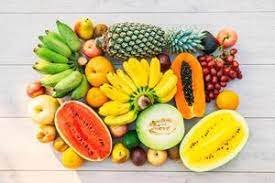
Fruits are very important in combating the disease
In this month of October, which is breast cancer awareness month, I will be offering titbits on how to protect your health through diet.
Breast cancer is the most common type of cancer, and the leading cause of cancer deaths in Ghana. But it is possible to take control and tackle head-on any health issue, including breast cancer, starting with an optimum nutrition.
Signs and symptoms of breast cancer include, but are not limited to; breast lump or thickening, alteration in size, shape or appearance of a breast; dimpling, redness, pitting or other alteration in the skin; change in nipple appearance or alteration in the skin surrounding the nipple (areola); and/or abnormal nipple discharge.
Some factors that may increase one’s risk of breast cancer include; female gender, increasing age,obesity, drinking alcohol, cigarette smoking, personal history of breast cancer, family history of breast cancer,among others.
Role of nutrition in the pro tection against the development, progressionand re-emerging of breast cancer
The immune system normally seeks out cancer cells and cells with damaged DNA and destroys them. Breast cancer may be a result of failure of such an effective immune de fence and surveillance.
Some vitamins and mineralssuch as V itamin A, B, C, D, E, beta carotene, selenium, zinc and iron enhance the functions of the immune system to ensure constant arrest and destruction of cancer cells.
Today we will be covering the list of fruits containing such vitamins and minerals. These include:
• Citrus fruits: oranges, grapefruits, tangerines, lemons and limes
• Pome fruits: apples and pears
• Stone fruits: apricots, cherries and peaches
• Tropical fruits: banana, pawpaw, mangoes, pineapples and melons
• Berries: strawberries
A selection of these fruits can be blended together into a smoothie fruit juice or cut into fruit salad and taken as breakfast, snack, lunch or dinner.
In our next chapter, vegetables containing such vitamins and minerals against breast can cer will be covered.
The writer, Bernice Korkor Asare is a Dietician and Chief Executive Officer (CEO) of Holistic Health Consult,“your diet your health, your health your wealth”
E-mail: info@holistichealthconsult.org



Ingredients
-Oil
-1 large onion
-2 cups of rice
-Salt
-2 cups of wheat
Preparation
-In a medium saucepan, heat oil over medium-low heat
-Add the onion and cook, stirring frequently, until soft and turns golden brown
-Wash rice and wheat and put into pan. Sauté for two to three minutes, until toasty and fragrant
-Add water and salt and allow to boil.
– Reduce heat to low and allow to simmer for 10 to 15 minutes until rice is tender and the water is absorbed.
-Taste the rice/wheat; if it is still a bit firm, add a few more tablespoons of water and cook a few more minutes.
-When the rice/wheat is ready, take it off the fire and serve hot
Benefits of wheat
–Improves digestion: High levels of insoluble fibre- wheat promotes regular bowel movements, prevent constipation, and support a healthy gut microbiome.
-Supports heart health: Whole-grain wheat helps lower LDL (bad) cholesterol, reduces blood pressure, and decreases the risk of stroke and heart disease.
-Aids weight management: Complex carbohydrates and dense fibre slow digestion, increase feelings of fullness, and help prevent sharp blood sugar spikes.
-Lowers type 2 diabetes risk: Steady glucose release and minerals like magnesium improve insulin sensitivity.
– Provides essential vitamins and minerals: Wheat supplies B vitamins, iron, magnesium, phosphorus, zinc, and selenium, which help build bones and boost immune function.
–Delivers Antioxidants: Compounds like phenolic acids, ferulic acid, and lutein protect cells from oxidative stress and support eye health.
SKIP THE QUEUE, TAP THE NEWS
You can now read the Ghanaian Times and The Spectator newspapers from the comfort of your device via TimesNewsPlus.
Join our WhatsApp Channel: https://whatsapp.com/channel/0029VbBElzjInlqHhl1aTU27

Ingredients
-4 cups of crushed corn
-1 cup of sugar
Method:
-Soak crushed corn for two or more days to ferment
-Boil the fermented corn for about 20-30 minutes until foamy substance is dried up
-Pour sugar in a saucepan and heat until almost burnt
-Strain water from the boiled corn and pour in the saucepan containing sugar
-Use a strainer to strain the chaff
-Allow to cool and store in refrigerator
– Serve with milk
By Linda Abrefi Wadie