News
Treat Williams: Everwood and Hair actor dies in road accident

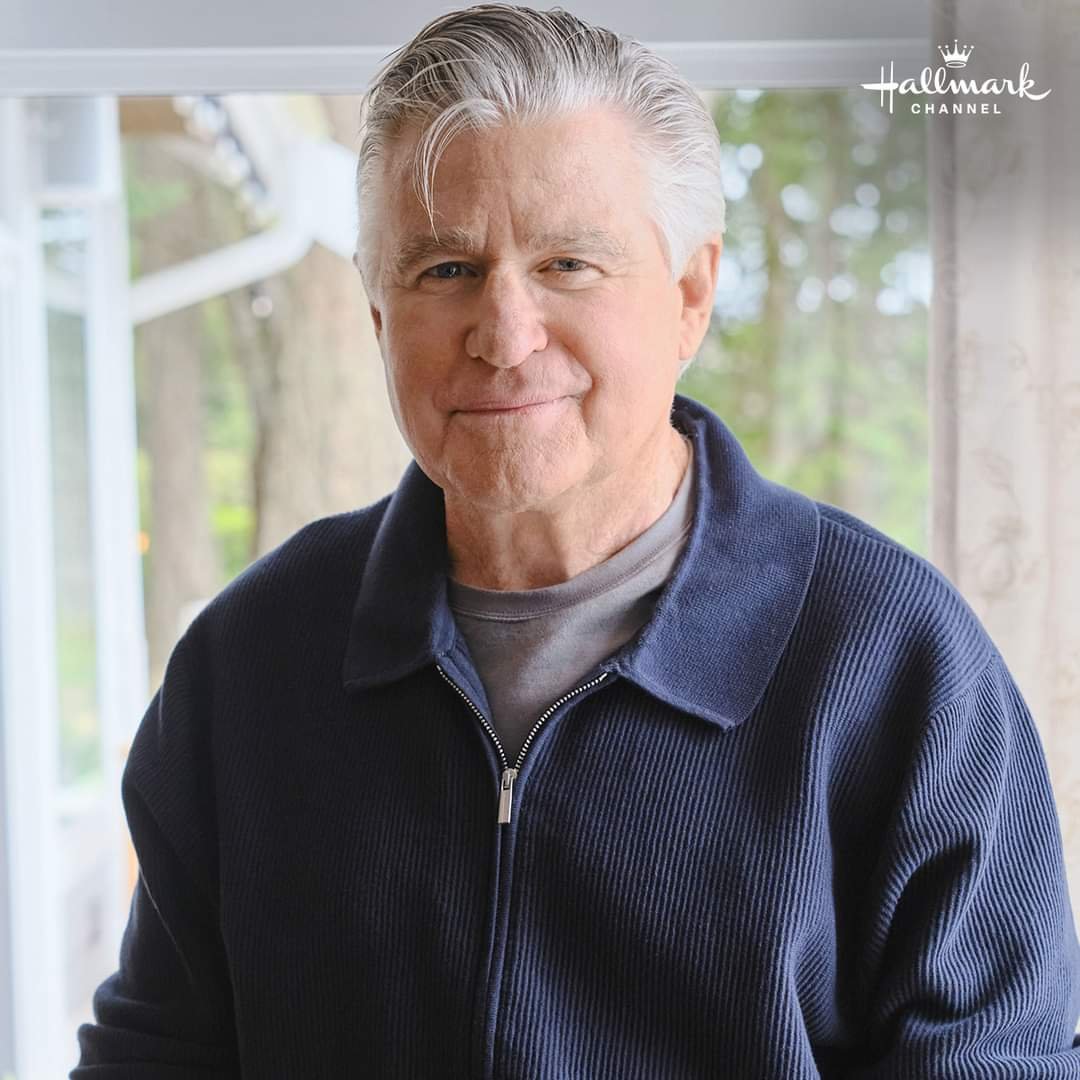
Actor Treat Williams, who starred in the film musical Hair and the US television series Everwood, has died in a road accident aged 71.
Williams was thrown from his motorbike in Vermont on Monday after being hit by an SUV turning left, police said.
He was airlifted to hospital with critical injuries, but pronounced dead on arrival.
The actor recorded over 130 screen credits in a career that spanned almost 50 years.
“As you can imagine, we are shocked and greatly bereaved at this time,” a family statement published by Variety magazine said.
“Treat was full of love for his family, for his life and for his craft, and was truly at the top of his game in all of it.”
Williams’ agent of 15 years, Barry McPherson, described him as “the nicest guy” who was “so talented”.
“He was an actor’s actor,” McPherson told People magazine, adding that Williams had been at “the heart of Hollywood since the late 1970s”.
Actor Wendell Pierce described Williams on social media as a “passionate… creative man” whose “adventurous spirit was infectious”.
Following his 1979 breakthrough in Hair as hippie George Berger, Williams appeared in Steven Spielberg’s 1941 (1979), Once Upon A Time In America (1984), Dead Heat (1988), Things to Do in Denver When You’re Dead (1995) and Deep Rising (1998).
He was also known for his stage acting, with roles in Stephen Sondheim’s Follies and as Danny Zuko in the original Broadway production of Grease.
In the early 2000s, Williams appeared as widowed Dr Andy Brown in four series of the US TV drama Everwood, and he also took on roles in Chesapeake Shores, Blue Bloods and Chicago Fire.
He was nominated for an Emmy award for his work in the 1996 TV movie The Late Shift, and received three Golden Globes nominations during the 1980s.
Born Richard Treat Williams in Connecticut in 1951, he is survived by his wife Pam Van Sant, whom he married in 1988. The couple had two children.
Credit: BBC

News
GES directs Ashanti Regional, Obuasi Municipal Education Directors to step aside over Obuasi SHTS scandal

The Management of the Ghana Education Service (GES) has directed the Ashanti Regional Director of Education, Dr. William Amankrah Appiah, and the Obuasi Municipal Director of Education, Mr. Kwamena Owusu-Nketiah, to step aside with immediate effect.
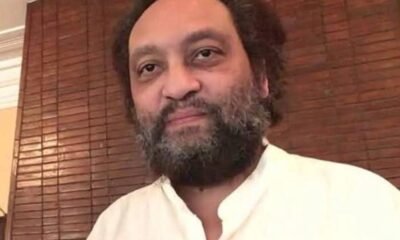
The directive forms part of ongoing investigations into allegations of sexual misconduct involving the headmaster of Obuasi Senior High Technical School (SHTS), Mr. Zakaria Abdulai.
According to GES, the decision is intended to ensure that the investigations proceed without potential interference, nor the perception of it.
The two directors are to hand over their offices and all state property in their possession to the Deputy Ashanti Regional Director of Education, Mr. Thomas Kwame Boateng.
Management added that the headmaster, Mr. Zakaria Abdulai, also remains interdicted and therefore urged the public to ignore any news circulating that he has been cleared.
Management is calling for calm, support and cooperation as thorough investigations into the matter continue.
By Edem Mensah-Tsotorme
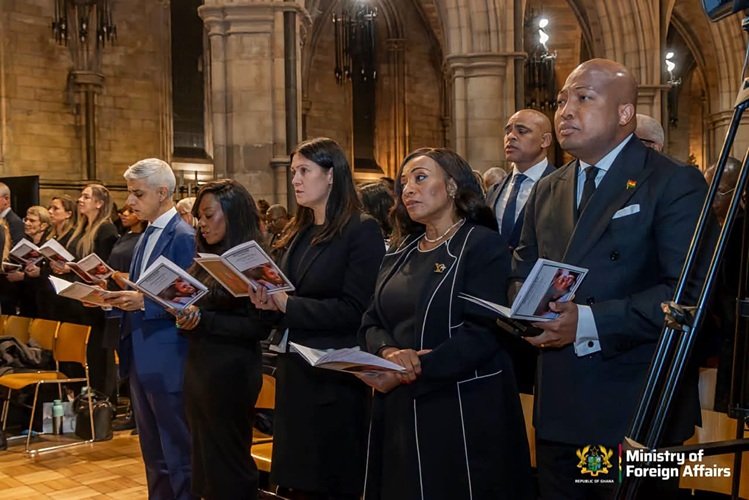
The Minister for Foreign Affairs, Samuel Okudzeto Ablakwa, has joined the family of the late Professor Jason Atta Kwei Arday, the Ghanaian community in the UK, and other dignitaries for a memorial service in Southwark, UK.
In a post, Mr. Ablakwa described the service as deeply moving and unforgettable, held in honour of the late professor’s memory.
According to him, in keeping with the government’s pledge, he joined the family, Ghana’s High Commissioner to London, British MPs, Ministers, the Mayor of London, Cambridge scholars, Prof. Arday’s students and loved ones to pay respects and honour his inspiring legacy.
Mr. Ablakwa noted that Prof. Arday’s accomplishments as the youngest Black professor appointed at the University of Cambridge and his widely appreciated charitable contributions will continue to inspire generations.
“The Government and People of Ghana will continue to stand by our compatriots everywhere they are in the world. As we do so, we profess our commitment to justice, equality and the creation of a new world,” he said.
He prayed for fortitude for the family in what he described as an extraordinarily difficult time.
“We shall always remember Prof. Arday for his response when asked what he will wish to do to change the world: ‘I would take a thread and a needle, and I’d interweave love into our society’,” Mr. Ablakwa added.
By Edem Mensah-Tsotorme