News
TFFC fetes underprivileged on Val’s Day

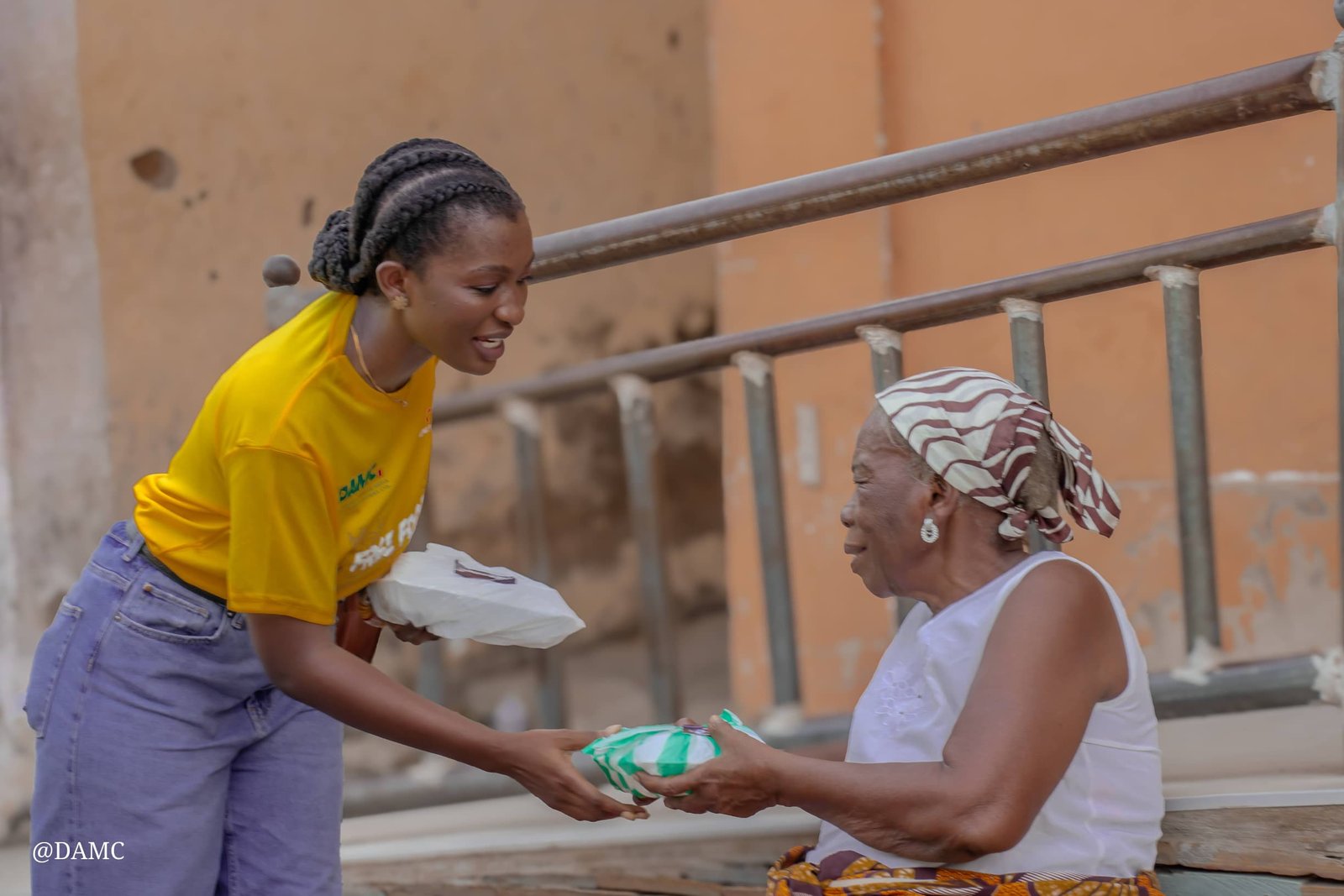
LOVE found practical expression in parts of Accra as The Free Food Company (TFFC), in partnership with Diplomatic Affairs Media and Communications Limited, organised a community outreach to support vulnerable individuals in Kokrobite, Weija-SCC and surrounding areas on Valentine’s Day.
The initiative, dubbed the Valentine’s Day Love Reach-Out, provided food items and financial assistance to selected beneficiaries, including individuals nominated by members of the public.
The organisers said the exercise was designed to redefine the day as a time for compassion, dignity and purposeful giving, rather than only celebration.
A major highlight of the outreach was the “Let Me Take You to Lunch” activation, which brought a personal touch to the day’s activities.
Members of the TFFC team moved through parts of the community to identify individuals facing hardship and invited them to share a meal at nearby eateries. Beyond settling their bills, the team spent time listening to their stories, offering words of encouragement and human connection.
According to the organisers, the activation was intended to give beneficiaries a brief but meaningful break from their daily struggles, while reminding them that they are seen, heard and valued.
Speaking at the event, the Chief Executive Officer of The Free Food Company, Lady Diana Lartey, underscored the need to demonstrate intentional love, especially towards the less privileged.
“Valentine’s Day should go beyond celebration. It should be about showing up for people who need support the most. Through this initiative, we were able to restore hope and demonstrate that compassion can create real impact,” she said.
She expressed appreciation to all partners and volunteers who contributed to the success of the programme, noting that collective action remains key to addressing social challenges.
Ms Lartey reaffirmed TFFC commitment to tackling food insecurity, reducing food waste and promoting sustainable community support systems across Ghana.
It indicated that similar outreach initiatives would be rolled out periodically to extend support to more communities in need.
The Chief Executive Officer of Diplomatic Affairs Media and Communications Limited, Harriet Nartey, also highlighted the importance of giving back to society. She noted that corporate social responsibility remains a vital pillar in building sustainable and impactful institutions.
The outreach received support from a number of distinguished individuals and corporate organisations including Mr Kwasi Kyei Darkwah (KKD), DCOP Peter Ndekugri, Professor George K.T. Oduro, Odeefuo Amoakwa Buadu VIII, Madam Sheila Milano, Aphtro Synergy, Mojo Payments Limited and Twellium Industries.
By Esinam Jemima Kuatsinu
Join our WhatsApp Channel now!
https://whatsapp.com/channel/0029VbBElzjInlqHhl1aTU27


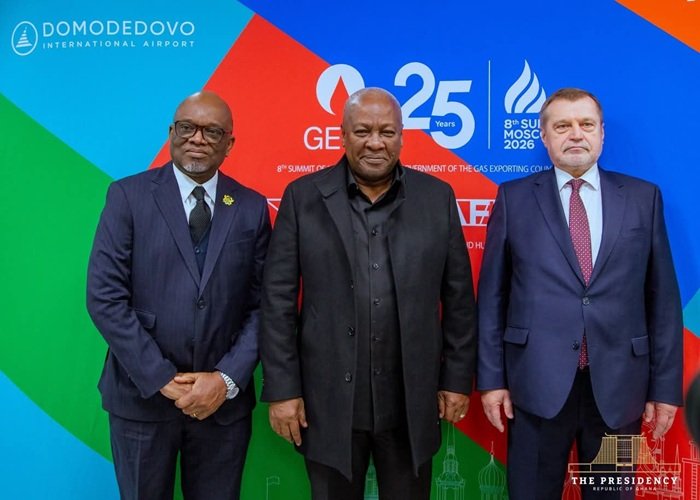
President John Mahama has arrived in Moscow, Russia, from Ethiopia to participate in the 3rd Russia-Africa Summit.
The summit is being hosted by Russian President Vladimir Putin.
During the visit, President Mahama will join fellow African leaders at the Economic and Humanitarian Forum and summit plenary sessions.
He is also scheduled to hold high-level bilateral talks with President Putin and attend a Kente exhibition organised by the Russia-Ghana Parliamentary Forum.
As part of the visit, the President will receive honorary doctorate degrees from the Russian University of Transport and the Peoples’ Friendship University of Russia.
He will also engage Russian businesses and state institutions to advance bilateral cooperation between Ghana and Russia.
By Edem Mensah-Tsotorme
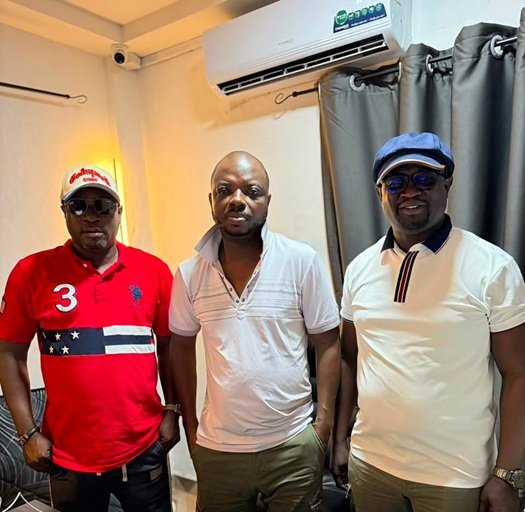
The Greater Accra Regional Organiser of the New Patriotic Party (NPP), Moses Abor, has met with the Bono Regional Chairman of the party, Kwame Baffoe, popularly known as Abronye DC, to address concerns arising from recent social media developments.
In a statement shared , Mr. Abor said he yesterday visited Chairman Baffoe over comments he made on his show, which had raised concern among some party activists.
According to him, he also engaged Charles Opoku Presidoo and ironed out grievances he had earlier held regarding the matter.
Mr. Abor said he was pleased that in the spirit of unity and the party’s shared commitment to return to power in 2028, they had a constructive conversation and addressed the concerns amicably.
“With the matter now resolved, I encourage all Party activists to let the matter rest and redirect our energy toward holding the NDC accountable for its failures and misleading claims,” he said.
He urged party members to continue making the case to Ghanaians on why Dr. Mahamudu Bawumia is the right person to lead the country in 2028.
By Edem Mensah-Tsotorme