News
‘Stay away from illicit drugs’

- /home/u249204778/domains/spectator.com.gh/public_html/wp-content/plugins/mvp-social-buttons/mvp-social-buttons.php on line 27
https://spectator.com.gh/wp-content/uploads/2025/09/Nii-Tunma-seated-first-from-left-Nii-Tackie-Oblie-middle-900x600.jpeg&description= ‘Stay away from illicit drugs’', 'pinterestShare', 'width=750,height=350'); return false;" title="Pin This Post">
- Share
- Tweet /home/u249204778/domains/spectator.com.gh/public_html/wp-content/plugins/mvp-social-buttons/mvp-social-buttons.php on line 72
https://spectator.com.gh/wp-content/uploads/2025/09/Nii-Tunma-seated-first-from-left-Nii-Tackie-Oblie-middle-900x600.jpeg&description= ‘Stay away from illicit drugs’', 'pinterestShare', 'width=750,height=350'); return false;" title="Pin This Post">
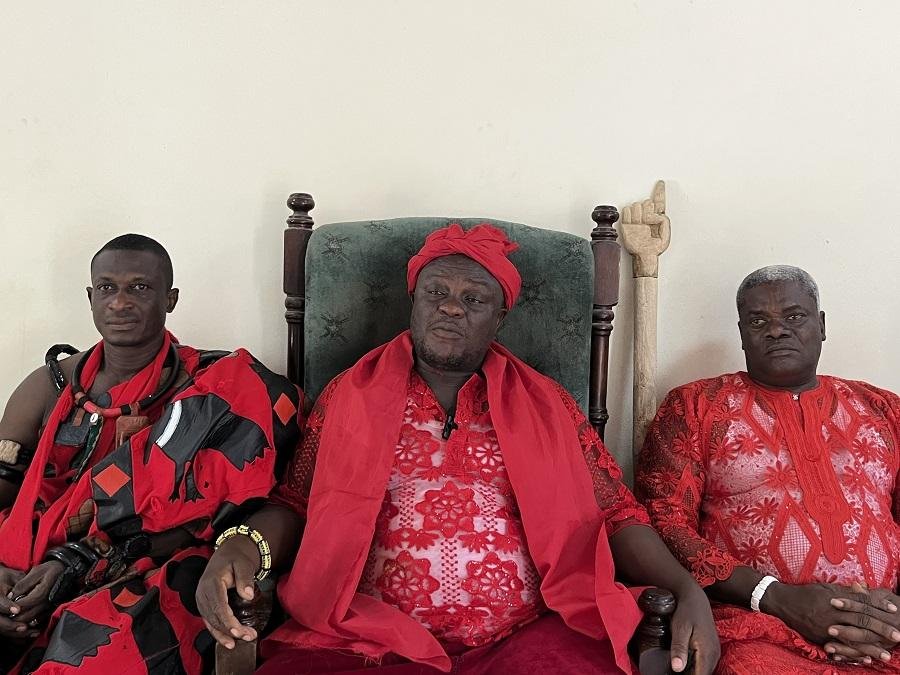
The Abola Piam We Oblahii Mantse I, Nii Ayi Tunma, has appealed to the youth to stay away from drugs and channel their energies into education and productive ventures that would prepare them for the future.
According to him, some young people were heavy dependents on drugs which was wiping away their precious futures.
Speaking during the Pobiman Homowo festival celebration last weekend, Nii Tunma emphasised that the wellbeing of the youth was central to the progress of both family and country.
“My advice to the youth is that they should stop using drugs. Some of them are using these blue, red and other substances that would only create health problems in future,” he stressed.
Commenting on the festival, he said it was not only about preserving culture and tradition but also about reflecting on the responsibilities of the present generation.
He said drug abuse was crippling the potential of many young people, thereby reducing their ability to contribute meaningfully to society. .
He, however, sounded optimistic that with the right guidance and support, young people could rise above the challenges they face and take up their rightful place as leaders.
The Head of the Abola Piam We, Nurudin Nii Ardey Tackie Obllie, underlined that the Homowo festival serves as a gathering of family members and clansmen to offer prayers, seek protection from their forefathers, and strengthen unity.
Furthermore, Nii Tackie Obllie cautioned against encroachment on family lands, stressing that the land at some parts of Pobiman which included Doodu, Sly city, Electoral Commission down, Rock Church, among others belongs to the family and not to individuals parading themselves as chiefs.
“This is a family land, not a stolen land. Anyone who has bought land without proper documentation from the family should come forward so we can regularise it. We are Pobiman, and our doors are open to all who want clarification,” he declared.
By Cecilia Yada Lagba
Join our WhatsApp Channel now!
https://whatsapp.com/channel/0029VbBElzjInlqHhl1aTU27


News
Vice President Opoku-Agyemang meets Ghanaian community in Rwanda, shares updates on reset agenda
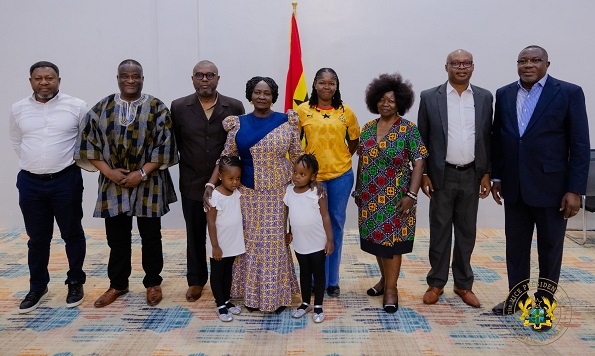
Vice President Prof. Naana Jane Opoku-Agyemang has met with members of the Ghanaian community in Kigali, Rwanda, to discuss their experiences abroad and developments back home.
The meeting, held while she was in Kigali for the inaugural Africa Mindset Reset Forum, saw the Vice President encouraging Ghanaians living abroad to register with Ghana’s diplomatic missions to stay connected and access support when needed.
She and her team shared updates on government’s Reset Agenda, highlighting progress in stabilising the economy and government’s commitment to prudent spending and responsible resource management.
“Our approach is to build from the ground up so that national development reaches communities,” Prof. Opoku-Agyemang said.
She noted that this includes major investments in road infrastructure, explaining that good roads support virtually every aspect of development. Government is also deepening decentralisation and directing more resources to local development through the District Assemblies Common Fund, with guidelines to ensure the funds translate into tangible improvements across districts.
On health, the Vice President said government’s broad objective remains universal healthcare.
She pointed to Free Primary Healthcare as a measure to strengthen preventive care and access at the community level, while the Ghana Medical Trust Fund supports treatment for costly non-communicable diseases. Together with the uncapping of the National Health Insurance Scheme, she said, these interventions aim to progressively close gaps in healthcare access.
She added that government continues to strengthen secondary schooling through dedicated and sustainable funding, while addressing some of the challenges that affected performance.
Prof. Opoku-Agyemang thanked the Ghanaian community for the warm reception and for upholding Ghana’s good reputation in Rwanda, and encouraged them to continue looking out for one another and to remain worthy ambassadors of the country.
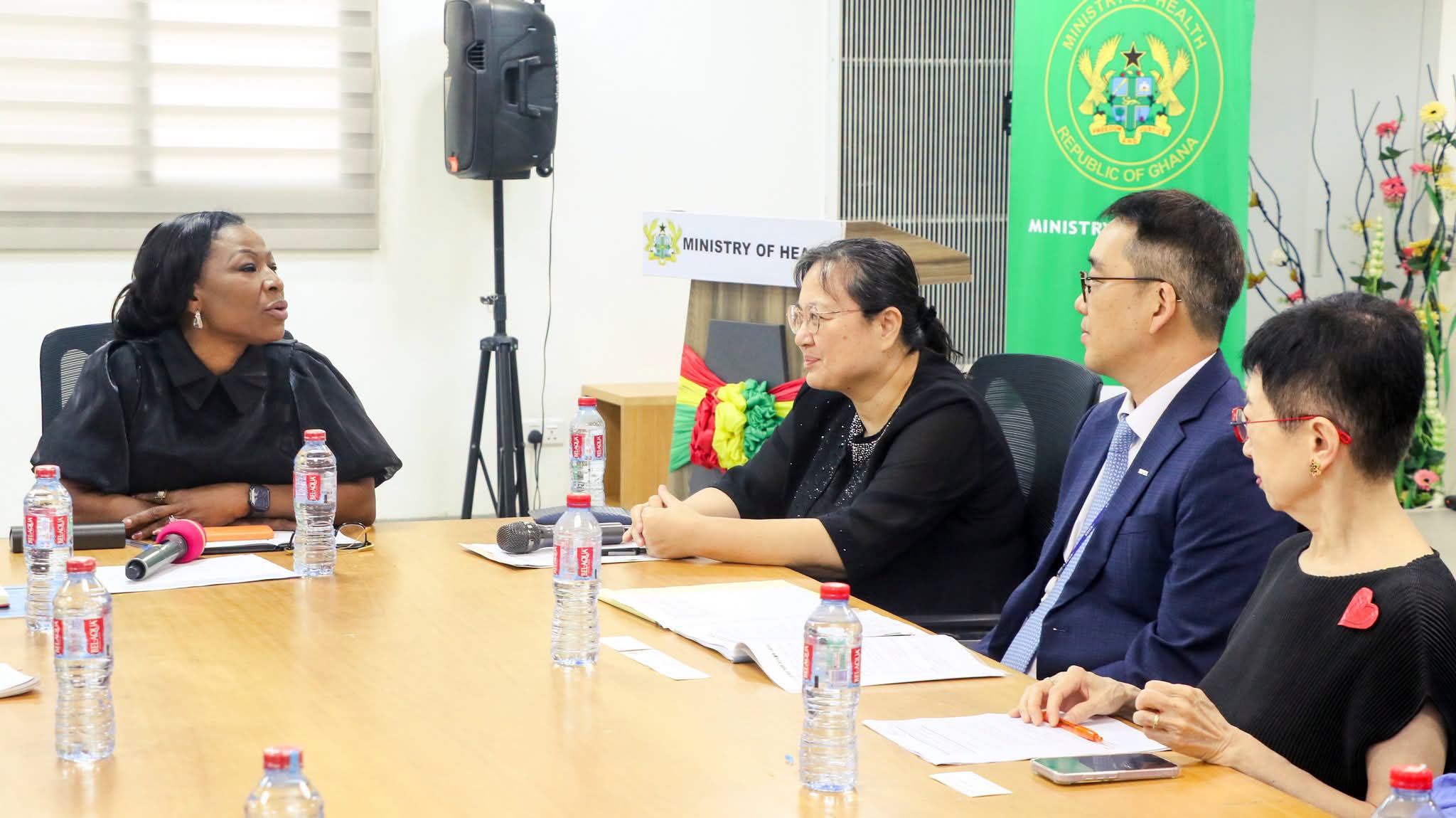
A delegation from the Korea International Cooperation Agency (KOICA) has paid a courtesy call on the Deputy Minister for Health, Prof.Dr. Grace Ayensu-Danquah, to explore areas of collaboration in support of Ghana’s efforts to reduce maternal mortality.
The delegation was led by the Country Director of KOICA, Mr. Dong Wan Woo.
The meeting focused on Ghana’s Maternal Mortality Action and Response Programme (MMARP) and how KOICA can support the country’s push to end preventable maternal deaths.
The engagement provided an opportunity for both parties to discuss strategies to strengthen maternal healthcare services.
Also, they looked at how to address gaps in care delivery, and improve health outcomes for mothers across the country.
By Edem Mensah-Tsotorme