Hot!
Public Accounts Committee recommends the prosecution of those found liable in the Auditor General’s report


- /home/u249204778/domains/spectator.com.gh/public_html/wp-content/plugins/mvp-social-buttons/mvp-social-buttons.php on line 27
https://spectator.com.gh/wp-content/uploads/2022/04/James-Klutse-Avedzi-Chairman-Public-Accounts-Committee-754x424-1.png&description=Public Accounts Committee recommends the prosecution of those found liable in the Auditor General’s report', 'pinterestShare', 'width=750,height=350'); return false;" title="Pin This Post">
- Share
- Tweet /home/u249204778/domains/spectator.com.gh/public_html/wp-content/plugins/mvp-social-buttons/mvp-social-buttons.php on line 72
https://spectator.com.gh/wp-content/uploads/2022/04/James-Klutse-Avedzi-Chairman-Public-Accounts-Committee-754x424-1.png&description=Public Accounts Committee recommends the prosecution of those found liable in the Auditor General’s report', 'pinterestShare', 'width=750,height=350'); return false;" title="Pin This Post">
he Chairman of the Public Accounts Committee (PAC), James Klutse Avedzi, says they are bent on recommending to the Attorney General for the prosecution of individuals and institutions indicted by the Auditor General’s report.
According to him, this has become necessary because their previous advice to culprits to go back and rectify the wrongs fell on deaf ears, especially in procurement breaches.
He was speaking at the committee’s sitting on the Auditor General’s report for 2018 in Sunyani in the Bono Region.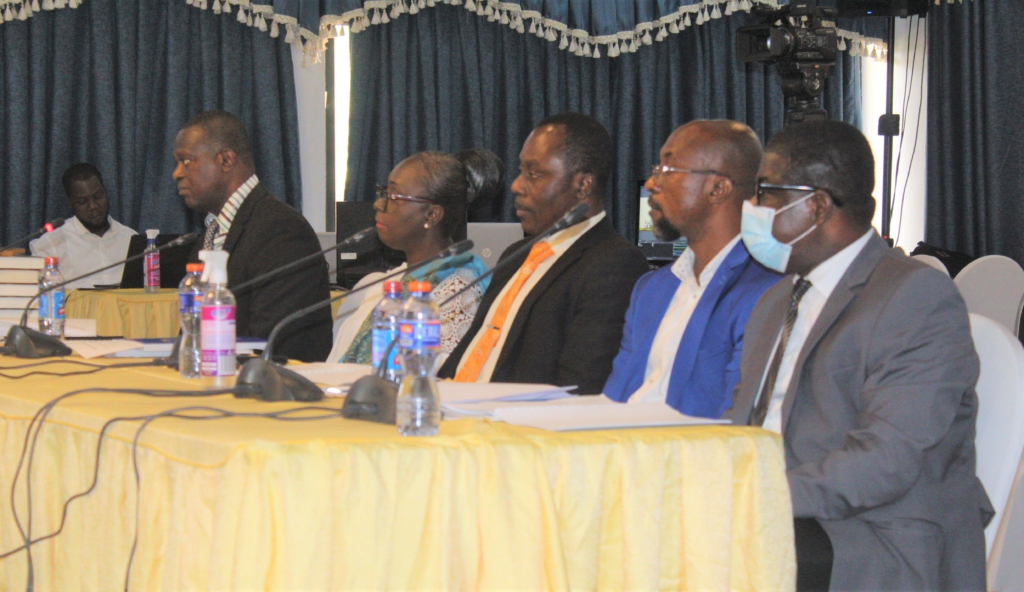
Some heads and accountants of pre-tertiary and tertiary educational institutions in the Bono, Bono East, Ahafo, and Ashanti regions, are appearing and answering queries on irregularities in the report.
On day one of the committee’s sitting on Monday, Wenchi SHS, Menji Agric SHS, Koase SHS, Sunyani SHS, Berekum Presec, Chiraa SHS, Nkoranman SHS, Nsawkaw SHS, Mansen SHS, Nchiraa SHS, Kumasi, and Sunyani technical universities were in attendance after being indicted on cash management, procurement, payroll, contract, and tax-related breaches.
While some were discharged after the auditors confirmed their recommendations have been adhered to, others needed to provide better evidence.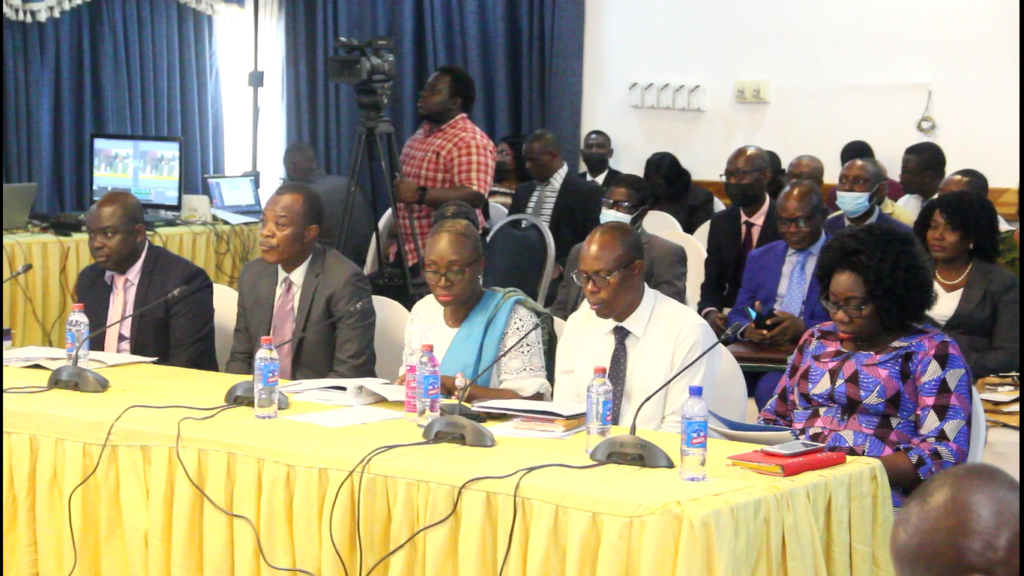
The committee chairman directed the Attorney General to prosecute Wenchi SHS for breaching the Public Procurement Act in a non-competitive procurement of goods and services.
The school, according to the report, issued payment vouchers amounting to 25, 546.25 which breached section 92 of the procurement Act.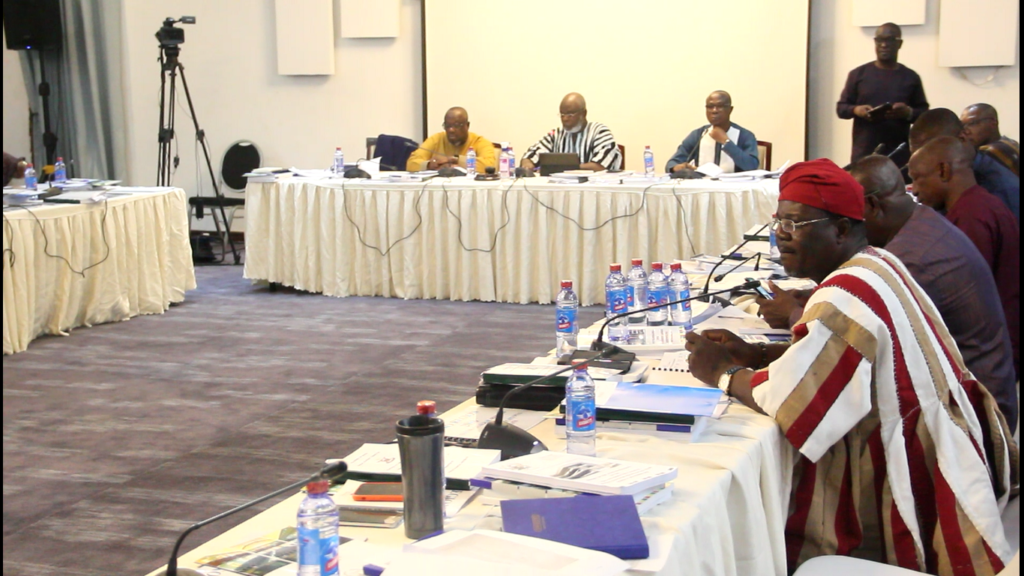
The former headmaster of Menji Agric SHS, Paul Nsiede, was also directed by the committee chairman to provide documents covering an expenditure of over 15,000 to the current headmaster within a week, else he will be made to refund the money to the government chest.
This and many other situations, according to the PAC chairman, James Klutse Avedzi, reoccur despite previous advice to correct the wrongs.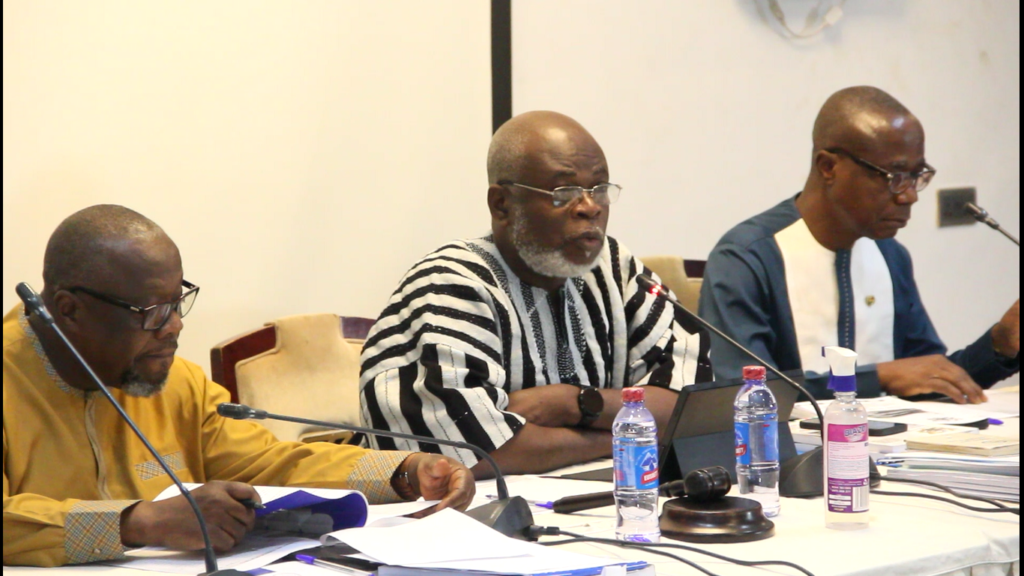
“We will begin to apply the law and recommend the sanctions prescribed by the law. The committee will not prosecute them but we will recommend to the Attorney General to prosecute them”, he said, adding those found liable can go to jail for five years or a 30,000 charge, or both for procurement issues.
“When the AG begins to prosecute them, and some are being jailed, it will serve as a deterrent for others to follow”, he insisted.
He further noted that for breaches of uncompetitive procurement, they will not waste time adding them to a growing list of people and institutions as it happened in the northern region, “and by the time we finish the whole country, we will have a very tall list of candidates for prosecution”.
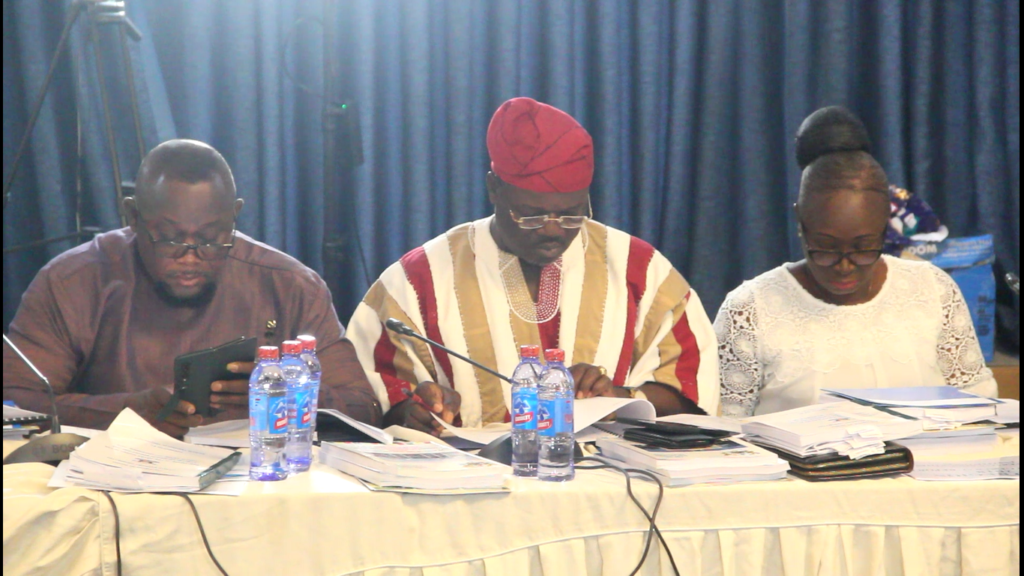
Mr. Avedzi, who is also the MP for Ketu North, advised the institutions to work and ensure that they follow the recommendations of the report.
“The thirty days window given to them after the exit conference should be utilized to ensure that their names and infractions are not reported in the auditor’s report at all. But once they are reported, we will call them whenever we are meeting”.
Mr. Avedzi said the committee is also expected to sit on the 2019 Auditor general’s report in 2022.
The six days committee sitting is also considering the report of the Auditor General on the accounts of District Assemblies and the management and utilization of the District Assemblies Common Fund for 2018.
Source: MyJoyOnline.com



The Tema Regional Police Command has arrested a 32-year-old man for allegedly posing as a soldier and extorting money from unsuspecting members of the public at Ashaiman.
The suspect, identified as Bright Atsu Kudiabor, was arrested by the Ashaiman Police on Wednesday, September 16, 2026, at about 7:00 a.m.
According to the Police, he was arrested at an area known as “I Shall Return”, where he was allegedly parading himself as a soldier and demanding money from people.
The Police said Kudiabor, who is an ex-convict, was initially arrested by personnel of the Ghana National Fire Service in Ashaiman with assistance from other members of the public.
A search conducted on him after he was handed over to the Police reportedly led to the recovery of a set of military camouflage uniform.
The suspect is currently in Police custody and assisting with investigations.
The Tema Regional Police Command said he would be processed for court after investigations are completed.
The Police urged the public to remain vigilant and report anyone who falsely presents themselves as a soldier or a member of another security agency to deceive or extort money from the public.
By: Jacob Aggrey

Volta Regional Minister, James Gunu, says the Volta Region holds enormous agricultural potential and efforts must be geared towards connecting farmers to the needed resources to unlock that potential.
He said focus must be on linking farmers to resources, technology, financing and markets to increase production, create jobs and build sustainable livelihoods.
Hon. Gunu made the remarks at the national launch of the Ghana Tomato Self-Sufficiency Initiative (GHATSI) held at Anloga in the Volta Region on Tuesday, September 15.
The initiative, under the theme “Produce at Home. Feed the Nation. Export the Surplus,” seeks to boost local tomato production, processing and marketing while reducing Ghana’s heavy reliance on imported tomatoes.
The launch was attended by the Minister for Food and Agriculture, Eric Opoku, his Deputy, John Setor Dumelo, Feed Ghana Coordinator, Bright Demordzi, Members of Parliament, traditional leaders, MMDCEs, farmers and other stakeholders.
Mr.Gunu expressed appreciation to the Minister for Food and Agriculture for the support announced for the region, including two excavators, 200 cartons of organic fertiliser, and GH¢200,000 for Ms. Kuatudzo Esther Dela, a tomato farmer and processor from Ziope.
He described the initiative as an important step towards making agriculture a stronger driver of food security, job creation and economic growth in the Volta Region.
By Edem Mensah-Tsotorme