News
Prof. Isaac Wiafe calls for human-centred AI to drive Ghana’s development

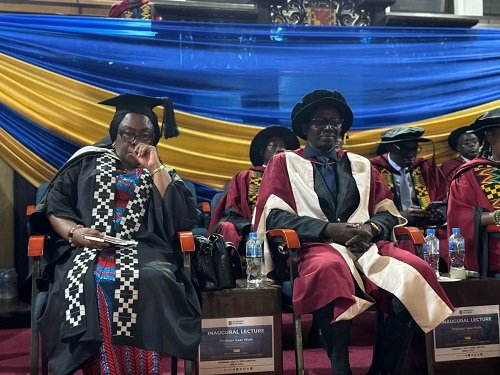
Professor Isaac Wiafe of the Department of Computer Science at the University of Ghana has called for Ghana to adopt a human-centred approach to artificial intelligence (AI), arguing that the technology will only be relevant if it addresses the country’s real development challenges.
He made the call while delivering his inaugural lecture at the University of Ghana’s Great Hall on Thursday under the theme, “Why AI is Irrelevant to Ghana: Reclaiming Our Future through Human-Centred Transformation.”
According to Prof. Wiafe, AI has become one of the most influential technologies in the world and is widely promoted as a solution to problems in healthcare, education, agriculture, governance, transportation and economic development.
However, he argued that in its current form, AI offers limited value to Ghana because many of the technologies are designed using foreign priorities, datasets and assumptions that do not reflect Ghana’s social, cultural and economic realities.
The computer scientist said the issue was not whether Ghana should adopt AI, but whether the country could develop AI systems that understand local languages, reflect Ghanaian culture and solve the everyday problems facing its people.
Prof. Wiafe explained that awareness of AI alone does not lead to development, stressing that technology only becomes useful when it changes decisions, influences behaviour and improves people’s lives.
He noted that while Ghana’s informal sector employs between 70 and 80 per cent of the country’s workforce, it contributes only about 27 per cent of the Gross Domestic Product (GDP), suggesting that most workers are not benefiting from AI-driven productivity.
Using recent flooding in Accra as an example, he said Ghana has accumulated enough data over the years to predict floods but has often failed to act on the available information.
According to him, recent floods exposed weaknesses in emergency response, drainage management, planning and disaster preparedness.
He explained that AI could accurately forecast floods and identify high-risk areas, but such predictions would have little impact if institutions failed to enforce regulations and citizens ignored warnings.
Prof. Wiafe stressed that technology alone cannot transform society, saying meaningful development depends on responsible decision-making, implementation, enforcement and behavioural change.
He introduced the concept of “contextual intelligence,” explaining that AI systems must understand Ghana’s languages, culture, institutions and social realities before they can effectively serve the country.
The professor warned that the global competition in AI is no longer centred on natural resources but on the ability to develop intelligent systems that shape knowledge, education and decision-making.
He cautioned that if Ghana continued relying mainly on foreign AI platforms, the country would not only be importing software but also foreign intelligence.
According to him, Ghana’s greatest risk is not failing to adopt AI but depending heavily on technologies developed elsewhere without building the capacity to create its own.
Prof. Wiafe further revealed that his research uncovered racial and cultural biases in some AI systems, where image-generation tools frequently associated intelligence, beauty and scholarship with white people while portraying Black people negatively.
He urged users to question AI-generated responses instead of accepting them as completely objective.
The professor proposed several measures to make AI more relevant to Ghana, including building a national data infrastructure, investing in local language datasets, training AI experts and developing efficient AI systems designed for Ghana’s unique needs.
He appealed to parents to encourage the use of Ghanaian languages at home, saying local languages must remain active if AI systems are to understand and preserve them.
Prof. Wiafe called on universities, research institutions and policymakers to work together to build AI solutions that improve agriculture, healthcare, education, business and services for persons with disabilities.
He disclosed that researchers at the University of Ghana had already developed AI tools, including speech technologies for Ghanaian languages, health chatbots and digital platforms designed to support persons with disabilities.
The professor warned that delays in approving new academic programmes could leave Ghana behind in rapidly changing fields such as AI and called for more responsive accreditation processes.
He concluded that AI would only become relevant to Ghana when it improves the daily lives of ordinary citizens, strengthens local institutions and supports inclusive national development.
Prof. Wiafe argued in the abstract of his inaugural lecture that Ghana should shift from an AI-first approach to a human-first approach to digital transformation.
He said such a shift would prioritise local needs, indigenous knowledge, cultural preservation and community empowerment rather than simply adopting foreign technologies.
According to him, Ghana’s immediate priorities should include improving digital infrastructure, expanding affordable internet access, strengthening digital literacy and developing technologies that address everyday social and economic challenges.
He warned that the current global AI ecosystem risks creating a new form of digital dependence, weakening local innovation and increasing inequalities if countries like Ghana remain consumers rather than creators of AI technologies.
The Vice-Chancellor of the University of Ghana, Professor Nana Aba Appiah Amfo, described the lecture as thought-provoking and said it challenged participants to rethink the purpose of AI and its role in national development.
She said one of the key lessons from the lecture was that technology must always serve humanity and improve people’s lives rather than simply becoming more advanced.
Prof. Amfo stressed that Africa must play a greater role in developing AI systems that reflect its languages, cultures and development priorities instead of relying entirely on technologies created elsewhere.
She commended Prof. Wiafe for his contributions to AI research and innovation, describing his work as practical, bold and important to Ghana’s digital future.
By: Jacob Aggrey





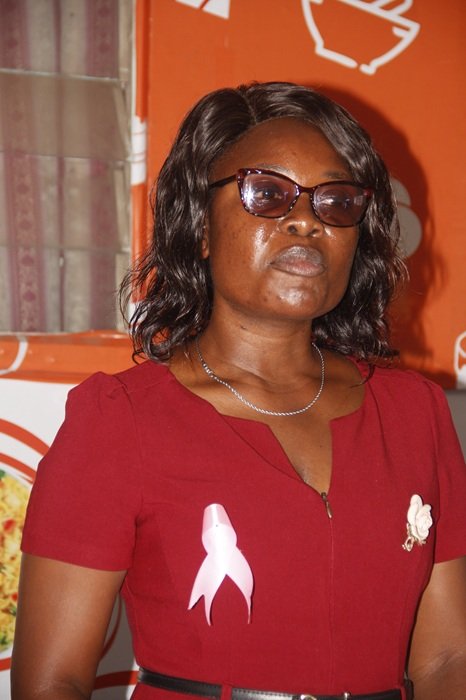
Medical Doctor and dietician, Dr Bernice Korkor Asare, has urged women to take greater responsibility for their lifestyle choices, particularly their eating habits and levels of physical activity, to help reduce their risk of developing breast cancer.

According to her, although, some breast cancer risk factors, such as family history and certain reproductive factors, may not be within an individual’s control, lifestyle choices offer an opportunity for people to take preventive action.
She made this known during a talk on the topic: “Role of diet in breast cancer prevention” organised by Times Ladies Association of the New Times Corporation, publishers of The Ghanaian Times and The Spectator, in Accra on Thursday.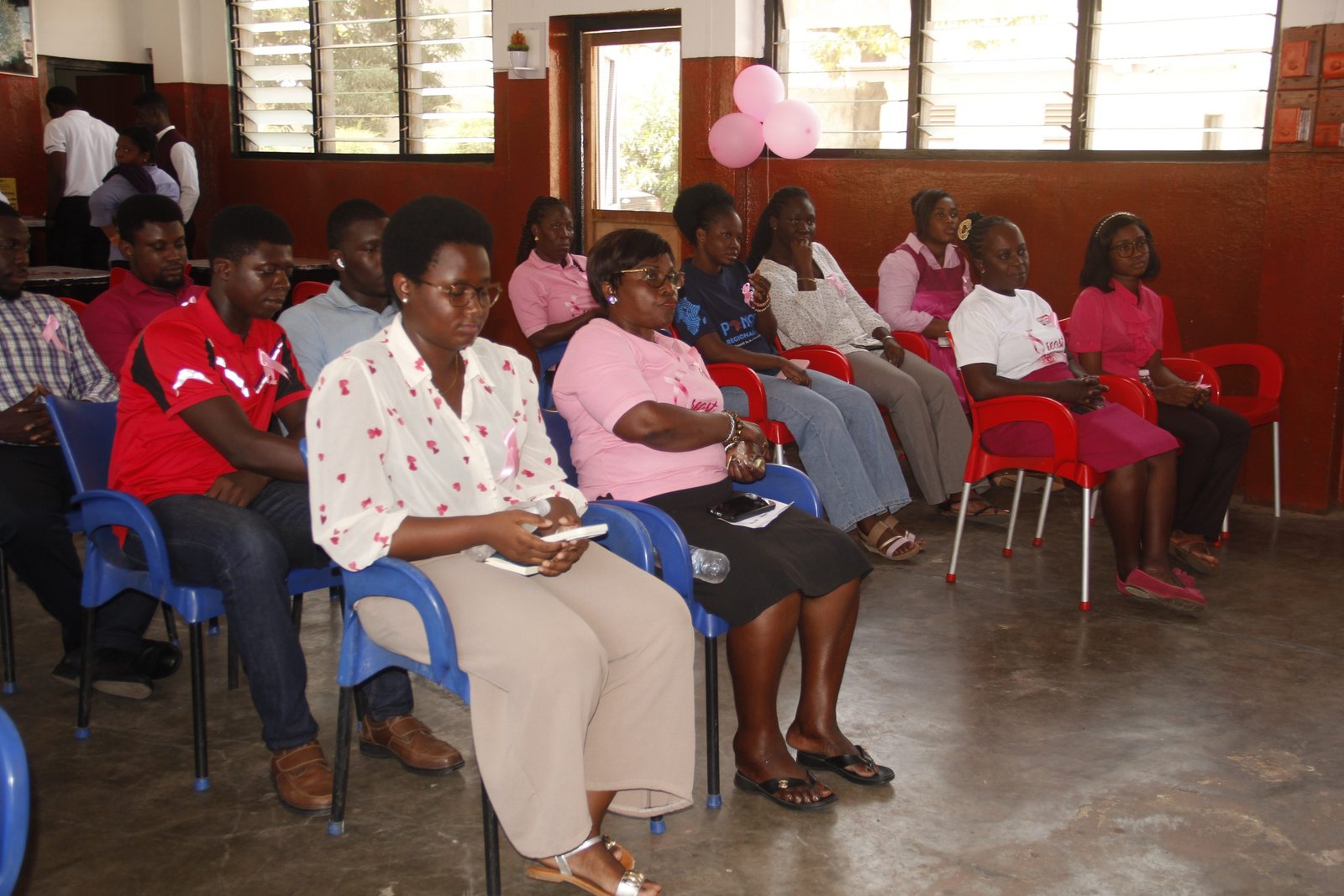
The event themed “Breast Cancer Awareness- Promoting Early Detection, Healthy Eating and Prevention.” 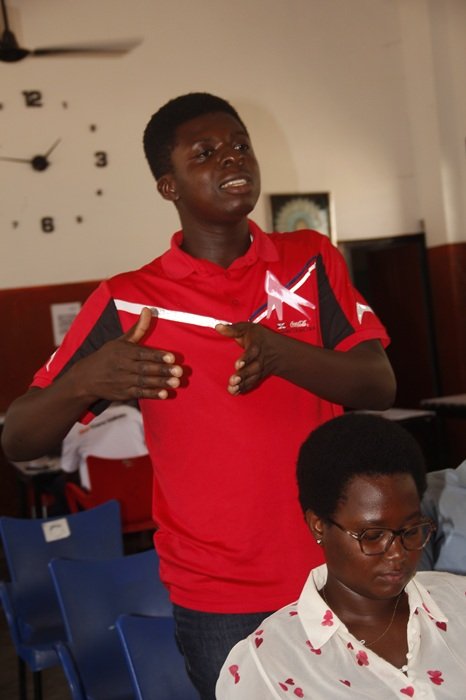
She noted that having a risk factor did not automatically mean a person would develop breast cancer, but could increase the likelihood of developing the disease compared with someone without that particular risk factor.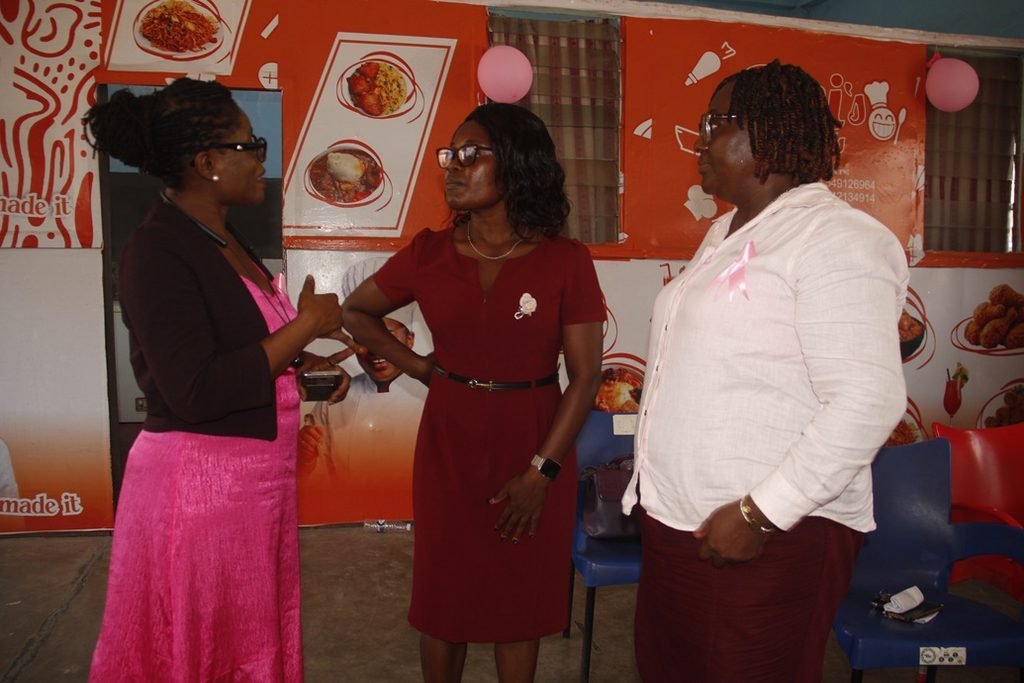
“Having close relatives who have had breast cancer, particularly a mother, sister or daughter, may increase the risk, although not everyone with a family history will develop the disease,” Dr Asare opined. Read More.
By Adizatu K. Munkaila
SKIP THE QUEUE, TAP THE NEWS
Read Daily News
You can now read the Ghanaian Times and The Spectator newspapers from the comfort of your device via TimesNewsPlus.
Buy Maps
Join our WhatsApp Channel: https://whatsapp.com/channel/0029VbBElzjInlqHhl1aTU27
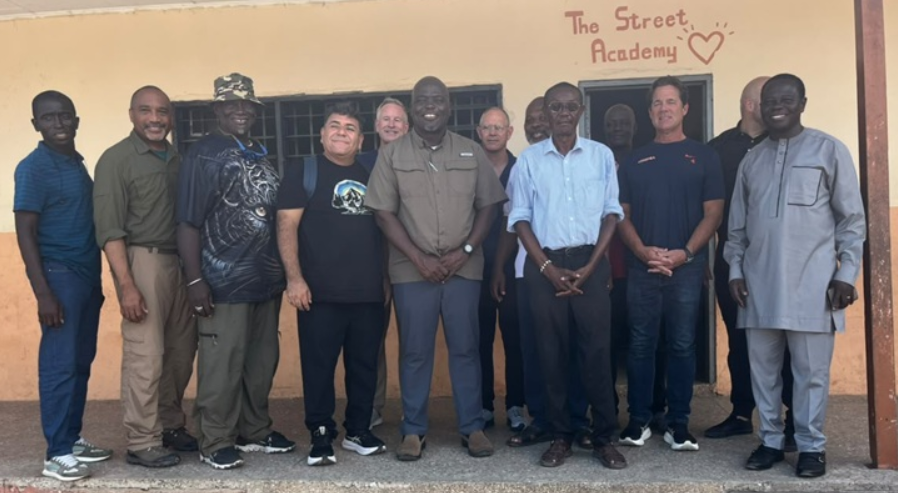
A group of compassionate friends from Innovation Gospel Impact last Friday visited the management, teachers and learners of the Street Academy in Accra.
The visit was to interact to get a deeper insight into the operations of the Academy that houses hundreds of street and underprivileged children and find ways to support them.
The team was led by Rev. Dr Isaac Apenteng Yeboah, a former Director for West African Mailbox Club and Director for Prisons Support Foundation, and Rev. Dale Sutherland from Washington DC.
The call, according to the visitors was occasioned by reports about the struggles of the Academy despite the occasional support it enjoys from individuals and some corporate entities.
Briefing them, the Founder and Executive Director of the Academy, Dr Ataa Lartey, thanked them for the concern showed, indicating that “this is a major boost for both teachers and learners; knowing that their plight is known by people outside their premises.”
According Dr Lartey, the Academy had planned to undertake a number of project to enhance teaching and learning and also procure facilities for the children with keen interest in sports but had to shelve those plans for lack of finance.
He told the team that their biggest concerns were the monthly utility bills that takes a toll on their finances.
“We have a piece of land we planned to turn into an astro turf pitch to train the younger ones whose interests lies in making a career out of football, however, we have been unable to commence because there is no money now,” he said.
Dr Lartey expressed gratitude to the teachers who have dedicated their lives to training these children, rather than going for well-paying jobs and hoped that with time, their conditions of engagement would improve.
Moved by the plight of the Academy, the group donated a cash amount of Gh₵3,000 to settle its water bills.
They described as unfortunate the conditions of learners and teachers of the Academy and pledged to continuously support their operations to realize the dream to build a better future for the unfortunate children.
The group offered to support the school with its monthly utility bills, feeding and staff allowance and urged the Academy staff to remain in constant touch with them.
The Street Academy is located at the Accra Art Center and offers brilliant but needy the chance to pursue their educational dreams by enrolling them in public schools with others offered training in sports and cultural activities.
By Spectator Reporter
SKIP THE QUEUE, TAP THE NEWS
You can now read the Ghanaian Times and The Spectator newspapers from the comfort of your device via TimesNewsPlus.
Join our WhatsApp Channel: https://whatsapp.com/channel/0029VbBElzjInlqHhl1aTU27