News
President Mahama assents to 24-Hour Economy Authority Bill

- /home/u249204778/domains/spectator.com.gh/public_html/wp-content/plugins/mvp-social-buttons/mvp-social-buttons.php on line 27
https://spectator.com.gh/wp-content/uploads/2026/02/WhatsApp-Image-2026-02-19-at-12.18.14-1.jpeg&description=President Mahama assents to 24-Hour Economy Authority Bill', 'pinterestShare', 'width=750,height=350'); return false;" title="Pin This Post">
- Share
- Tweet /home/u249204778/domains/spectator.com.gh/public_html/wp-content/plugins/mvp-social-buttons/mvp-social-buttons.php on line 72
https://spectator.com.gh/wp-content/uploads/2026/02/WhatsApp-Image-2026-02-19-at-12.18.14-1.jpeg&description=President Mahama assents to 24-Hour Economy Authority Bill', 'pinterestShare', 'width=750,height=350'); return false;" title="Pin This Post">
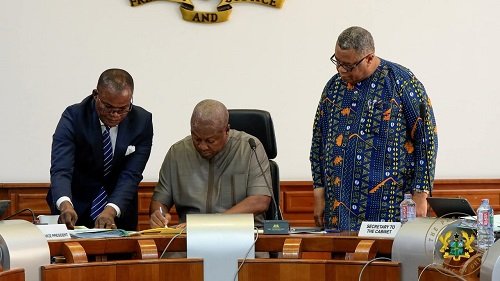
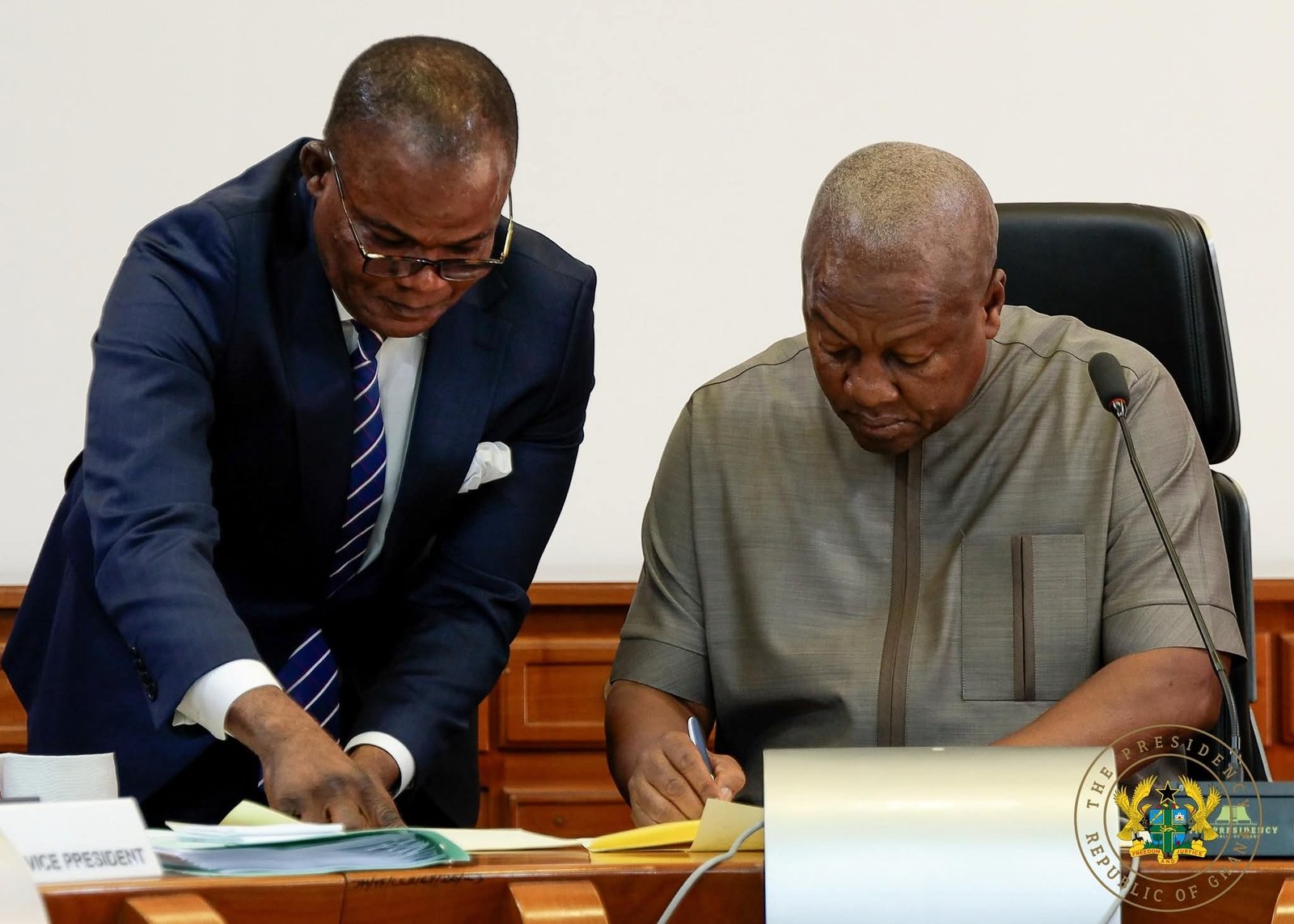
President John Dramani Mahama on Thursday February19, assented to the 24-Hour Economy Authority Bill, 2025, in a brief ceremony before the 13th cabinet meeting.
In his remarks after the signing, the president said, “Cabinet colleagues, I just appended my signature to give assent to the 24-hour Authority Bill.
This Bill, which Ghanaians have been waiting for, was one of our flagship strategies for economic transformation.”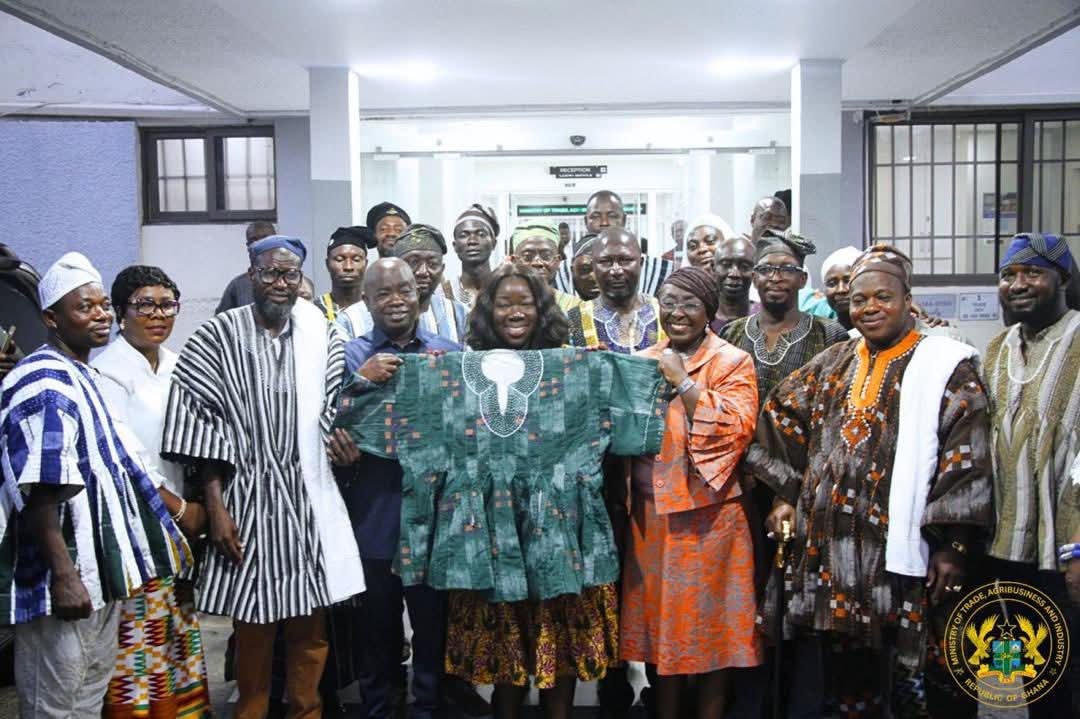
He explained that the process took a while because the government had to ensure due diligence to give legal effect to the policy initiative.
“Now we must move from strategy to implementation. The business sector is waiting, Ghanaian investors are waiting, foreign investors are waiting,” President Mahama added.
He added that “They want to see the package of incentives that we can afford, so that they can invest more and expand productivity and also create more employment for our young people, and so it’s my pleasure to assent to this Bill today.”
The bill establishes a 24-Hour Economy Authority to serve as the central coordinating body to implement the policy, aligning public and private sector efforts, and addressing infrastructure and regulatory needs.
[12:18, 19/02/2026] Edem: Minister highlights Fugu’s role in jobs, culture and tourism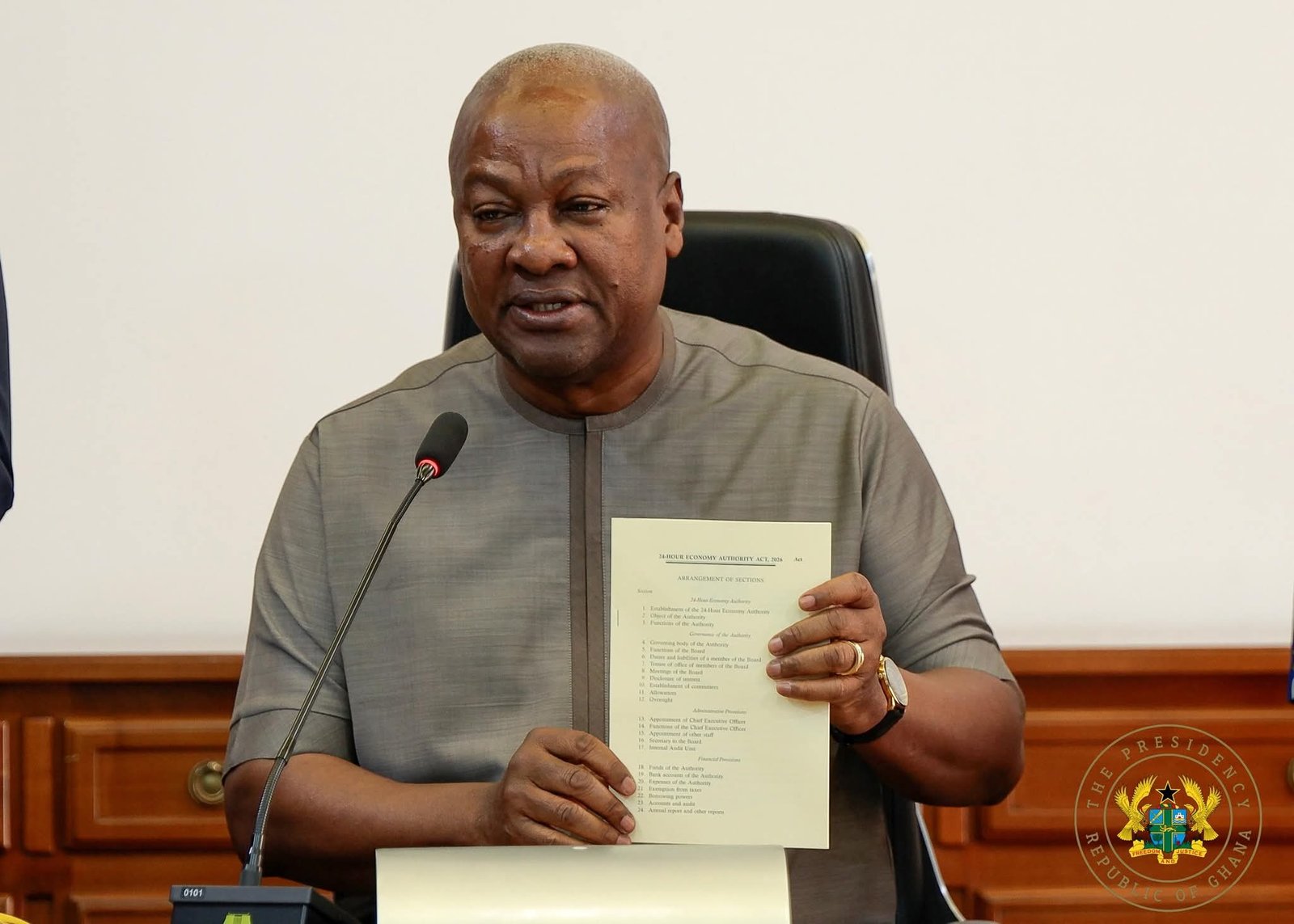
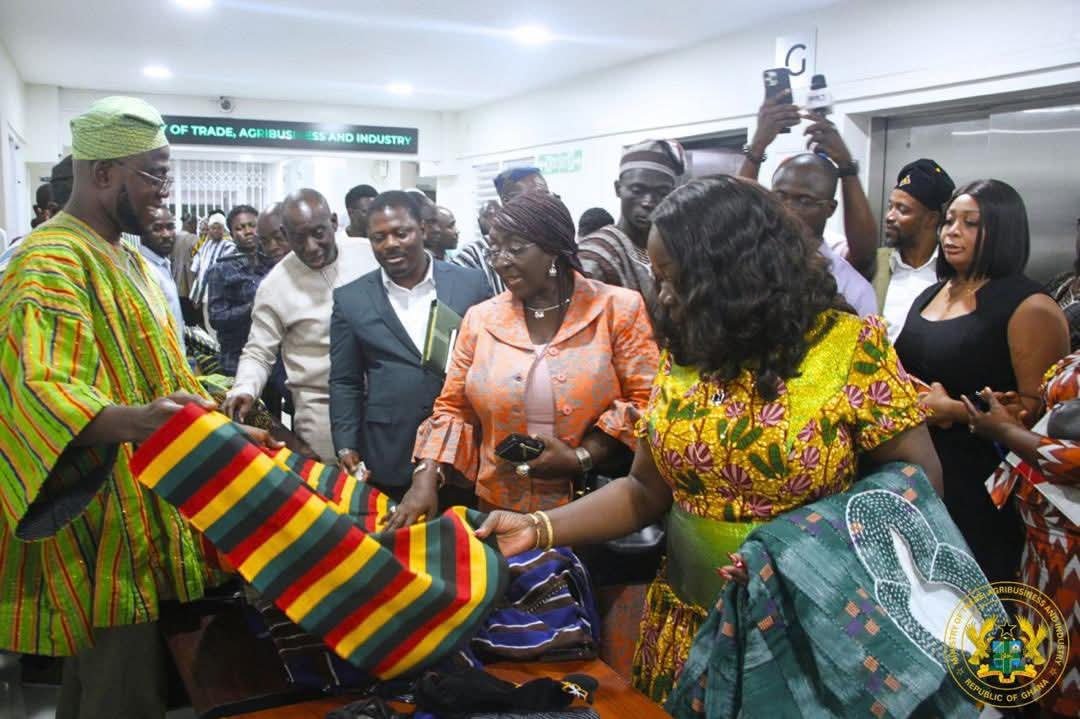
Minister for Tourism Culture and Creative Arts, 009Abla Dzifa Gomashie has reaffirmed Fugu’s growing importance as a driver of job creation, cultural preservation and tourism development during a joint stakeholder engagement with smock producers and dealers in Accra.
The meeting, co-led by Minister for Trade, Agribusiness and Industry by Elizabeth Ofosu-Adjare, focused on strengthening the Fugu value chain, tackling production challenges and expanding market access, while producers raised concerns about raw materials, financing, distribution and the need for wider promotion in schools and public institutions.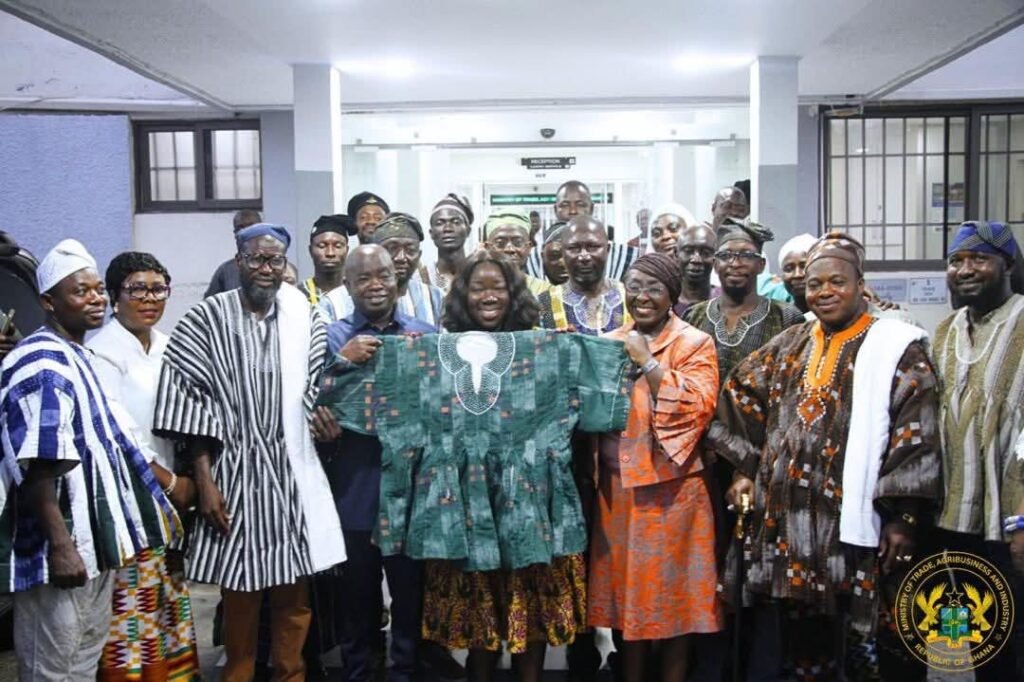
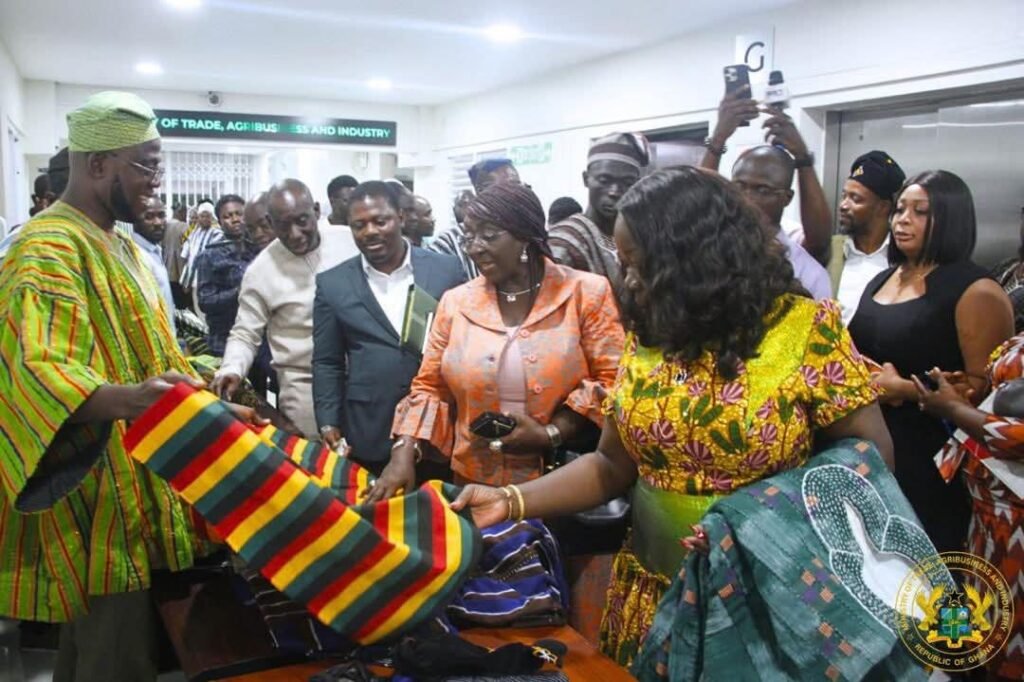
The engagement comes amid renewed global attention on Ghana’s indigenous textiles, following President John Dramani Mahama’s recent appearance in Fugu during a state visit to Zambia.
The Ministry of Tourism, Culture and Creative Arts reiterated its commitment to collaborating with stakeholders to position Fugu as a symbol of national identity and a catalyst for inclusive economic growth.








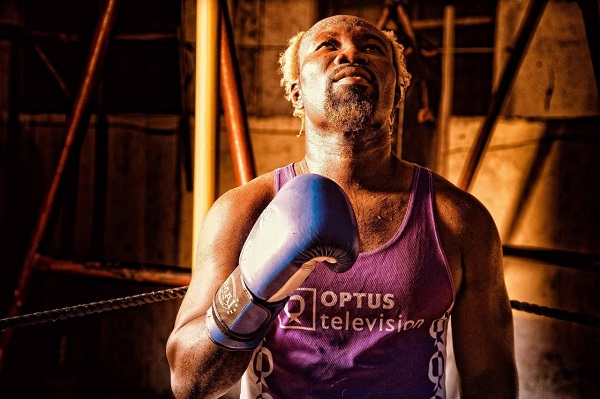
The Accra Regional Police Command has arrested former professional boxer Michael Ayitey Okai, popularly known as “Ayitey Powers,” over an alleged threat of death against the Director-General of the National Sports Authority, Yaw Ampofo.
According to the Police, the 46-year-old former boxer was arrested on Monday, August 24, 2026, in connection with the alleged threat.
The Police said the arrest followed a video circulating on social media in which Ayitey Powers is alleged to have issued the threat against Mr Ampofo.
He is currently in Police custody and is assisting with investigations.
The Accra Regional Police Command said investigations are ongoing to establish the circumstances surrounding the alleged threat and determine the appropriate action to be taken in accordance with the law.
The Command has urged the public to refrain from sharing unverified information about the matter while the investigation continues.
By: Jacob Aggrey
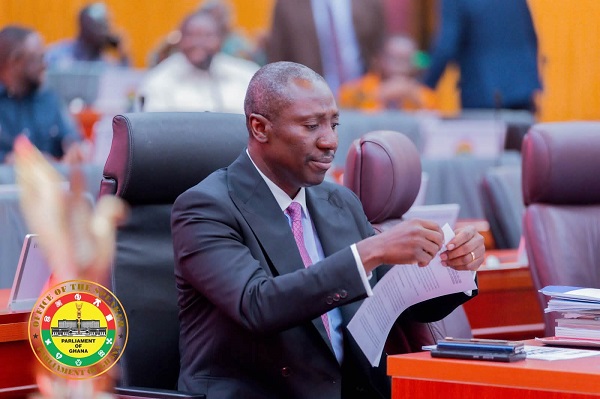
Minority Leader in Parliament Alexander Afenyo Markin has sued the Chief Executive Officer of the Ghana Gold Board (GoldBod), Sammy Gyamfi, and Multimedia Group Limited over alleged defamatory comments made against him on the Newsfile programme.
In a writ filed at the High Court in Accra, Mr Afenyo Markin is seeking GH¢15 million in damages, an apology and retraction of the statements, among other reliefs.
The suit follows comments allegedly made by Mr Gyamfi during the Saturday, August 22, 2026 edition of Newsfile, hosted by Samson Lardy Anyenini.
According to the statement of claim, Mr Gyamfi described Mr Afenyo Markin as an “extortionist” while responding to a question about GoldBod’s reported profits and its position on losses arising from its operations.
The plaintiff claims that Mr Gyamfi repeated the allegation when the host sought clarification on whether he stood by the description.
Mr Afenyo Markin further claims that Mr Gyamfi challenged him to sue him and insisted that the allegation was true.
The plaintiff argues that the statements created the impression that he engages in extortion, uses his political influence to put improper pressure on public institutions and officials, and conducts himself in a manner inconsistent with the standards expected of a lawyer and public office holder.
He denies the allegations and maintains that he is not an extortionist and has never engaged in the conduct alleged by Mr Gyamfi.
The Minority Leader also argues that the comments were made maliciously and were presented as facts without evidence being disclosed.
He claims the statements have damaged his reputation, professional standing and public image, particularly because of his position as a senior political figure and legal practitioner.
The suit also names Multimedia Group Limited as a defendant because, according to the plaintiff, the alleged defamatory comments were broadcast through JoyNews and subsequently circulated on social media platforms, including X, Facebook and YouTube.
Mr Afenyo Markin claims Multimedia failed to stop the comments or deactivate Mr Gyamfi’s microphone after the allegations were made.
He is therefore asking the court to award him general, aggravated and exemplary damages, as well as GH¢15 million in compensation and legal costs.
He is also seeking an order compelling the defendants to issue a full, unconditional and unequivocal retraction and public apology.
The plaintiff wants the apology and retraction to be given similar prominence and reach as the original publication, including through JoyNews and the social media platforms where the comments were disseminated.
He is further seeking a permanent injunction preventing the defendants from repeating the alleged defamatory statements or words with a similar meaning.
The writ requires the defendants to enter an appearance within eight days after being served.
It warns that failure to do so could result in judgment being entered in their absence.
The case was filed by lawyer Paa Kwesi Abaidoo of Dehyena Chambers on behalf of Mr Afenyo Markin.
By: Jacob Aggrey