Entertainment
Piesie Esther to celebrate 20 years in music


Gospel artiste, Piesie Esther is set to commemorate two decades in the music scene.
The celebrated songstress has serenaded Ghanaians with spirit-filled works for the past 20 years.
At a gathering in Accra on Tuesday, she hosted a number of notable personalities during a soirée.
This is coming off the heels of her fast-growing single, ‘Wayε Me Yie’ released earlier this year which has garnered over a million views on YouTube alone.
It is geared towards commemorating the milestone and announcing a lineup of events in that regard.
Next on the calendar is an executive lunch on October 16, 2022.
The coast will subsequently be clear for the main event dubbed the celebration of praise scheduled for November 6.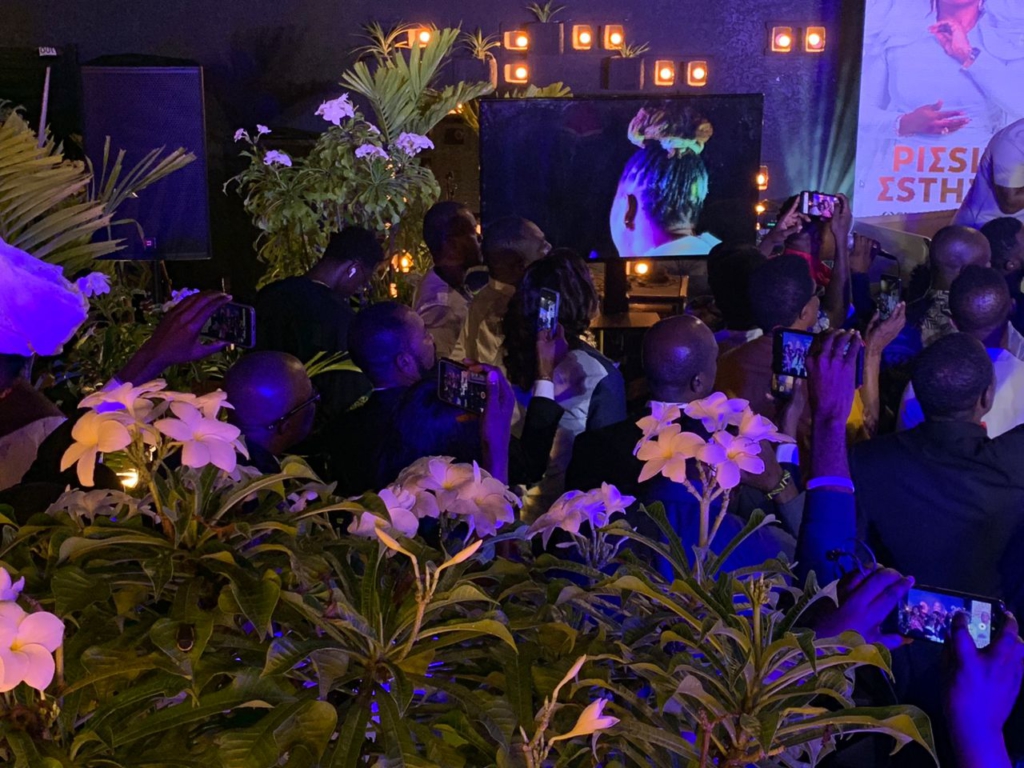
Speaking at the programme, Piesie Esther expressed gratitude to God, her supporters and the media for seeing her throughout her ministry.
She graced the occasion with a performance alongside some of her colleagues in the gospel music space including Obaapa Christy, and SP Kofi Sarpong among others.
Source: www.myjoyonline.co



Multiple award-winning dancehall artiste Emmanuel Andrew Samini popularly known as Samini is set to return to his Dansoman base with the much-anticipated Samini Experience on December 24.
The musician, who has nurtured top talents from the community in the past, says this year’s edition will be held in collaboration with the Dansoman Homecoming Carnival, to make the event bigger.
Speaking to the media at Kegali Hotel during a press launch on Friday, October 16, Samini said activities including a clean-up exercise, health walk, Children’s Day and games will take place from December 18 ahead of the main event.
According to him, the choice of Dansoman is to give back to the community where it all started.
He added that the event was also aimed at nurturing future talents by giving them a platform to showcase their abilities.
He disclosed that some music legends from Dansoman and other big names in the music industry will be on the bill to thrill patrons.
Samini also revealed that the Dansoman Exhibition streets will be blocked to make way for the unforgettable night of music.
He expressed appreciation to the Ablekuma West Municipal Assembly for their collaboration to ensure the success of the programme.
By Edem Mensah-Tsotorme
SKIP THE QUEUE, TAP THE NEWS
Read Daily News
You can now read the Ghanaian Times and The Spectator newspapers from the comfort of your device via TimesNewsPlus.
Buy Maps
Join our WhatsApp Channel: https://whatsapp.com/channel/0029VbBElzjInlqHhl1aTU27

Ghanaian musician Darlington Agyekum, popularly known as Dr Cryme, says he believes leadership is about making a lasting impact rather than holding office.
In an interview after graduating with a Bachelor of Business Administration in Management Studies at the Methodist University’s 2026 graduating class, Dr Cryme reflected on his student leadership journey and highlighted some of the initiatives he spearheaded while serving the university community.
“I always say this position is not a possession. People will come and go, but how you made a mark and who you helped is what we’re here for and how we’ll be remembered. Do your best, let God handle the rest,” he stated.
The rapper, who served as SRC President for the 2025/26 academic year, said his administration championed inclusiveness across the university’s three campuses under the motto, “For us, by us.”
“My motto, ‘For us, by us,’ brought inclusiveness and familiarity with all three campuses together in common goals and activities like education, health, sportsmanship and debates, which all projected the school to higher grounds and above,” he said.
According to him, the vision brought students together while strengthening unity and raising the profile of the university. He also served as a Council Member, Head of Entertainment and a face and brand ambassador for Methodist University Ghana.
Dr Cryme recounted that he was SRC President when the university celebrated its 25th anniversary and said his administration also revamped a legacy canteen project while improving seating facilities for students in classrooms and recreational areas.
He further disclosed that his administration introduced VOMUG (Voice of Methodist University Ghana), a communication platform designed to improve the dissemination of information through emails, bulk SMS, flyers and audio-visual content.
“I enhanced sitting materials for students both in the classrooms and outside for leisure and socialising. I also introduced VOMUG, which has helped in the dissemination of information through email, bulk SMS, flyers and audiovisuals, just to mention a few,” he added.
Although he and his team received citations from the university’s Tema administration in recognition of their service, Dr Cryme was quick to credit the wider university community for the achievements.
“Although we were presented with citations, myself and my team, by the administration in Tema, all these milestones wouldn’t have been attained without the support, involvement and indulgence of the beautiful people and stakeholders of Methodist University Ghana,” he said.
Beyond his academic achievement, Dr Cryme also announced that he has released a new single titled “Heat.”
SKIP THE QUEUE, TAP THE NEWS
You can now read the Ghanaian Times and The Spectator newspapers from the comfort of your device via TimesNewsPlus.
Buy Maps
Join our WhatsApp Channel: https://whatsapp.com/channel/0029VbBElzjInlqHhl1aTU27