News
People’s Forum raises concerns over Chief Justice’s proximity to executive

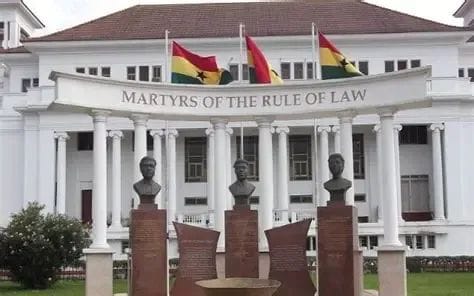
The People’s Forum has called on Chief Justice Paul Kwadwo Baffoe-Bonnie to safeguard the independence and institutional dignity of Ghana’s Judiciary, raising concerns over what it described as his growing public and social proximity to the executive.
In an open letter dated June 18, 2026, and addressed to the Chief Justice, Team Lead of the People’s Forum, Dennis Miracles Aboagye, expressed concern that some of the Chief Justice’s public engagements could affect public confidence in the independence and neutrality of the Judiciary.
Aboagye maintained that the concerns were not about the Chief Justice’s personal integrity but rather the perception created by his association with government officials and leading members of the governing National Democratic Congress (NDC).
According to him, the Judiciary remains the last point of refuge for citizens seeking justice and must, therefore, not only be independent but also be seen by the public as independent.
He noted that the concerns had arisen at a time when the Judiciary was already under public scrutiny following the circumstances surrounding the removal of former Chief Justice Gertrude Araba Esaaba Torkornoo.
The People’s Forum argued that Justice Baffoe-Bonnie assumed office with the responsibility of restoring public confidence in the Judiciary and demonstrating his neutrality.
Concerns over public engagements
Aboagye alleged that the Chief Justice had attended private social functions, funerals and other gatherings involving leading members and officials of the governing NDC.
He argued that although such events may appear harmless, the Chief Justice, as head of the Judiciary, must be held to a higher standard because of the importance of public perception.
The group particularly raised concerns about the Chief Justice’s reported presence as part of Vice President Prof. Naana Jane Opoku-Agyemang’s official delegation to Toronto, Canada, to visit the Black Stars ahead of Ghana’s 2026 FIFA World Cup opener against Panama.
The People’s Forum clarified that it was not questioning the Chief Justice’s right to support the national football team.
However, it argued that the concern was about the circumstances surrounding his presence and his association with an official government delegation.
According to the group, the Chief Justice was not attending the event in a judicial or independent institutional capacity but appeared as part of an executive delegation.
It maintained that this could create the perception of personal closeness and institutional alignment between the Judiciary and the executive.
The People’s Forum compared the situation with that of former Chief Justice Kwesi Anin-Yeboah, who attended international football events as a member of the FIFA Disciplinary Committee.
It argued that Justice Anin-Yeboah attended such events based on his role within an independent international body and was not part of a Ghana government delegation.
The group maintained that the circumstances surrounding Justice Baffoe-Bonnie’s presence in Toronto were different and could raise questions about the independence of the Judiciary.
The People’s Forum cited Article 127(1) of the 1992 Constitution, which guarantees the independence of the Judiciary and states that it shall not be subject to the control or direction of any person or authority.
The group argued that judicial independence goes beyond freedom from direct interference and also includes the need to avoid conduct that could create the appearance of dependence or bias.
According to Aboagye, public confidence in the courts could be affected if citizens believe that the Chief Justice has a close relationship with members of the government whose decisions and policies may be challenged before the courts.
He warned that such perceptions could weaken public trust in the rule of law and encourage political actors to view the Judiciary as an institution to be controlled rather than an independent referee.
The People’s Forum warned that Ghana’s democratic reputation could suffer if citizens perceive the Judiciary as an extension of the executive.
It argued that allowing such perceptions to grow could set a dangerous precedent for future governments.
The group further referred to the appointment of the Chief Justice’s wife, Justice Patience Baffoe-Bonnie, as Director-General of the Ghana Prisons Service by the John Mahama administration.
It argued that this, together with the Chief Justice’s public engagements with government officials, had created circumstances that some citizens may find troubling.
Aboagye also raised concerns about what he described as the treatment of political opponents, critics, journalists and other dissenting voices under the current administration.
He alleged that some citizens and opposition figures had raised concerns about the use of state institutions and criminal processes to intimidate or silence critics.
The People’s Forum also criticised what it described as the imposition of onerous bail conditions on some accused persons, arguing that such conditions could be used as a form of punishment.
The group called on the Chief Justice to ensure that the courts remain independent and protect the rights of all citizens, including those who criticise the government.
It questioned whether the Chief Justice’s relationship with government officials could create concerns about privileged access to the Judiciary.
The People’s Forum urged Justice Baffoe-Bonnie to conduct himself in a manner that would strengthen public confidence in the Judiciary.
It called on him to uphold the Constitution, protect the separation of powers and ensure that the courts remain free from improper influence.
Aboagye stressed that the group was making the appeal out of concern for Ghana’s democracy and the future of its institutions.
He urged the Chief Justice to ensure that ability, fairness and the rule of law remain the guiding principles of the Judiciary and that every Ghanaian can approach the courts with confidence that justice will be administered without fear or favour.
By: Jacob Aggrey





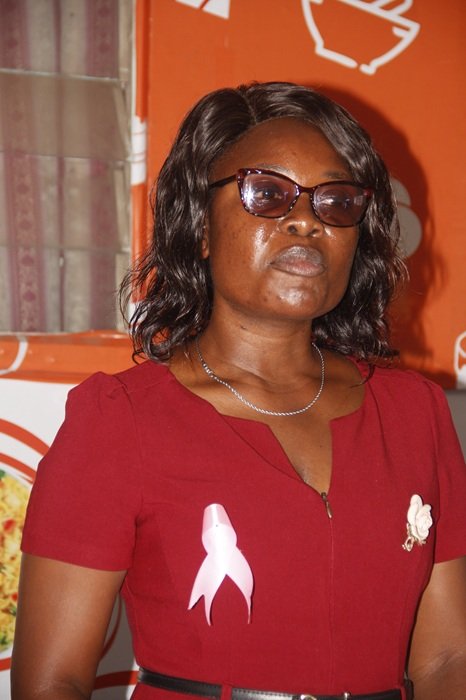
Medical Doctor and dietician, Dr Bernice Korkor Asare, has urged women to take greater responsibility for their lifestyle choices, particularly their eating habits and levels of physical activity, to help reduce their risk of developing breast cancer.

According to her, although, some breast cancer risk factors, such as family history and certain reproductive factors, may not be within an individual’s control, lifestyle choices offer an opportunity for people to take preventive action.
She made this known during a talk on the topic: “Role of diet in breast cancer prevention” organised by Times Ladies Association of the New Times Corporation, publishers of The Ghanaian Times and The Spectator, in Accra on Thursday.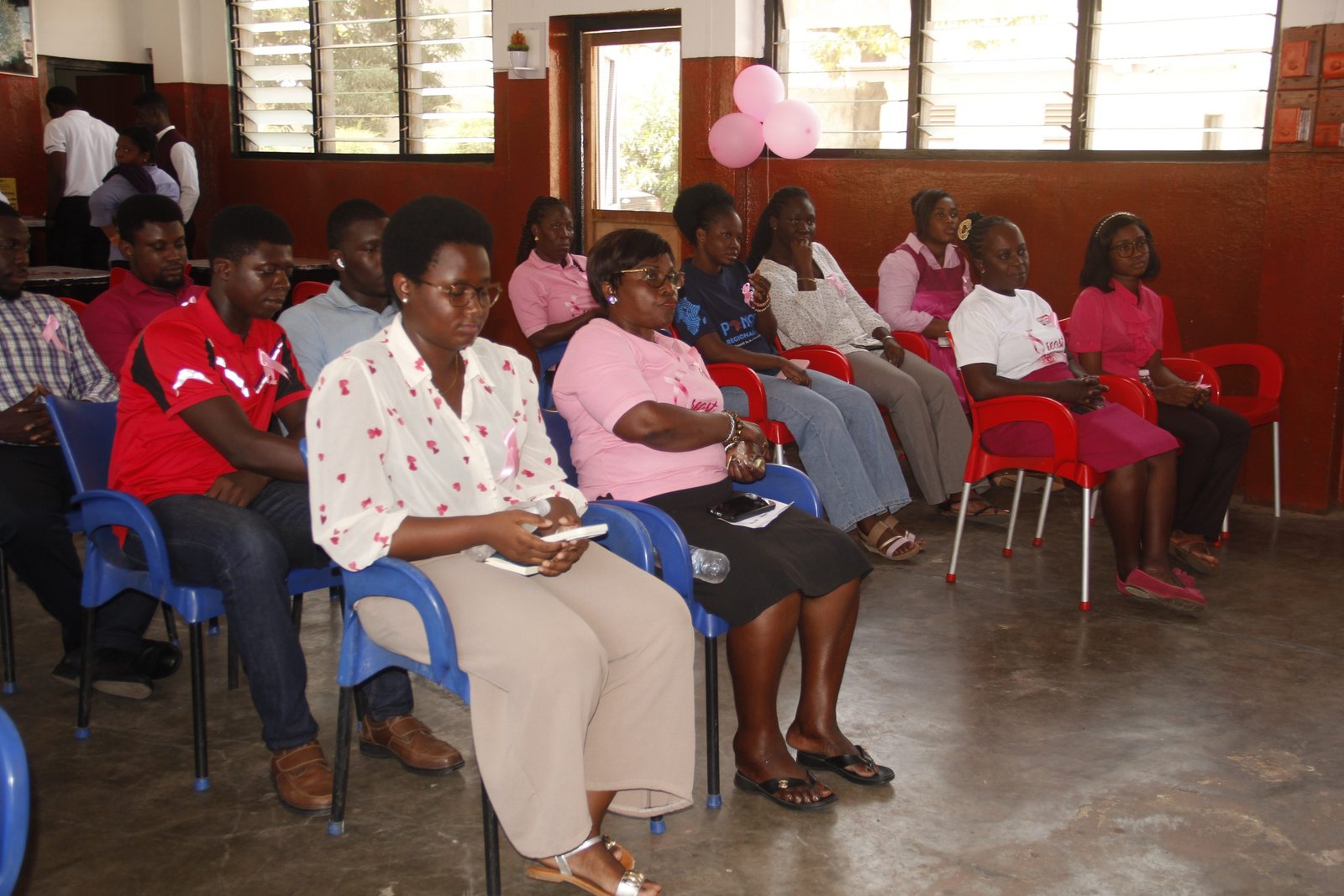
The event themed “Breast Cancer Awareness- Promoting Early Detection, Healthy Eating and Prevention.” 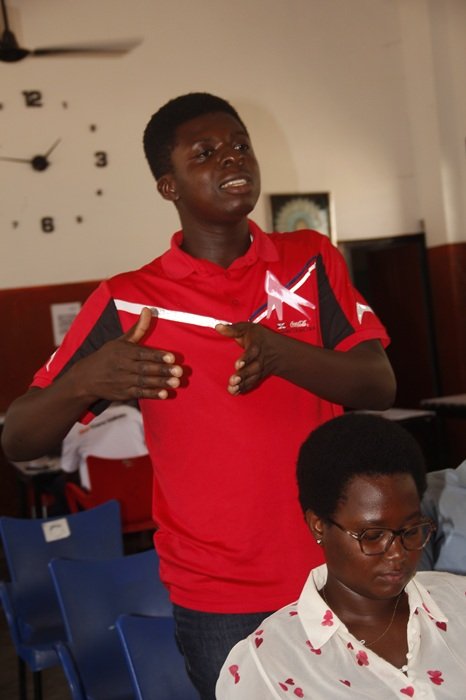
She noted that having a risk factor did not automatically mean a person would develop breast cancer, but could increase the likelihood of developing the disease compared with someone without that particular risk factor.
“Having close relatives who have had breast cancer, particularly a mother, sister or daughter, may increase the risk, although not everyone with a family history will develop the disease,” Dr Asare opined. Read More.
By Adizatu K. Munkaila
SKIP THE QUEUE, TAP THE NEWS
Read Daily News
You can now read the Ghanaian Times and The Spectator newspapers from the comfort of your device via TimesNewsPlus.
Buy Maps
Join our WhatsApp Channel: https://whatsapp.com/channel/0029VbBElzjInlqHhl1aTU27
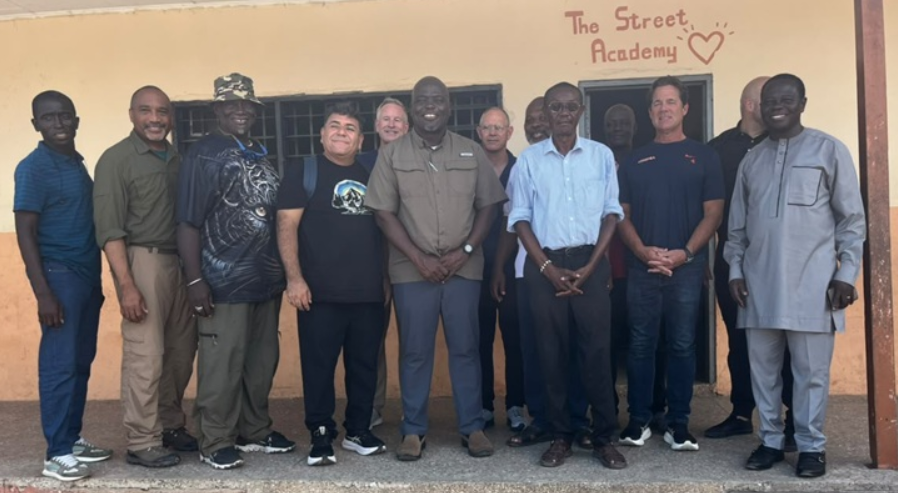
A group of compassionate friends from Innovation Gospel Impact last Friday visited the management, teachers and learners of the Street Academy in Accra.
The visit was to interact to get a deeper insight into the operations of the Academy that houses hundreds of street and underprivileged children and find ways to support them.
The team was led by Rev. Dr Isaac Apenteng Yeboah, a former Director for West African Mailbox Club and Director for Prisons Support Foundation, and Rev. Dale Sutherland from Washington DC.
The call, according to the visitors was occasioned by reports about the struggles of the Academy despite the occasional support it enjoys from individuals and some corporate entities.
Briefing them, the Founder and Executive Director of the Academy, Dr Ataa Lartey, thanked them for the concern showed, indicating that “this is a major boost for both teachers and learners; knowing that their plight is known by people outside their premises.”
According Dr Lartey, the Academy had planned to undertake a number of project to enhance teaching and learning and also procure facilities for the children with keen interest in sports but had to shelve those plans for lack of finance.
He told the team that their biggest concerns were the monthly utility bills that takes a toll on their finances.
“We have a piece of land we planned to turn into an astro turf pitch to train the younger ones whose interests lies in making a career out of football, however, we have been unable to commence because there is no money now,” he said.
Dr Lartey expressed gratitude to the teachers who have dedicated their lives to training these children, rather than going for well-paying jobs and hoped that with time, their conditions of engagement would improve.
Moved by the plight of the Academy, the group donated a cash amount of Gh₵3,000 to settle its water bills.
They described as unfortunate the conditions of learners and teachers of the Academy and pledged to continuously support their operations to realize the dream to build a better future for the unfortunate children.
The group offered to support the school with its monthly utility bills, feeding and staff allowance and urged the Academy staff to remain in constant touch with them.
The Street Academy is located at the Accra Art Center and offers brilliant but needy the chance to pursue their educational dreams by enrolling them in public schools with others offered training in sports and cultural activities.
By Spectator Reporter
SKIP THE QUEUE, TAP THE NEWS
You can now read the Ghanaian Times and The Spectator newspapers from the comfort of your device via TimesNewsPlus.
Join our WhatsApp Channel: https://whatsapp.com/channel/0029VbBElzjInlqHhl1aTU27