News
Over 32,000 people from more than 70 countries participate in 8th Merck Foundation Africa Asia Luminary


- /home/u249204778/domains/spectator.com.gh/public_html/wp-content/plugins/mvp-social-buttons/mvp-social-buttons.php on line 27
https://spectator.com.gh/wp-content/uploads/2021/04/WhatsApp-Image-2021-04-28-at-01.49.54.jpeg&description=Over 32,000 people from more than 70 countries participate in 8th Merck Foundation Africa Asia Luminary', 'pinterestShare', 'width=750,height=350'); return false;" title="Pin This Post">
- Share
- Tweet /home/u249204778/domains/spectator.com.gh/public_html/wp-content/plugins/mvp-social-buttons/mvp-social-buttons.php on line 72
https://spectator.com.gh/wp-content/uploads/2021/04/WhatsApp-Image-2021-04-28-at-01.49.54.jpeg&description=Over 32,000 people from more than 70 countries participate in 8th Merck Foundation Africa Asia Luminary', 'pinterestShare', 'width=750,height=350'); return false;" title="Pin This Post">
The 8th edition of the Merck Foundation Africa Asia Luminary to mark the 4th anniversary of Merck Foundation has been held.
The programme which is being held via a virtual conference from April 27 to 29 is co-hosted by the First Lady of Zambia, Esther Lungu and Senator Dr. Rasha Kelej, Chief Executive Officer (CEO) of Merck Foundation, to create the platform for dialogue measures for access to improved health care systems and enhanced capacity of medical practitioners.
The programme conducted online as a Videoconference, had more than 32,000 participants from more than 70 countries
made up of health ministers, medical practitioners, researchers, and the media among others discussing strategies and solutions for health challenges in their countries with that aim to contribute to improving access to quality participants.
Speaking at the inaugural session on Tuesday April 27, The Chief Executive Officer of Merck Foundation, Dr.Rasha Kelej, said as the CEO of Merck Foundation, the philanthropic arm of Merck, “I am very proud to
work together with all of you to realize our vision of a world where ‘Everyone Can Lead a Healthy and Fulfilling Life.”
“It gives us a great honor to have The President of Zambia, H.E. MR. EDGAR CHAGWA LUNGU with us today to officially inaugurate the 8th Edition of Merck Africa Asia Luminary, that I Co-chair with The First Lady of Zambia, H. E. Mrs. ESTHER LUNGU”, she noted.
Dr.Kelej acknowledged the Chairman of Board of Trustees and Chairman of the Executive Board of E. Merck KG, Prof. Dr. Frank Stangenberg-Haverkamp for his
valuable guidance and support for Merck Foundation strategy and programs which has enabled them to create a significant impact in the under-served communities across the world and specially during coronavirus pandemic.
She said the programme was aimed at equitable healthcare solutions and building healthcare capacity in many critical and underserved medical fields such as; Diabetes, cardiovascular, endocrinology, Cancer, Research, Fertility Care, Women Health, Sexual & Reproductive care, Respiratory Medicines, and Acute Medicines.
She added that More than 1100 doctor from 42 countries have benefited from Merck Foundation scholarship in the above fields, and more will join in the next few years to benefit from more scholarships in more specialties such as: Internal Medicine, Gastroenterology, Mental Health, Orthopedic Trauma, Paediatric, Emergency
Medicine, Dermatology, Neonatal Medicine, Pain Management, Psychiatry, Clinical
Microbiology & Infectious Diseases, Ophthalmology, Urology, Trauma and orthopedics.
According to Dr.Kelej, Merck Foundation started this smart capacity building strategy in partnership with African First Ladies and Ministries of Health and Medical Societies since 2012, which
contributed significantly towards transforming and reshaping the landscape of the public healthcare sector and towards advancing patient care in 42 countries.
President of The Republic of Zambia, Dr.Edgar Chagwa Lungu urged First Ladies of various countries to continue in their quest to prioritise the human lives in their respective countries through such strategic collaborations.
He said as the population of the continent grows to nearly 1.4 billion people, the leaders must build efficient healthcare systems and train more specialists to keep the population healthy and productive.
On this score he called for stronger political commitment and strategic partnership to be the way forward.
He expressed his appreciation to Merck Foundation for partnering other African countries to reshape and improve the healthcare systems.
The First Lady of Zambia, Esther Lungu, in her opening address said, ” let me recognize my Co-Chair, Senator Dr. Rasha Kelej and take this opportunity to congratulate you on your appointment as Senator of the Egyptian Senate from 2020 to 2025 by the President of the Arab Republic of Egypt, His Excellency Abdel Fattah el-Sisi.”
She noted that Merck Foundation has been a long-term partner in building capacity for health workers, in improving access to healthcare, information and breaking the
silence,stigma and discrimination associated with infertility.
“We are indebted to Merck Foundation for selecting Zambia to host this important knowledge-platform where we will discuss cross cutting issues to address various health and social challenges besidesfindingsolutions to improve the health and wellbeing of our nations,” the First Lady of Zambia added.
On her part, the first lady of Ghana, Mrs Rebecca Akufo-Addo said, the Merck Foundation had partnered Ghana on numerous area in resolving some challenges in the health sector.
This, she said included training of medical practitioners, launching of campaigns to create awareness and building robust health system among others.
She urged other African countries to take a lessons from the COVID-19 pandemic to build a efficient health systems to fight future pandemics.
Together with other First Ladies from Africa among others, they discuss strategy realization to build healthcare capacity, respond to the Covid-19 pandemic, provide the necessary training to establish a strong platform of experts in many important and critical specialties in their countries in collaboration with their Offices and Ministries of Health.
By Edem Mensah-Tsotorme


A disturbing practice in which some mothers and caregivers use skin-lightening creams, harsh soaps and even pills on children in an attempt to make their skin lighter has come under strong criticism from a public health nurse.
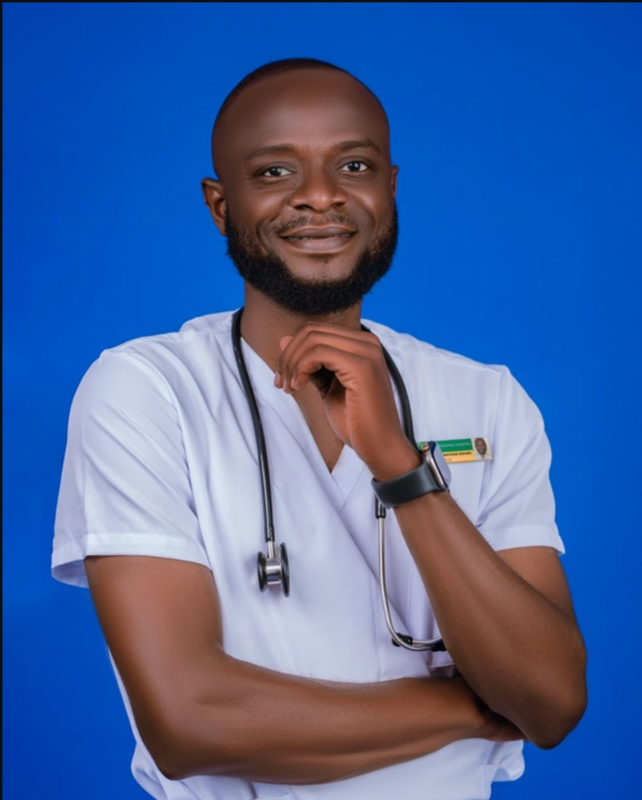
Mr Jonathan Kwame Quarshie, a Public Health Nurse at the Ho Teaching Hospital, has cautioned mothers and caregivers to desist from bleaching the skin of children, describing the practice as unnecessary and potentially harmful to their health.
He said it was worrying that some caregivers were exposing children to cosmetic products meant to alter their natural complexion, despite the delicate nature of children’s skin.
According to him, the situation becomes even more concerning when pills or tablets are given to children with the promise that the products would make their skin lighter “from within”.
“There is no justification for giving a baby or child an unprescribed substance for cosmetic purposes,” he cautioned.
Mr Quarshie stressed that “a baby is not a beauty project” and urged parents to appreciate and protect the natural complexion of their children rather than trying to change it to conform to perceived standards of beauty.
He explained that children’s skin was delicate and could be adversely affected by inappropriate cosmetic products, particularly those containing potentially harmful substances.
Some skin-lightening products may contain substances such as mercury, hydroquinone or potent corticosteroids, which could cause skin irritation, damage and other health complications depending on the substance and level of exposure, he said.
Of particular concern, he said, was mercury exposure, which could affect the nervous system and kidneys.
He therefore warned parents against treating children as “laboratories for beauty experiments” and urged them to consider the long-term health implications of exposing children to unnecessary chemicals and medicines.
Mr Quarshie said children did not need to have lighter skin to be considered beautiful, adding that what they needed was love, acceptance, proper nutrition, safe, age-appropriate skincare and appropriate medical care when necessary.
He advised parents whose children had skin conditions, unusual pigmentation, persistent rashes or other skin concerns to consult qualified health professionals rather than attempting to lighten or treat their skin with unprescribed products.
He also urged caregivers who had already used skin-lightening products on their children to stop further use and seek medical advice, particularly where a child developed irritation, swelling, skin thinning, changes in skin colour or other unusual symptoms.
He said it was worrying that children, particularly girls, were increasingly facing pressure to conform to certain standards of beauty from an early age.
He appealed to parents and families to create an environment in which children would grow up appreciating their natural appearance and understanding that their skin colour was not a problem that needed to be corrected.
“Every shade deserves protection. Every child deserves safe care,” he said, urging society to focus on protecting the health, dignity and wellbeing of children rather than changing their natural complexion.
He said children needed protection, not bleaching.
From Ama Tekyiwaa Ampadu Agyeman, Koforidua
SKIP THE QUEUE, TAP THE NEWS
You can now read the Ghanaian Times and The Spectator newspapers from the comfort of your device via TimesNewsPlus.
Join our WhatsApp Channel: https://whatsapp.com/channel/0029VbBElzjInlqHhl1aTU27
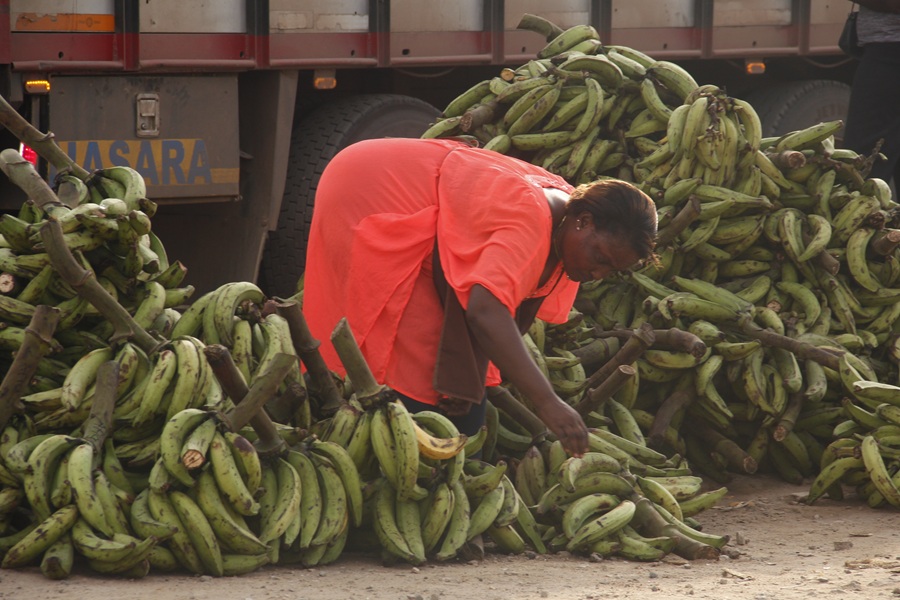
TRADERS of foodstuffs such as tomatoes, cassava, plantain and pepper are overwhelmed by the significant drop in prices across various markets and are urging customers to visit the markets to buy.
The development has come as a big relief to families who visit the markets for these essential ingredients used in daily food preparation.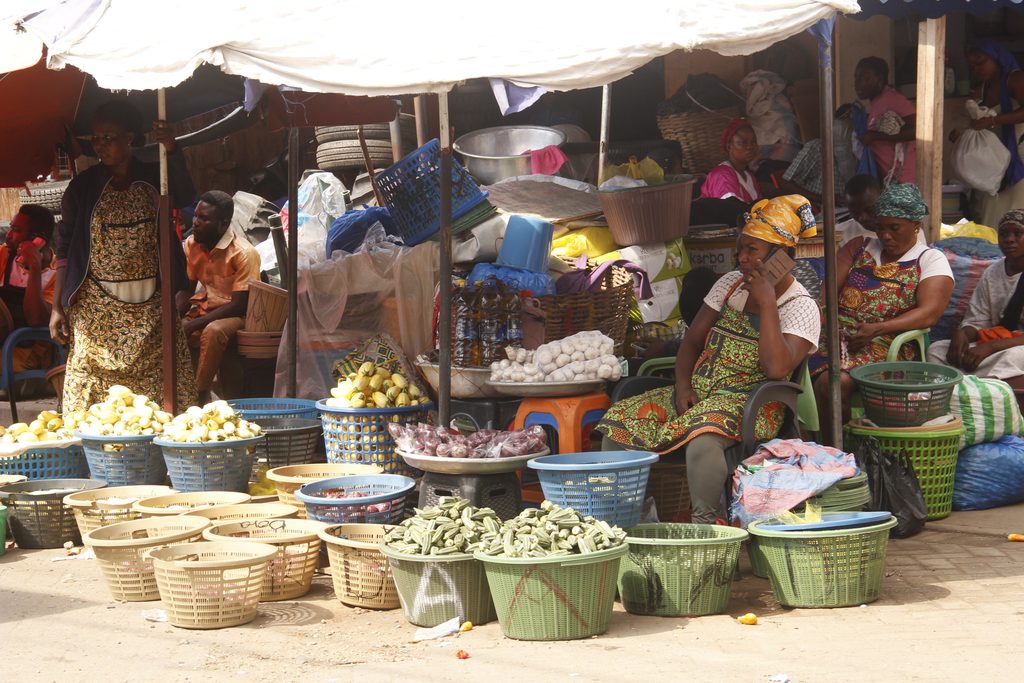
When The Spectator visited markets around Accra Central, Agbogbloshie and Kingsway, among others, tomatoes had flooded every inch of space and were being sold at very affordable prices.
The situation was the same for other foodstuffs, including plantain, cassava and pepper.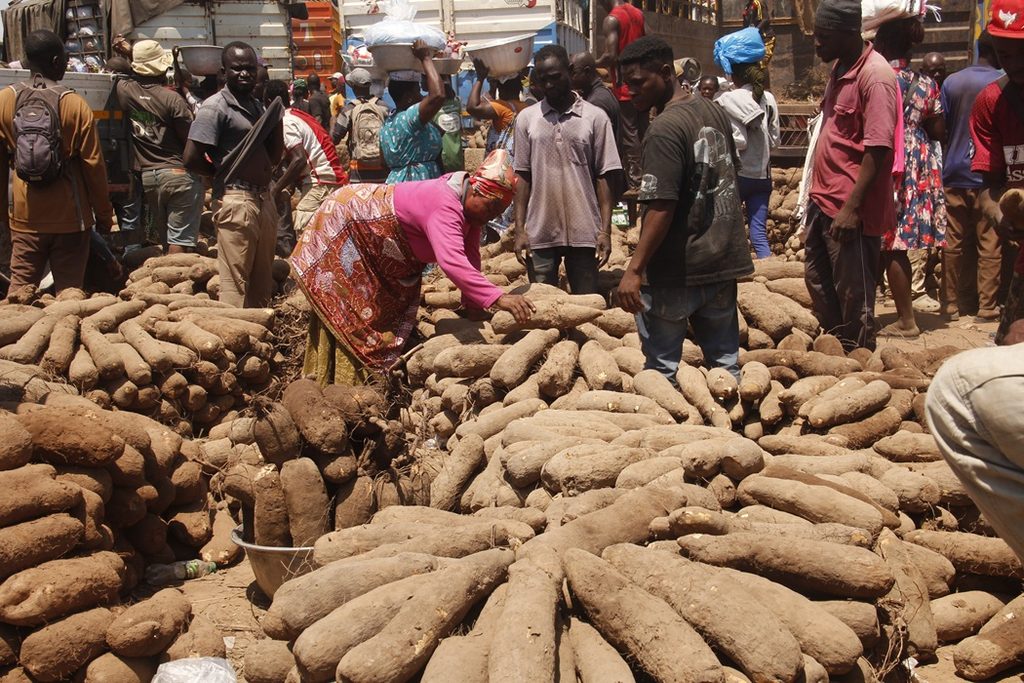
The items were being sold at affordable prices as traders chased buyers.
Interacting with some traders, they said the abundance of foodstuffs had increased patronage at the various markets, with customers buying in large quantities.
With a budget of GH¢300, they claimed, one could buy enough foodstuffs to feed a family at home.
A trader, Esther Nyarko, told The Spectator that prices had reduced significantly and advised members of the public to buy in large quantities for storage.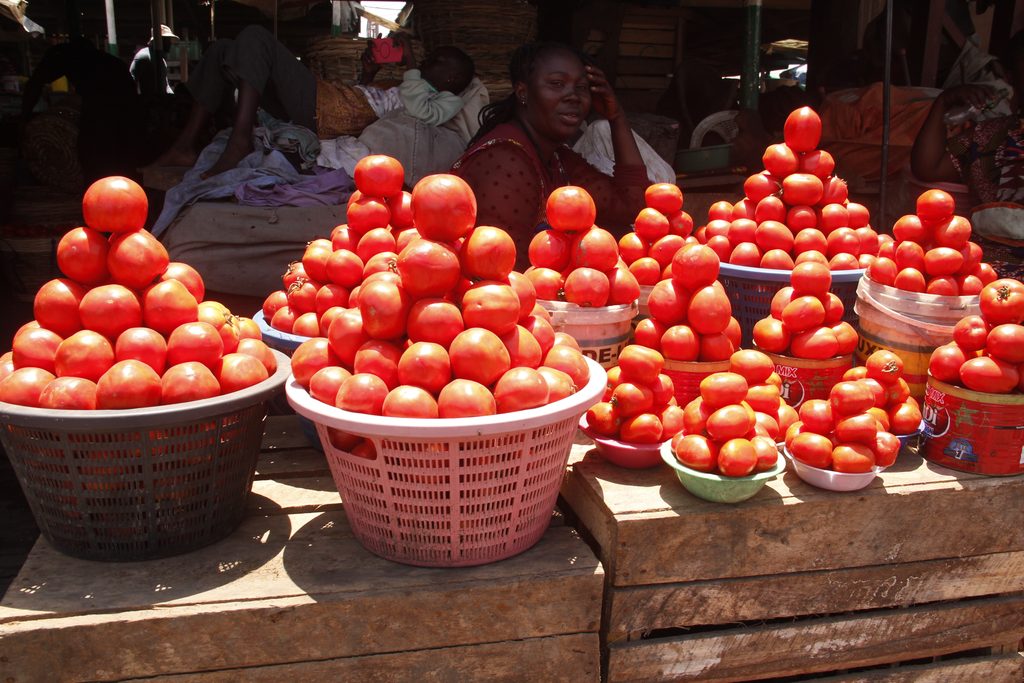
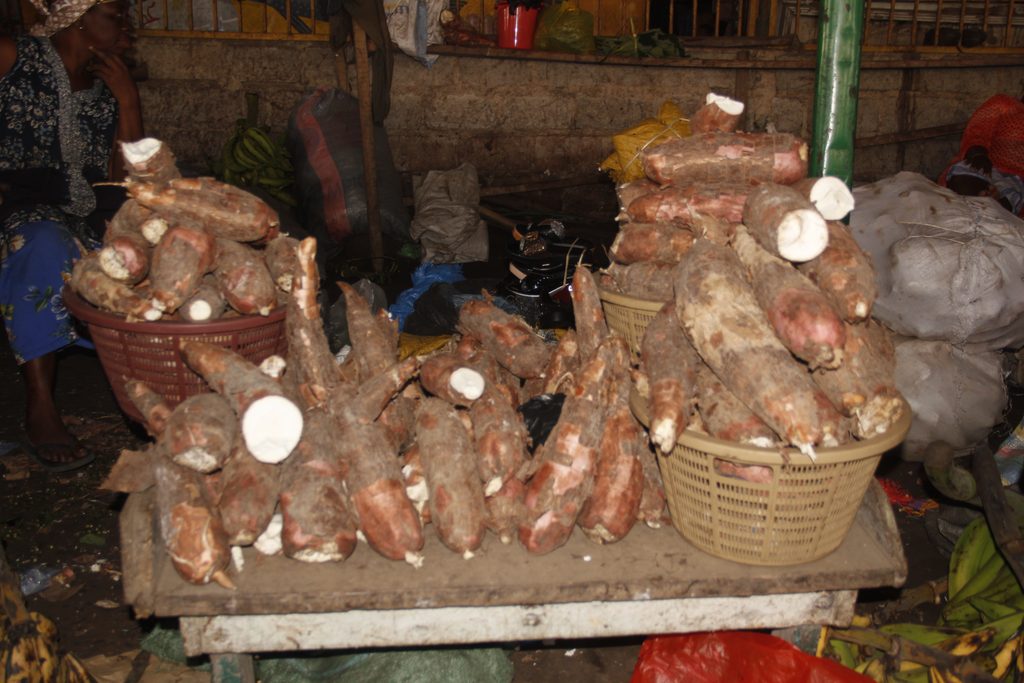
“Cassava, for instance, can be cut into pieces and stored in a freezer. It can also be ground and processed into powder. In the same way, other foodstuffs can be stored in freezers so that when the season ends, people will have some to fall back on,” she said.
According to the traders, the current abundance of seasonal foodstuffs would not last forever, adding that scarcity could follow the harvest period.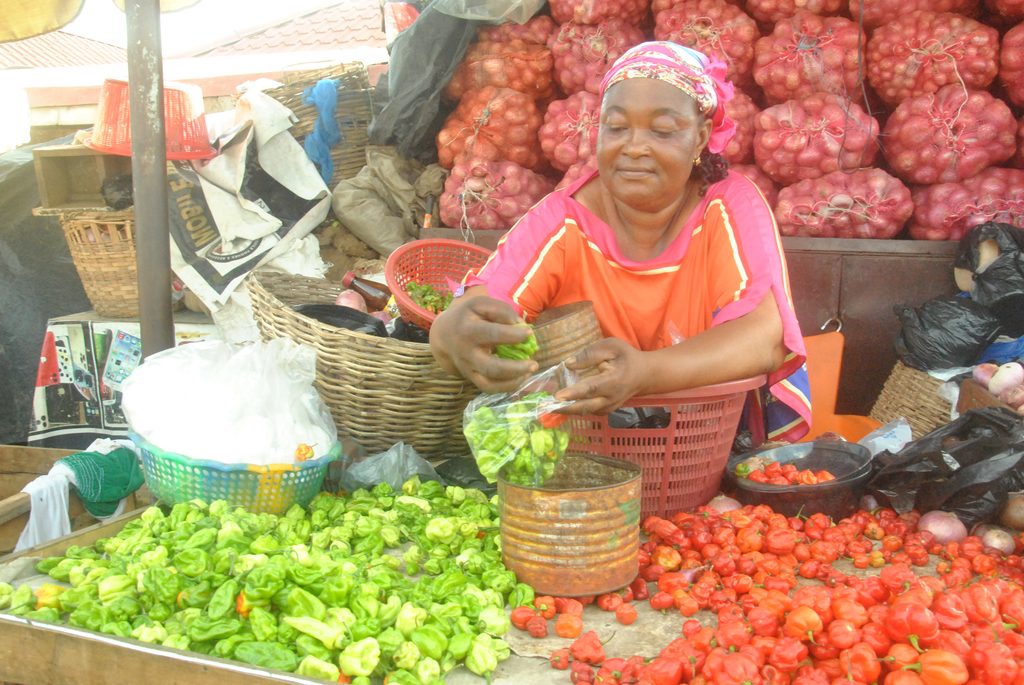
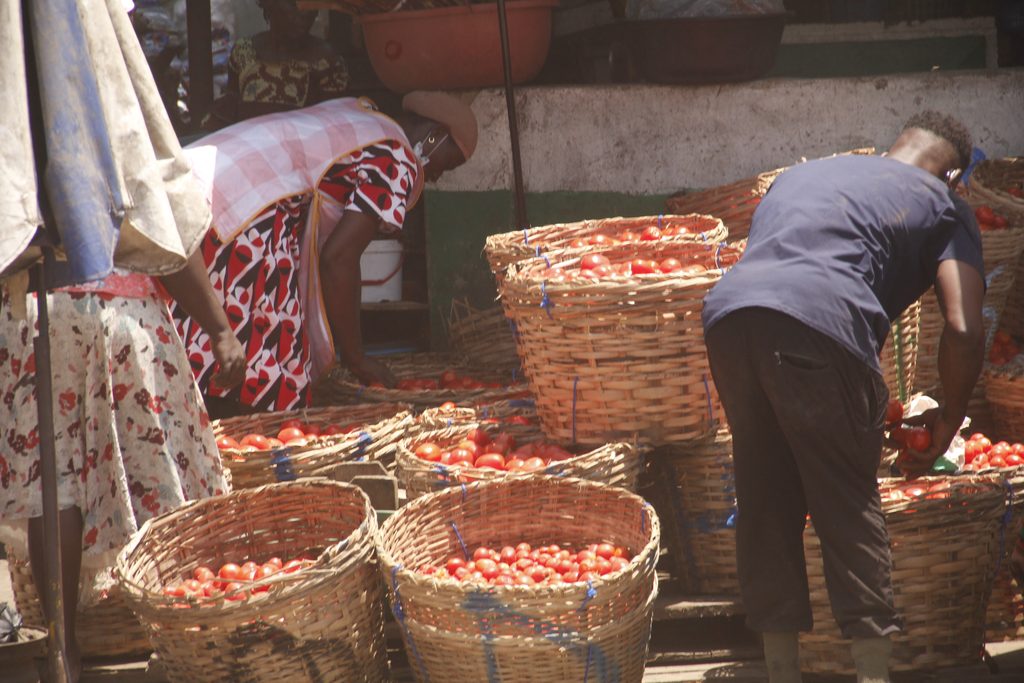
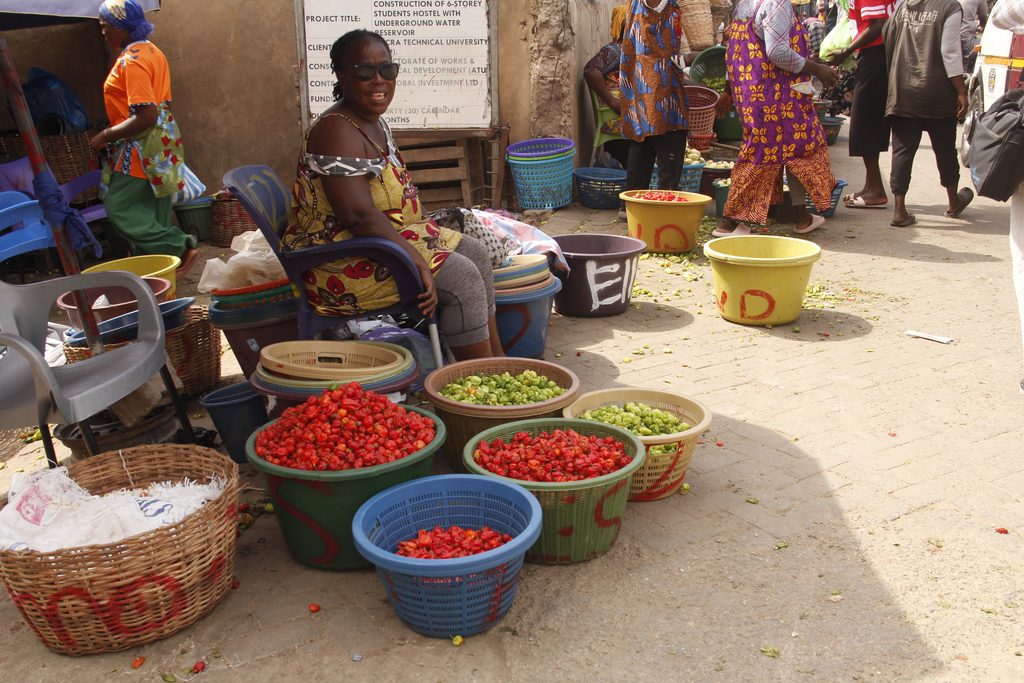
Rose Nyarko, a trader at Agbogbloshie Market, said the abundance of tomatoes, pepper, onions and other vegetables was encouraging, adding that the lower prices were prompting customers to buy more.
Ms Anita Abban, a market woman at Kingsway, said farmers deserved commendation for making the foodstuffs available. She urged the government to support storage and transportation to prevent produce from going to waste.
A third trader, Maame Akua, told The Spectator that the development, coming after a period of vegetable scarcity, had brought joy to many people. She added that consumers were buying more than they needed in order to store some for future use.
A customer, Aunty Esi, said, “I came to buy foodstuffs for my family. I was surprised by the quantity available. There is no shortage, so I believe consumers should take advantage of the situation.”
Ms Rebecca Kumi said the variety of foodstuffs available was encouraging.
“The variety is good. You can find plantain, cassava, yam, tomatoes, pepper and other foodstuffs in large quantities. It makes shopping easier, and they are cheap. I wish it remains so for a long time,” she said.
By Linda Abrefi Wadie