Bussiness
Over 30% of countries at near-debt distress – IMF Boss

- /home/u249204778/domains/spectator.com.gh/public_html/wp-content/plugins/mvp-social-buttons/mvp-social-buttons.php on line 27
https://spectator.com.gh/wp-content/uploads/2022/07/IMF-Boss-656x424-1.jpg&description=Over 30% of countries at near-debt distress – IMF Boss', 'pinterestShare', 'width=750,height=350'); return false;" title="Pin This Post">
- Share
- Tweet /home/u249204778/domains/spectator.com.gh/public_html/wp-content/plugins/mvp-social-buttons/mvp-social-buttons.php on line 72
https://spectator.com.gh/wp-content/uploads/2022/07/IMF-Boss-656x424-1.jpg&description=Over 30% of countries at near-debt distress – IMF Boss', 'pinterestShare', 'width=750,height=350'); return false;" title="Pin This Post">
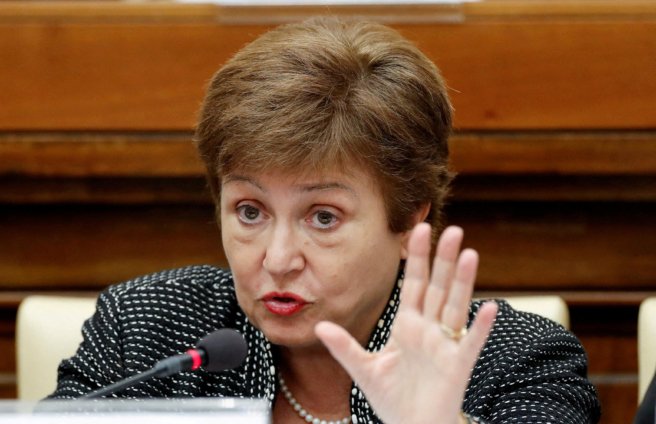
More than 30% of emerging and developing countries are at or near debt distress, Managing Director of the International Monetary Fund, Kristalina Georgieva, has revealed.
For low-income countries that number is 60%.
According to her, the tightening financial conditions and exchange rate depreciations has escalated the debt service burden which she described a harsh – and for some countries – unbearable burden.
Speaking at the hybrid meeting of the G20 Finance Ministers and Central Bank Governors, Madam Georgieva said the outlook of the global economy has darkened significantly, and uncertainty is exceptionally high, adding, “downside risks about which the IMF had previously warned have now materialised”.
She therefore wants a strong global leadership to tackle the scourge of high debt, which has reached multiyear highs.
“The war in Ukraine has intensified, exerting added pressures on commodity and food prices. Global financial conditions are tightening more than previously anticipated. And continuing pandemic-related disruptions and renewed bottlenecks in global supply chains are weighing on economic activity.”
“As a result, later this month, we will project a further downgrade to global growth for both 2022 and 2023 in our World Economic Outlook Update. Moreover, downside risks will remain and could deepen—especially if inflation is more persistent—requiring even stronger policy interventions which could potentially impact growth and exacerbate spillovers particularly to emerging and developing countries. Countries with high debt levels and limited policy space will face additional strains. Look no further than Sri Lanka as a warning sign”, she added.
Emerging and developing countries have also been experiencing sustained capital outflows for four months in a row. They now suffer the risk of reversing three decades of catching up with advanced economies and instead falling further behind.
3 priorities to navigate challenging environment
The MD of IMF said first countries must do everything in their power to bring inflation down, adding, “failure to do so could risk the recovery and further damage living standards for vulnerable people”.
She expressed excitement that central banks are stepping up their game.
“Monetary policy is increasingly synchronised: more than three-quarters of central banks have raised interest rates and have done so 3.8 times. Central bank independence is critical for the success of these policy actions, as is clear communication and a data-driven approach.”
Secondly, she said fiscal policy must help but not hinder central bank efforts to tame inflation.
“With growth slowing down, some people will need more support, not less. So fiscal policy needs to reduce debt while providing targeted measures to support vulnerable households facing renewed shocks, especially from high energy or food prices”.
Thirdly, Kristalina Georgieva said, a fresh impetus for global cooperation will be critical to confront the multiple crises the world is facing. We need G20 leadership particularly to address the risks from food insecurity and high debt.
Source: Joy Business


Ghanaian dancehall artiste Charles Nii Armah Mensah, known as Shatta Wale, has won two awards at the 43rd International Reggae and World Music Awards (IRAWMA) held in Florida over the weekend.
He picked up the Best African Dancehall Entertainer award as well as Concert of the Year for ShattaFest.
In a statement, Shatta Wale’s management expressed appreciation to the organisers and supporters of the awards.
“Management would like to sincerely appreciate the organisers of the IRAWMA awards for the recognition and continuous support for African music on the global stage.
“We also extend our deepest gratitude to fans across the world, especially the Shatta Movement fraternity, for their unwavering support, votes, and dedication throughout the years,” the statement said.
The statement added that the latest wins reaffirm the artiste’s position as one of Africa’s leading musical exports and a prominent figure in global dancehall culture.
The awards bring Shatta Wale’s total haul at the IRAWMA to 11, highlighting his continued presence on the international reggae and dancehall scene.
At last year’s edition, he won three awards: Best African Dancehall Entertainer, Best Music Video for “Killa Ji Mi”, and Best Crossover Song for “Commando” featuring Bounty Killer. -GNA
Bussiness
Global Market Volatility: Gov’t absorb GH¢2.00 per litre on diesel and GH¢0.36 per litre on petrol

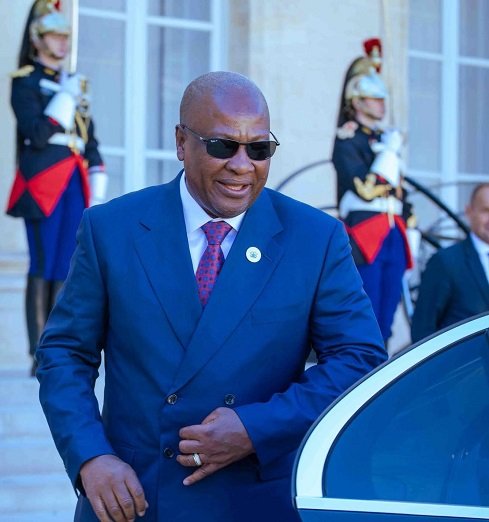
Effective Thursday, April 16, 2026, which is the next pricing window, the Government will absorb GH¢2.00 per litre on diesel and GH¢ 0.36 per litre on petrol.
This intervention is intended to cushion customers and ease the cost burden on households, transport operators, and businesses.
The measure, approved by Cabinet, is in response to rising prices of petroleum products on the international market, which have significantly impacted ex-pump prices in Ghana.
This temporary intervention will remain in force for a period of one (1) month.
During this period government will continue to closely monitor developments in the global oil market and assess the need for further policy adjustments.
A statement signed by Minister of Government Communications, Felix Ofosu Kwakye noted that they remain commited to maintaining price stability, protecting livelihoods, and supporting Ghana’s economic recovery in the face of external shocks.