News
Nkrumah’s unfinished projects: Nation’s dreams awaiting revival


- /home/u249204778/domains/spectator.com.gh/public_html/wp-content/plugins/mvp-social-buttons/mvp-social-buttons.php on line 27
https://spectator.com.gh/wp-content/uploads/2026/03/Meridian-Hotel.webp&description=Nkrumah’s unfinished projects: Nation’s dreams awaiting revival', 'pinterestShare', 'width=750,height=350'); return false;" title="Pin This Post">
- Share
- Tweet /home/u249204778/domains/spectator.com.gh/public_html/wp-content/plugins/mvp-social-buttons/mvp-social-buttons.php on line 72
https://spectator.com.gh/wp-content/uploads/2026/03/Meridian-Hotel.webp&description=Nkrumah’s unfinished projects: Nation’s dreams awaiting revival', 'pinterestShare', 'width=750,height=350'); return false;" title="Pin This Post">
AS Ghana celebrates its 69th Independence Day, the country reflects on the vision of its first President, Kwame Nkrumah. Beyond political freedom, Nkrumah dreamed of building a modern, self-reliant nation.
He launched ambitious projects aimed at industrialisation, job creation, and to position Ghana as a leader in Africa.
Many of these projects were interrupted or abandoned after the 1966 coup that removed him from power. Today, these projects remain reminders of bold ambitions and opportunities for revival.
1. The Black Star Line
One of Nkrumah’s earliest initiatives was the Black Star Line, Ghana’s first national shipping company. Established in 1957, it aimed to boost trade and reduce dependence on foreign vessels. Nkrumah envisioned a fleet of Ghanaian ships transporting goods across Africa and beyond.
The project, however, suffered from poor management, financial challenges, and political instability. After the 1966 coup, the Black Star Line collapsed, leaving a gap in Ghana’s maritime sector. Today, the country still relies heavily on foreign shipping, showing how Nkrumah’s foresight was ahead of its time.
2. Railway expansion
Perhaps Nkrumah’s most enduring domestic dream was a nationwide railway network. He wanted lines connecting northern and southern Ghana, linking agricultural zones to factories, and connecting mines to ports. Railways were to be the backbone of industrialisation, enabling efficient transport of goods and people.
Much of this vision remains unrealised. Expansion stalled after 1966, and the network has suffered decades of neglect.
- Juapong textile factory
- Tomato and fruit processing plants: Designed to add value to agricultural produce, but operations collapsed due to inconsistent supply and lack of technical expertise.
Modernisation efforts by successive governments, including the construction of the Tema–Mpakadan line and rehabilitation of parts of the Western Line, have only partially restored his vision. A fully integrated railway system, particularly linking northern regions, remains a work in progress.
3. Accra–Tema Industrial corridor
The Accra–Tema Motorway, constructed in the early 1960s, was intended to anchor an industrial corridor connecting factories, ports, and residential areas.
The motorway itself was completed and remains a key route, but many industrial zones along the corridor were never built, limiting the economic impact of the project.
4. Defunct factories and industrial ambitions
Through the Ghana Industrial Holding Corporation (GIHOC), Nkrumah established numerous state-owned factories to reduce imports, create jobs, and industrialise the country. Many of these factories, however, became defunct due to poor management, political changes, and economic challenges.
Some notable examples include:
- Textile factories: Aimed at making Ghana self-reliant in clothing production, but most shut down after Nkrumah’s overthrow.
- Brick, tile, and cement factories: Intended to supply building materials for rapid urbanisation; many closed or underperformed.
- Sugar and meat processing plants: Built to supply local demand and reduce imports, yet most never reached full capacity.
These defunct factories are a testament to the challenges of maintaining large-scale industrial projects in a changing political and economic environment. They also illustrate the potential that existed to make Ghana self-sufficient in manufacturing.
Meridian Hotel
The Meridian Hotel in Tema. Built in 1960 by Ghana’s first President, Osagyefo Dr. Kwame Nkrumah. One of the most sought-after hotels at the time, it was a popular location for dignitaries and tourists. The iconic hotel was so popular it inspired the famous Wulomei song Meridian.
Sadly, it has been abandoned for over two decades after it was closed down in the late 1990s. Meanwhile, residents in the area have called on the government to demolish the building if there are no plans to revamp it.
Lessons and way forward
These abandoned projects and defunct factories are not just stories of failure. They highlight Nkrumah’s bold vision and the importance of continuity in national development. Independence brought freedom, but building a self-reliant, industrialised Ghana requires sustained planning, political stability, and investment in infrastructure and human capital.
As Ghana marks its 69th Independence Day, revisiting these projects is both a reflection on history and a call to action. Reviving or modernising parts of these initiatives could strengthen infrastructure, create jobs, and make the country more competitive in the regional and global economy.
Nkrumah’s projects were not merely monuments of ambitions but blueprints for economic sovereignty. As Ghanaians, it is not just enough to remember past events leading to independence but completing and reviving works that began in 1957.
It reminds us that true nation-building—connecting the country, industrialising the economy, and asserting Ghana’s role in Africa—is an ongoing journey.
By Esinam Jemima Kuatsinu
Join our WhatsApp Channel now!
https://whatsapp.com/channel/0029VbBElzjInlqHhl1aTU27


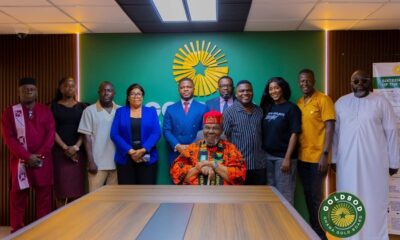




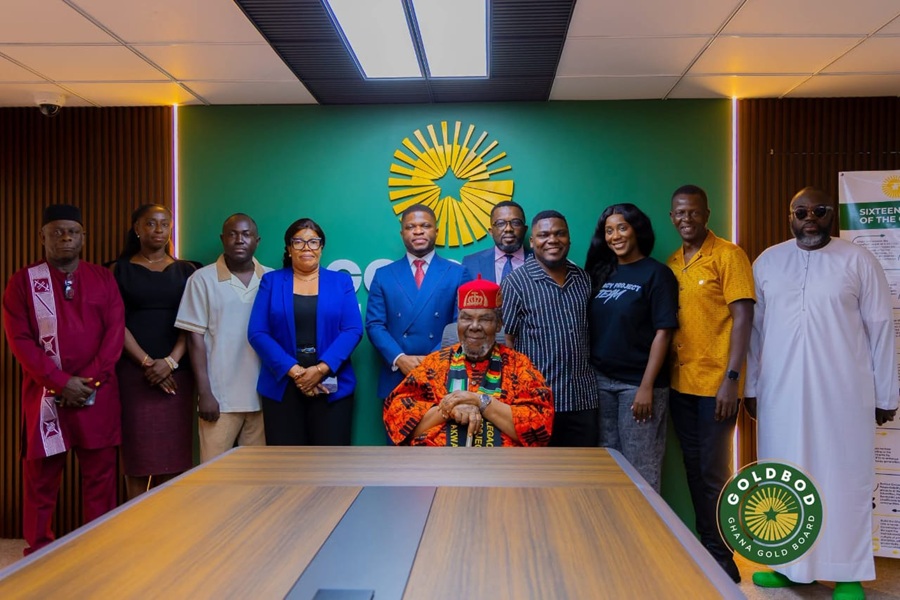
Veteran Nigerian actor and African screen legend, Pete Edochie, has paid a courtesy call on the Chief Executive Officer of the Ghana Gold Board (GoldBod), Sammy Gyamfi, during his visit to Ghana.
Edochie is in Ghana to launch the African Legacy Project, which includes a book, documentary film and an African Youth Mentorship Initiative targeting about 500,000 young people across the continent.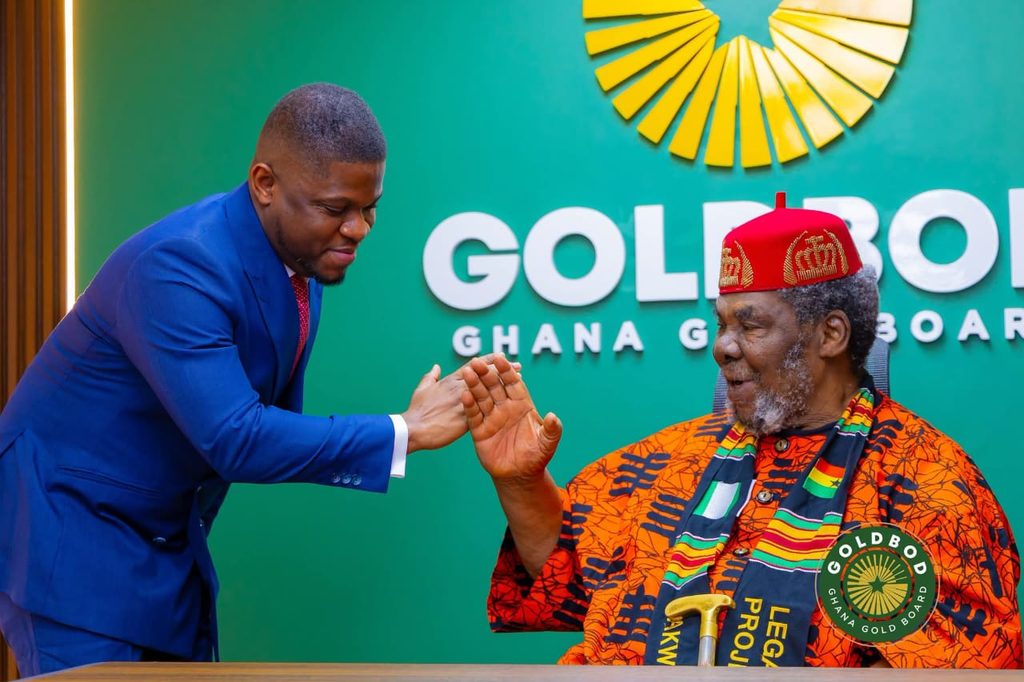
Mr. Gyamfi welcomed the opportunity for GoldBod to support the mentorship initiative, noting that it aligns with the Board’s Special Intervention Programme and its focus on social impact and economic empowerment.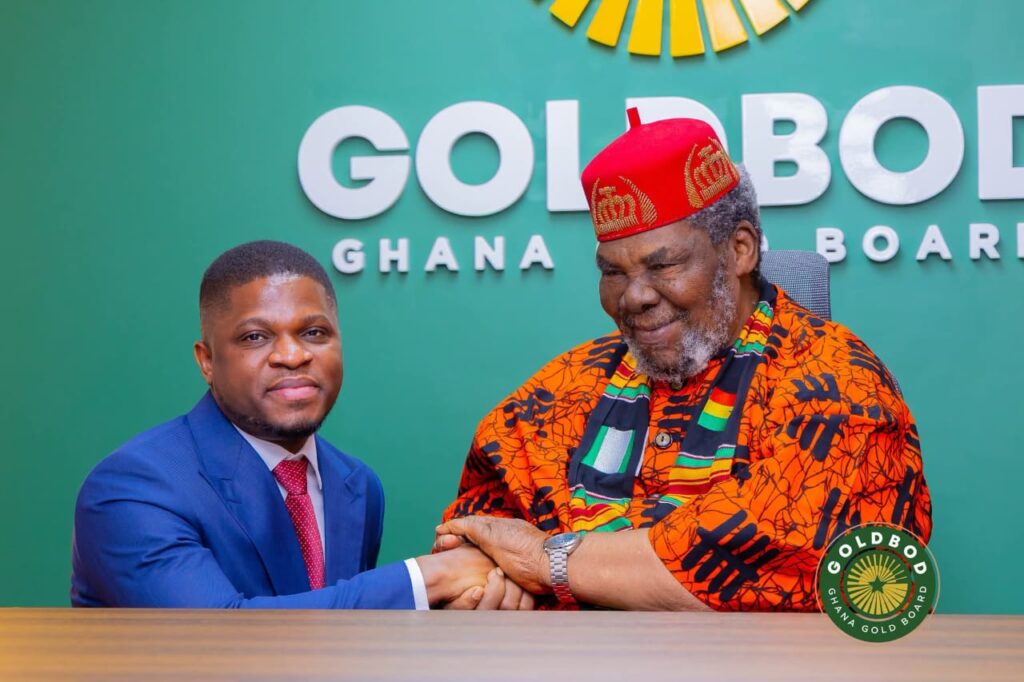
GoldBod’s work is also referenced in Pete Edochie’s new book, which highlights Ghana’s efforts to ensure its gold resources contribute to national development.
By Edem Mensah-Tsotorme
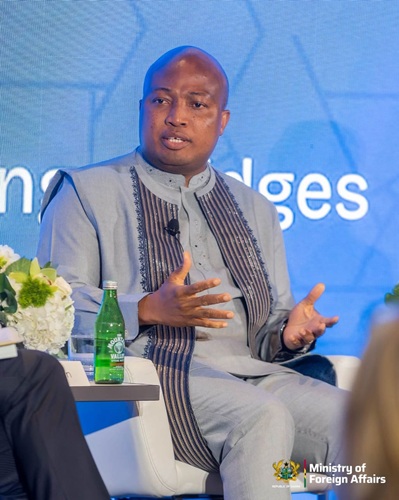
The Ministry of Foreign Affairs has warned Ghanaians seeking employment in Zambia to be cautious of fraudulent job offers that could expose them to human trafficking and forced involvement in cybercrime.
The warning follows the arrest of six Ghanaians in Lusaka, Zambia, during a joint operation by the Zambia Police Service, the Drug Enforcement Commission and the Department of Immigration on August 23, 2026.
According to the Ministry, the operation targeted a facility suspected of being involved in organised cybercrime activities and led to the arrest of 79 people, including 10 Zambians and 69 foreign nationals.
The Ministry said six of the foreign nationals arrested were Ghanaians.
It explained that reports received by the Ghana High Commission in Lusaka indicated that some of those arrested had been recruited through what appeared to be legitimate employment opportunities, including online data entry jobs.
However, the Ministry said some were allegedly forced into online scam activities after their passports were confiscated by their employers.
It warned that the situation highlights how human trafficking groups are using fake employment opportunities to lure unsuspecting job seekers into illegal activities.
The Ministry has therefore advised Ghanaians travelling to Zambia or seeking employment there to thoroughly verify job offers, recruitment agencies and prospective employers before travelling.
Ghanaians living in Zambia have also been urged to remain vigilant when responding to online job opportunities and maintain regular contact with the Ghana High Commission in Lusaka for consular assistance when necessary.
The Ministry said the government remains committed to protecting the welfare and interests of Ghanaians travelling to or living outside the country.
By: Jacob Aggrey