News
National Action Plan to combat misinformation before cabinet – President Akufo-Addo

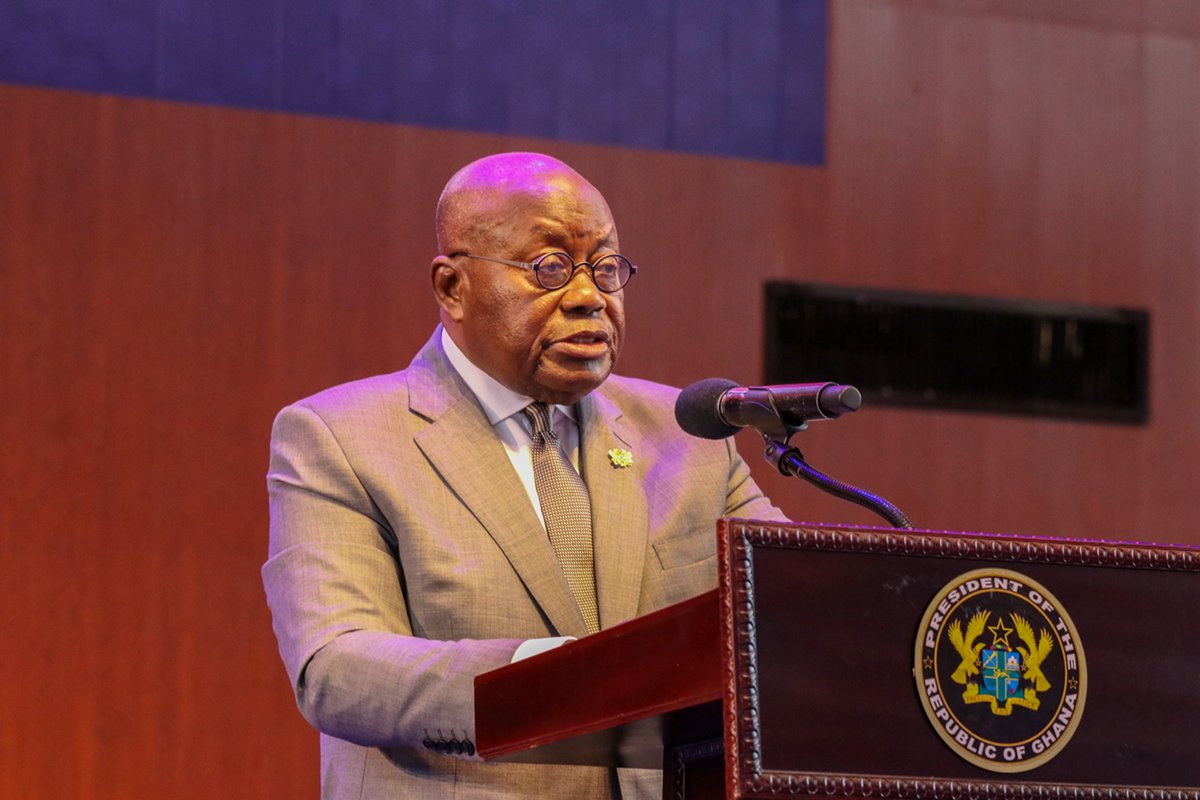
At the Ghana Report Summit held today on August 1, 2024, President Nana Addo Dankwa Akufo-Addo revealed that a comprehensive National Action Plan, aimed at combating misinformation and disinformation in the lead-up to the 2024 General Elections, is currently before Cabinet for its consideration and action.
In his address, President Akufo-Addo praised Ghana’s impressive democratic journey, marked by eight successful general elections since the return to constitutional rule in 1993.
However, he cautioned that misinformation and disinformation pose significant threats to these democratic achievements. “False narratives can distort public perception, undermine trust in our institutions, and even incite violence,” the President warned.
The digital age has transformed how information is shared and consumed, offering both opportunities and challenges. Social media platforms, while beneficial in many ways, have become hotbeds for the rapid spread of false information.
President Akufo-Addo noted that misinformation and disinformation can distort public perception of candidates and political parties, leading to uninformed decision-making at the polls. Disinformation campaigns often exploit societal divisions, amplifying existing tensions and risking social cohesion.
To counter these threats, President Akufo-Addo announced the development of a National Action Plan, which is currently before the Cabinet for consideration. This detailed plan outlines strategic steps to combat the spread of false information and protect democratic processes. The Action Plan aims to safeguard the integrity of elections, promote an informed and engaged citizenry, and ensure that misinformation and disinformation do not undermine Ghana’s hard-won democratic gains.
The National Action Plan includes several key initiatives:
Strengthening Regulatory Frameworks: The government is enhancing legal and regulatory frameworks to hold individuals and organizations accountable for spreading false information. This will involve stricter penalties for those found guilty of disseminating misinformation and disinformation.
Collaborating with Technology Companies: The government is working with social media companies and other tech firms to develop mechanisms for monitoring and curbing the spread of false information. These partnerships are crucial in the fight against digital misinformation and disinformation.
Public Awareness Campaigns: Nationwide campaigns will be launched to educate citizens about the dangers of misinformation and disinformation. These campaigns will promote media literacy, empowering voters to make informed decisions and recognize and reject false information.
Supporting Fact-Checking Organizations: Fact-checking organizations play a vital role in verifying information and debunking false claims. The government will provide support to enhance their capacity and reach.
In his address, President Akufo-Addo stressed the need for all political actors to commit to truthfulness and transparency in their campaigns. The spread of false information for political gain undermines the democratic process and erodes public trust. Political parties and candidates must engage in constructive dialogue, presenting their ideas and policies to the electorate in a truthful and respectful manner.
Civil society organizations are invaluable in promoting transparency, accountability, and media literacy. Their advocacy efforts are essential in curbing misinformation and disinformation. The public also plays a crucial role by verifying information before sharing it and relying on reputable news sources.
The National Action Plan represents a significant step forward in addressing the challenges posed by misinformation and disinformation. As Ghana prepares for the 2024 General Elections, implementing this plan is essential to ensure that the elections are conducted with truth and integrity. By working together – government, media, civil society, and the public – Ghana can create an environment where truth prevails, and its democracy thrives.
President Akufo-Addo’s address at the Ghana Report Summit was a clarion call to action. As Ghana approaches the 2024 General Elections, the fight against misinformation and disinformation is paramount. By working together, Ghana can ensure that its elections reflect the true will of the people, preserving the nation’s reputation as a beacon of democracy and stability in Africa.









A member of the National Democratic Congress (NDC), Dr. Sammy Ayeh has picked up nomination forms to contest for the position of Deputy National Communications Officer position.
Announcing his intention, Dr. Ayeh said he is offering himself to help communicate the party’s vision clearly and connect its message with the aspirations of Ghanaians.
He expressed deep gratitude to the party’s National Communications Officer, Lawyer Sammy Gyamfi, describing him as an able leader on whose shoulders he has risen.
“His exceptional leadership, mentorship and confidence in me have shaped my journey and strengthened my resolve to serve,” Dr. Ayeh stated.
He said if elected, he will seek to build on that foundation by strengthening research-driven communication, empowering grassroots communicators, and enhancing strategic media engagement.
Dr. Ayeh humbly appealed to party members and supporters for their support.
By Edem Mensah-Tsotorme
The Data Protection Commission has called on the Minority Caucus in Parliament, the Ministry of Foreign Affairs, JoyNews and other media houses to protect the personal information of 1,964 Ghanaians evacuated from South Africa.
In a press release issued on Tuesday, October 20, 2026, the Commission expressed concern over the public disclosure of the evacuees’ personal details, including their names, signatures and records of financial assistance received.
It warned that making such information public could expose the affected individuals to identity theft, fraud and other forms of harm, especially given the threats to their safety that some of them may have faced.
The Commission explained that the 1992 Constitution protects the dignity and privacy of every individual. It also cited the Data Protection Act, 2012 (Act 843), which sets out rules for the lawful collection, use and disclosure of personal information.
While acknowledging the importance of transparency, parliamentary oversight, the right to information and press freedom, the Commission stressed that these principles do not automatically justify the unrestricted publication of personal details.
It said the disclosure of the records by the Minority Caucus, the Ministry of Foreign Affairs, JoyNews and other media organisations must be assessed based on the law, the purpose of the disclosure and the privacy rights of the individuals involved.
The Commission further noted that although the Ministry of Foreign Affairs and Parliament are registered data controllers in good standing, their registration does not exempt them from their legal responsibilities under the Data Protection Act.
It has therefore urged all the parties involved to take appropriate steps to protect the affected individuals, including immediately restricting access to or removing personal details from publicly available records where their continued disclosure is not legally justified.
The Commission announced plans to conduct a regulatory review to determine whether the disclosures had a lawful basis, what safeguards were applied and whether the privacy rights of the evacuees had been adequately protected.
It said it would engage the relevant parties as part of the review and take appropriate regulatory action if any breach of the law is established.
The Commission reiterated that protecting personal information and respecting human dignity must remain central to efforts to promote public accountability.
By: Jacob Aggrey